
New & Noteworthy
From The Collector’s Cabinet
-
![]()
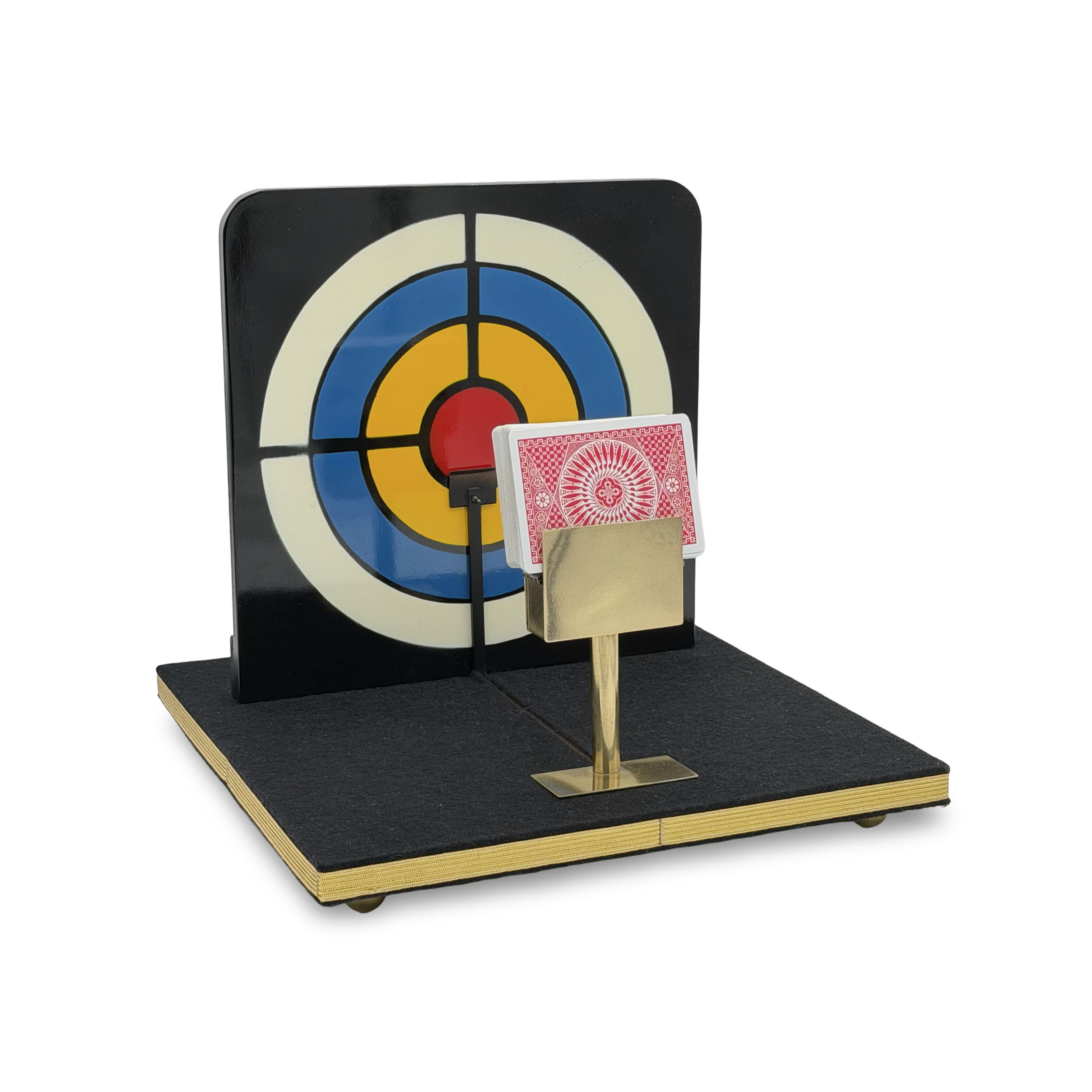
Bullseye Card Trick
Owen Magic Supreme, ca. 2000. A selected card is returned to the deck and placed before the target. With the “fire” of an air gun, the cards scatter and the selection appears in the bullseye. Previously offered by Potter & Potter with its “Our Sample” box from the Owen stockroom.
-
![]()
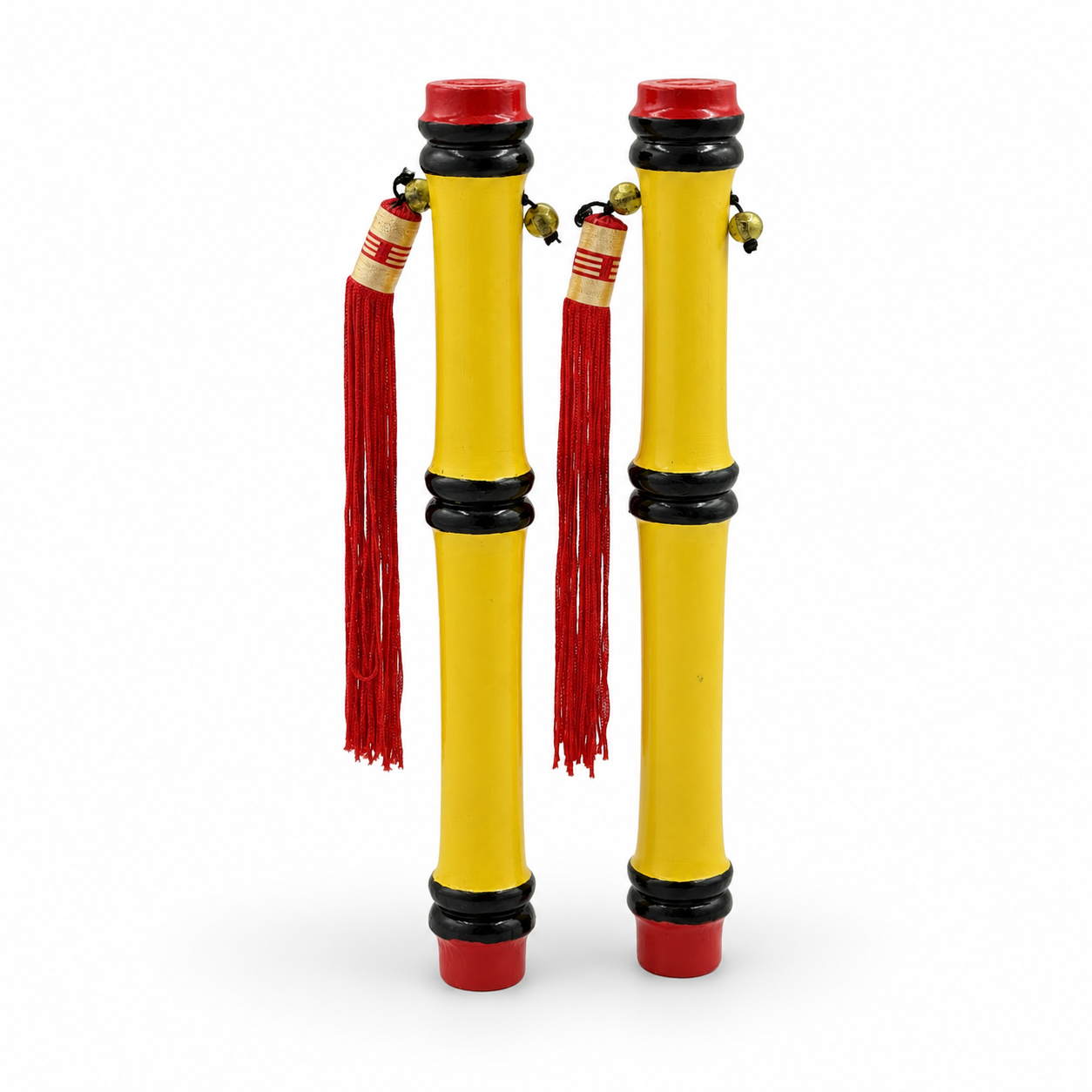
Chinese Sticks
Owen Magic Supreme, ca. 1990s.
Finely made faux-bamboo sticks finished in yellow, black, and red lacquer. As one cord is pulled, the other mysteriously responds. Handsomely constructed in the Owen tradition. -
![]()
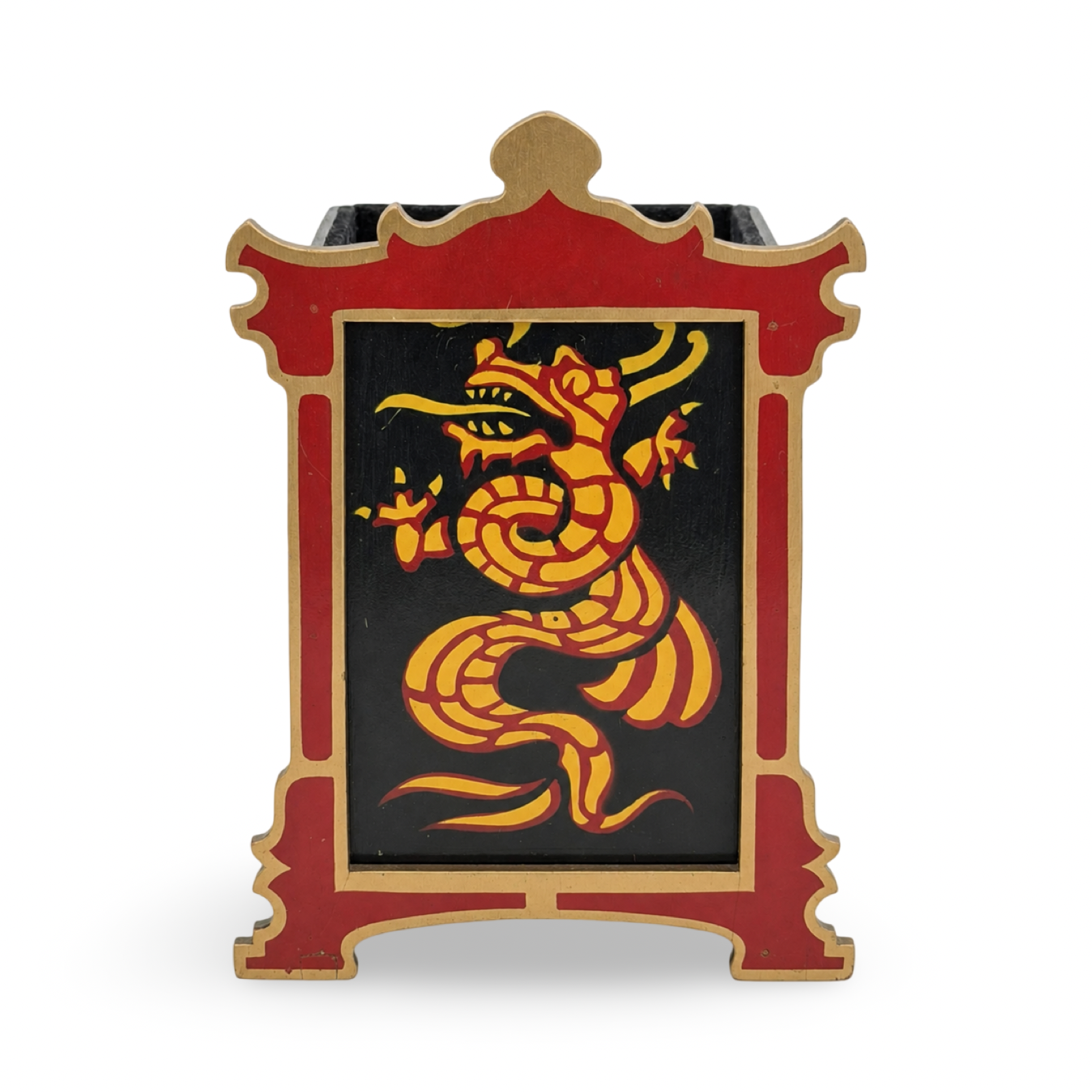
Wu-Ling Pagoda Mystery
F.G. Thayer & Co., ca. 1944.
An ornate pagoda-style cabinet is shown empty, only to be filled to overflowing moments later. -
![Cage Transformation. Colon: Abbott’s Magic Co., ca. 1950s.]()
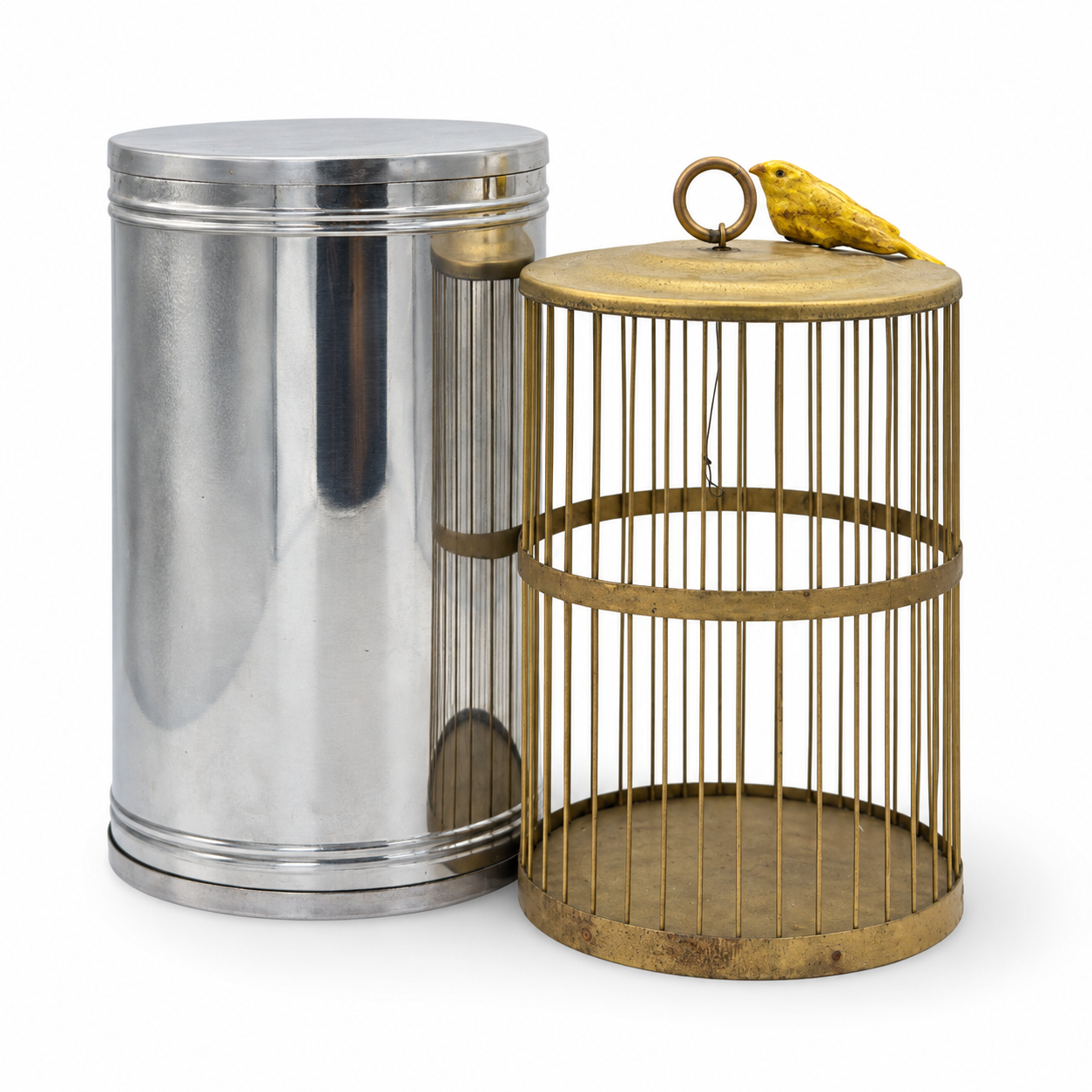
Cage Transformation
Abbott’s Magic Co., ca. 1950s. A metal canister filled with an assortment of objects is opened to reveal a substantial brass birdcage containing a live bird. Includes the original rubber canary.
-
![]()
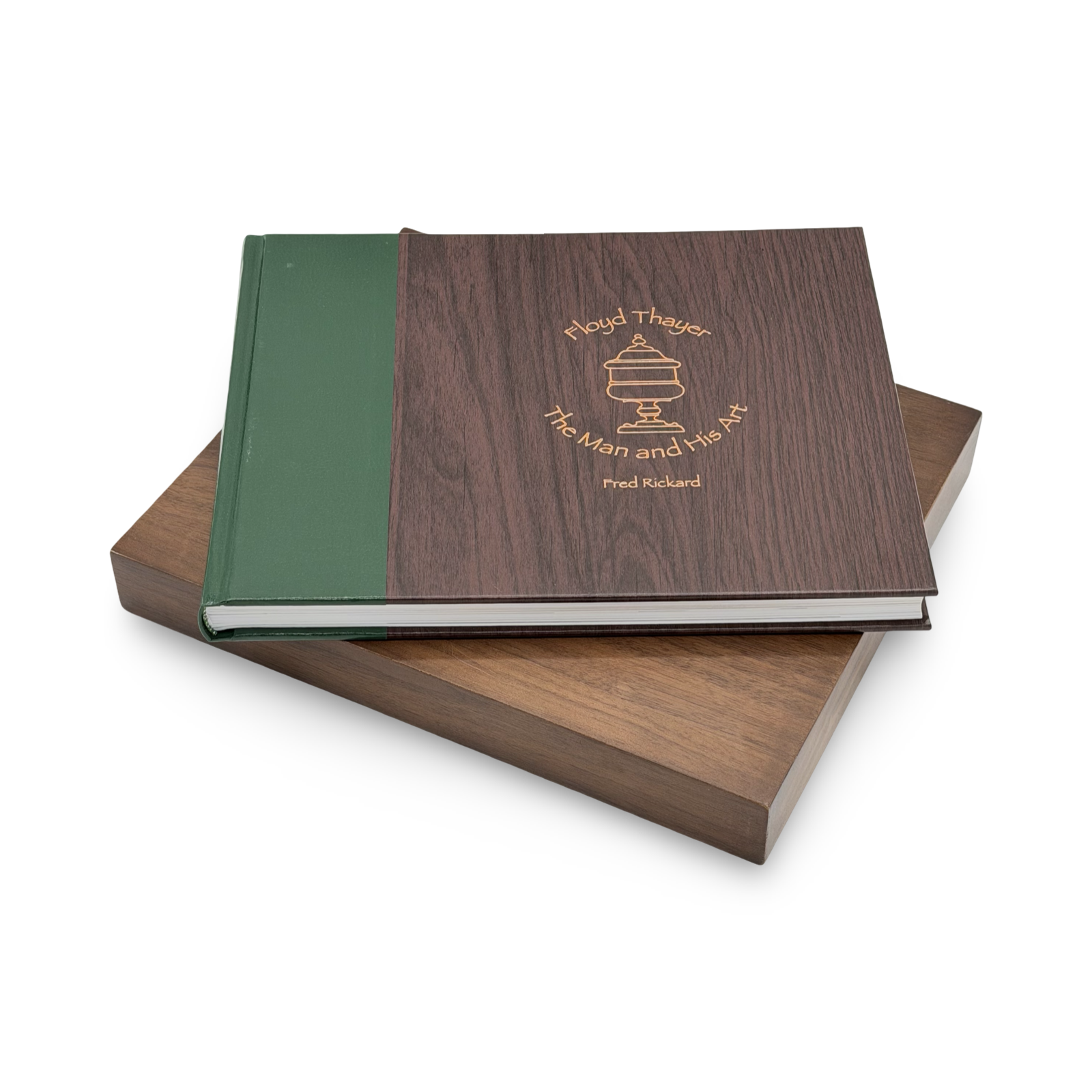
Floyd Thayer: The Man and His Art
Mike Caveney’s Magic Words, 2026. Fred Rickard’s illustrated biography of Floyd Thayer, documenting his life, work, and celebrated apparatus. Deluxe edition, no. 131 of 200, in a handcrafted walnut slipcase.
-
![]()
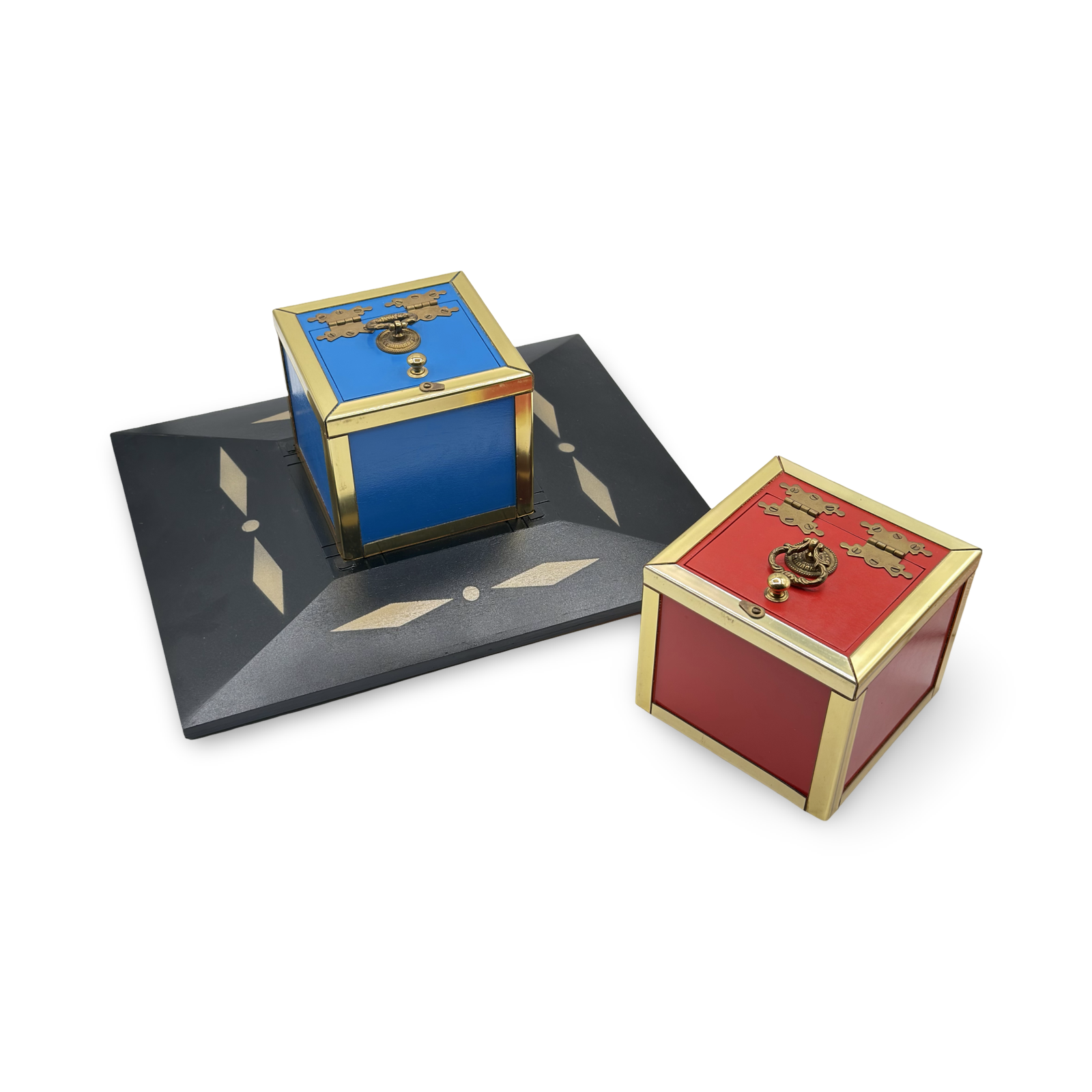
My Lady’s Ring
Watertown: Raymond Goulet and Marco Garuh, ca. 1985. A borrowed ring vanishes from one box and reappears in another, wrapped around a carnation. One of only ten sets manufactured.
-
![Silk Casket. Azusa: Owen Magic Supreme.]()
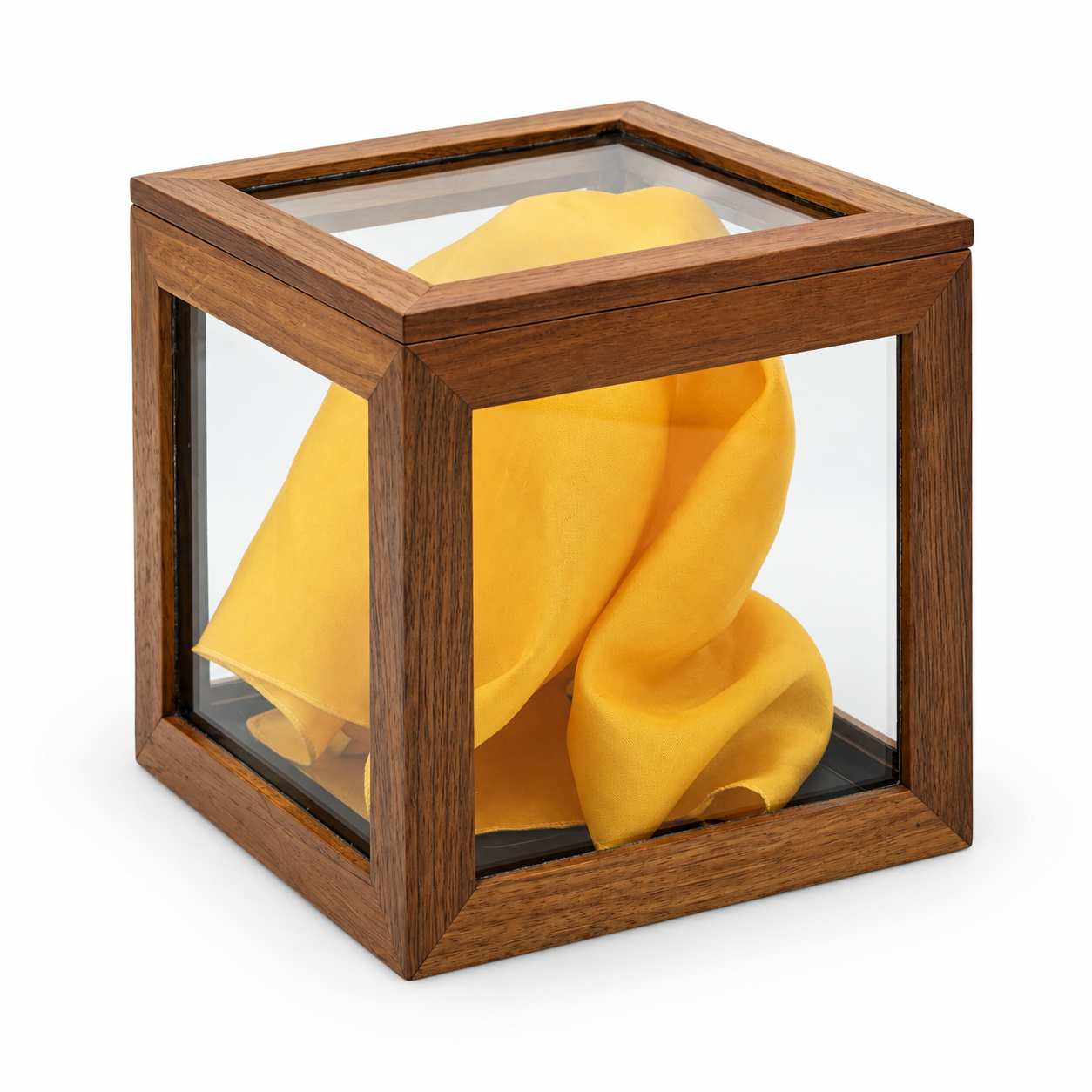
Silk Casket
Owen Magic Supreme. Glass-sided cabinet framed in exotic hardwoods and bearing the Owen hallmark. Shown empty, the cabinet suddenly becomes filled with colorful silks.
-
![Kellar’s Wizard’s Manual. Philadelphia: Royal Publishing Company, ca. 1900.]()
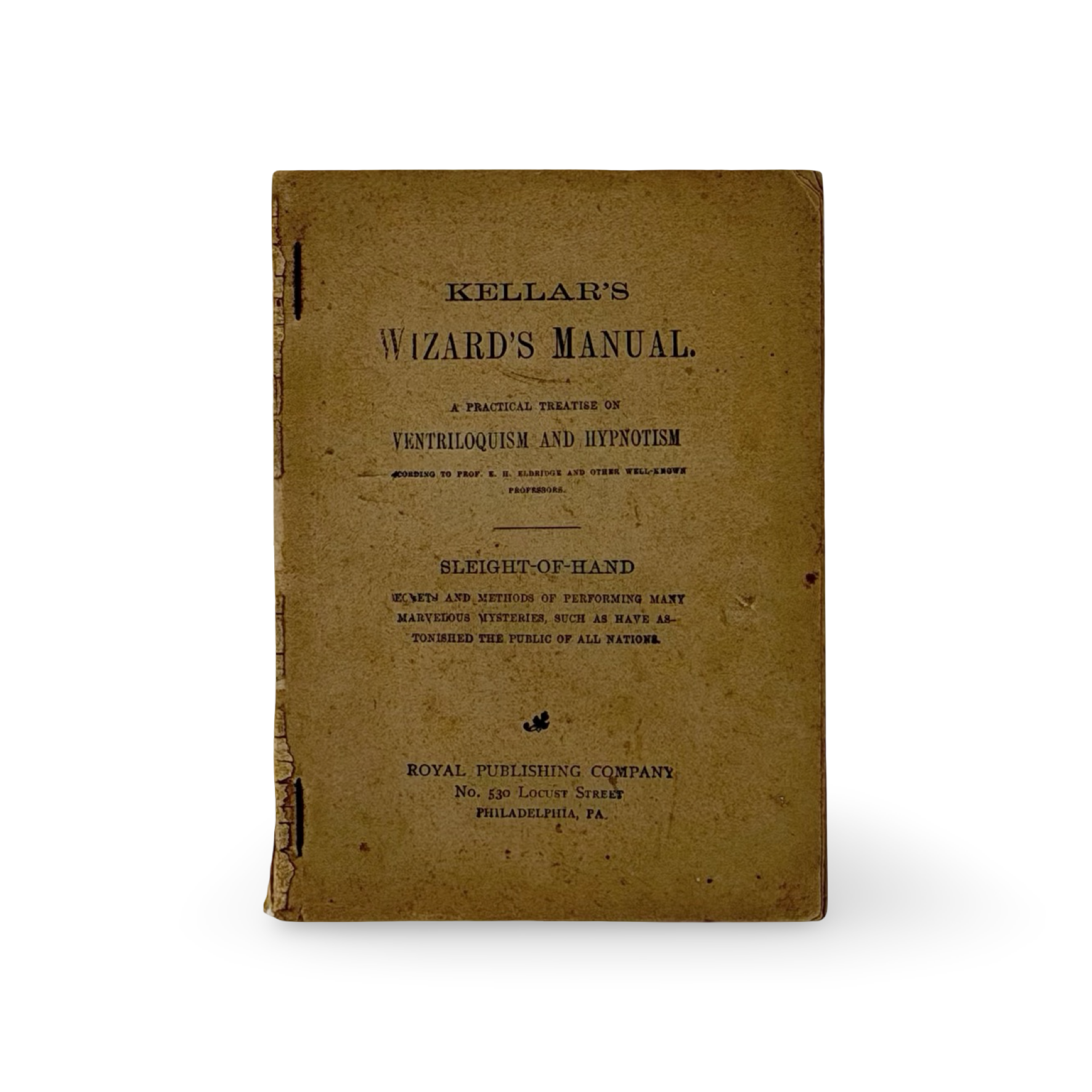
Kellar’s Wizard’s Manual
Royal Publishing Company, ca. 1900. Early instructional booklet bearing Harry Kellar’s name, covering hypnotism, sleight-of-hand, and a variety of magical effects. Interestingly, despite its title, it contains no apparent instruction on ventriloquism.
-
![Escaping Vampire. Ben Wallace, ca. 1946]()
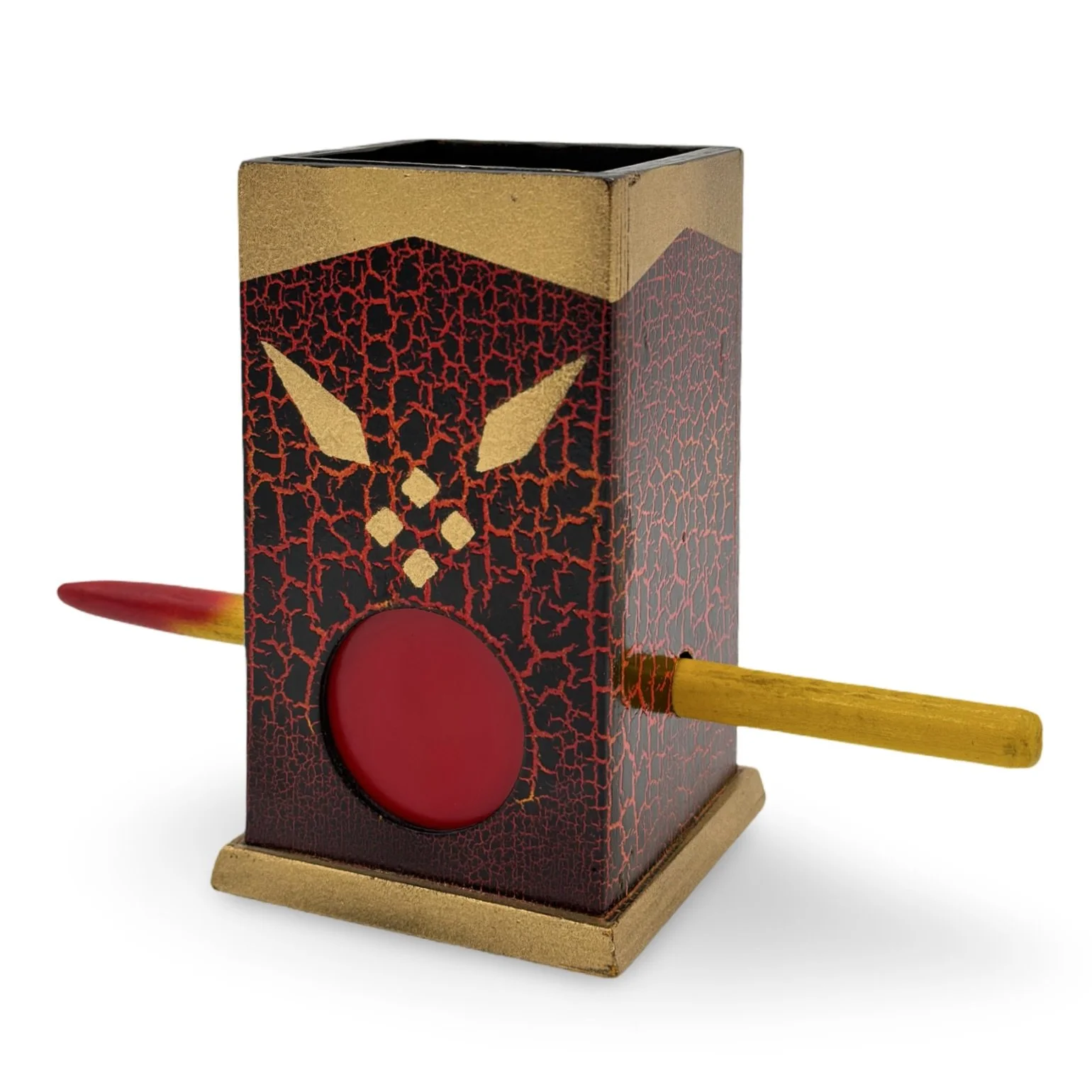
Escaping Vampire
Ben Wallace, ca. 1946. A block is placed inside a decorated cabinet and pierced through the center with a wooden stake. Despite the stake passing completely through the cabinet, the block mysteriously escapes.
-
![]()
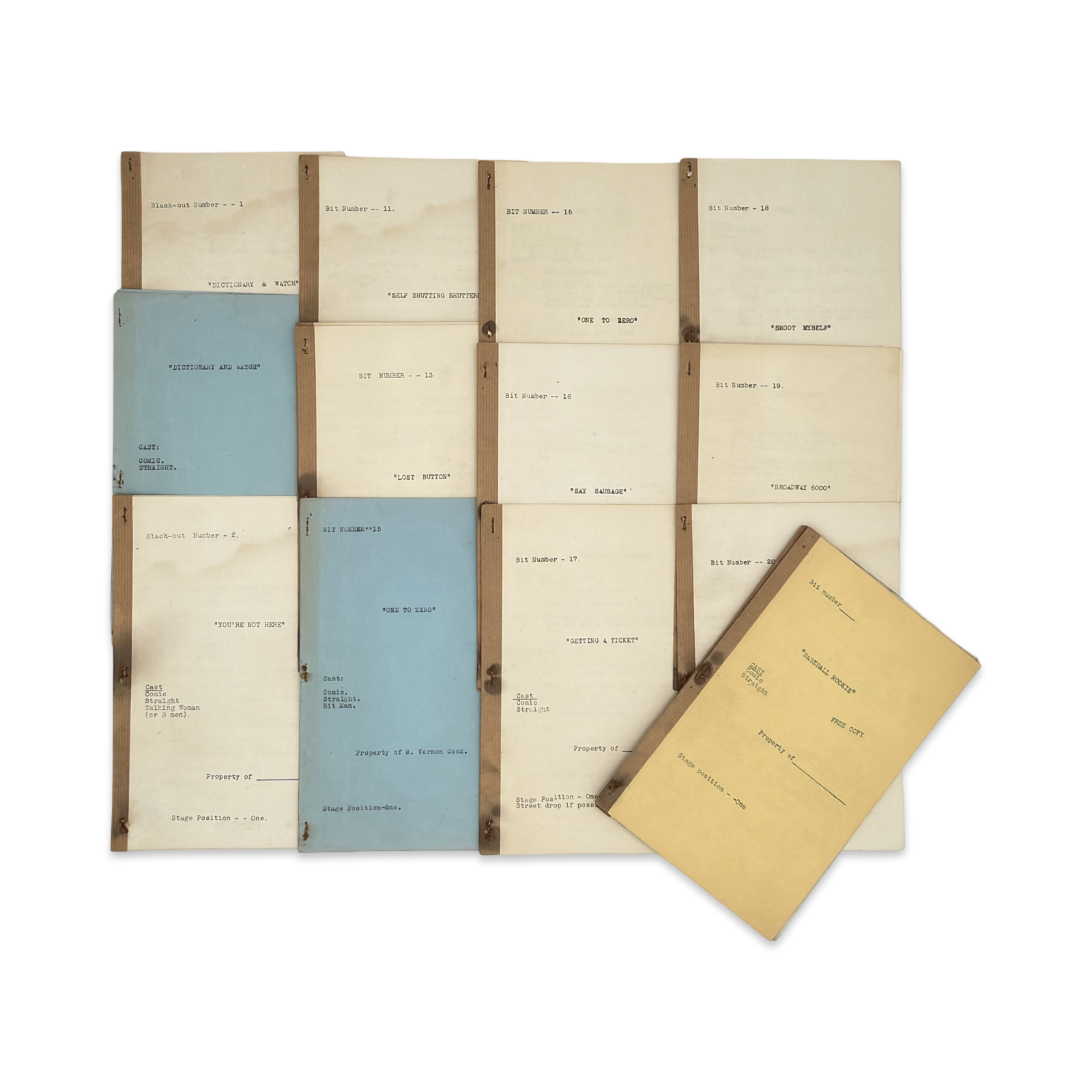
R. Vernon Cook Comedy Routines
Privately printed comic routines by magician R. Vernon Cook, dating to the 1940s. Obtained directly from Cook by the previous owner, the 17 scripts preserve a little-seen part of his performing repertoire.
-
![Red Chinese Puzzle. Alan Warner, ca. 2000.]()
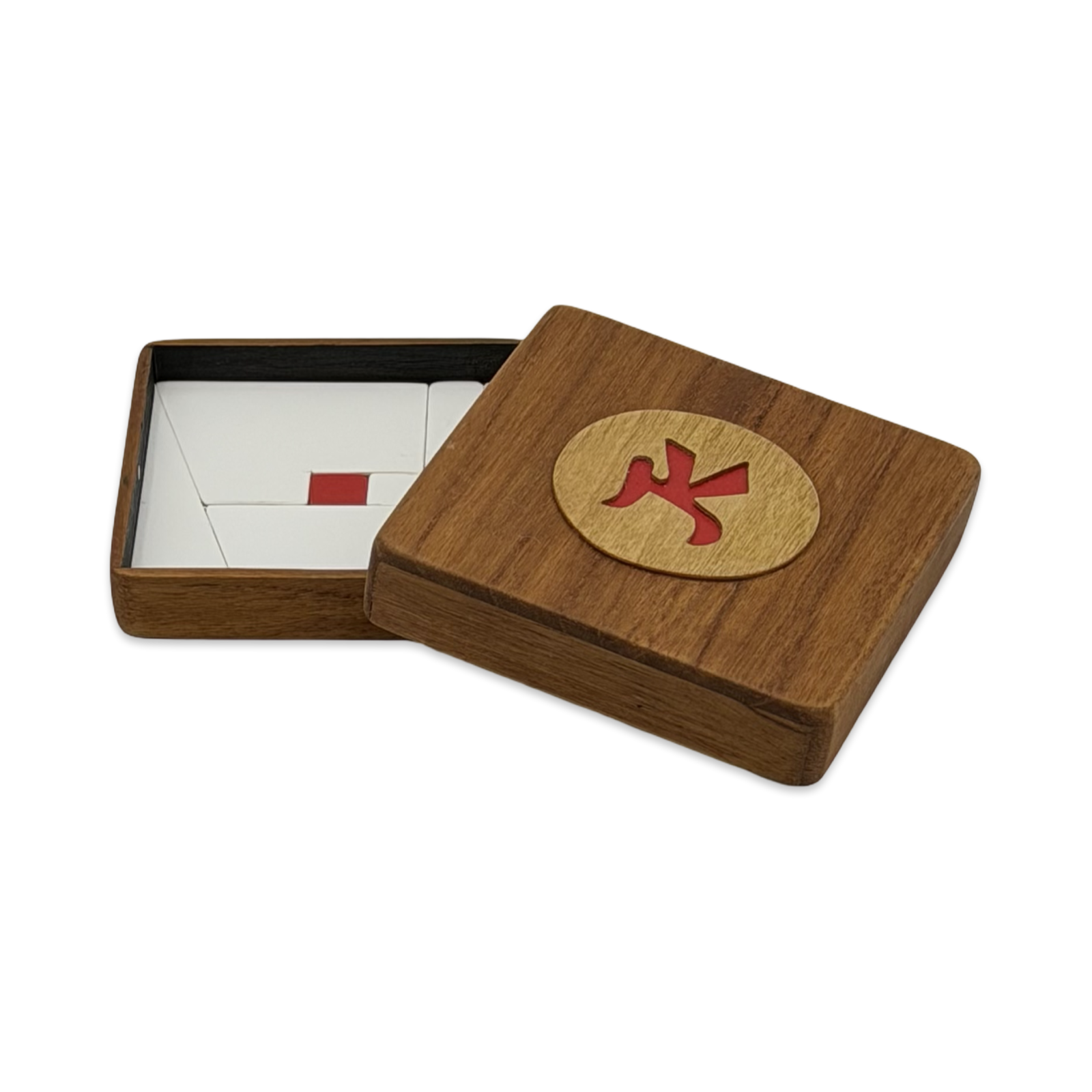
Red Chinese Puzzle
Alan Warner, ca. 2000. A finely crafted geometric puzzle in which a completed white puzzle visibly transforms to red, leaving a single space perfectly filled by the red piece left outside the box.
-
![Card Rising Table. Thayer, ca. 1930.]()
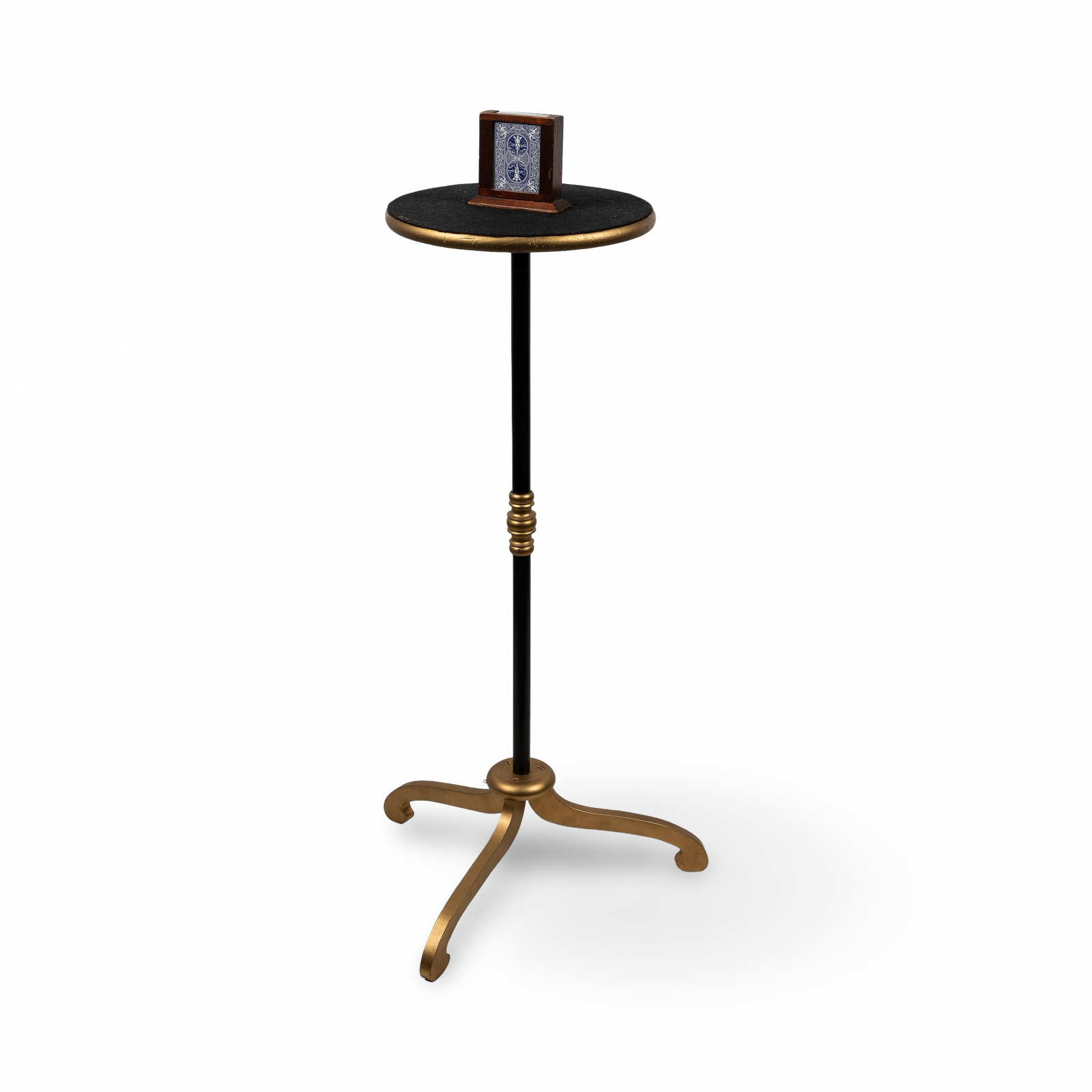
Card Rising Table
Thayer, ca. 1930s. Selected cards rise from a wooden houlette resting on the tabletop while isolated from the performer.
-
![Enchanted Rabbit Hutch. Owen Magic Supreme, ca. 1950s]()
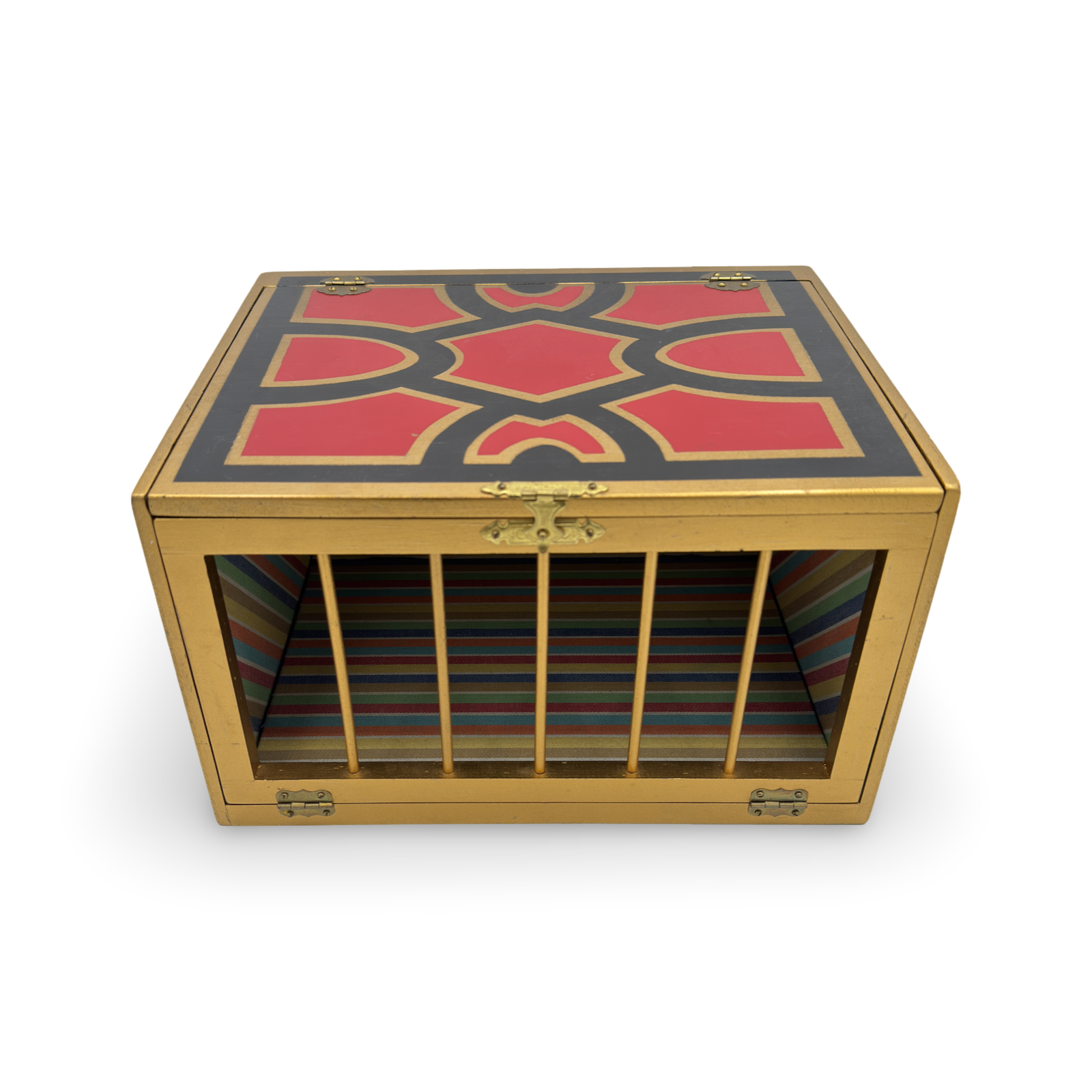
Enchanted Rabbit Hutch
Owen Magic Supreme, ca. 1950s. A classic production apparatus: an open-front cage is shown unmistakably empty, yet in an instant a live rabbit appears within.
-
![20 Best Card Secrets. Mephisto Novelty Company, Los Angeles, 1936.]()
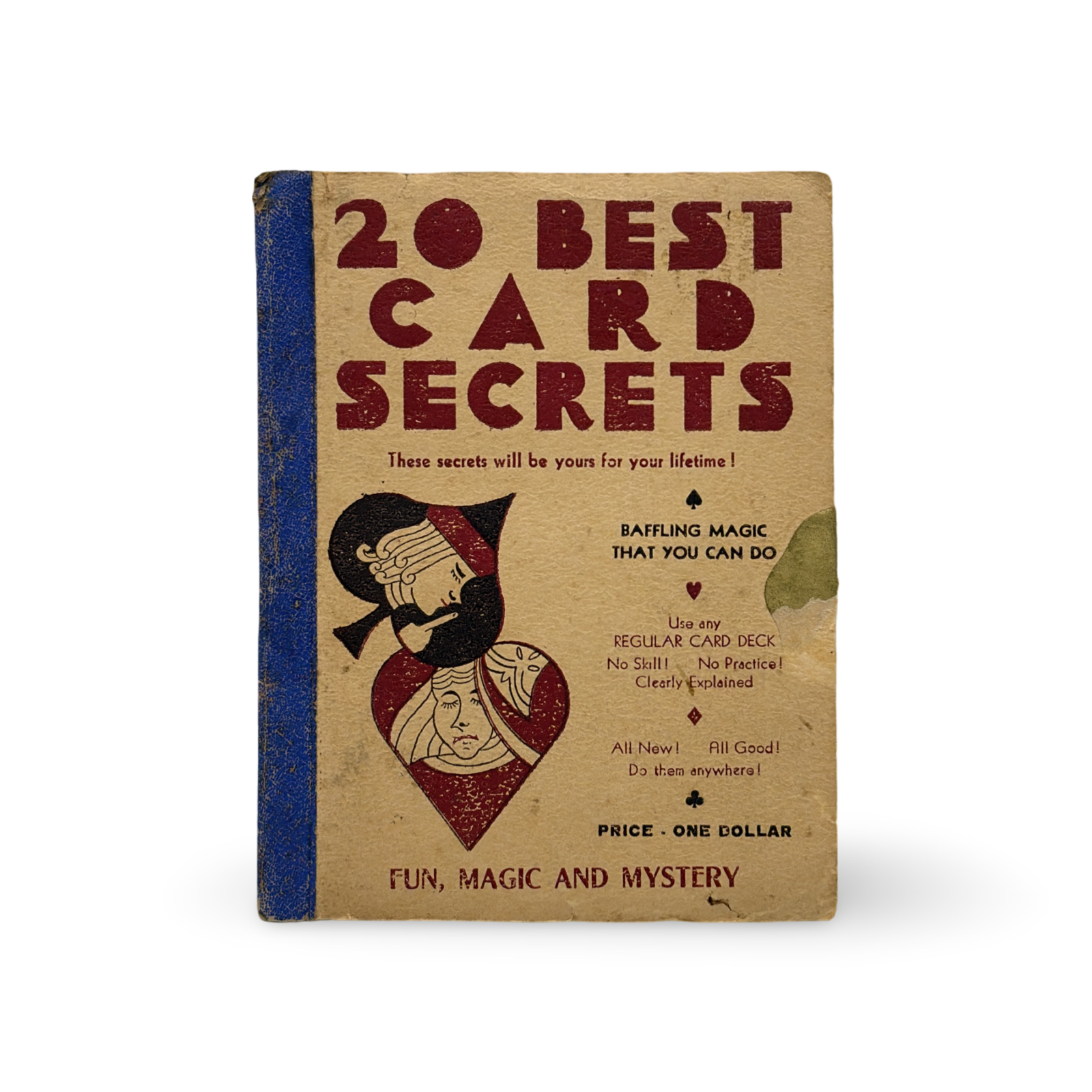
20 Best Card Secrets
Mephisto Novelty Company, 1936. Small-format booklet of card effects using a regular deck. Illustrated paper covers with bold court card design. 56 pages in pocket-sized softcover format.
-
![]()
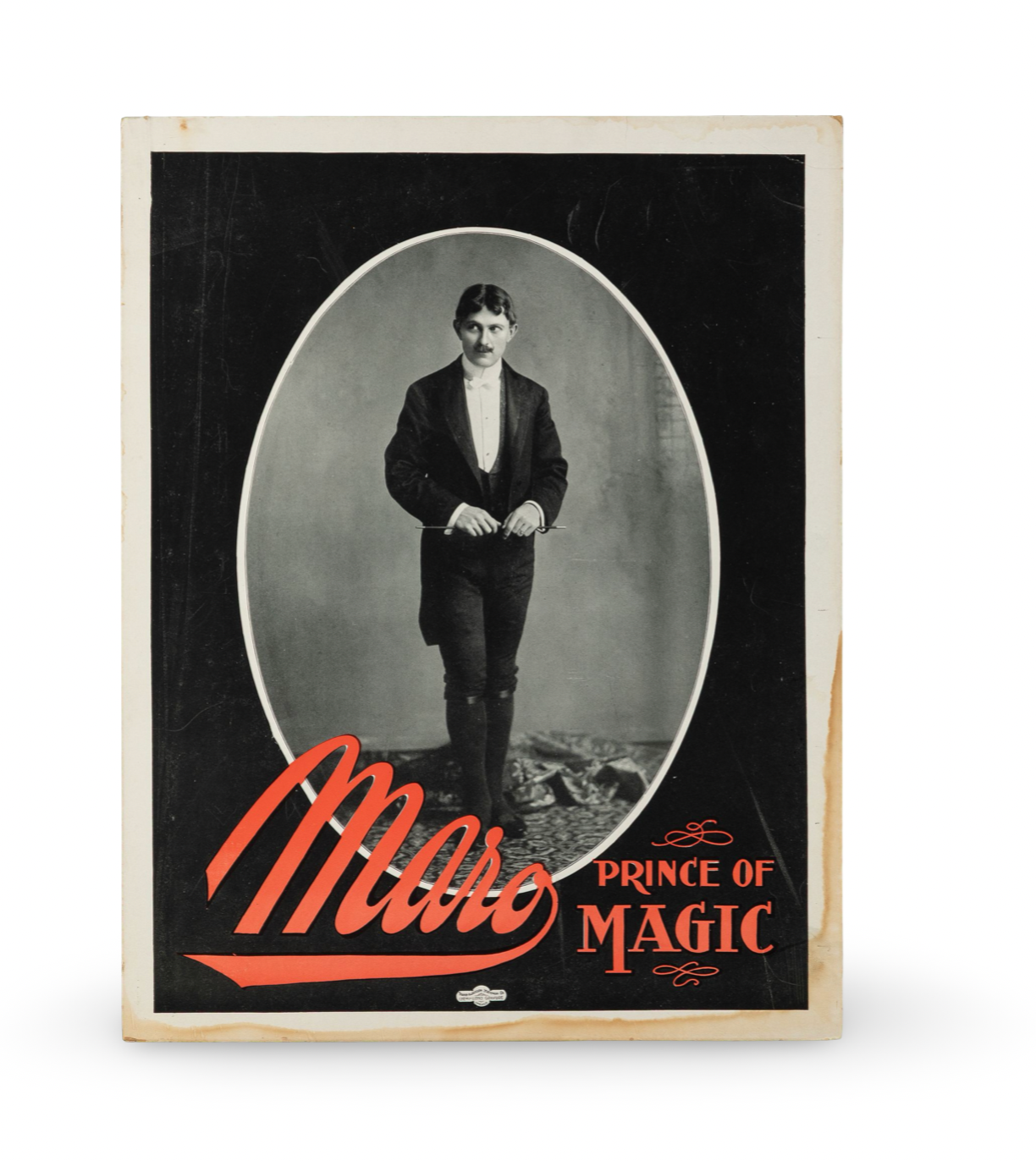
Maro, Prince of Magic
Thayer & Jackson, Chicago, ca. 1905. Window card printed in black, white, and red, featuring an oval full-length portrait of Maro holding a magic wand above the bold "Prince of Magic" title.
-
![Chinese Sticks- Silent Mora (Louis McCord), 1953]()
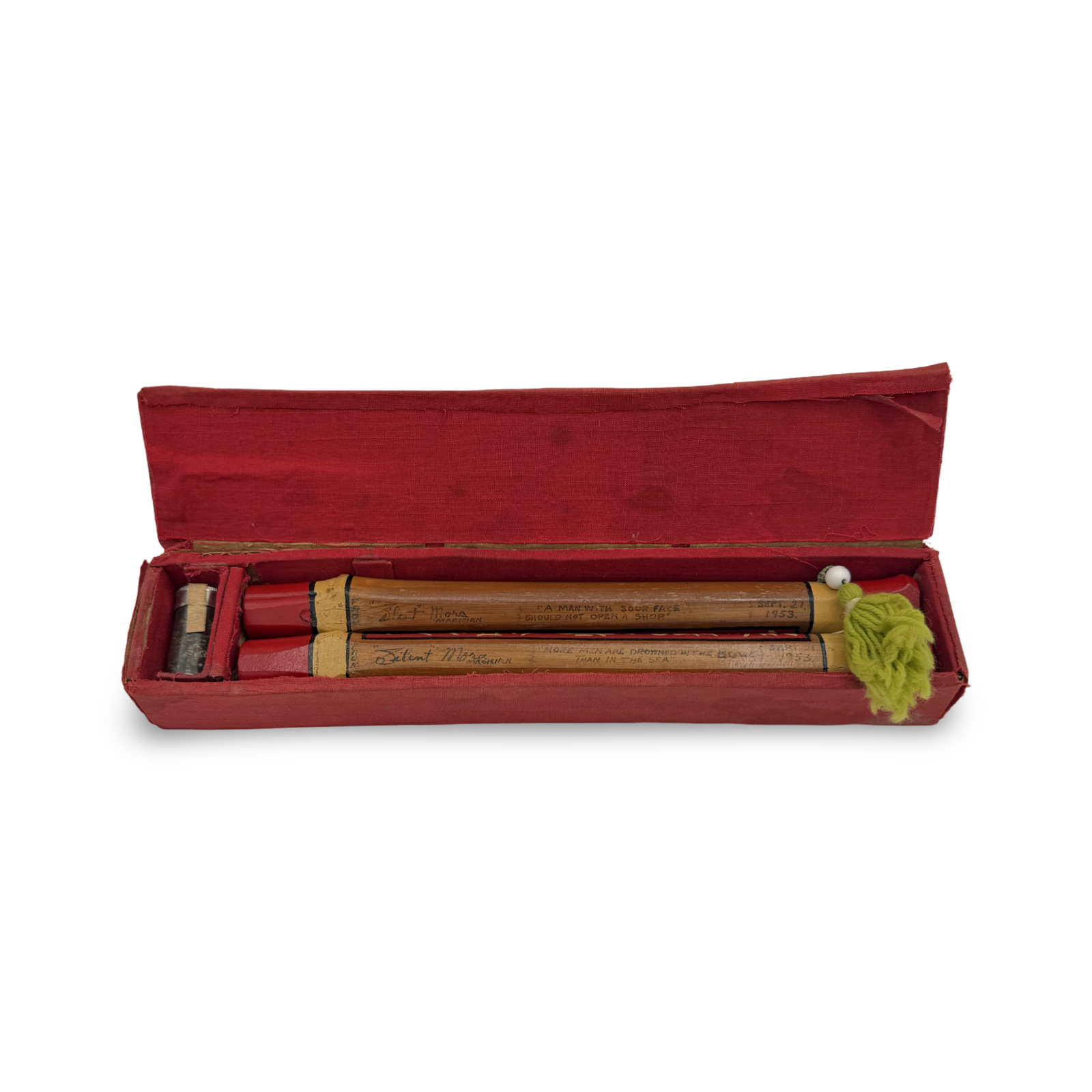
Chinese Sticks
Silent Mora (Louis McCord), 1956. A classic sympathetic-cord illusion in which the cords running through each bamboo stick mysteriously respond to one another. Hand-made and hand-painted by Silent Mora.
-
![]()
Knife-Er
Abbott's Magic, ca. 1970. A knife is thrown at a young lady standing before a target. The knife visibly passes through her body lodging in the bull's-eye behind her.
-
![Phenix]()
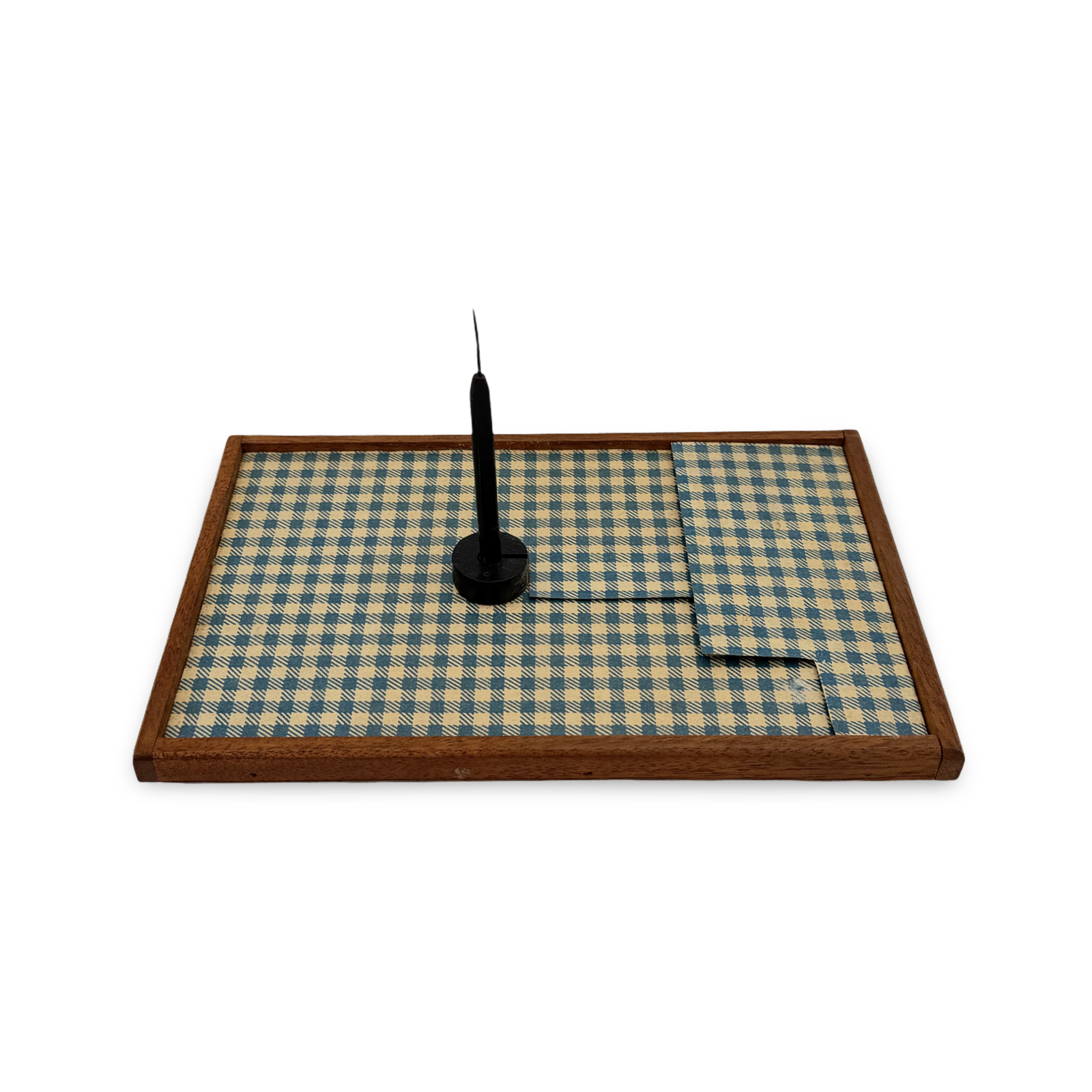
The Phenix
E.J. Moore, ca. [?]. Inspired by Egyptian mythology, the Phenix—the legendary bird said to rise from its own ashes—serves as the basis for this effect. A marked strip of paper is placed on a staff, burned, and instantly restored.
-
![Bird Box, after Martinka]()
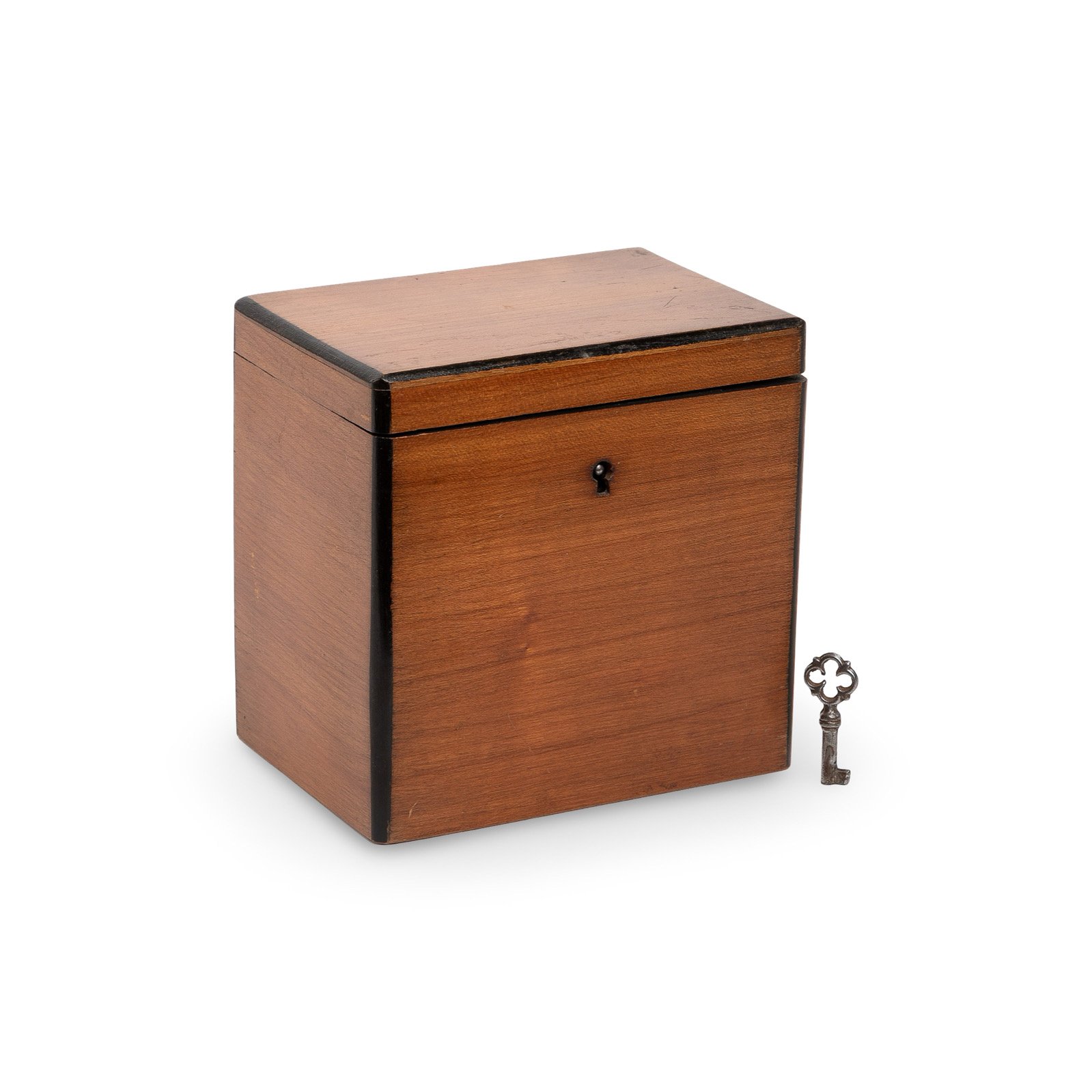
Bird Box
After Martinka & Co., ca. 1890s. A selected card is placed into a finely crafted wooden box, its lid gently closed. Moments later, when reopened, the card has vanished—only to be replaced by a live bird.
-
![]()
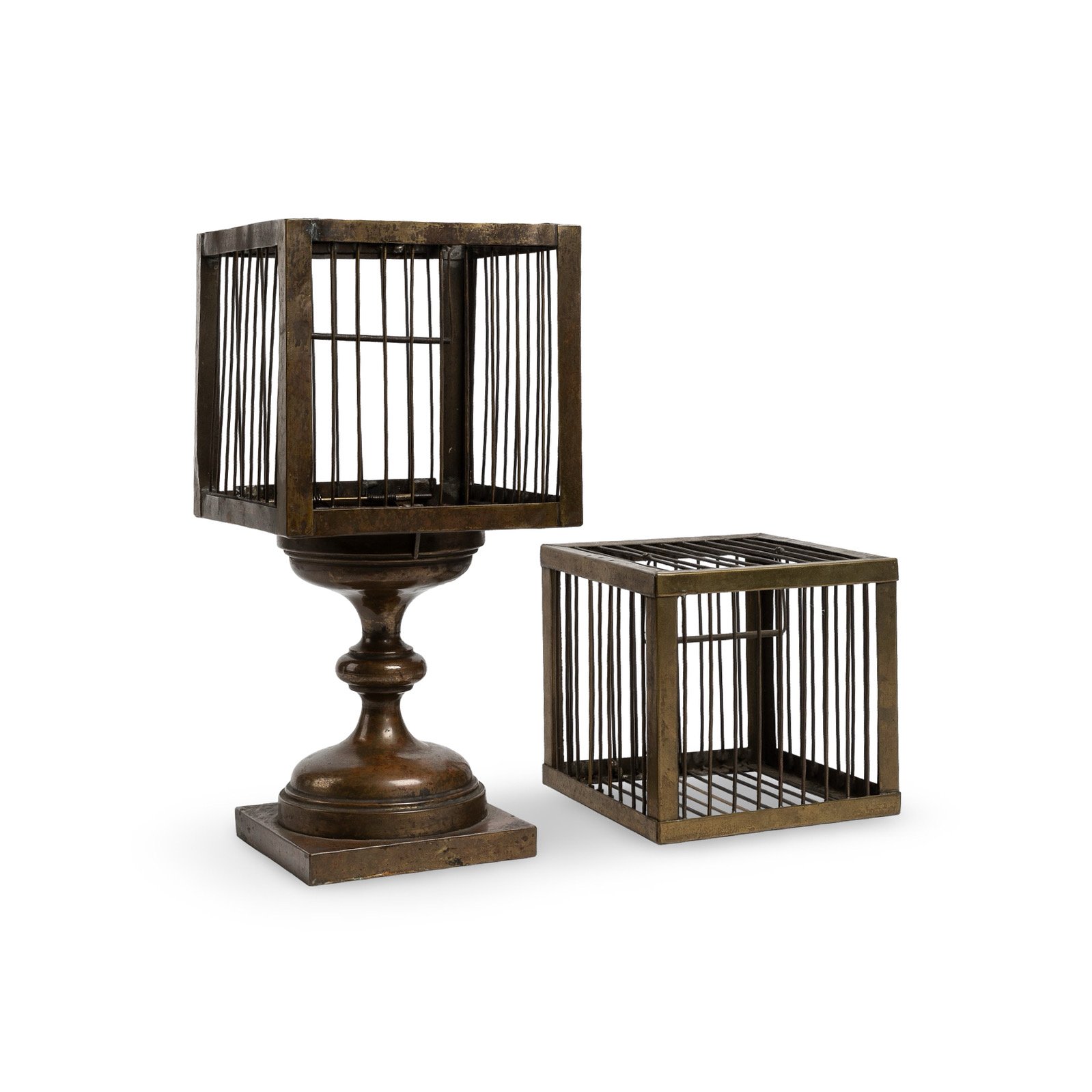
Flyto Cage
Turn-of-the-century magic apparatus featuring a brass cage that vanishes beneath a handkerchief, only to reappear instantly—and in full view—within the open frame of a skeleton stand on the magician’s table.
-
![]()
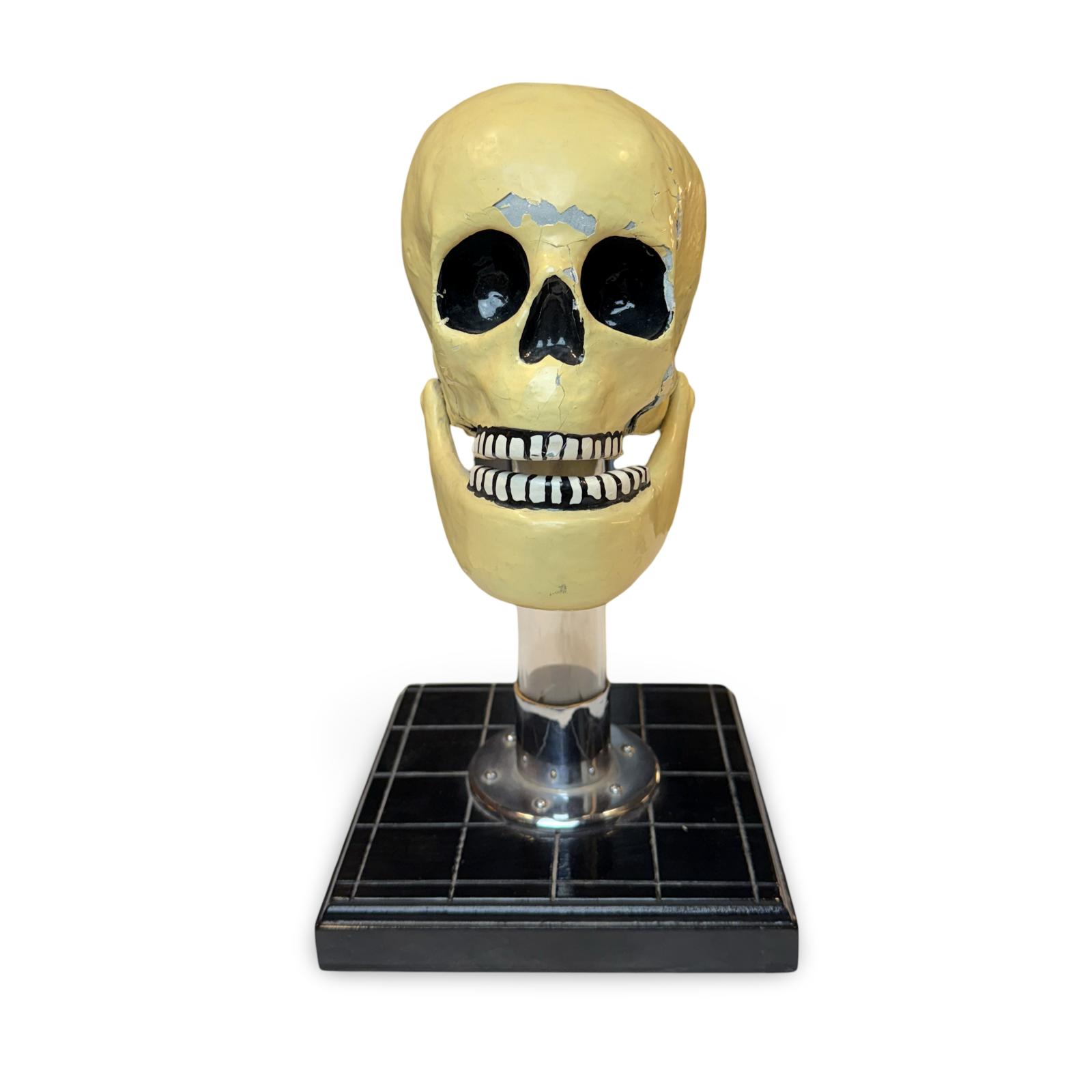
Talking Skull, Dawes Collection
Papier-mâché skull mounted on a glass column atop a wooden plinth clicks its jaw in answer to questions, once for “yes” and twice for “no.”
-
![]()
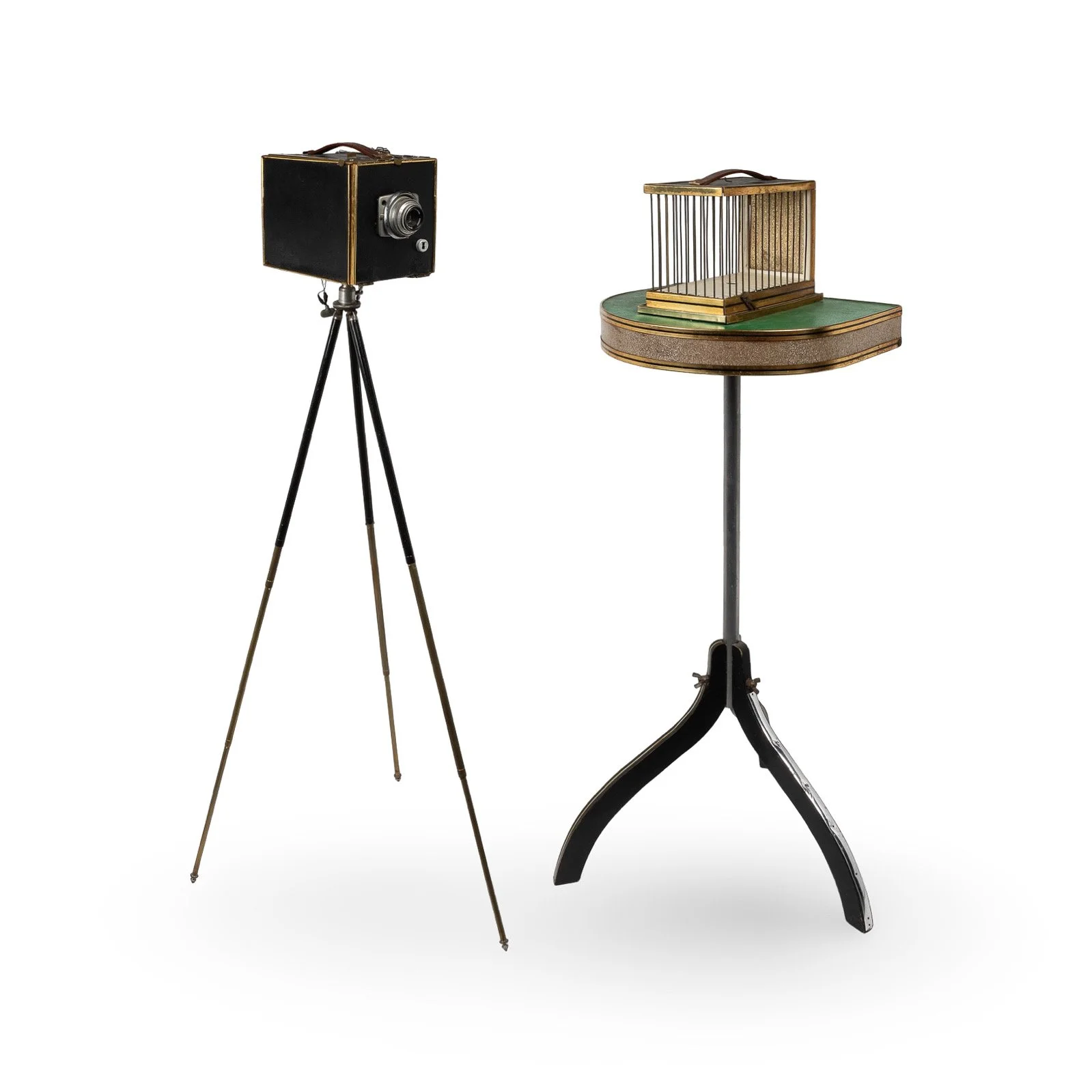
Bird Camera
Jack Hughes, ca. 1960s. A rare Hughes creation in which a live dove vanishes when the magician snaps a photograph-only for the camera itself to instantly transform into the very cage containing the bird. This is the only known example.

These pieces aren’t currently offered in the shop, but if something catches your eye, we’d be happy to hear from you.