
Search The Magic Shop
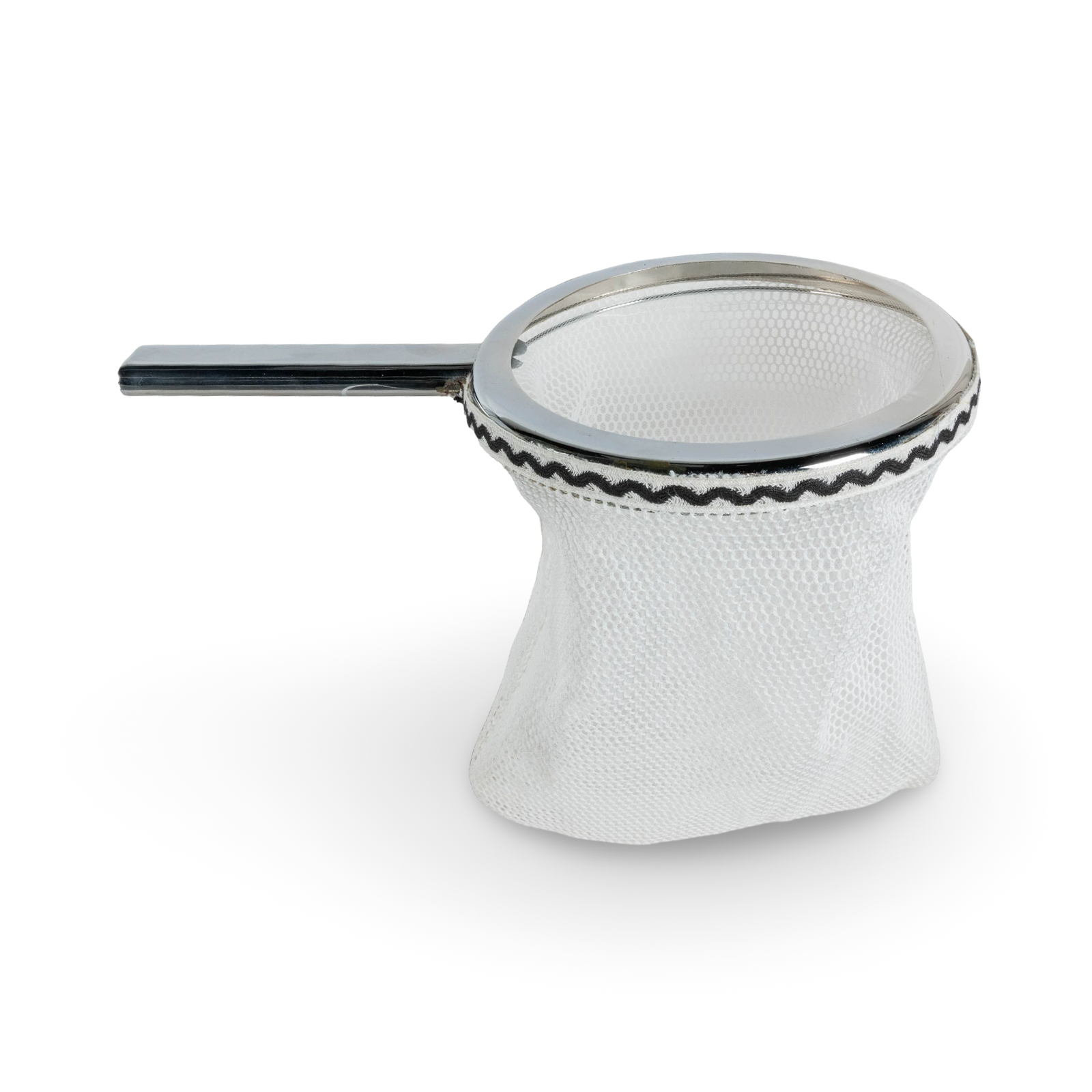
The Perfect Net Bag. The Amazing Kreskin Collection. Guy Bavli, Israel, ca. 1990s.
An uncommon forcing bag constructed of white mesh with a chromed metal handle. The bag is shown empty before a collection of billets, bills, or chips is introduced, yet the performer can control the spectator’s selection. Approximately 14 inches long. Includes original instructions, accessories, and zippered carrying bag. From the collection of The Amazing Kreskin. Previously sold at Potter & Potter Auctions in August 2025. Very good condition.
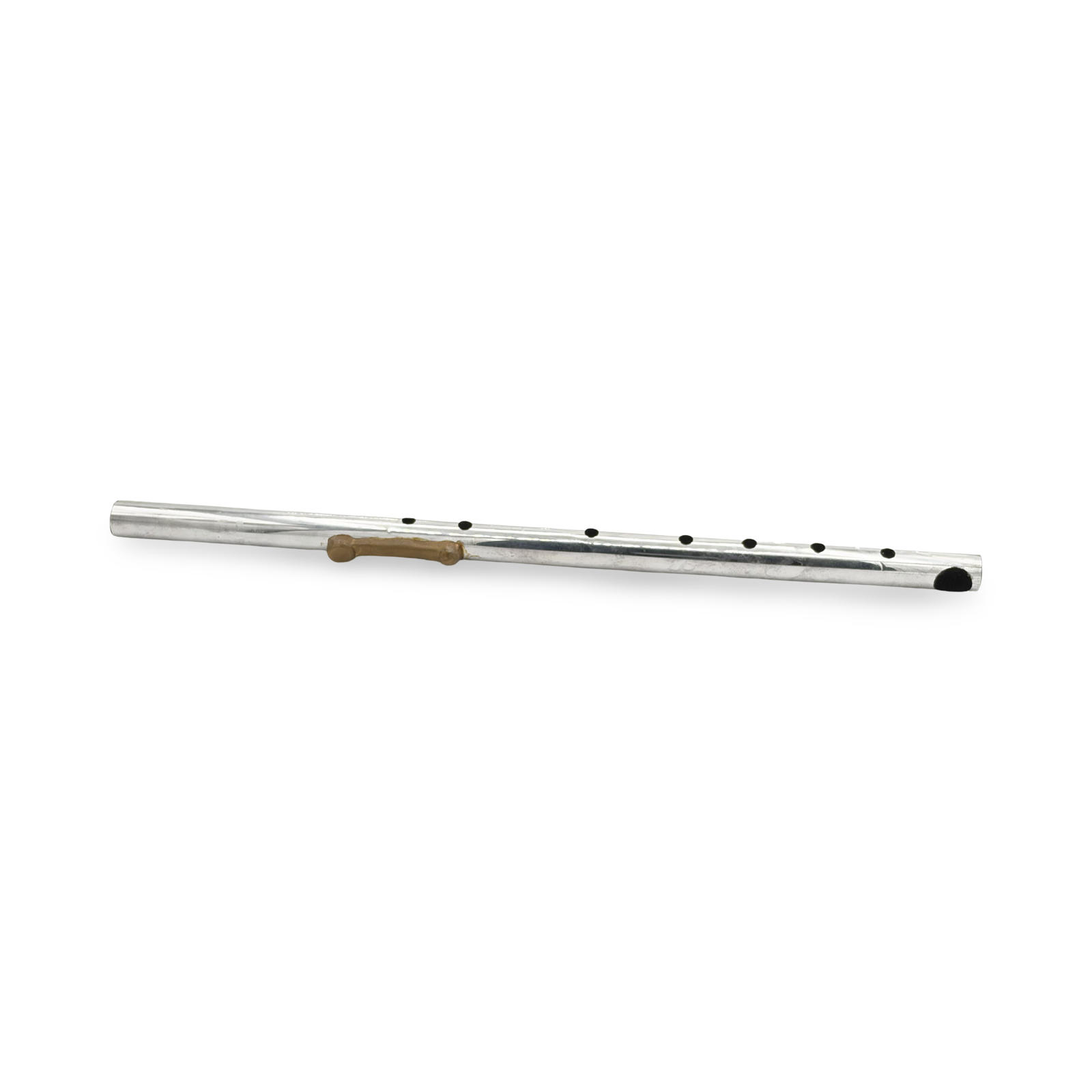
Floating Flute. Tannen’s Magic, New York.
Lightweight imitation flute designed to rise from its case and float freely about the magician, moving up, down, and around the performer before returning to the case. Includes original black carrying case. Shows wear from age and use. Requires restringing. No instructions included.
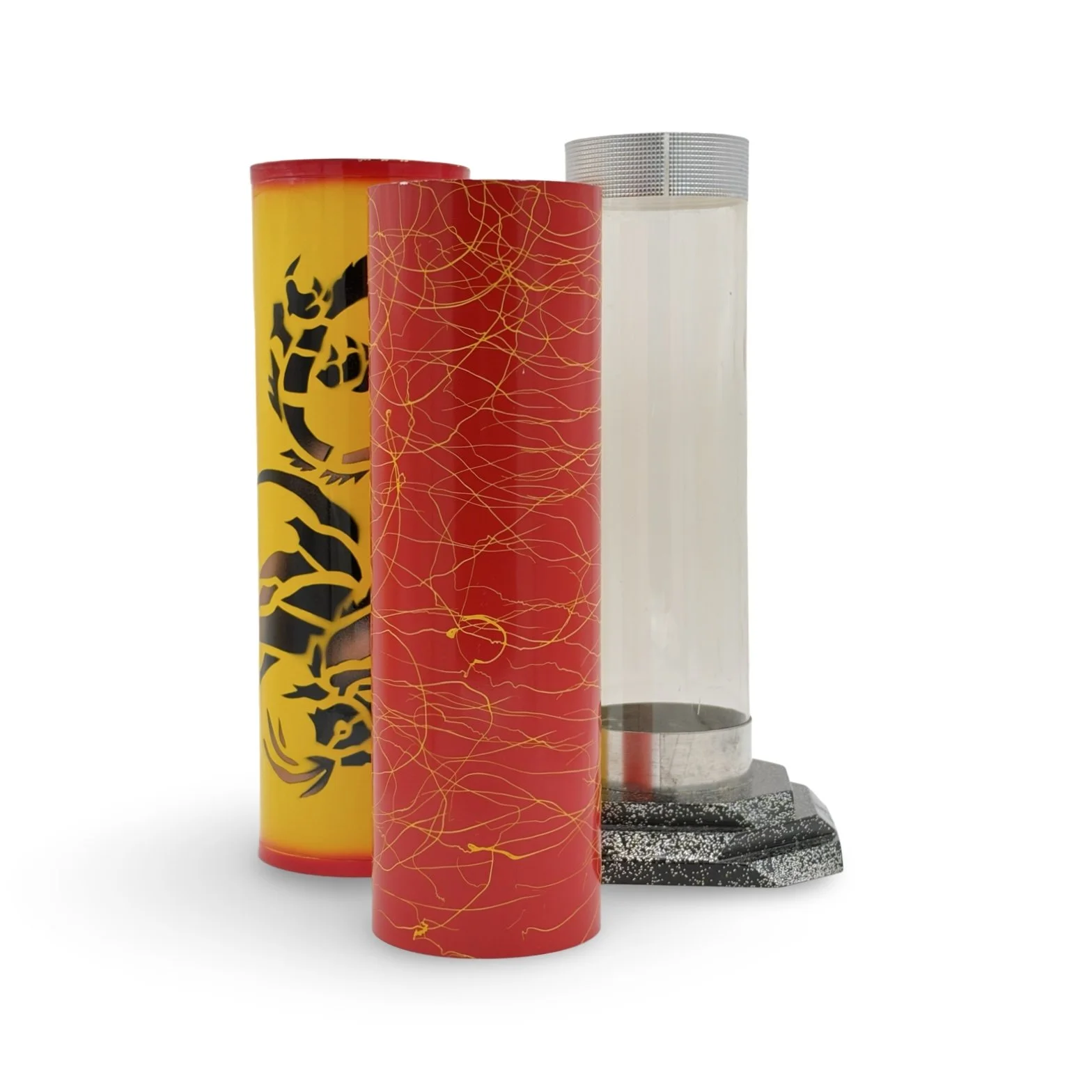
Crystal Silk Cylinder. MAK Magic, Columbus, Ohio, ca. 1980s–90s.
U. F. Grant's classic silk transformation effect, manufactured by MAK Magic. Silk handkerchiefs are placed into a transparent cylinder and covered with a decorated metal tube. When the cover is removed, the silks have vanished or transformed into other objects. Includes the Crystal Silk Cylinder Addition accessory, designed by Bob Rettew, Sr., allowing the performer to show the covers empty before and after the transformation. Accompanied by instructions for both the original effect and the addition. Minor wear; very good condition.
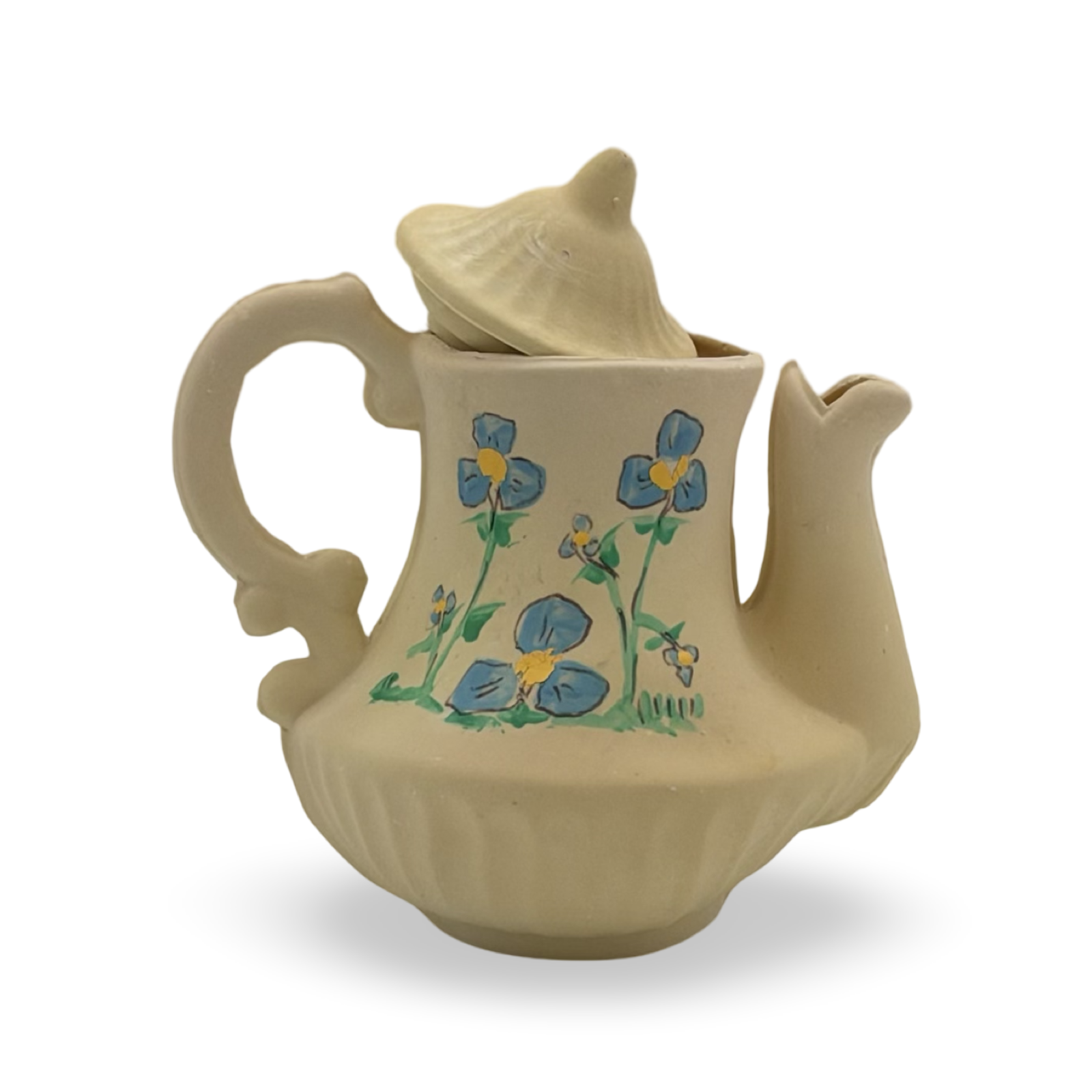
Enchanted Teapot. Attributed to Bruce Martin, ca. 1990s.
Painted latex teapot from which water is poured into four glasses, changing to red, green, blue, and yellow. Four corresponding colored silks are then produced from the teapot, after which the pot may be crushed and vanished. Approximately 5 1/2" tall with lid. Includes four colored silks and original instructions. Very good. Attribution courtesy of George Robinson, Viking Magic.
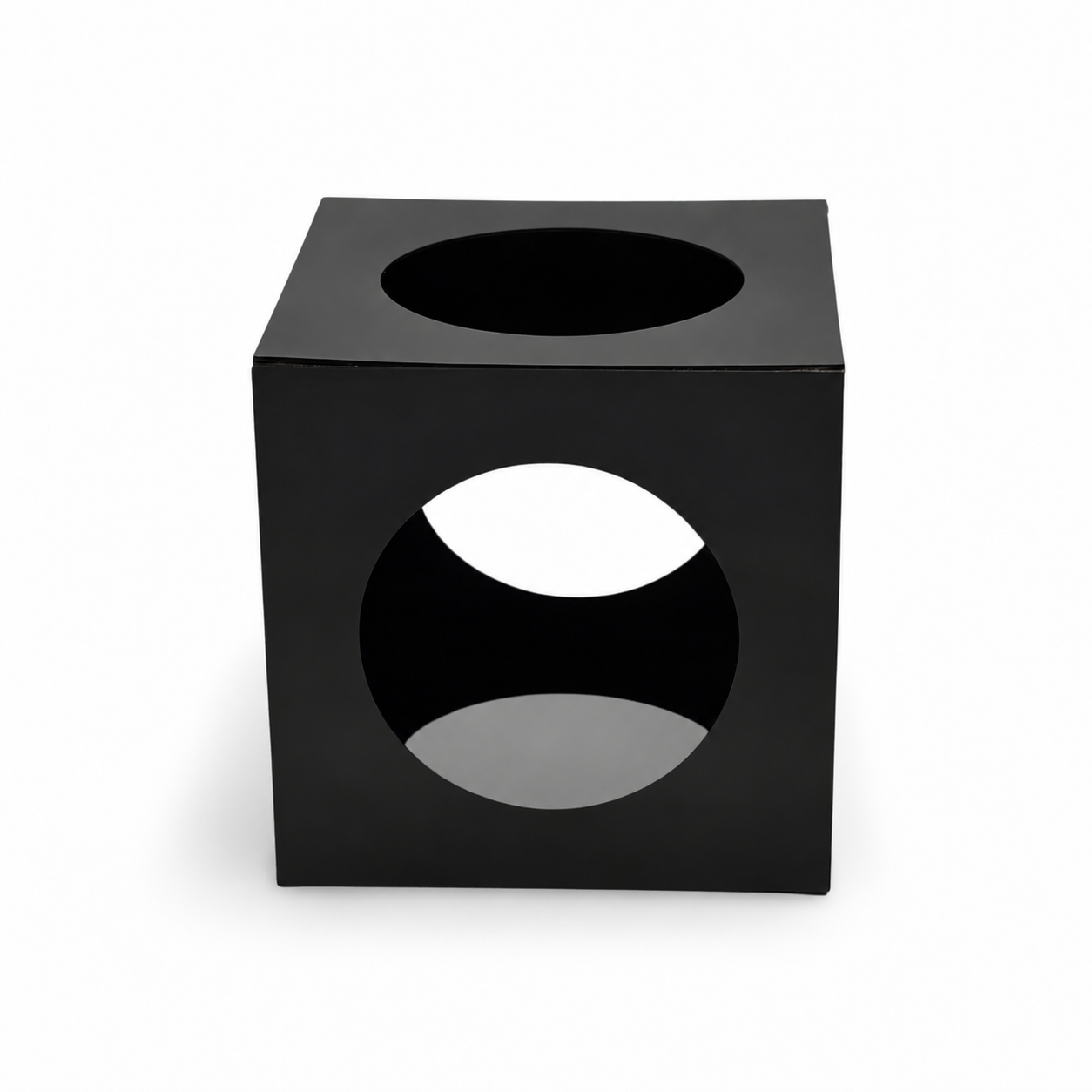
New Folding Mirror Box. Trick Company, Japan. Created by Tsuyoshi Nojima.
A folding version of the classic Mirror Box, created by Tsuyoshi Nojima and manufactured by Trick Company of Japan. The black box is shown empty through large openings on its sides and top, after which silks, streamers, flowers, or other small articles may be produced from within. Includes the original illustrated instructions. Very good condition with light wear from use.
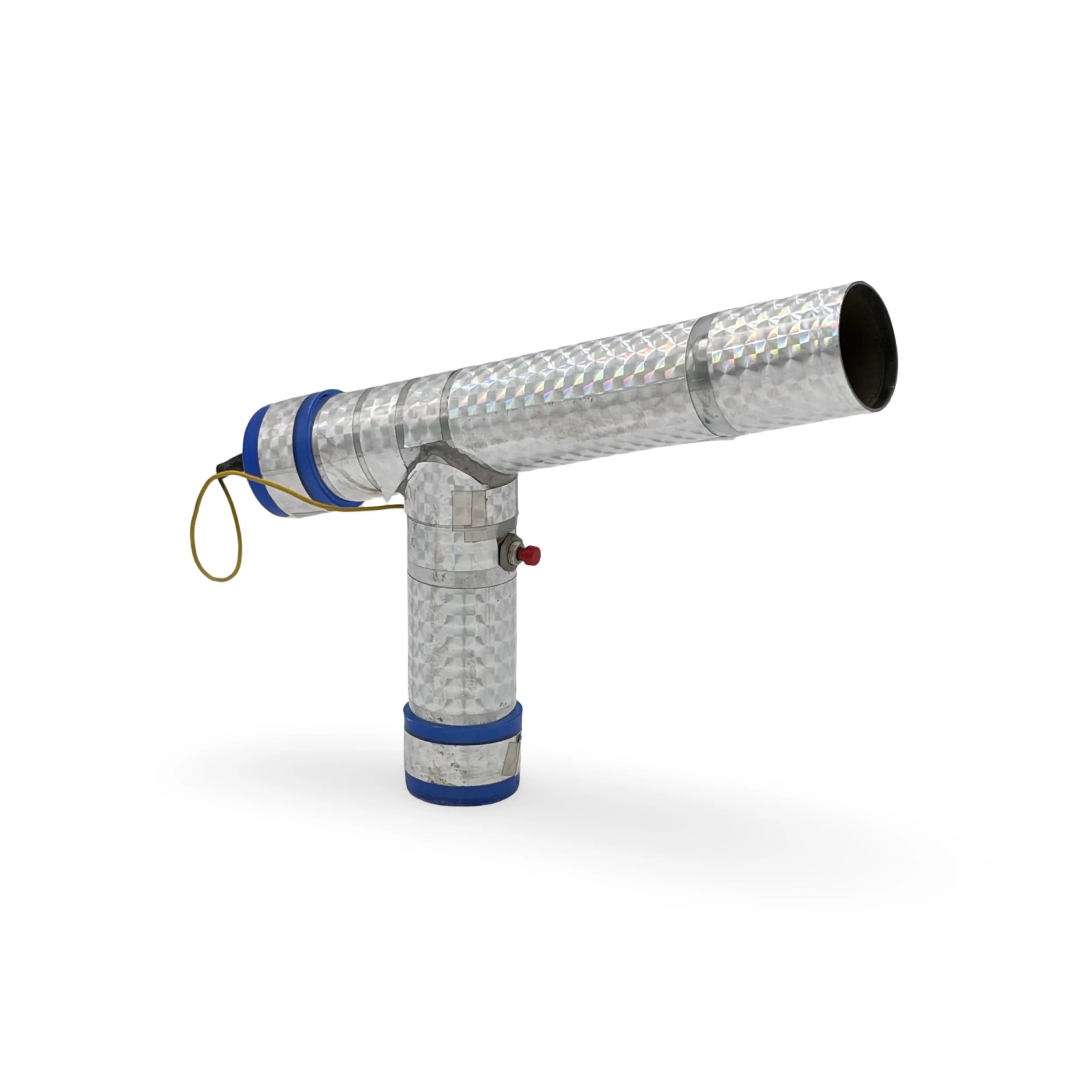
Cosmic Blaster. South Bound Brook, New Jersey: Theatre Effects Inc., ca. 1980s.
A futuristic stage prop designed to produce a dramatic burst of confetti from the barrel when fired. Constructed in a reflective silver finish with blue accents and a push-button trigger. Includes the original Theatre Effects instructions and a spare fuse. Shows wear from age and use, including surface marks and discoloration. Untested functionality.
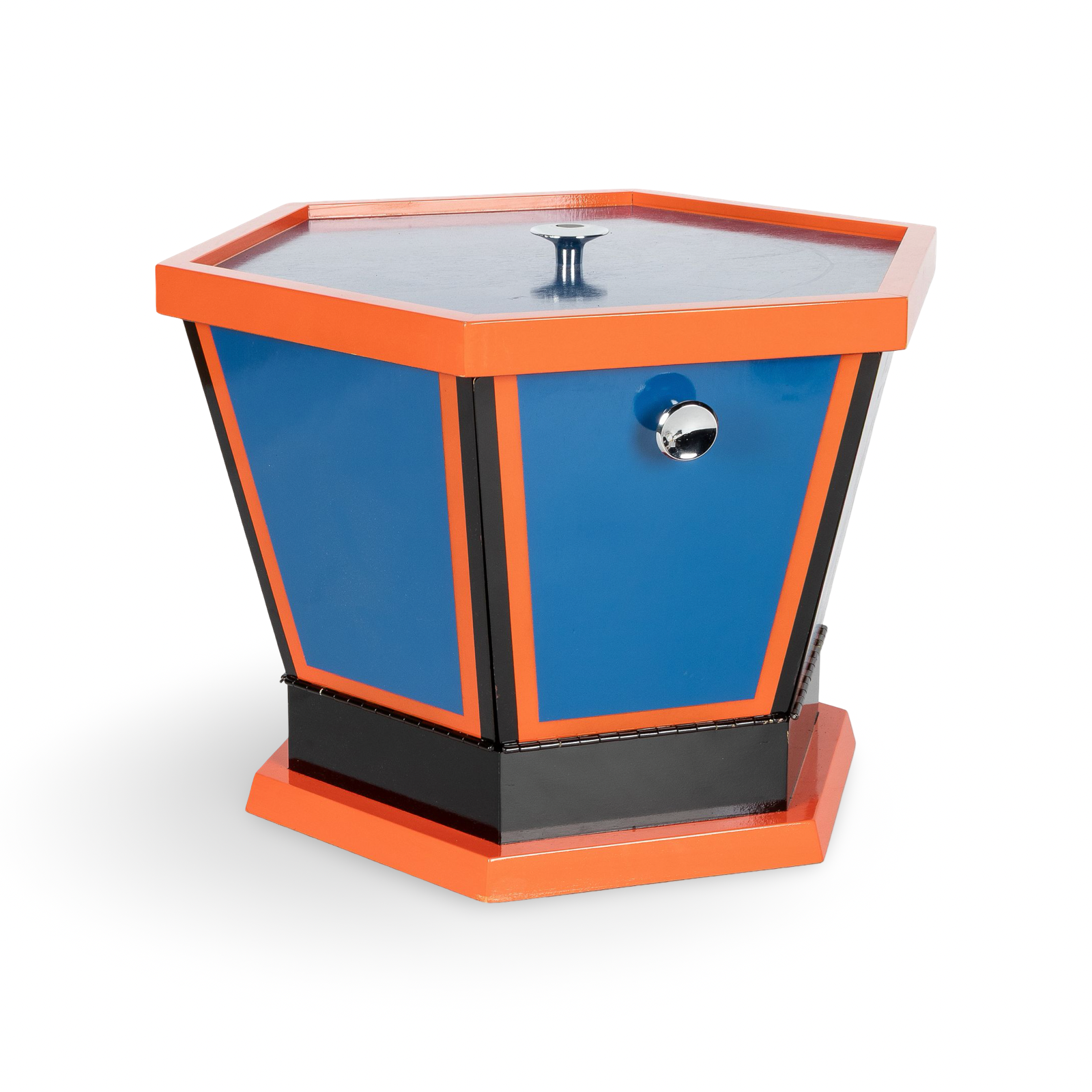
Protean Mystery. Azusa: Owen Magic Supreme, ca. 2000.
Six-sided livestock production cabinet in which a dove transforms into a rabbit, small dog, parrot, or other suitable load. Lifting the lid releases the sides, which fall open to reveal the transformation. Finished in brightly colored lacquer with chrome hardware. A substantial piece measuring 21 × 18 × 14½”. Designed for tabletop use or attachment to a separate base, not included. As new.
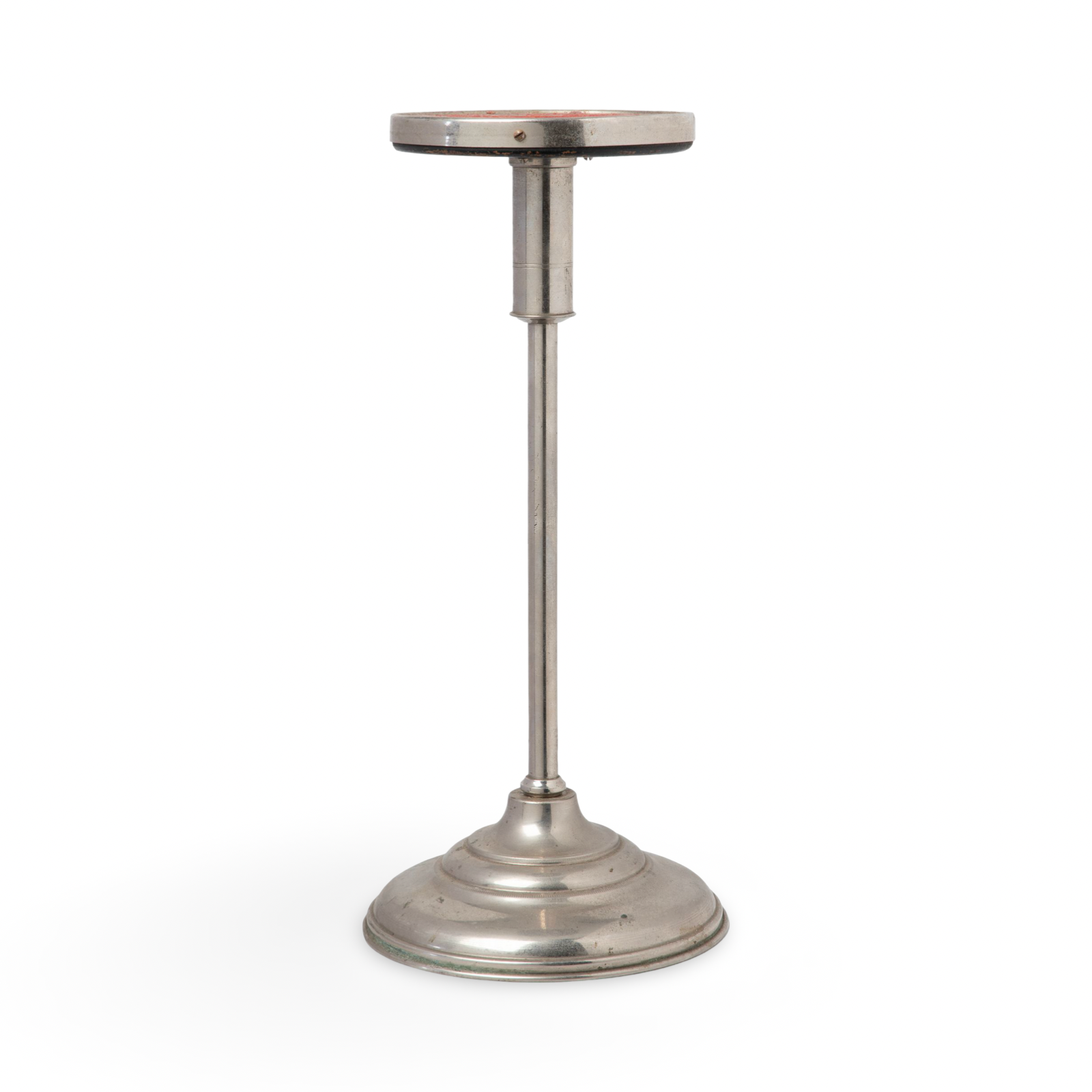
Handkerchief Pedestal. Berlin: Conradi, 1920s.
Nickel-plated pedestal cleverly gimmicked to secretly introduce a silk handkerchief into a tumbler resting atop the stand. The concealed mechanism is manually operated by the performer. A large and substantial example of this classic piece of Conradi apparatus. Measures 13 ½” high. Wear to the fabric-covered surface on which the glass rests; otherwise very good condition.
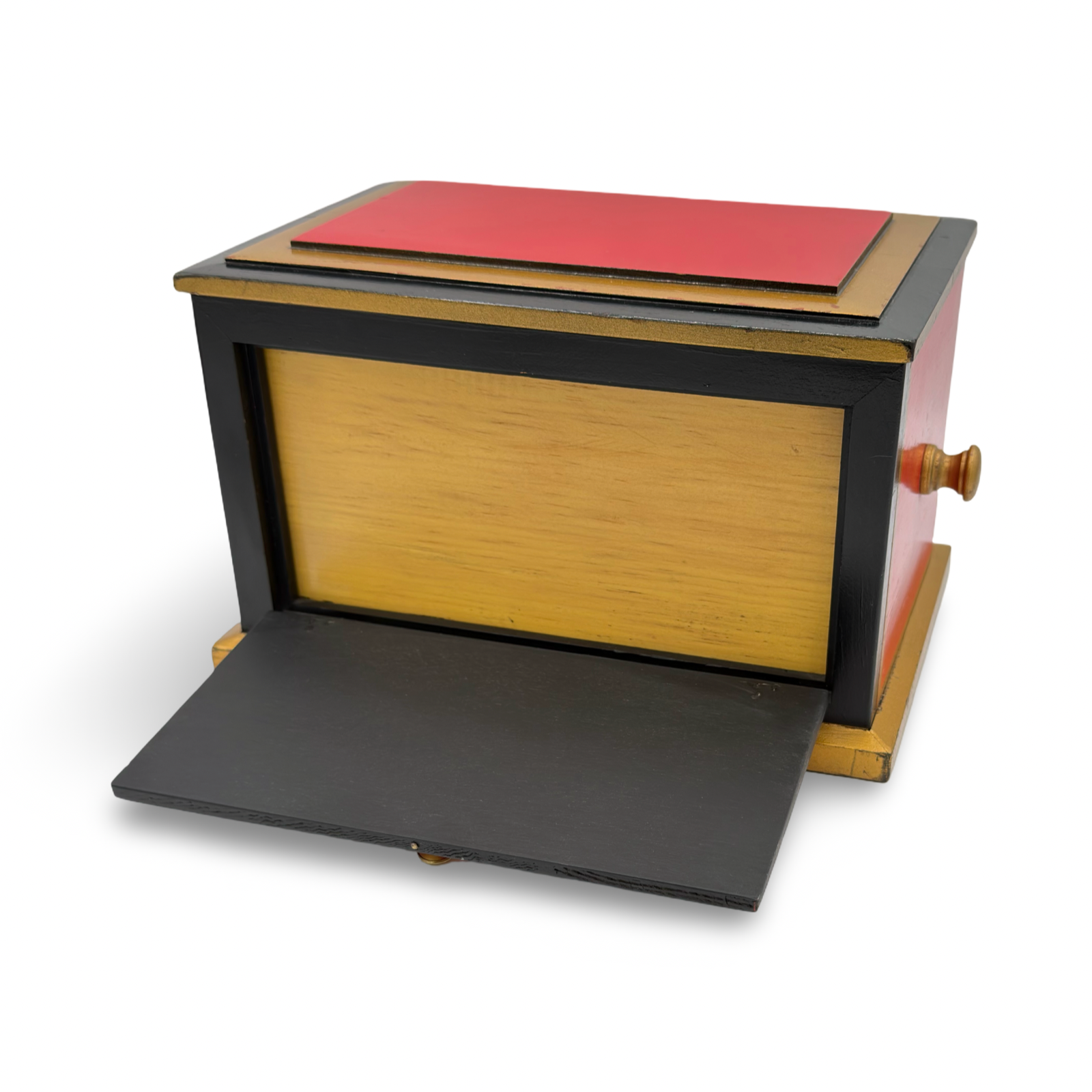
Sesame Drawer Box. Owen Magic Supreme, Azusa, California, ca. 1970.
A large drawer is removed and shown empty, then returned to the cabinet. When withdrawn again, it is filled with a production of the performer’s choosing. The sides and rear of the cabinet open, allowing the interior to be displayed before the production.
Wooden construction finished in Owen’s characteristic red, black, and gold. Measures approximately 11 x 7.5 x 6.5". Shows wear consistent with age and use. Some hinges appear to have been replaced. Good to very good condition.
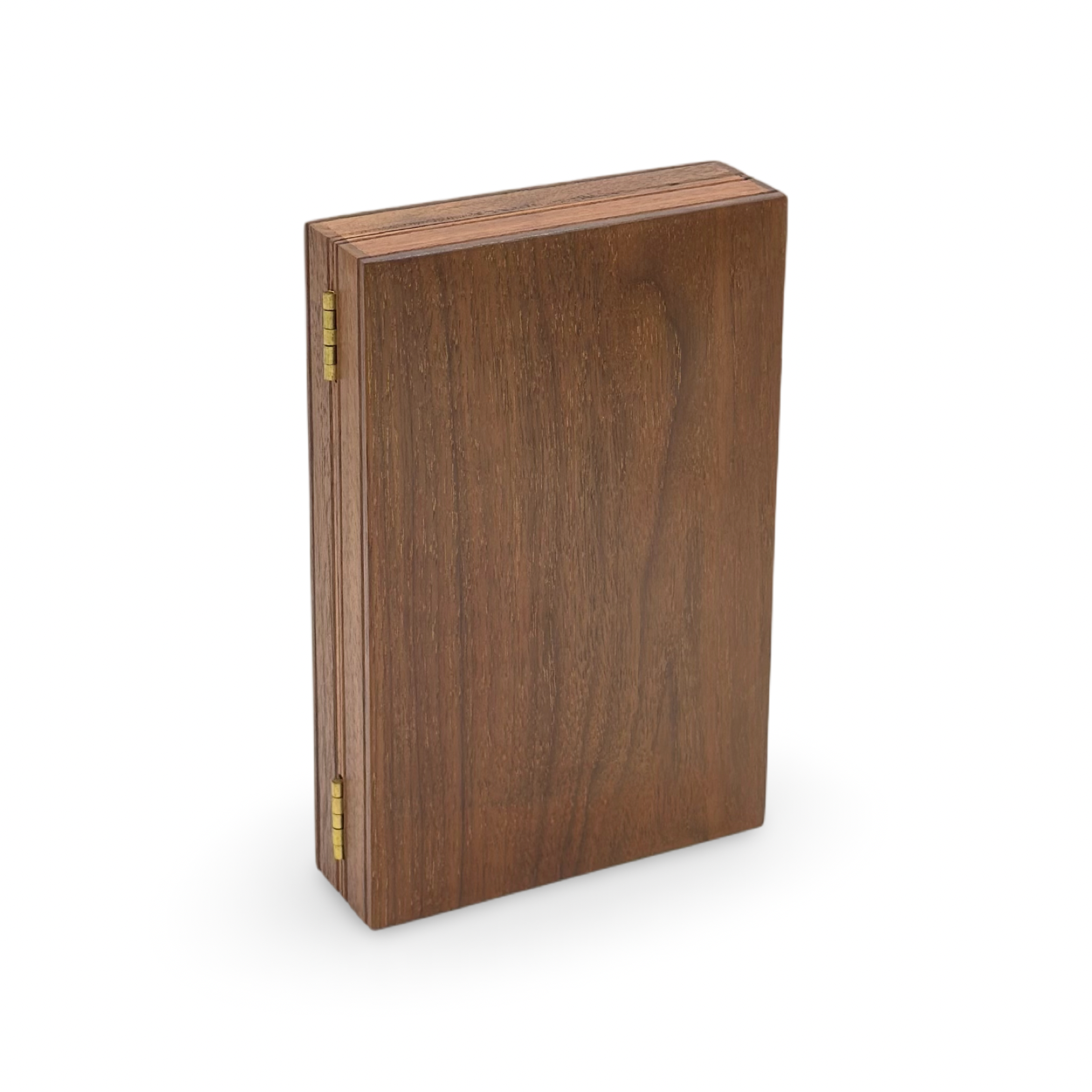
Jumbo Locking Card Box. Green River, Utah: Bill Adams’ A World of Magic, ca. 1990s.
Handcrafted hardwood locking panel box designed for the production, vanish, or exchange of jumbo playing cards and other objects. The secret panel may be locked into either side of the box, allowing for a variety of routines. Finely constructed with brass hinges and walnut finish. Measures approximately 8 x 5½ x 1¾".
Includes original printed instructions, dated 2001 by hand, with a handwritten note from Bill Adams to the original owner thanking him for his patience and wishing him a great year, together with a cloth storage bag. Near fine condition.
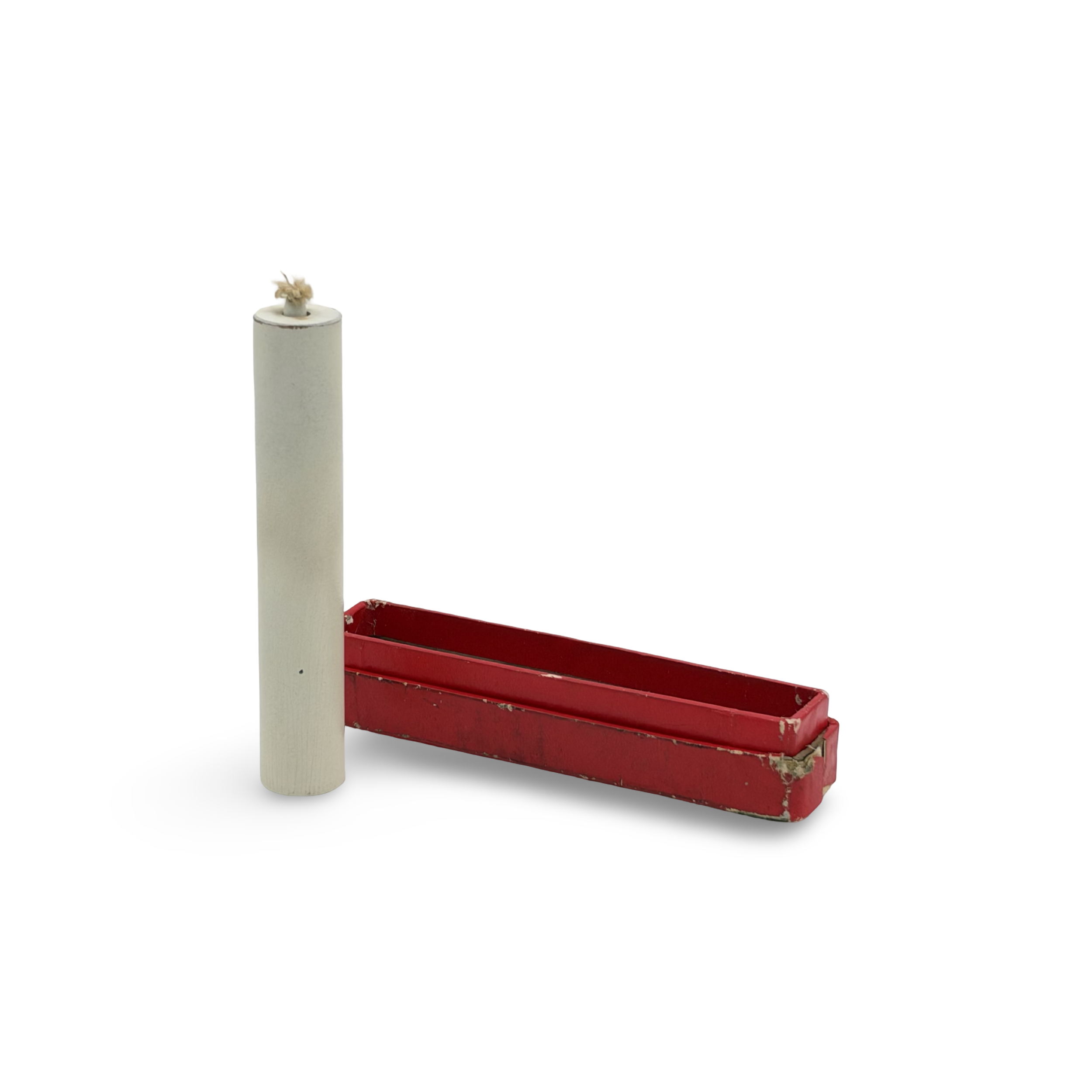
Hot Stuff. Chicago: L.L. Ireland, ca. 1950s.
A wooden candle from which the performer removes the flame to light a cigarette before returning it to the wick. The candle may also be inverted and lighted at both ends. Painted white and accompanied by its original red cardboard box and typewritten instructions. Box and instructions show considerable wear from age and use; candle with light wear. Very good overall. Uncommon.
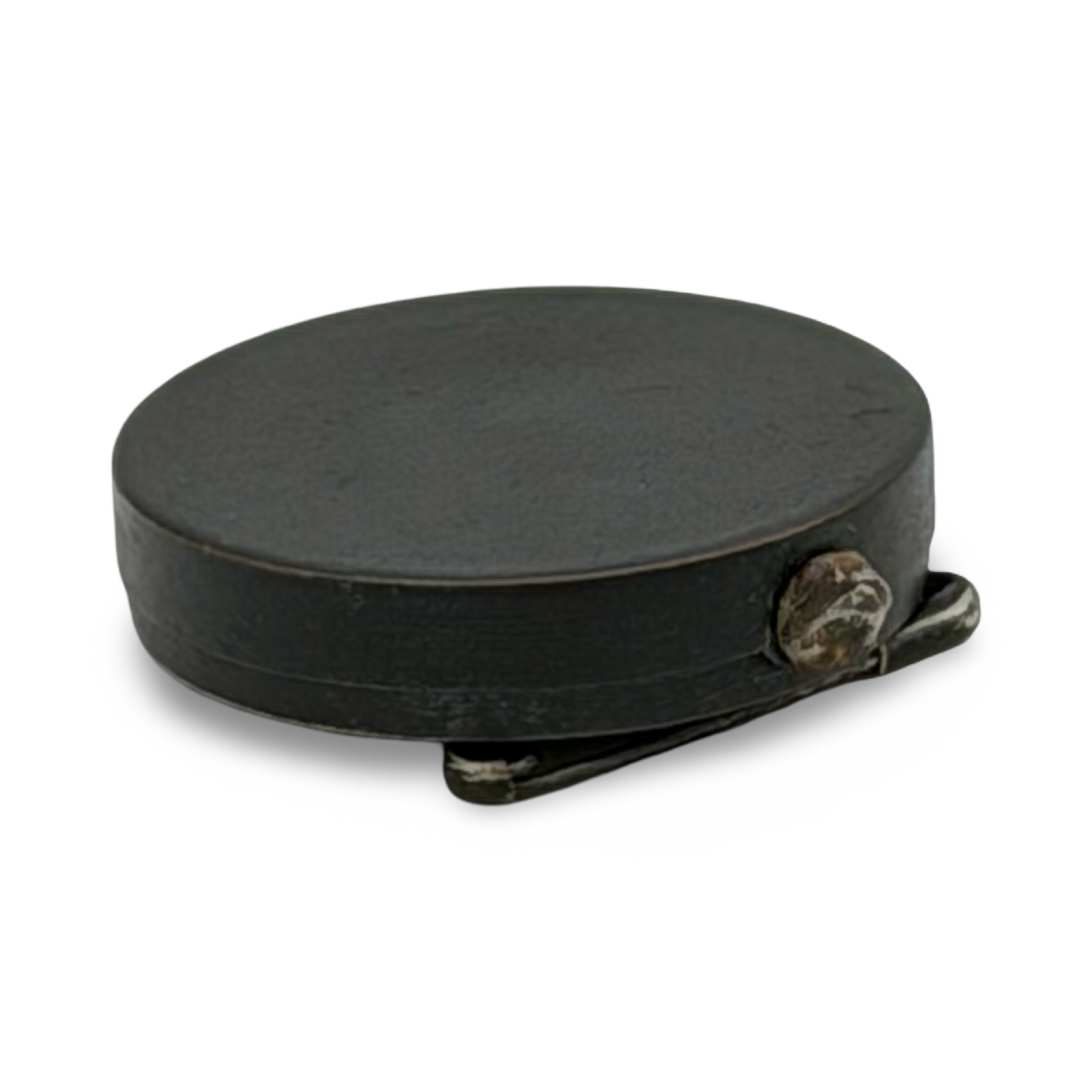
Thornton Windlass (Card Rising Reel). New Britain: Thornton Laboratories, ca. 1920.
Metal utility reel devised for the Rising Cards and other magical effects. Constructed with a double-spring mechanism for use in producing movements and other effects at a distance. Measures 2 ¾” in diameter. Retains a substantial length of thread, though less than the 40 feet originally supplied. Shows wear from age and use; good working condition.
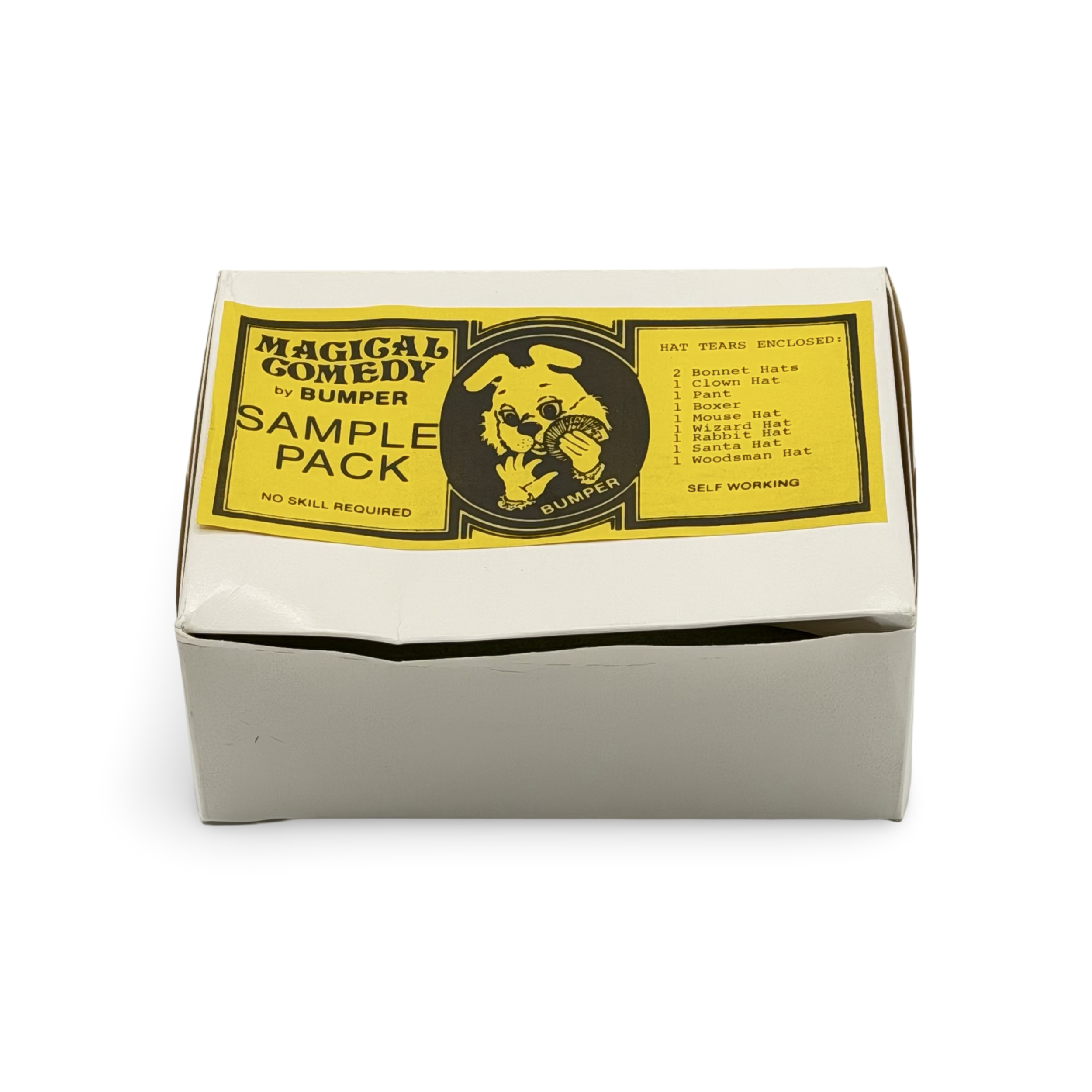
Magical Comedy Sample Pack. Bumper, ca. 1980s.
Collection of ten comedy paper hat tears, each transforming a sheet of tissue into a different novelty hat or costume piece. The assortment includes bonnet, clown, pant, boxer shorts, mouse, wizard, rabbit, Santa, and woodsman designs. Complete in the original illustrated box with original instructions. Contents as new; box shows wear from age and storage. New old stock.
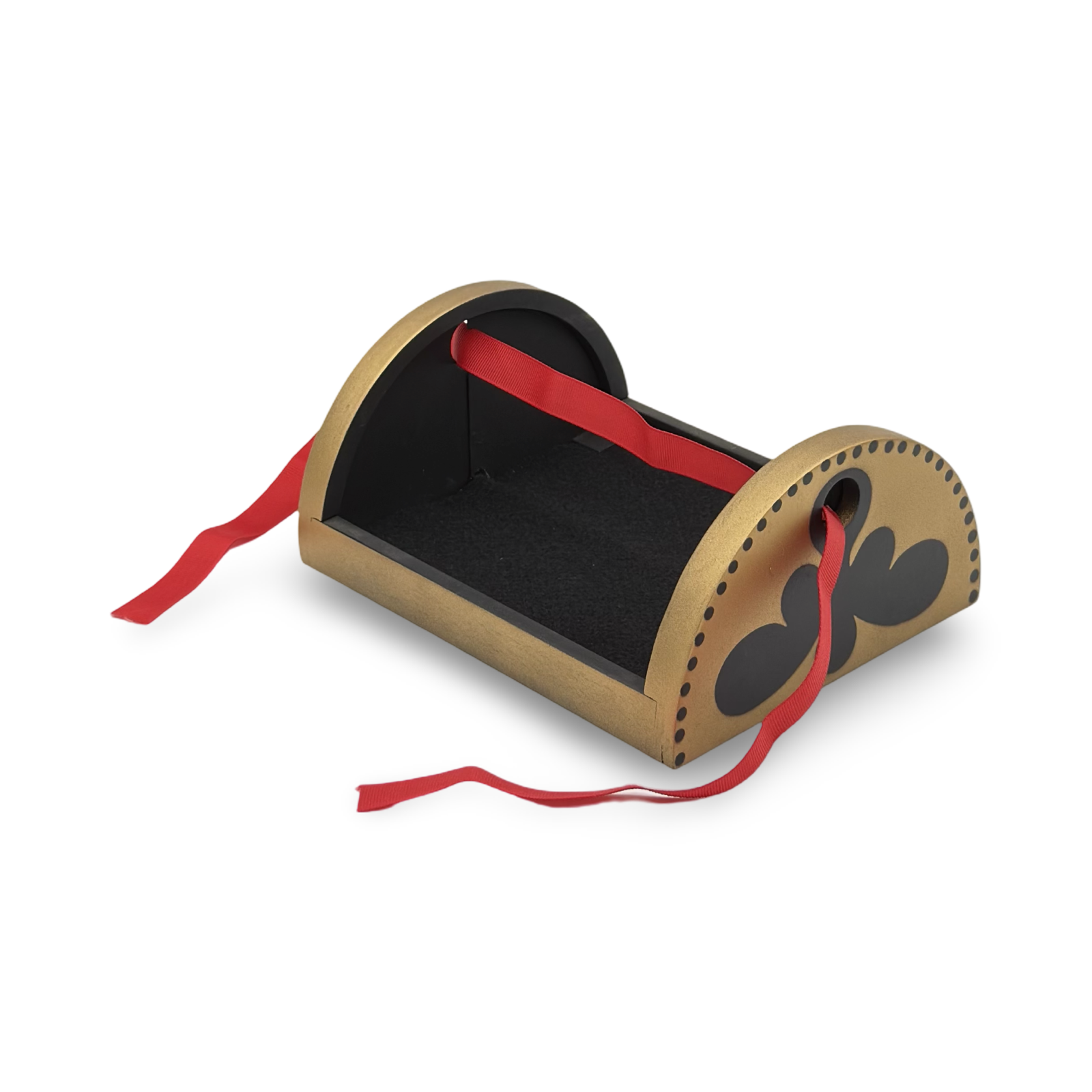
Cut and Restored Ribbon. Haenchen, ca. 1976.
Finely made apparatus for Richard Resor’s cut-and-restored ribbon effect, manufactured by Carl Haenchen with the assistance of Resor. A ribbon is threaded through the decorated stand and its ends initialed by a spectator. The center portion is cut away and vanished, after which the performer visibly restores the ribbon with a pull of the two remaining ends.
Includes the stand, ribbon, necessary accessories, and original instructions. From the Viking Magic Vault, where a limited number of original Haenchen-made examples were later offered. Mint condition.
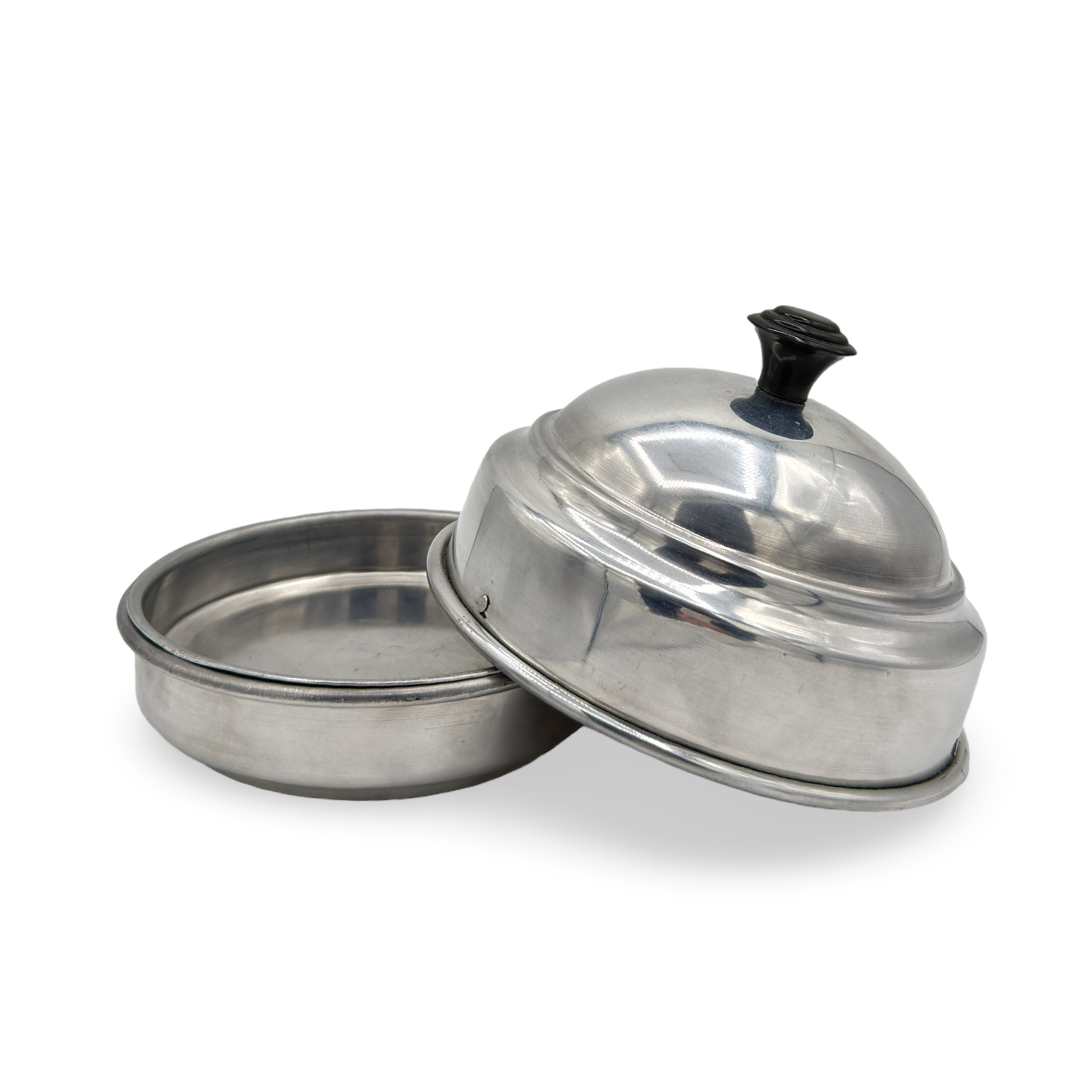
Dovette Pan. Owen Magic Supreme, Azusa, California, ca. 2000.
Compact version of Owen’s classic production pan. The pan is shown empty and covered with the domed lid; when the lid is removed, a quantity of small articles has appeared inside. Polished metal construction with black knob and Owen hallmark on bottom. Measures approximately 4 x 5½". Very good condition, free of scratches or dents.
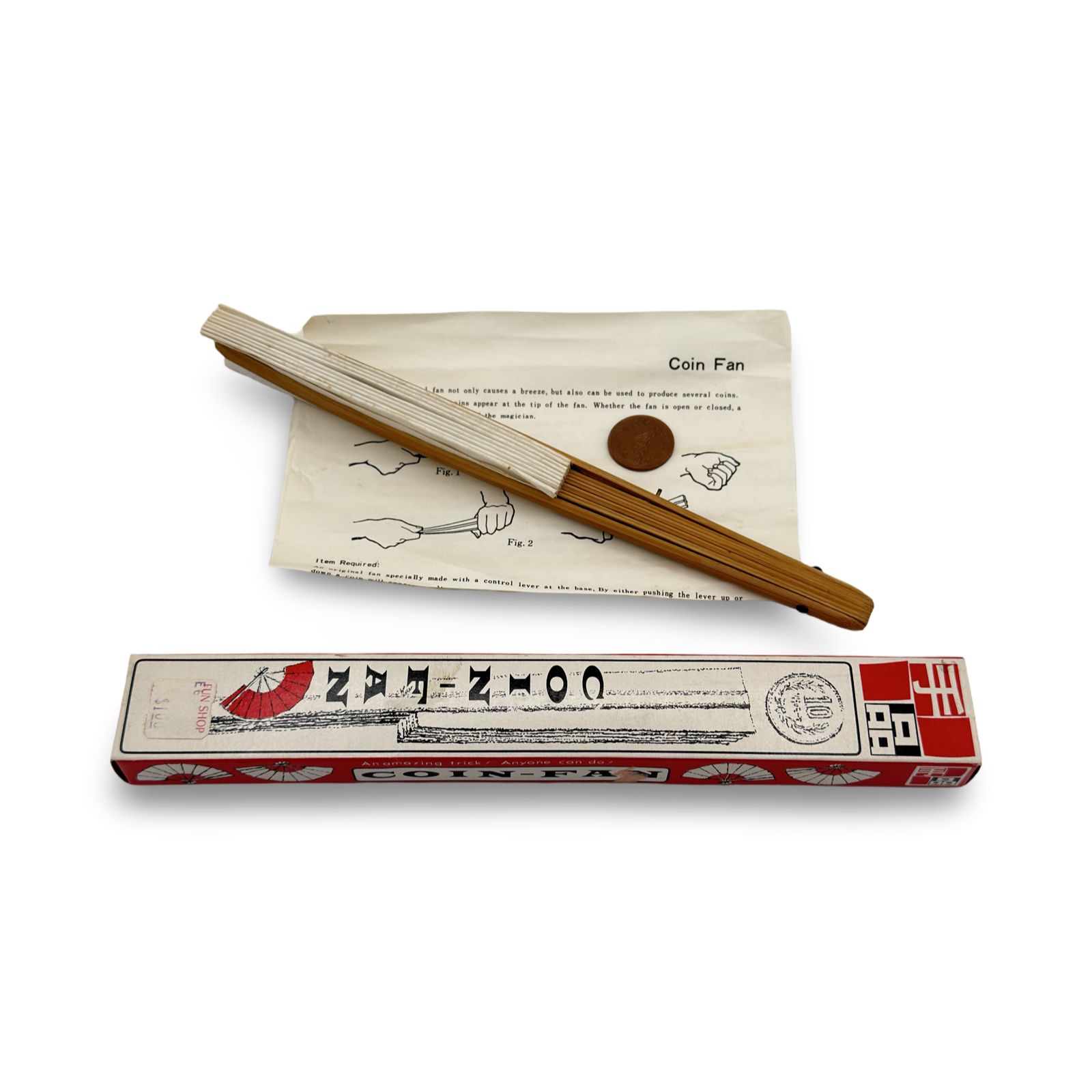
Coin Fan. Tenyo, Japan, ca. 1970s.
A mechanical folding fan used to produce coins at its tip, whether the fan is displayed open or closed. The coins may be produced individually or in succession.
New old stock, opened for photography. Includes the mechanical fan, extra coin, original box, and instructions. Box retains its original store price sticker and “Made in Japan” sticker. Contents remain unused. Excellent condition.
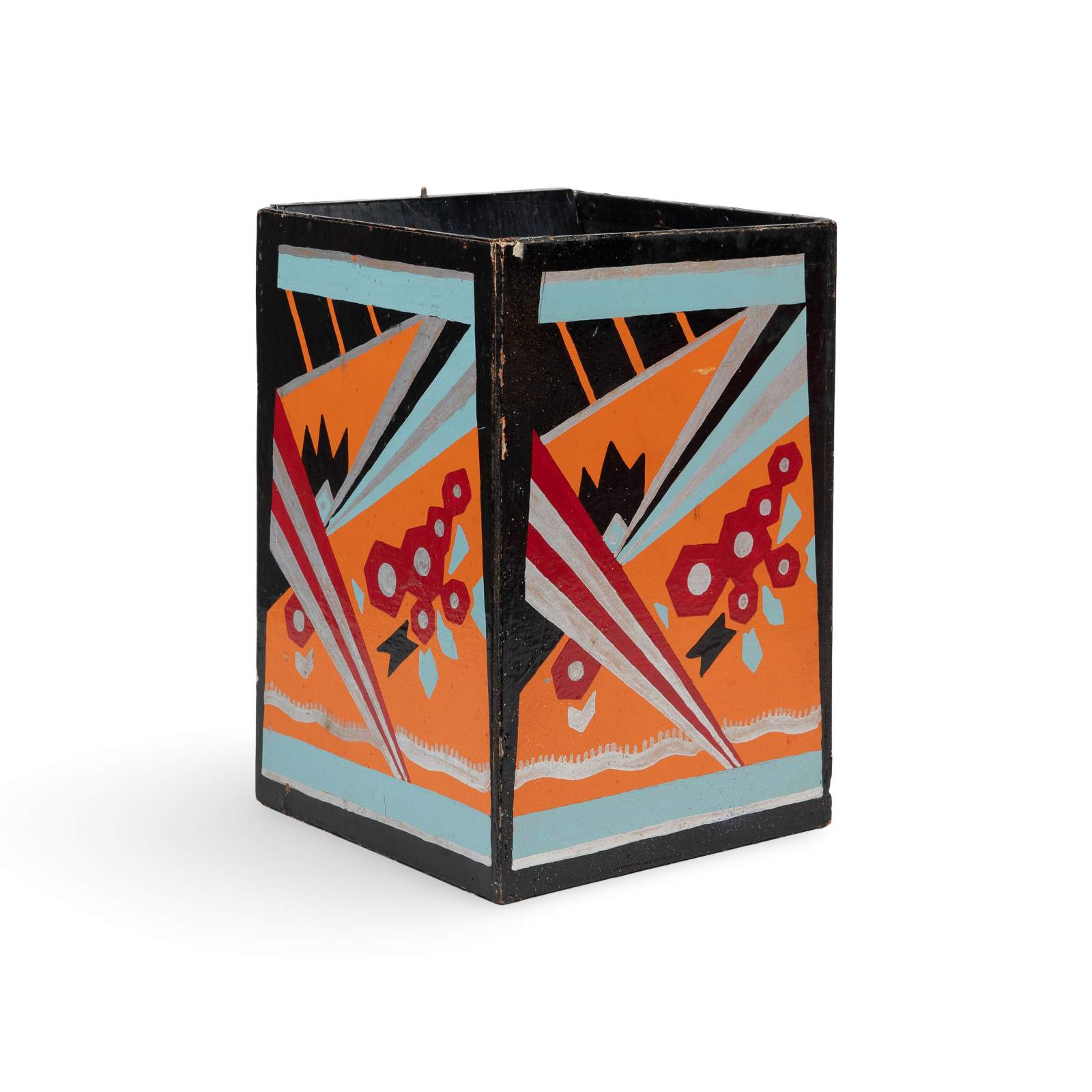
Sleeve Production. Janos Bartl, Hamburg, ca. 1930s.
A rectangular production cabinet is displayed empty, the open interior allows the performer’s arm to pass completely through. The cabinet is then placed on the table and a large production is made from within.
Wooden construction with a striking hand-painted geometric design in orange, blue, red, silver, and black. Measures approximately 6.5 x 6.5 x 9.5". Shows wear and paint loss consistent with age and use, otherwise very good condition.
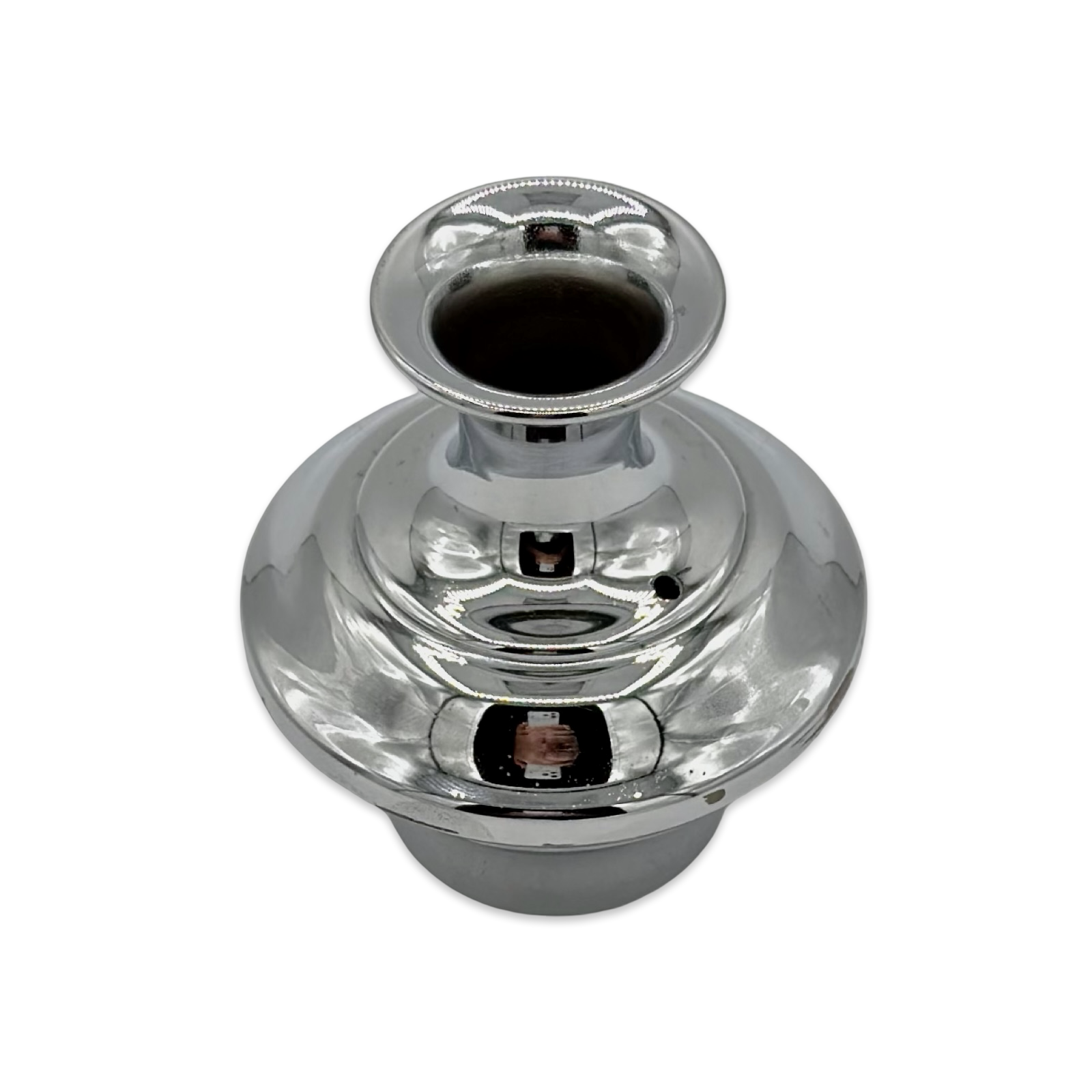
Five-Shot Lota. Abbott’s Magic, Colon, Michigan, ca. 1950s.
A diminutive version of the classic Lota Bowl, allowing the performer to repeatedly pour liquid from the vessel after it has seemingly been emptied. Advertised by Abbott’s as capable of producing five successive drinks.
Spun brass construction with the rare chrome-plated finish. Measures approximately 3" high. An uncommon example of this Abbott apparatus, particularly in the chrome-plated version. Wear consistent with age and use. Very good condition.
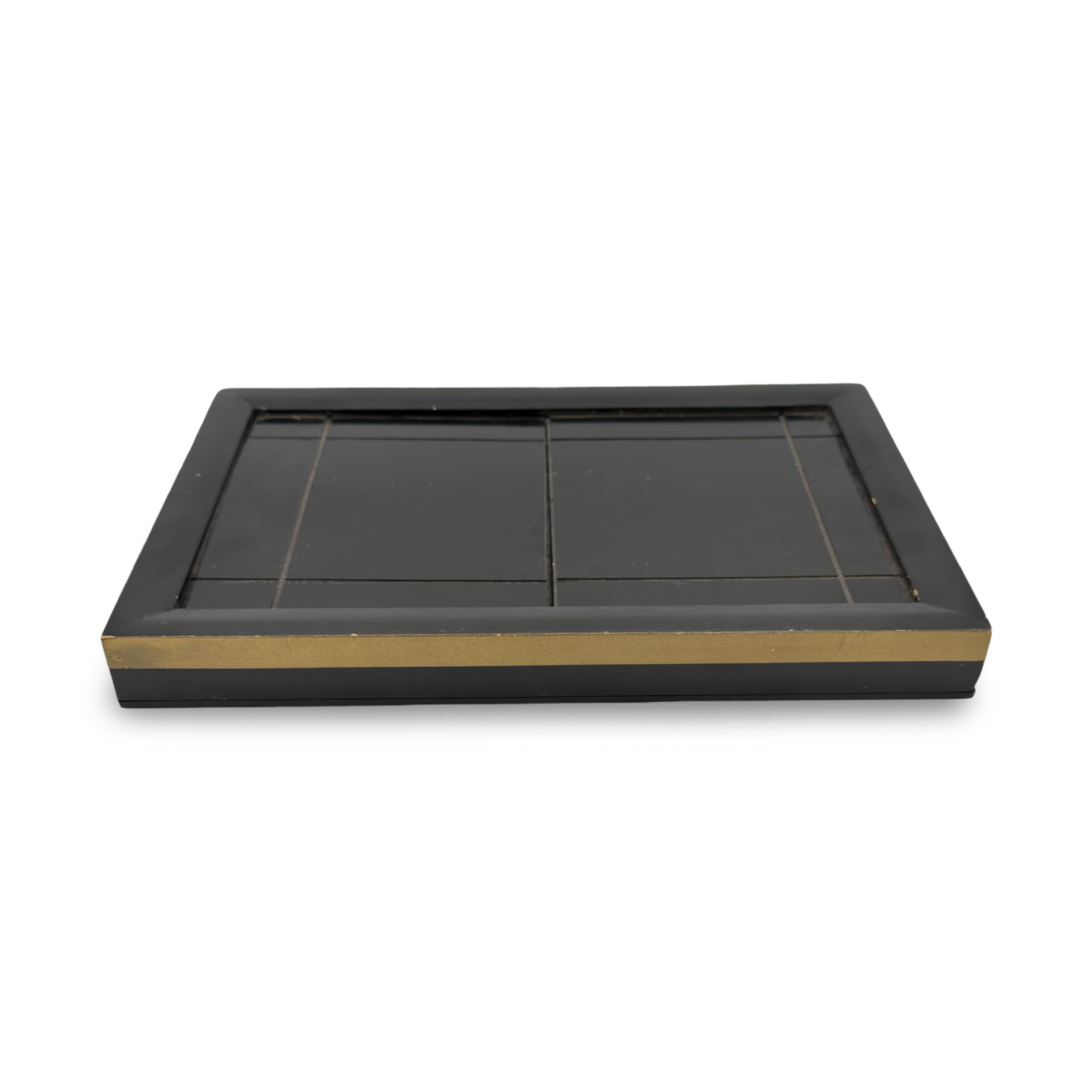
Lottery. Abbott’s Magic, Colon, Michigan, ca. 1980s.
A prediction effect in which four spectators are invited to freely select envelopes from a group of five, one of which contains a $10 bill. Regardless of the envelopes chosen, the performer is left with the fifth envelope containing the money. Wooden tray finished in black with gold trim. Measures approximately 12 × 8 × 1 in. Shows light wear consistent with age and use. Very good overall. No instructions included.
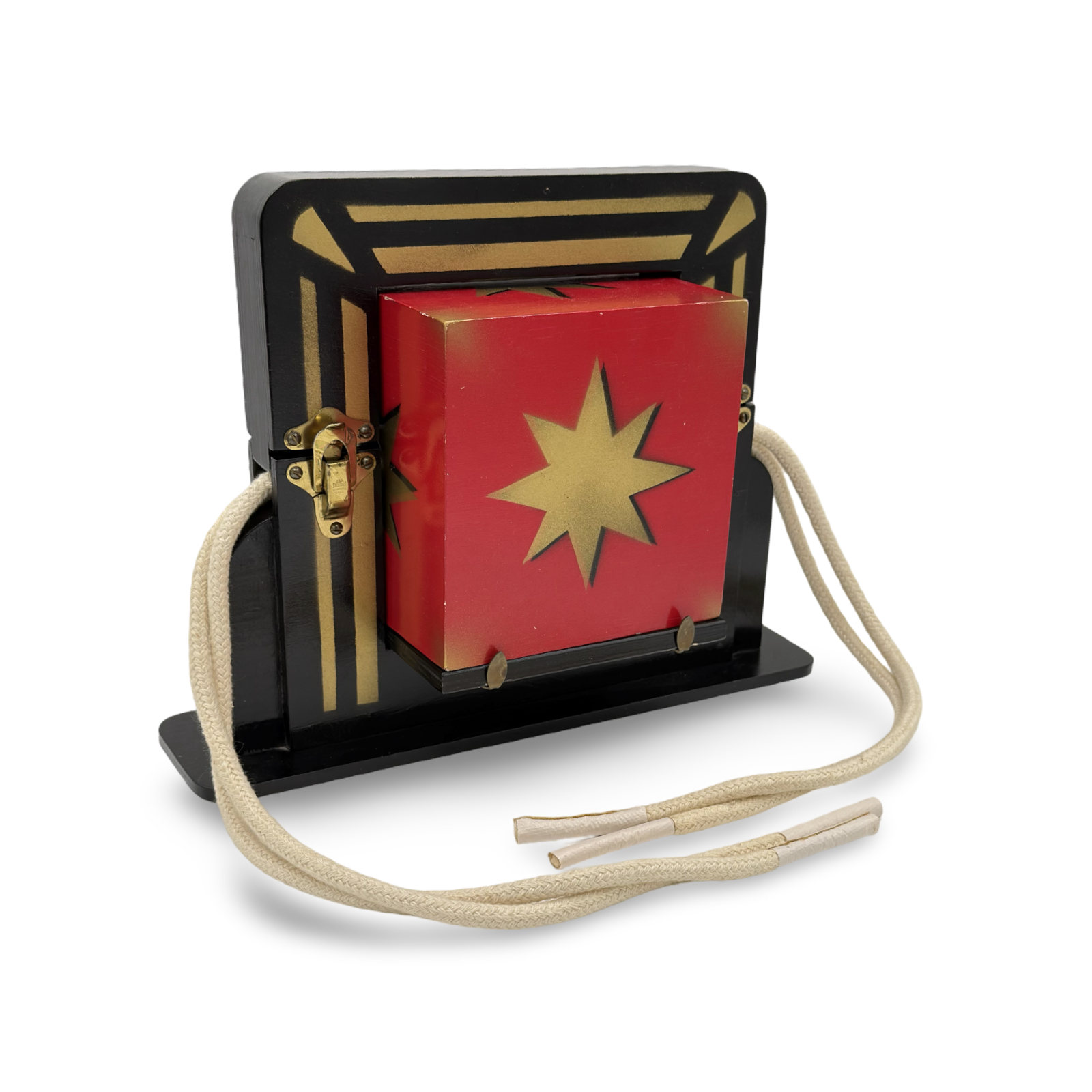
Cube-On Release. Abbott's, ca. 1970s.
A visual penetration effect in which a solid wooden block, threaded onto two lengths of rope and secured within a display stand, is visibly pulled free while the ropes remain in the spectators' hands. The stand is immediately shown empty, with the ropes still passing through its open center. Originally designed by Jack Hughes and marketed by Abbott's, Hughes described the effect as "the epitome of all block releases."
Constructed of painted wood with brass hardware and gold striping. Includes the original photocopied instructions. Minor wear consistent with age and use. Very good condition.
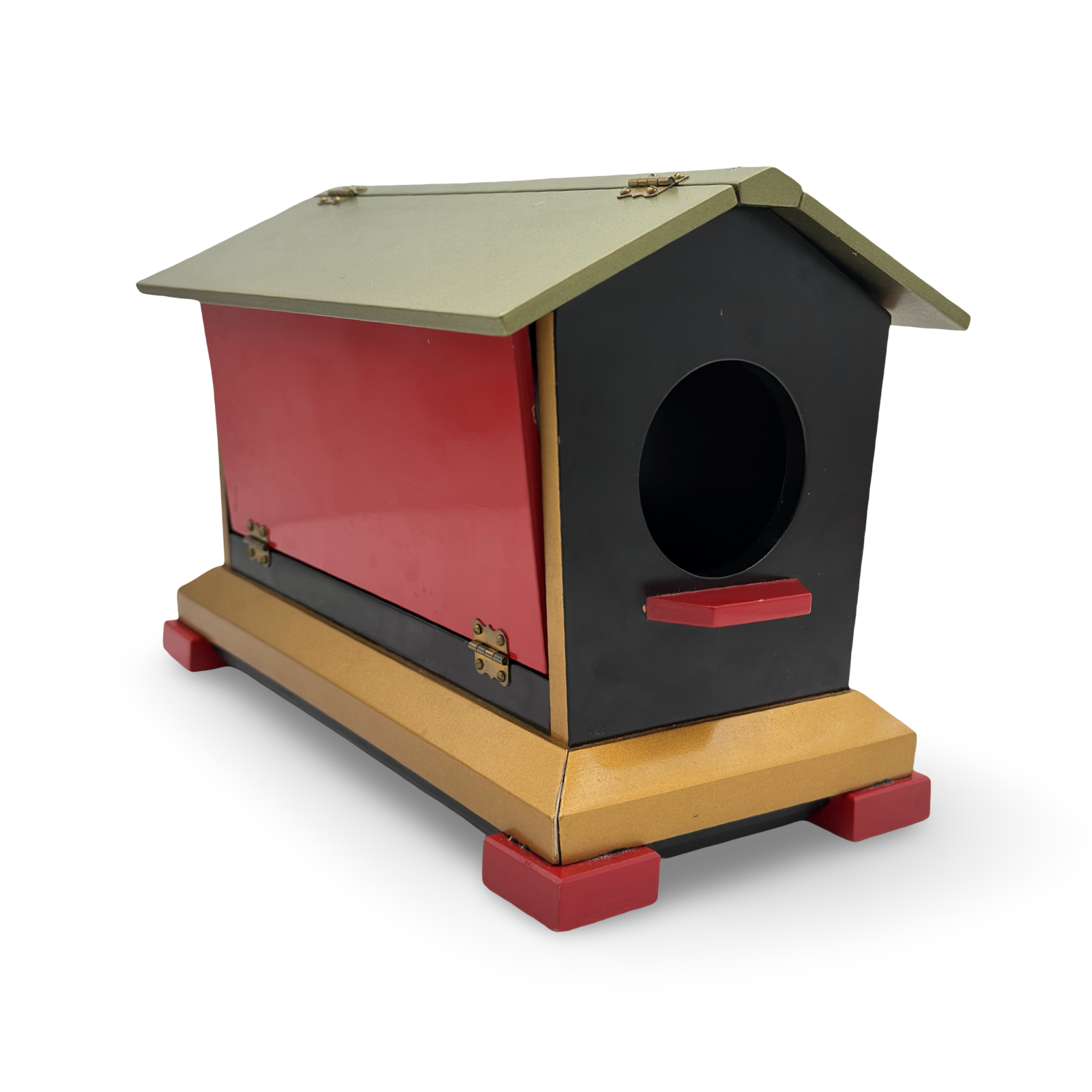
House of Java. Owen Magic Supreme, ca. 1980s.
An oversized version of the classic Silk Cabby in the form of a birdhouse. Hinged doors on both sides open to show the interior empty before a substantial production of silks is made from within. Measures approximately 12 × 6 × 8 inches. Minor wear consistent with age and use. Very good condition.

Mike & Ike. Val Evans / Max Holden, ca. 1940s.
A mechanical routine marketed by Max Holden as a “Holden Exclusive,” using two collapsible cube shells, six solid wooden cubes, two folding display screens decorated with automobiles, and a miniature jug to illustrate a story of two fishermen, Mike and Ike. As the narrative unfolds, the cubes are transferred between the two display boxes until the final revelation, in which one fisherman is shown to have caught all of the fish while the other is left with only the jug.
Constructed of painted wood with folding painted display screens and accompanied by an original typed two-page instruction manuscript bearing Val Evans’ name at the top. Also included is the original Max Holden catalog advertisement for the effect, priced at $8.00.
Complete with six solid cubes, two shell cubes, folding display screens, jug, original typed instructions, and original catalog advertisement. Minor paint wear and expected handling marks throughout. Instructions show toning, creasing, and edge wear from age and use. Overall a very good example of a scarce Holden exclusive from the mid-twentieth century.
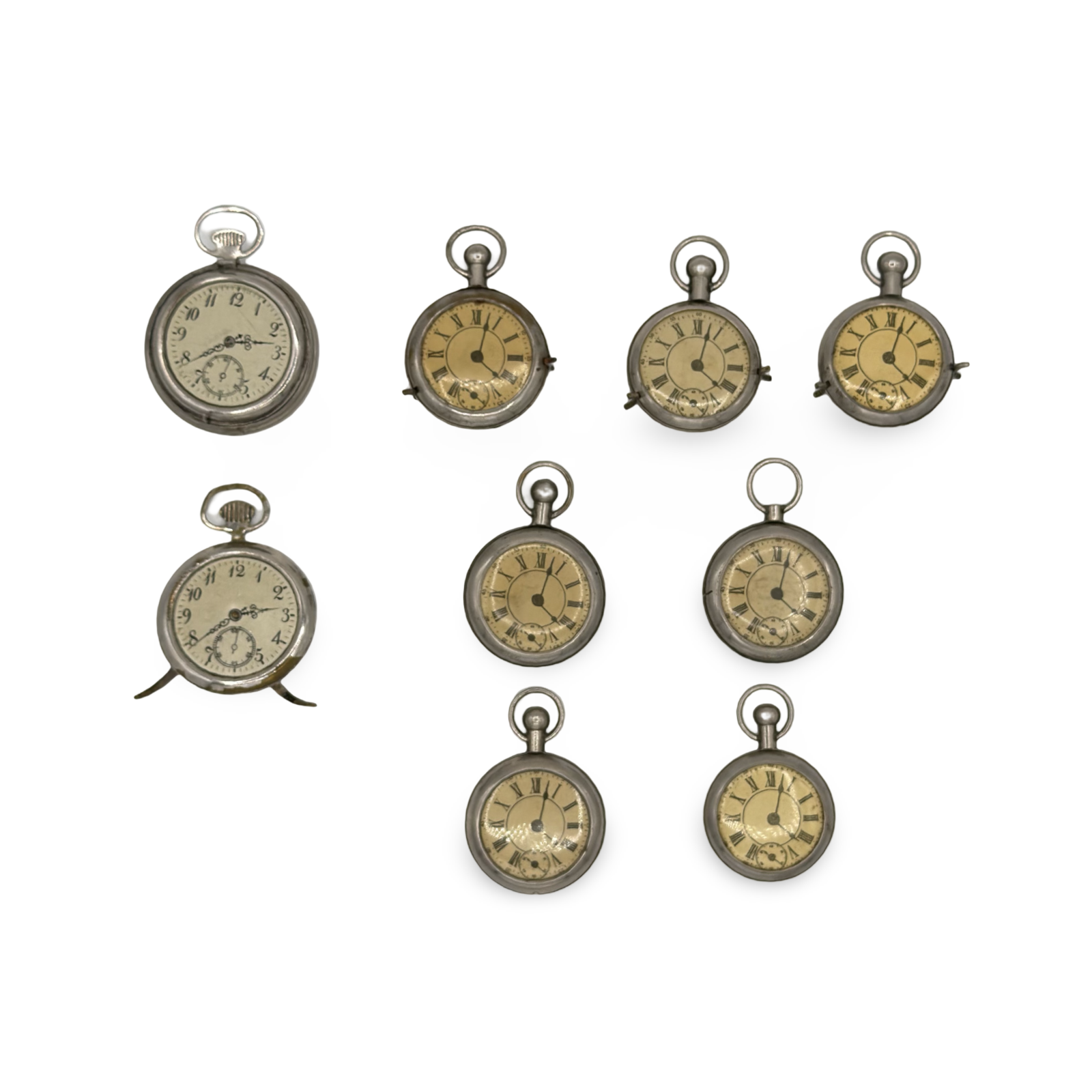
Multiplying and Manipulation Pocket Watches. Germany, ca. 1930s.
Group of imitation pocket watches designed for multiplying, vanishing, and manipulation routines. Includes examples with two distinct dial designs as well as a variety of construction types, including hinged, nesting, and hook-equipped watches for stage and sleight-of-hand performance.
Manufactured in Germany during the early twentieth century, these lightweight metal watches were produced for professional manipulators and stage magicians, allowing the repeated appearance, disappearance, and production of multiple watches during a routine.
Includes eight imitation pocket watches representing several styles and methods. No instructions. Expected wear from age and use, including oxidation to the metal surfaces, age toning to the dials, and one cracked dial cover. Overall very good condition.
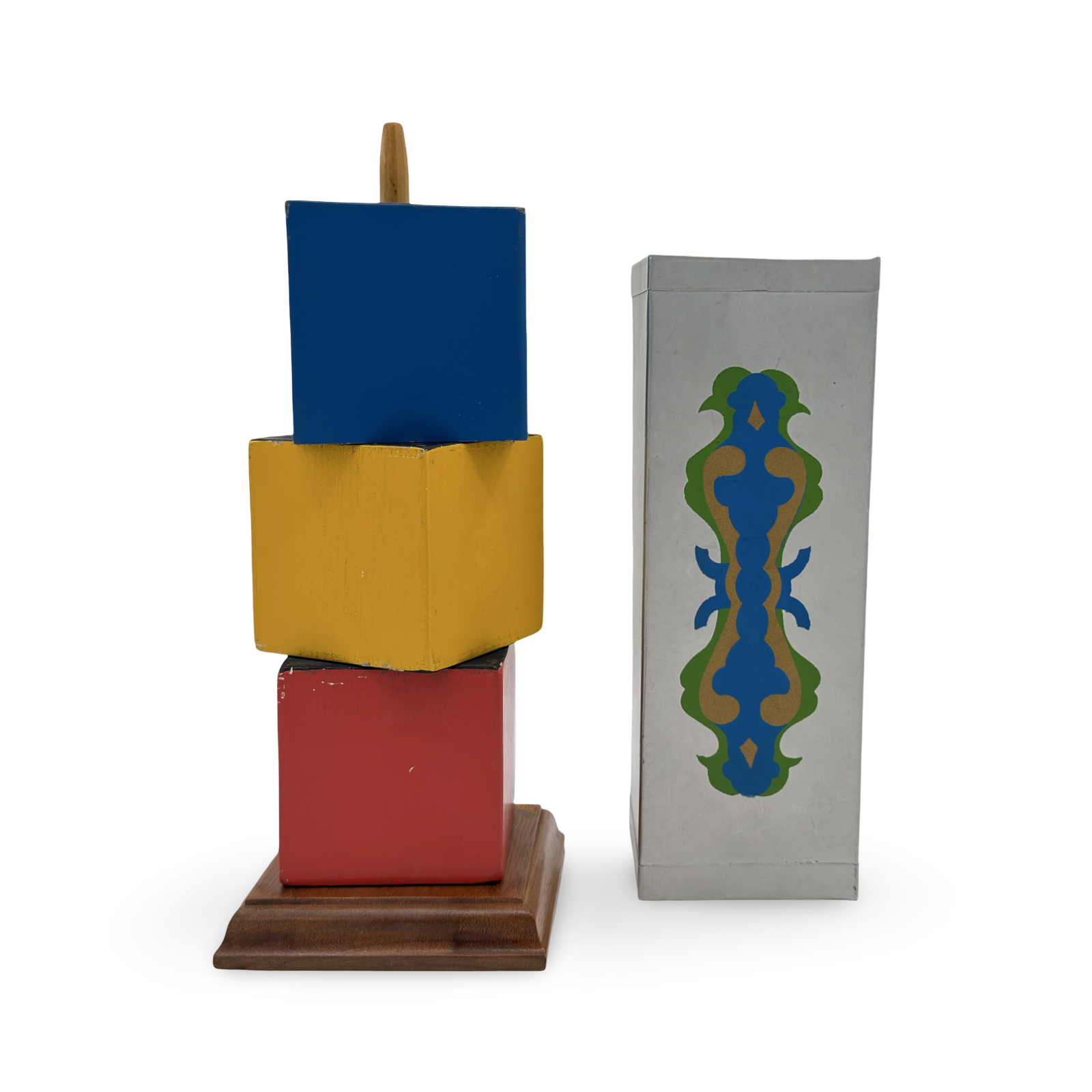
Traveling Block. Haenchen, ca. 1970s.
A red block stacked between yellow and blue blocks vanishes beneath a decorated metal cover before reappearing elsewhere.
Retains the original painted wooden base, three painted wooden blocks, and decorated metal cover. Hallmarked. Measures approximately 4 × 4 × 10 inches. Minor wear consistent with age and use. Very good condition.

Spring Production Baby, ca. 1930s.
A collapsible production doll designed for appearance from a borrowed hat or other production apparatus. Constructed with a painted papier-mâché head featuring hand-painted facial details, cloth body, pink-painted hands, lace-trimmed sleeves, floral bib, ribbon accents, and matching bonnet.
Production babies of this type were a popular feature of stage and club magic during the early twentieth century, providing a surprising and highly visible climax to production routines while collapsing flat for concealment before performance.
Minor wear to the painted head and expected age-related toning and light soiling to the fabric costume. Presents well and retains its original costume and painted features. Measures approximately 21 inches in length.
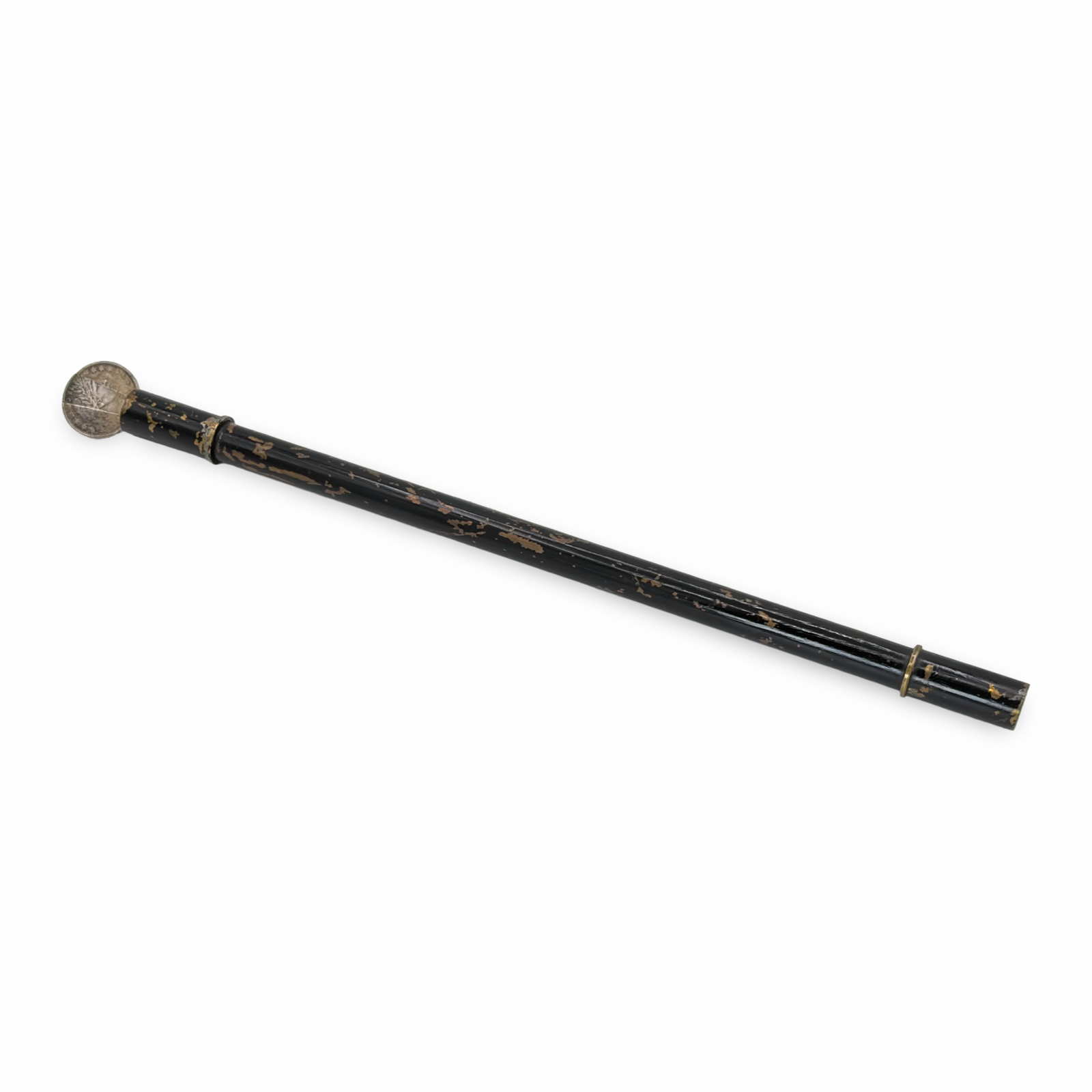
Coin Wand. Maker Unknown, ca. 1900–10.
Lever-operated coin wand with clamshell mechanism and gimmicked 1899 Barber half dollar. Measures approximately 14" with the coin extended. Original black finish. Mechanism functions as intended. Good condition. Currently offered on consignment.
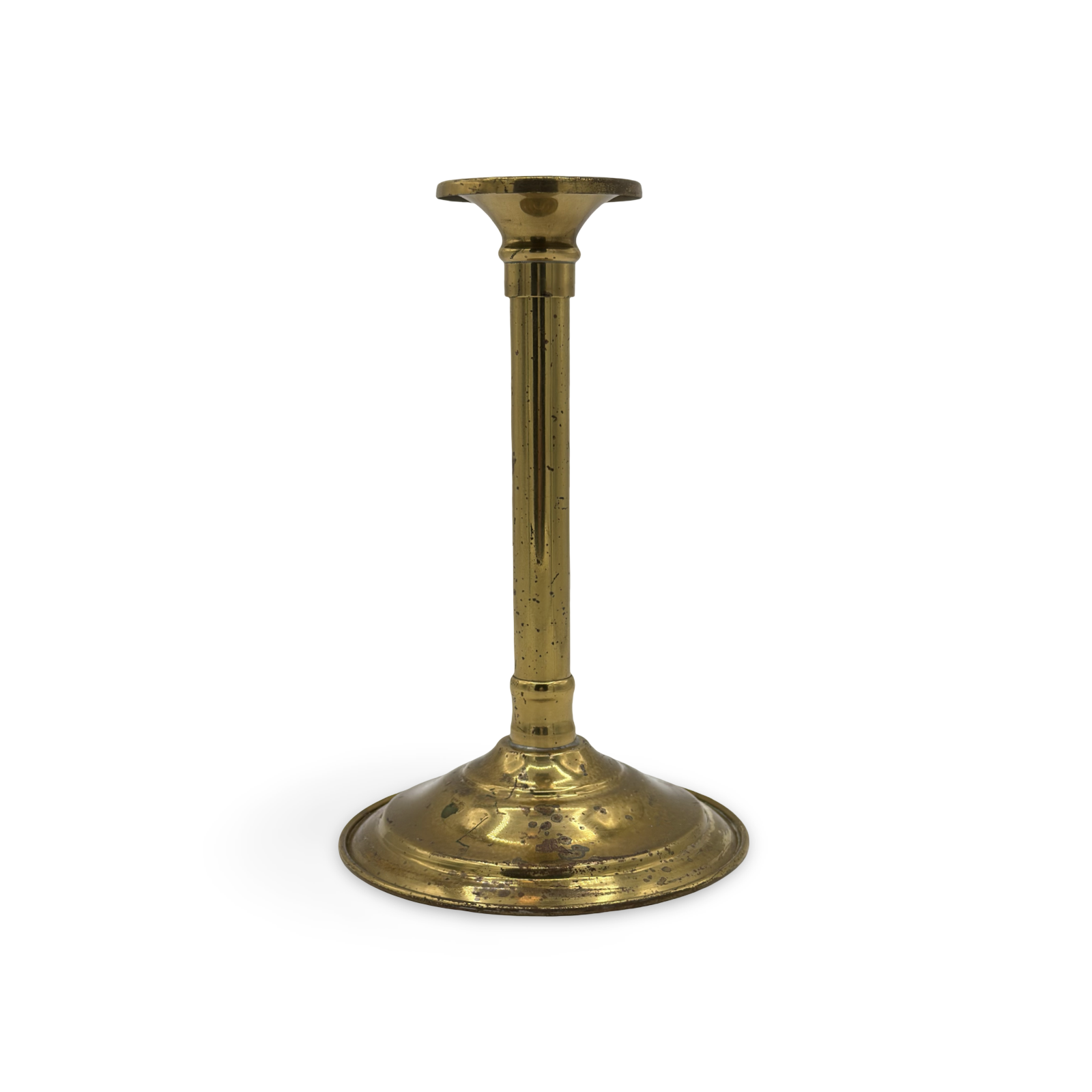
Ultra Glass Through Hat. Petrie & Lewis (P&L), New Haven, ca. 1940.
A glass of water resting on a brass candlestick is covered with a handkerchief and visibly penetrates the crown of a borrowed hat.
Sand-driven brass stand resembling a candlestick. Hallmarked on the underside. Accompanied by the original, worn instructions. Glass and handkerchief not included. Measures approximately [height] inches tall. Retains the original finish with noticeable wear and oxidation throughout. Mechanism operates smoothly. Cosmetically good; mechanically very good.
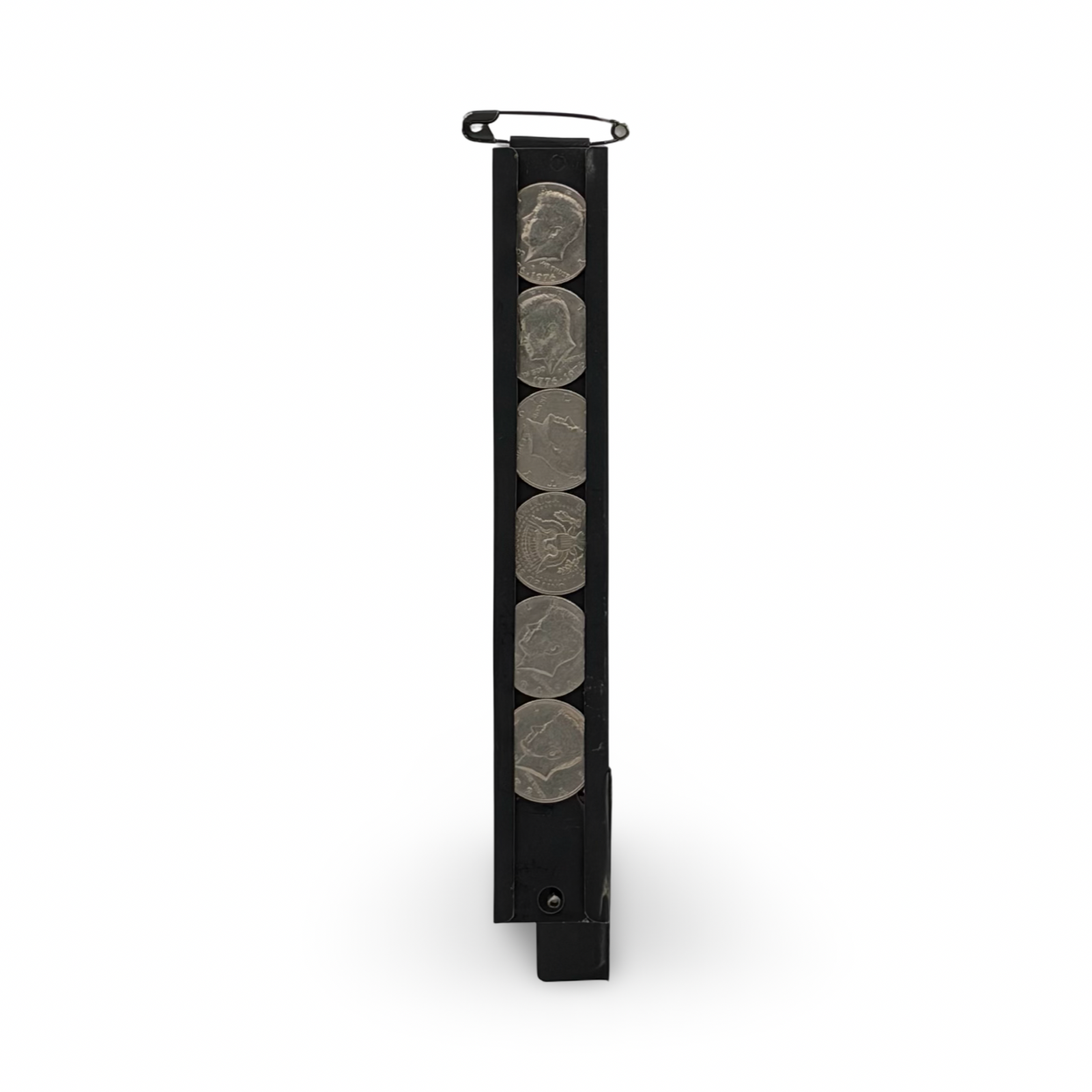
Flat Money Slide. Maker unknown, early 20th century.
Black-painted brass coin slide designed to secretly deliver half dollars, one at a time, into the magician’s hand. Holds six coins and features a spring-operated release mechanism. Described in Professor Hoffmann’s Modern Magic and offered by A. Roterberg as No. 306. Includes six half dollars. Mechanism operates smoothly. Minor surface wear; otherwise excellent condition.
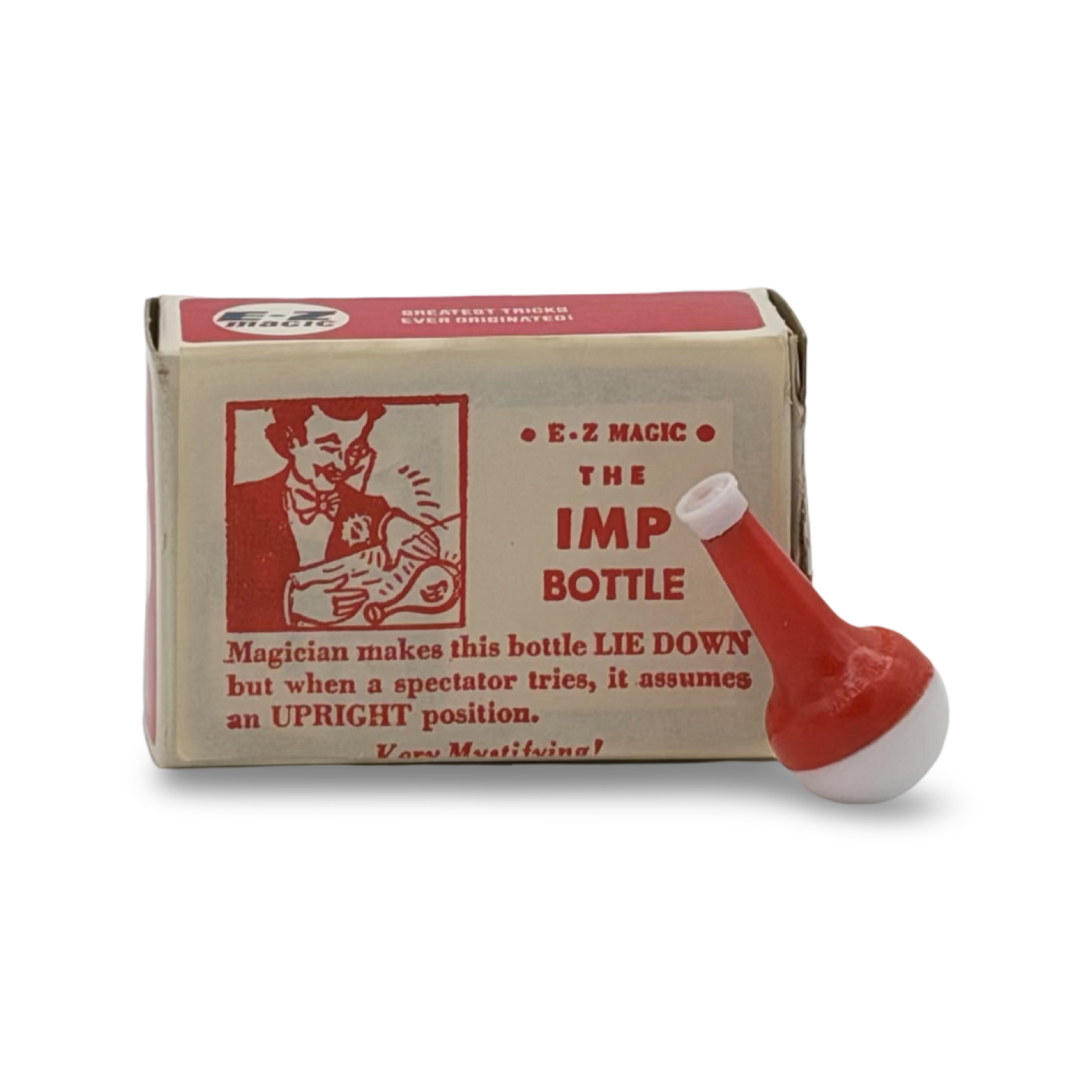
Imp Bottle. E-Z Magic (D. Robbins & Co.), ca. 1980s.
Small red and white bottle that remains lying on its side for the magician but returns upright when a spectator attempts the same. Includes original bottle, gimmick, and illustrated box. No instructions. Box shows wear from age and storage; bottle very good.
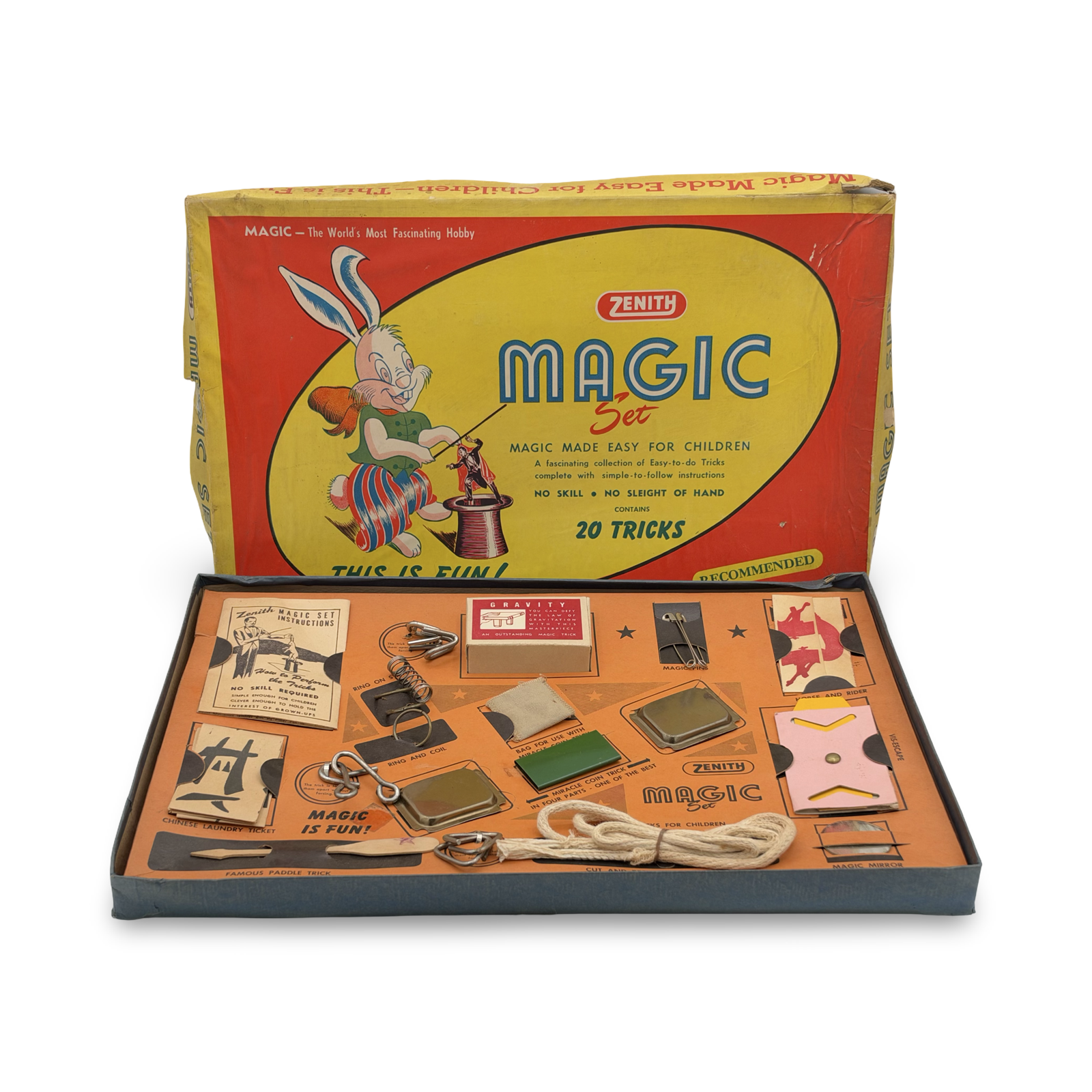
Zenith Magic Set. Zenith Toy, Brooklyn, New York, 1950s.
Vintage children’s magic set manufactured by Zenith Toy of Brooklyn, New York. No. 916-A contains an assortment of classic tricks using coins, rings, rope, cards, and other props, arranged on the original illustrated insert. Retains the original instruction booklet and complete contents.
Original pictorial box with colorful rabbit magician artwork. Measures 17 3/4 x 11 1/2 x 2". Contents very good. Box shows wear, creasing, edge wear, and tears from age and use.
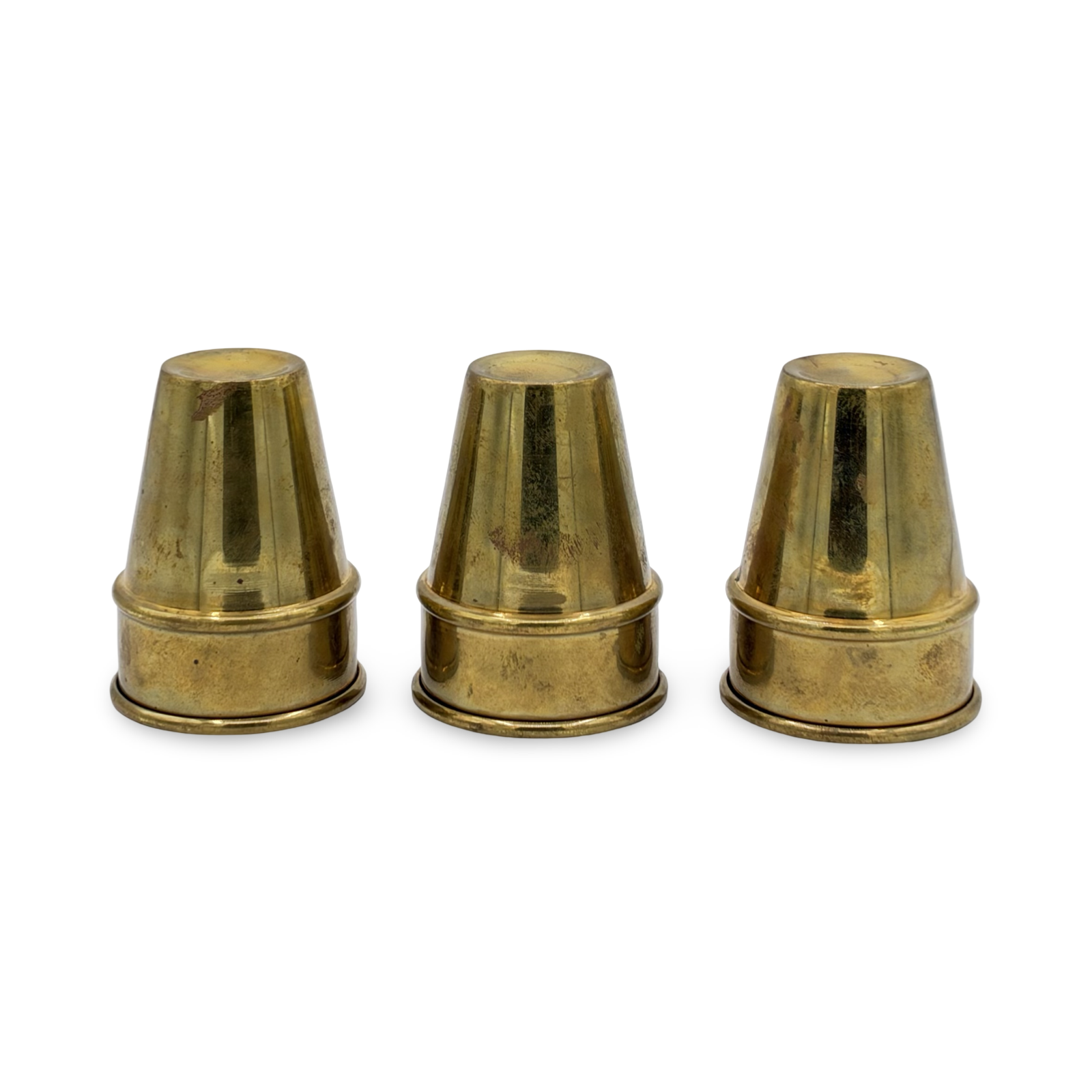
Petrie & Lewis Brass Cups. P & L, New Haven, Connecticut, ca. 1940s.
Set of three spun brass cups, each approximately 3 3/4 × 2 3/4 inches. Brass examples are less commonly encountered than their copper and aluminum counterparts. Unmarked, with attribution supported by David Haversat, owner of Petrie & Lewis, who notes that not all P&L pieces were hallmarked. Shows scratching, tarnish, and wear from age and use; otherwise very good.
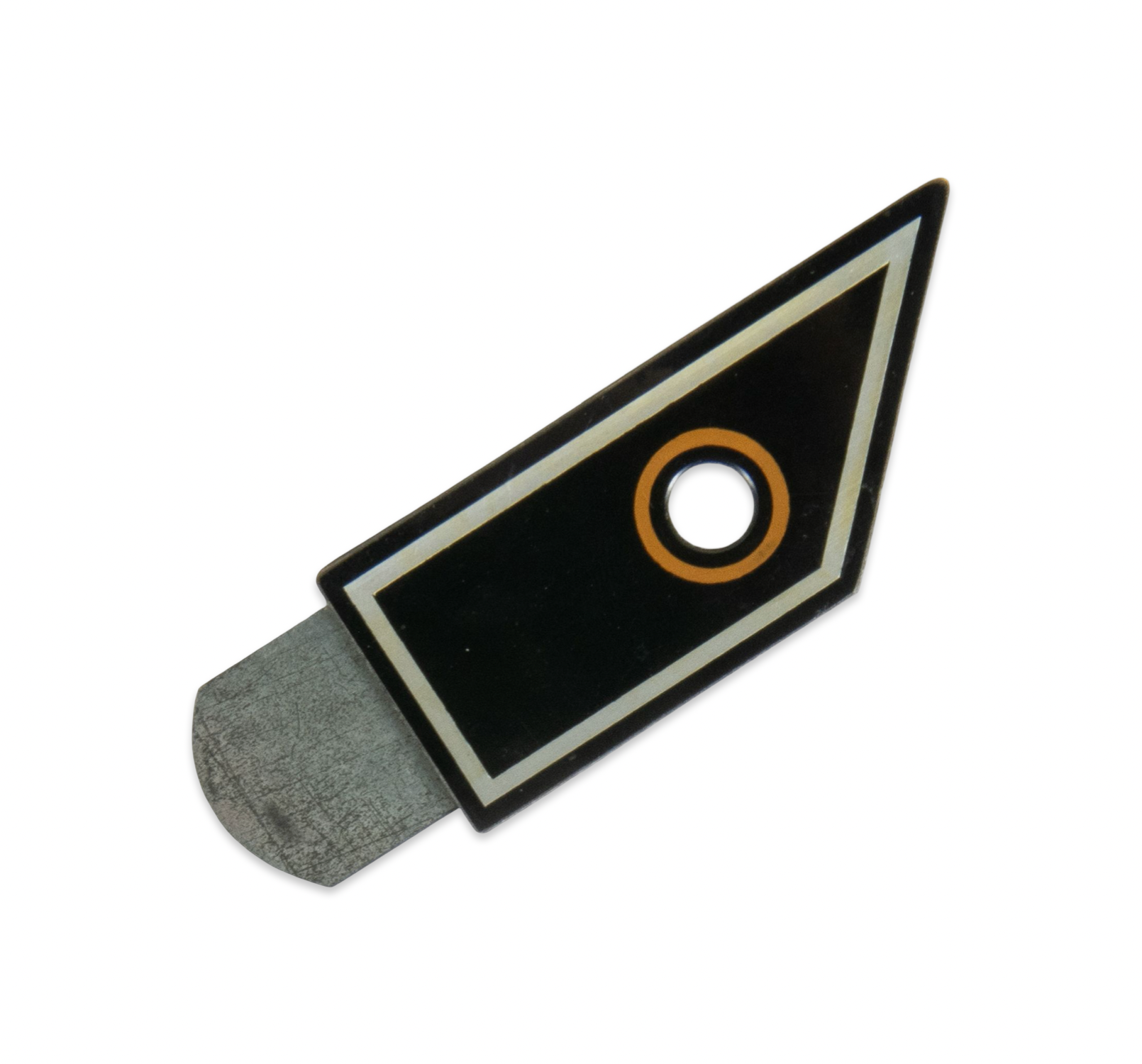
Pimmel Snitter (Cigarette Cutter). Holland: Eddy Taytelbaum, 1960s.
A small stainless steel blade visibly penetrates a cigarette held within the decorated plastic frame, leaving the cigarette unharmed. Finished in black with silver and gold detailing. Measures 3 ½ × 1 ¼". Based on the Davenports Cutta Cig effect. Light wear, else very good.
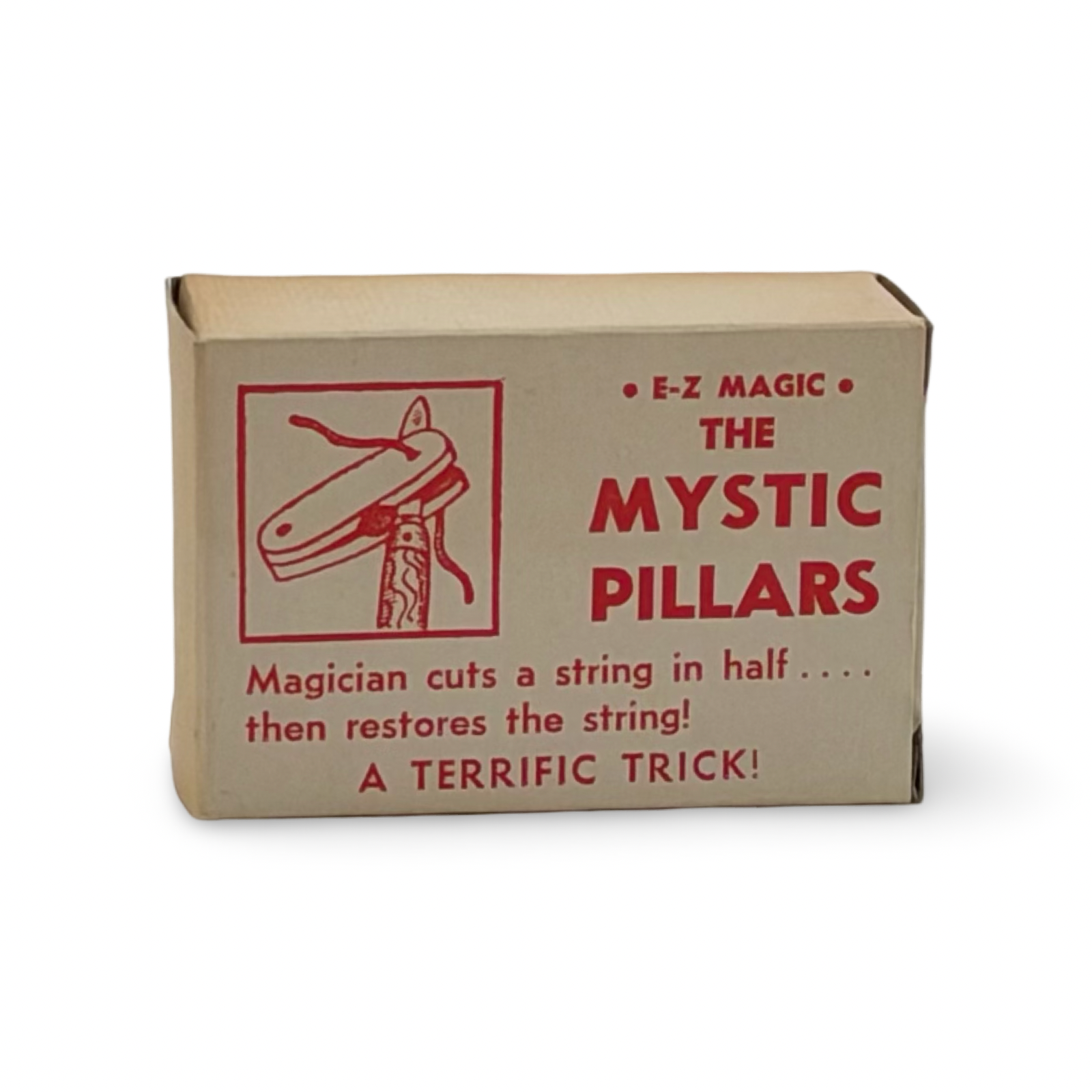
The Mystic Pillars. E-Z Magic, ca. 1950s.
A length of string is threaded through a pair of brightly colored plastic pillars and cut in two. Despite being visibly severed, the string is restored. Includes the original illustrated E-Z Magic box, two plastic pillars, and string. Box shows light age and handling wear; apparatus remains in very good condition. No instructions included.
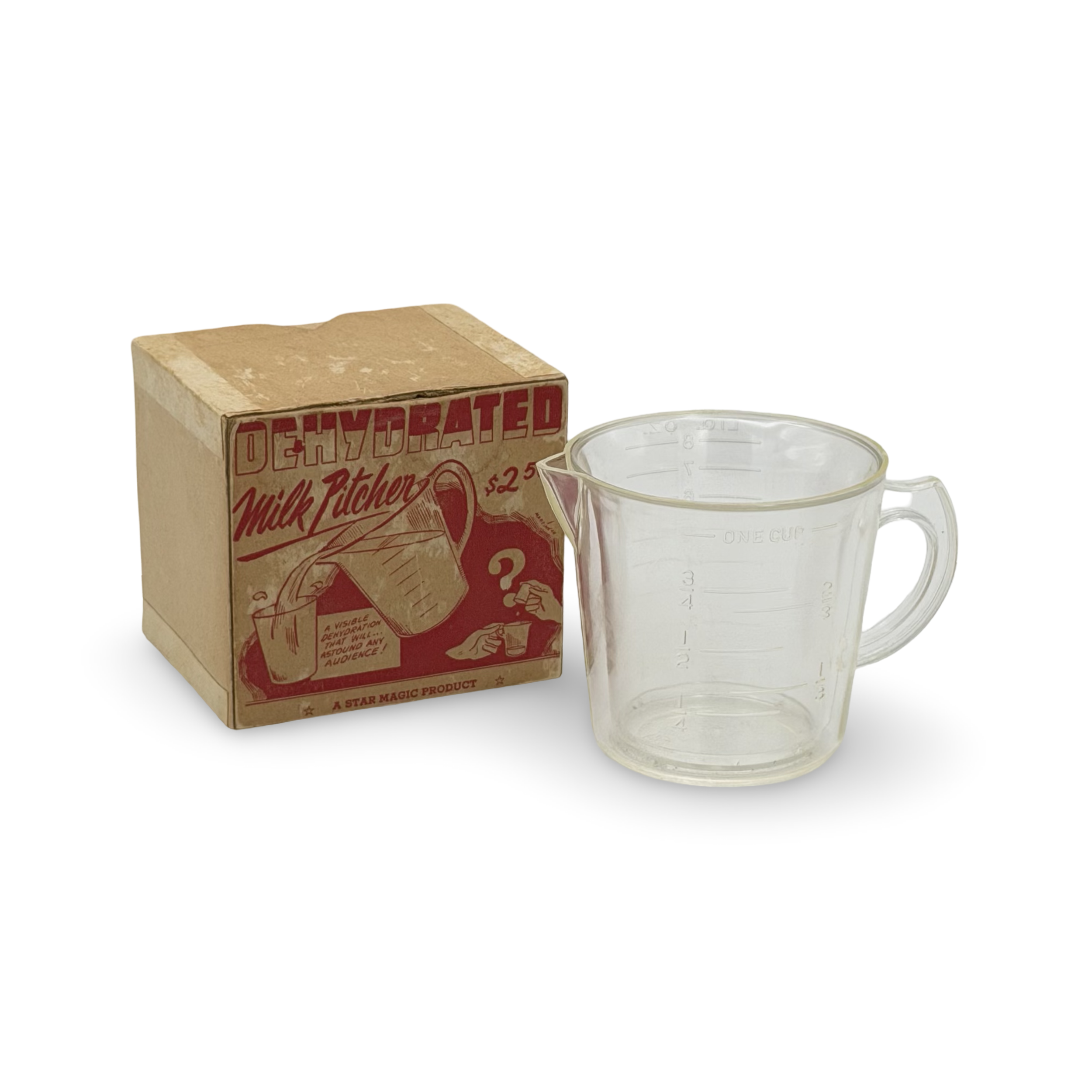
Dehydrated Milk Pitcher. Star Magic, ca. 1950s.
A miniature clear measuring pitcher is shown filled with milk. The contents are poured into a small glass, where the quantity has mysteriously diminished to only a fraction of its original volume. Also adaptable to color changes and other liquid effects. Measures approximately 3” tall. Retains its original illustrated box and instructions. Light wear consistent with age; very good overall.
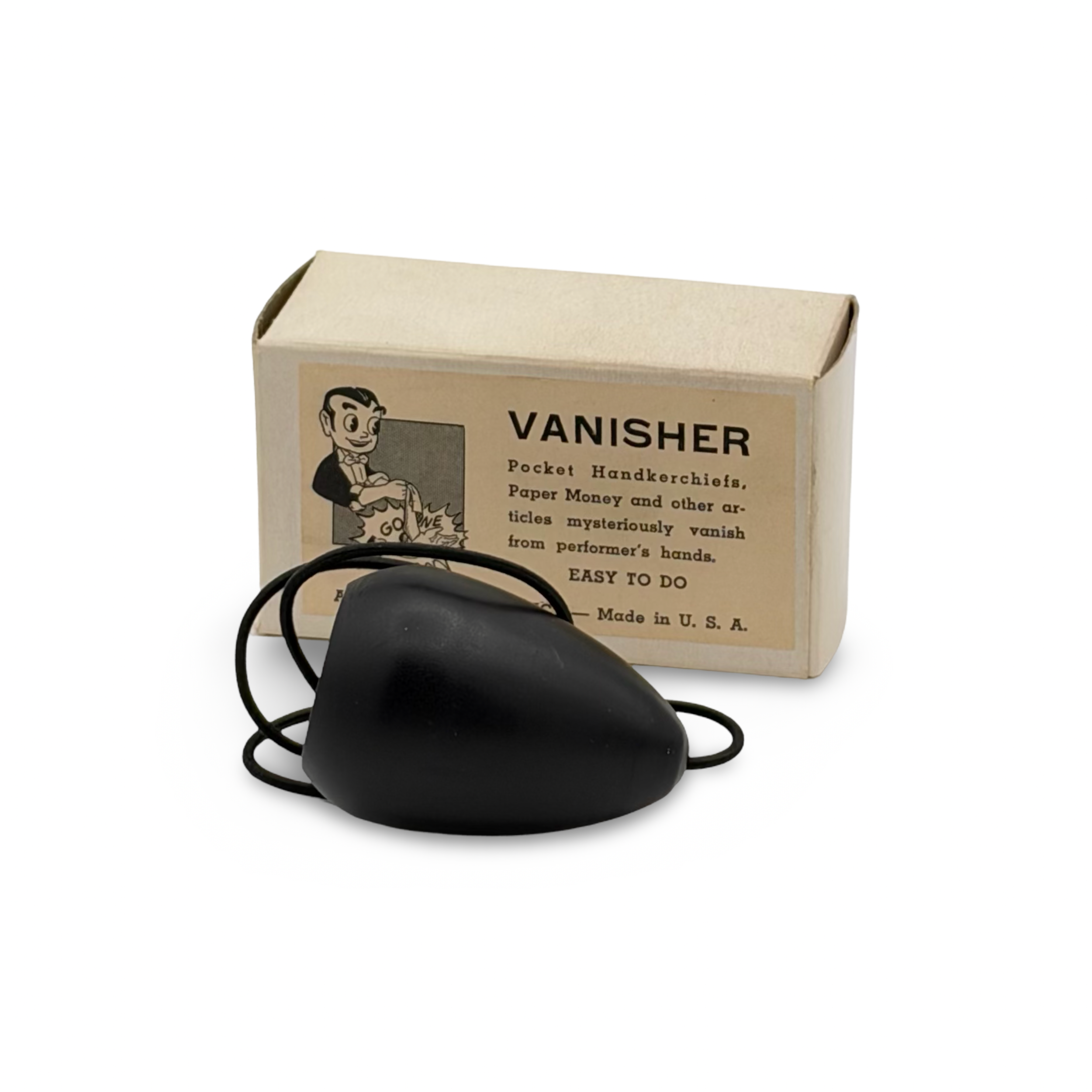
Vanisher. Enardoe Products, ca. 1950s.
A vanishing device for handkerchiefs, paper money, and other small objects. Black painted mental apparatus with attached cord, accompanied by its original pictorial box and original instructions. Box shows light wear; instructions are heavily worn, toned, and separated. Apparatus in very good condition.
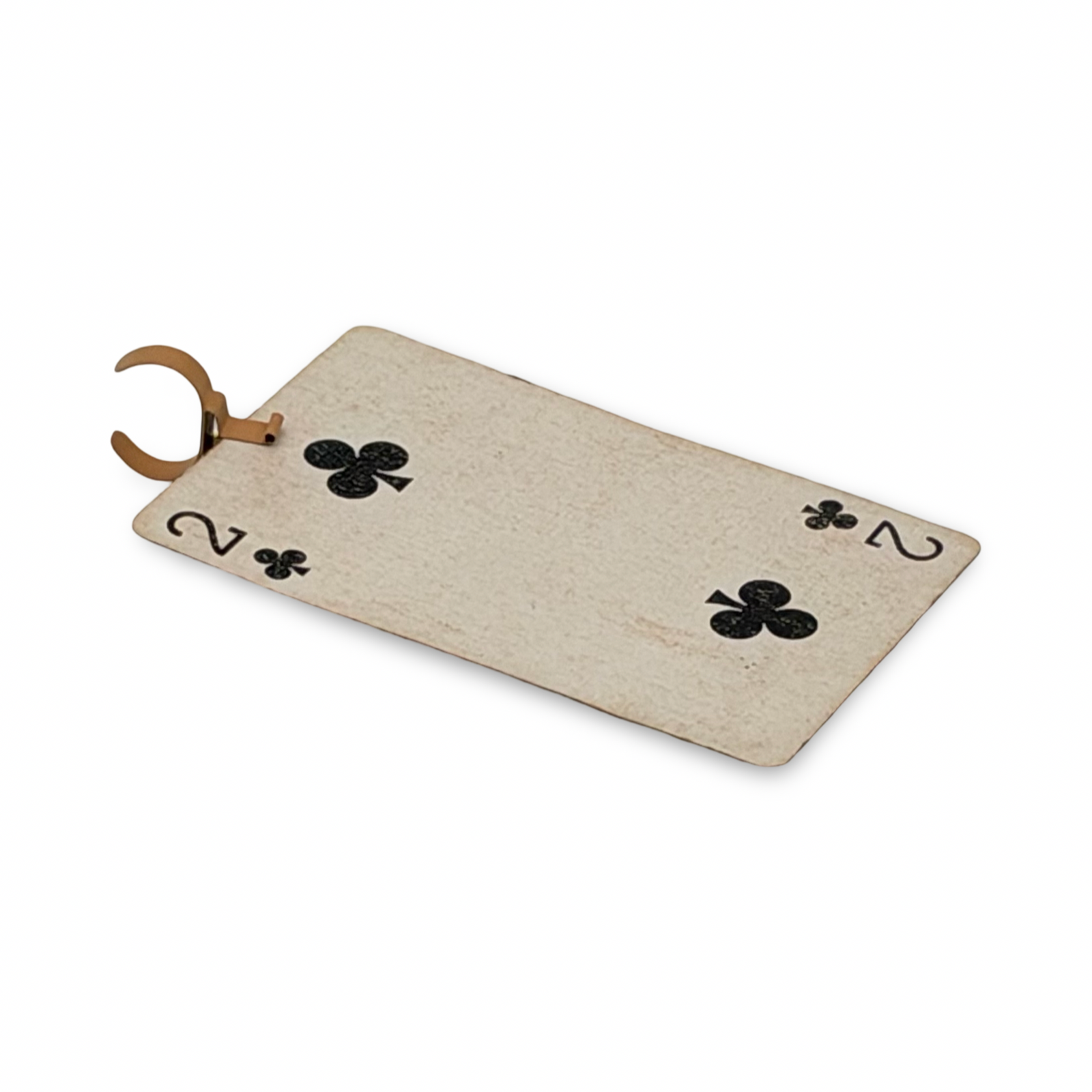
Slow Motion Card Vanish. Owen Magic Supreme, ca. 2000.
A freely selected, unprepared playing card slowly vanishes from between the performer’s hands and may then be made to reappear. Brass gimmick clips to the performer’s thumb and attaches to the card, allowing the effect to be accomplished without rapid movements or flourishes. Includes original Owen Magic Supreme instructions, No. 1917. Very good condition.
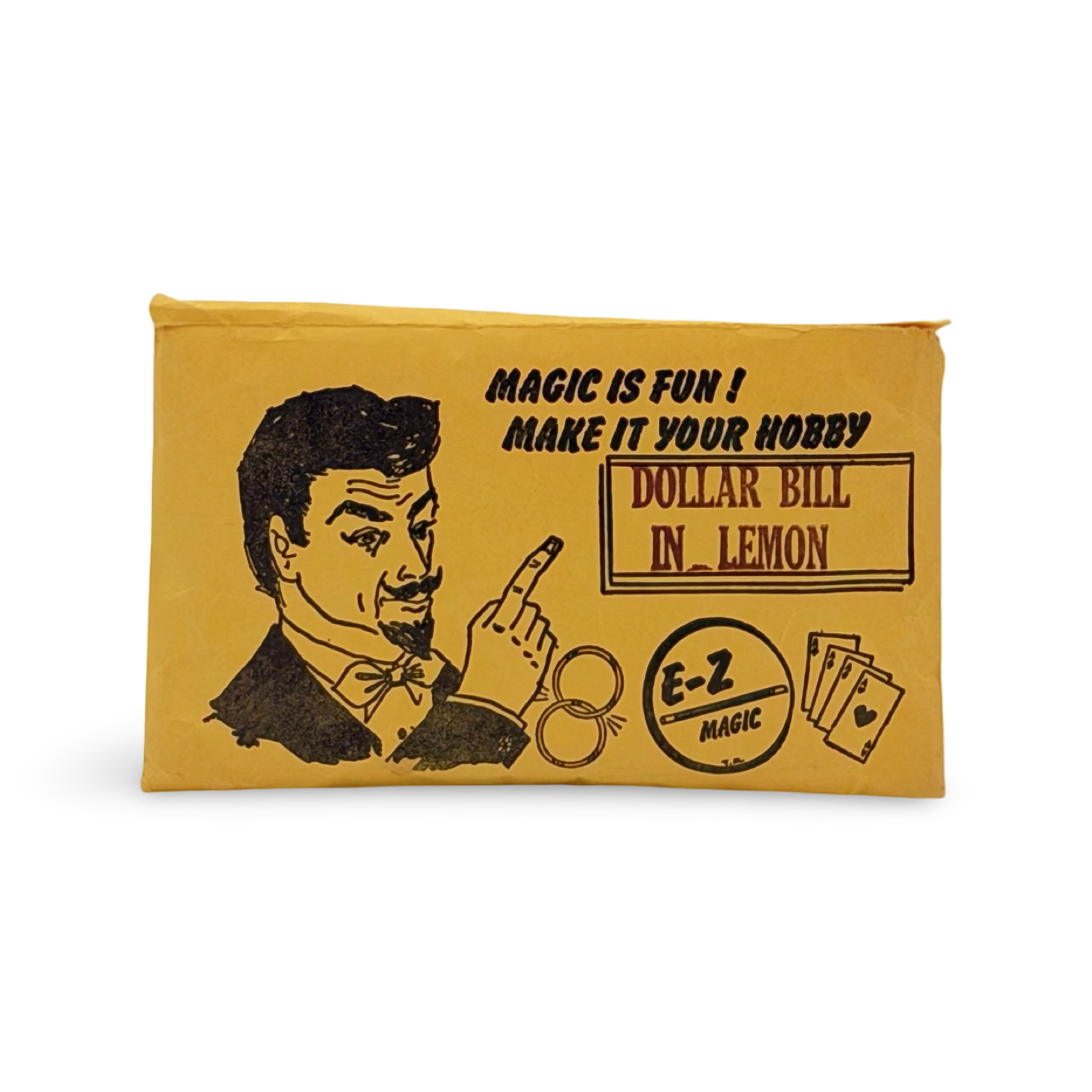
Dollar Bill in Lemon. E-Z Magic, 1951.
A borrowed and marked dollar bill vanishes from a handkerchief and is subsequently discovered inside a lemon or orange. Envelope shows wear from age; contents very good.
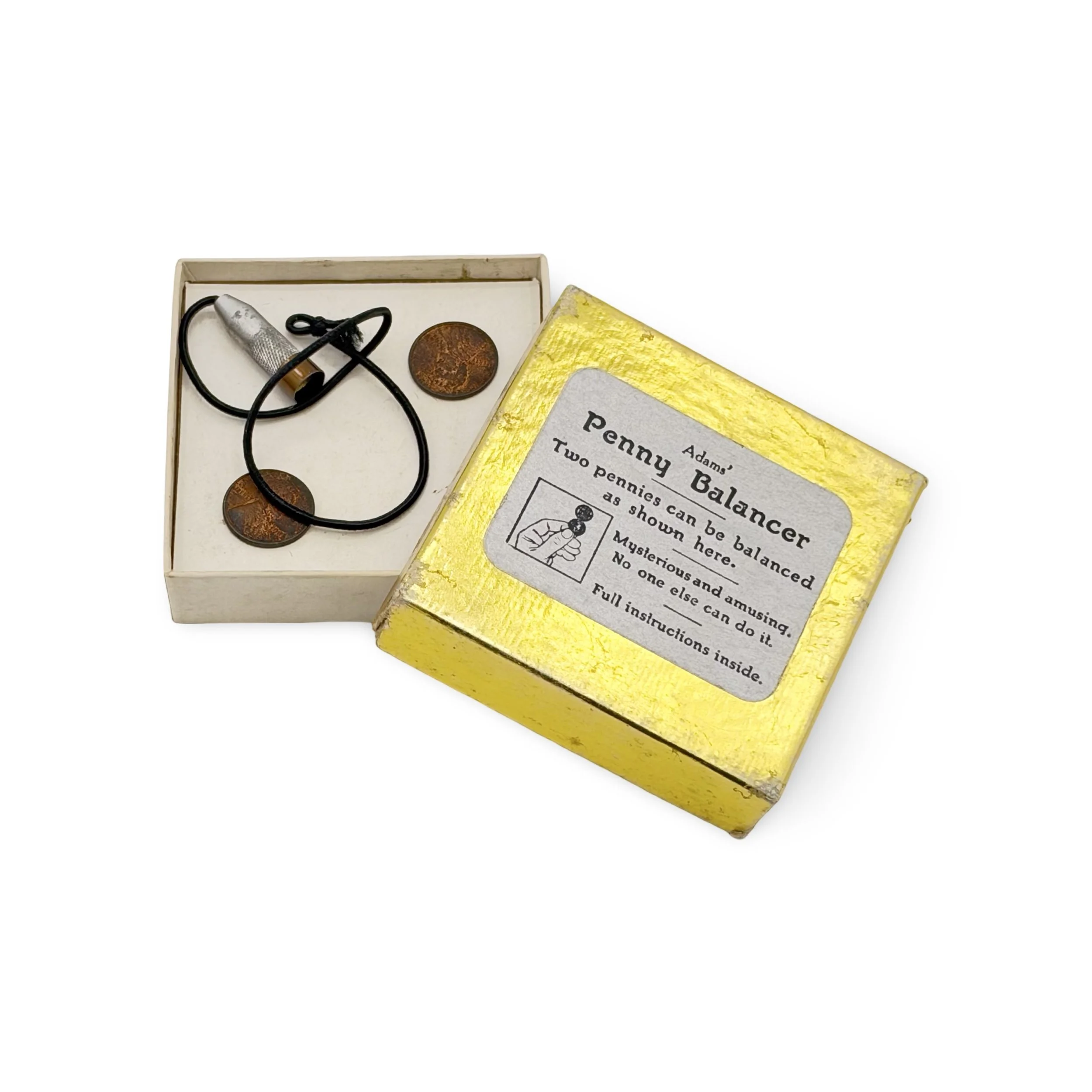
Adams’ Penny Balancer. S.S. Adams Co., ca. 1950s.
A pocket-size novelty in which two pennies are improbably balanced one atop the other at the performer’s fingertip. Includes the balancing apparatus, two pennies, and original gold-colored box with pictorial paper label. Box shows wear consistent with age; contents in very good condition. Instructions not included.
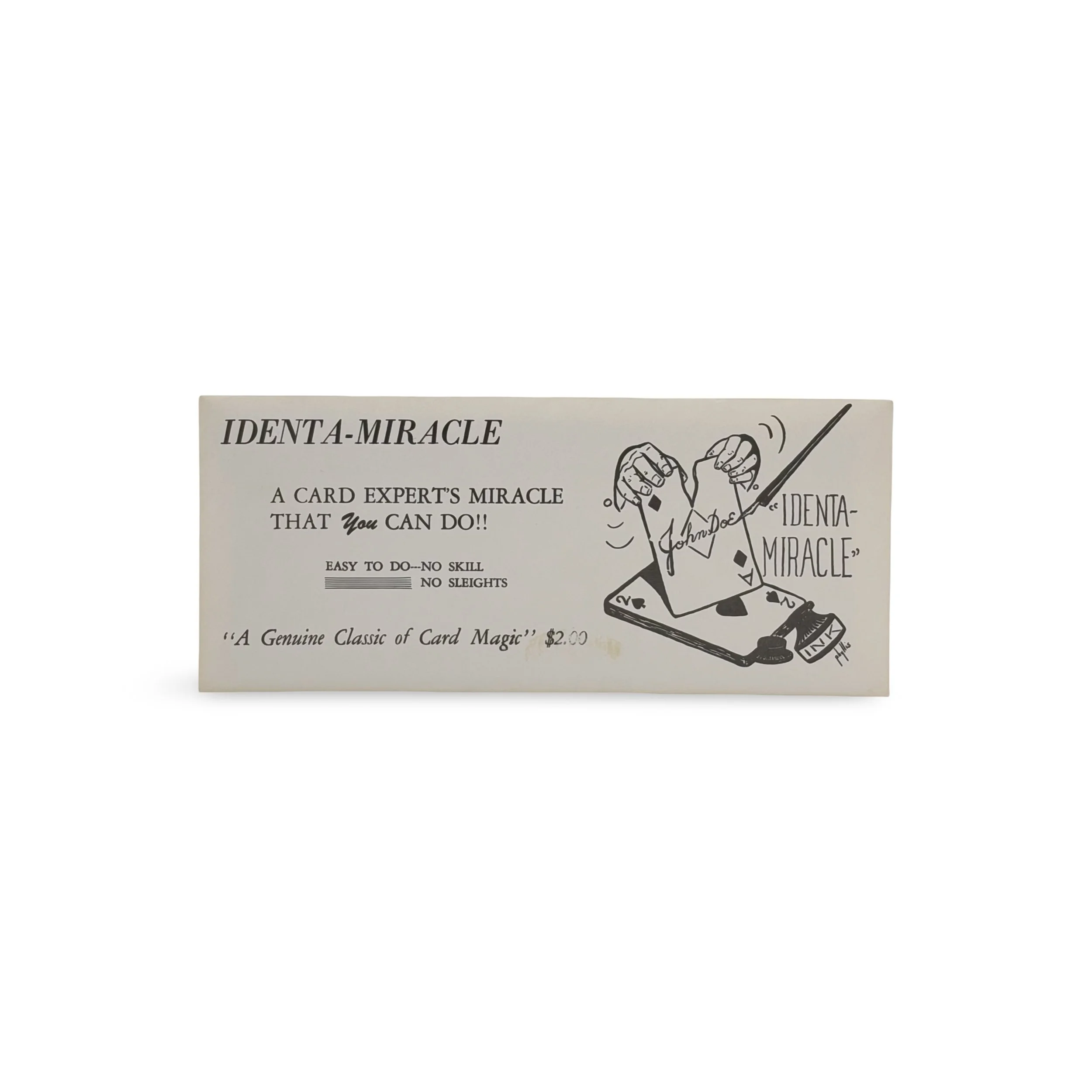
Identa-Miracle. Owen Magic Supreme, ca. 2000s.
A freely selected card is signed by the magician and spectator, torn into eight pieces, with one corner retained by the spectator. The remaining pieces are wrapped in a handkerchief and restored to a single card, with the retained corner matching perfectly. Includes the original illustrated envelope and Owen Magic Supreme instructions. Light wear, else very good.
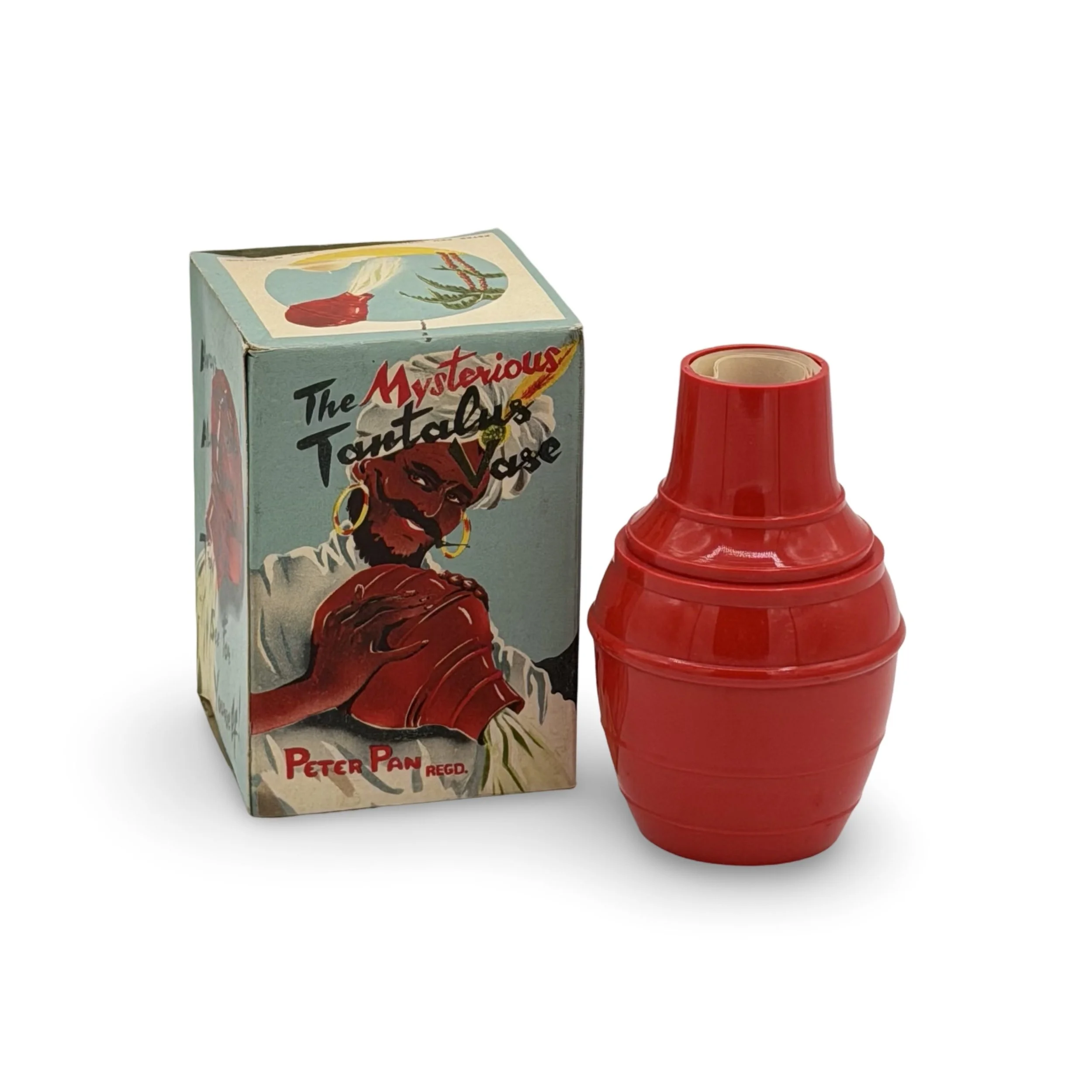
Tantalus Vase. Peter Pan Product, England, ca. 1950s.
A classic inexhaustible-vase effect in which water is repeatedly poured from the vessel, yet it mysteriously refills and may be poured again. Molded in glossy red plastic with an internal reservoir and concealed control in the neck. Includes the colorful original pictorial box and original instructions. Very good condition overall; box shows expected wear from age.
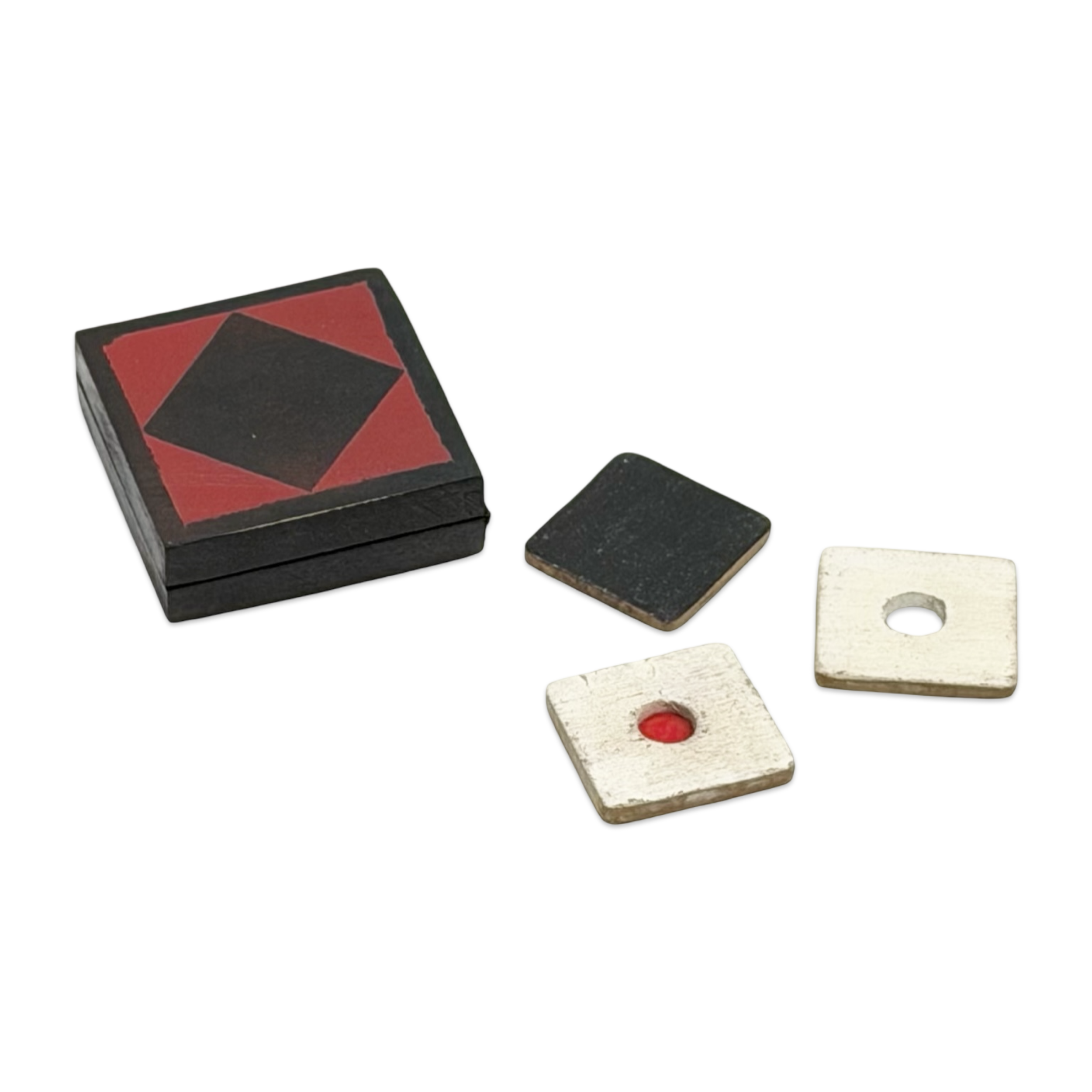
Black & White Transpo. Middlesex: Alan Warner, ca. 1970s [?].
Early painted example of Warner’s miniature transposition effect. A white chip is placed inside the small lacquered box while a black chip is placed in the performer’s pocket. When the box is reopened, the black chip has mysteriously taken the place of the white, which is discovered in the performer’s pocket.
Finished in black and red lacquer and accompanied by the original typewritten instructions. An early example from Warner’s painted Mini-Magic period, predating the later examples more commonly encountered. Shows wear from age and use, including rubbing and losses to the finish; good condition overall.
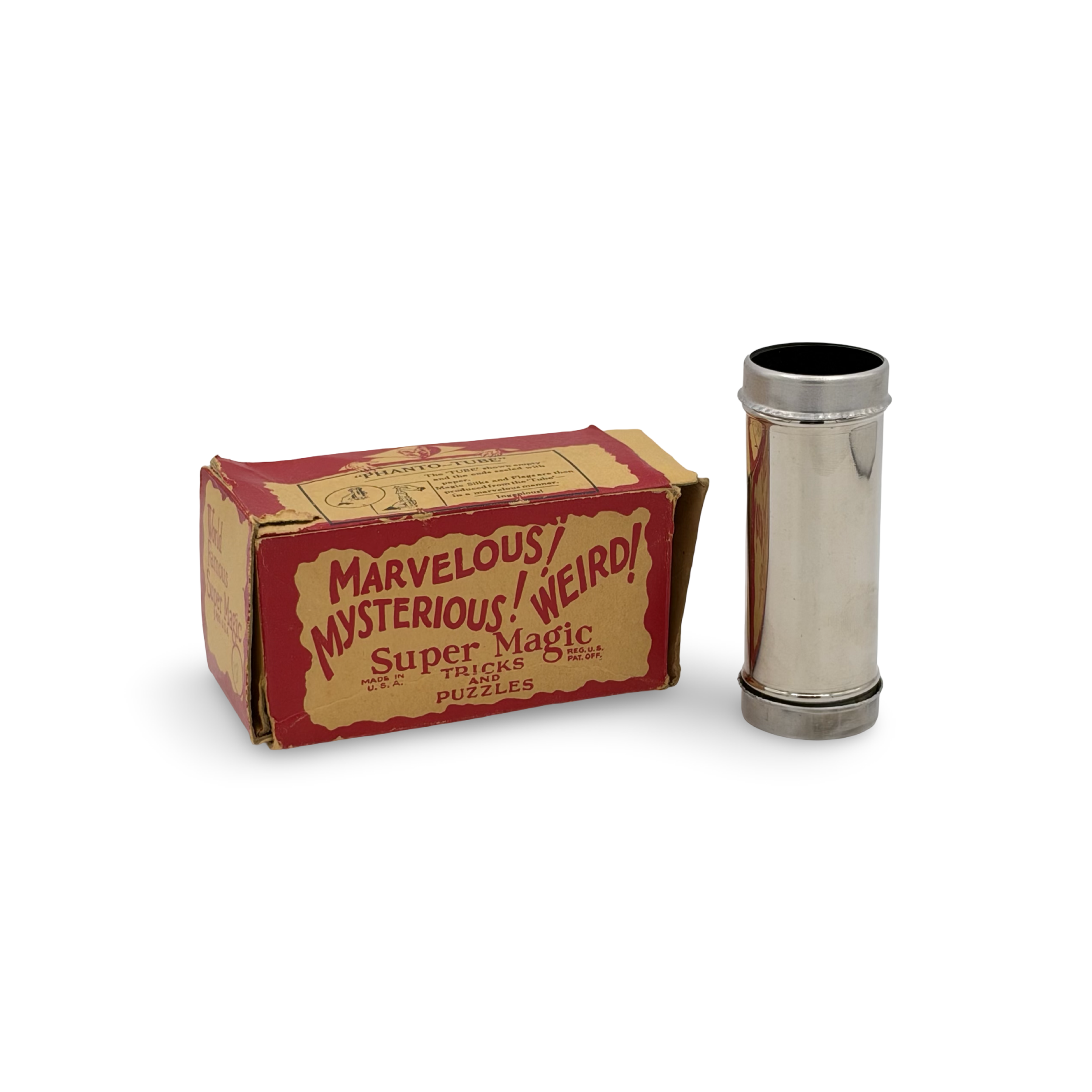
Phanto-Tube. Sherms, ca. 1950s.
A polished metal tube is shown empty and its ends sealed with tissue paper and metal rings. The paper is then broken and silks or flags are produced from within. Retains its colorful original pictorial box and illustrated instructions. Measures 5” high. Box exhibits wear consistent with age; apparatus remains bright and in very good condition.
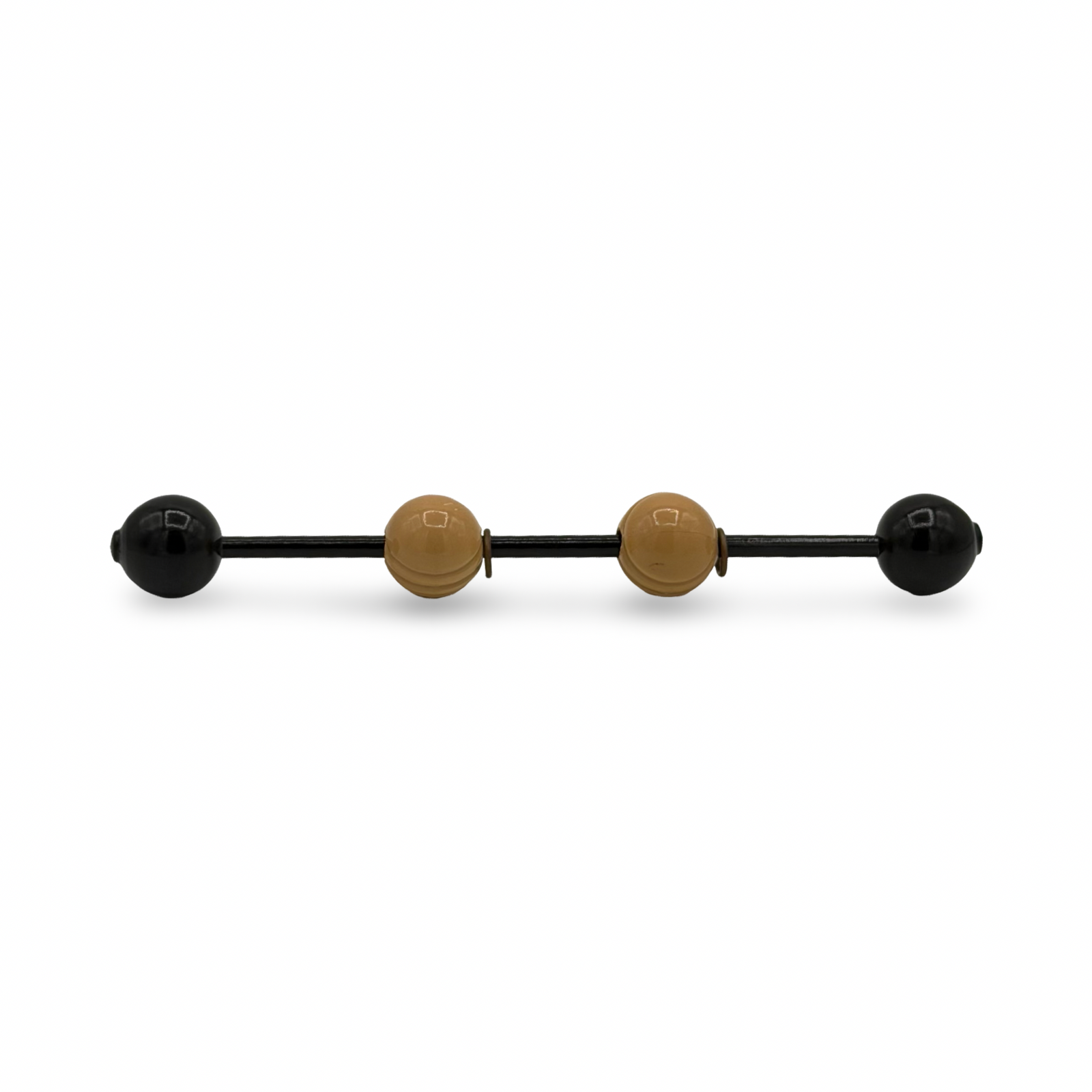
Rod, Ball and Ring Mystery. Ca. 1940s.
A borrowed finger ring vanishes and magically reappears linked to a wooden rod. Finished in black and tan lacquer. Measures approximately 11” long; balls approximately 1 ½” in diameter. Very good condition. No instructions.
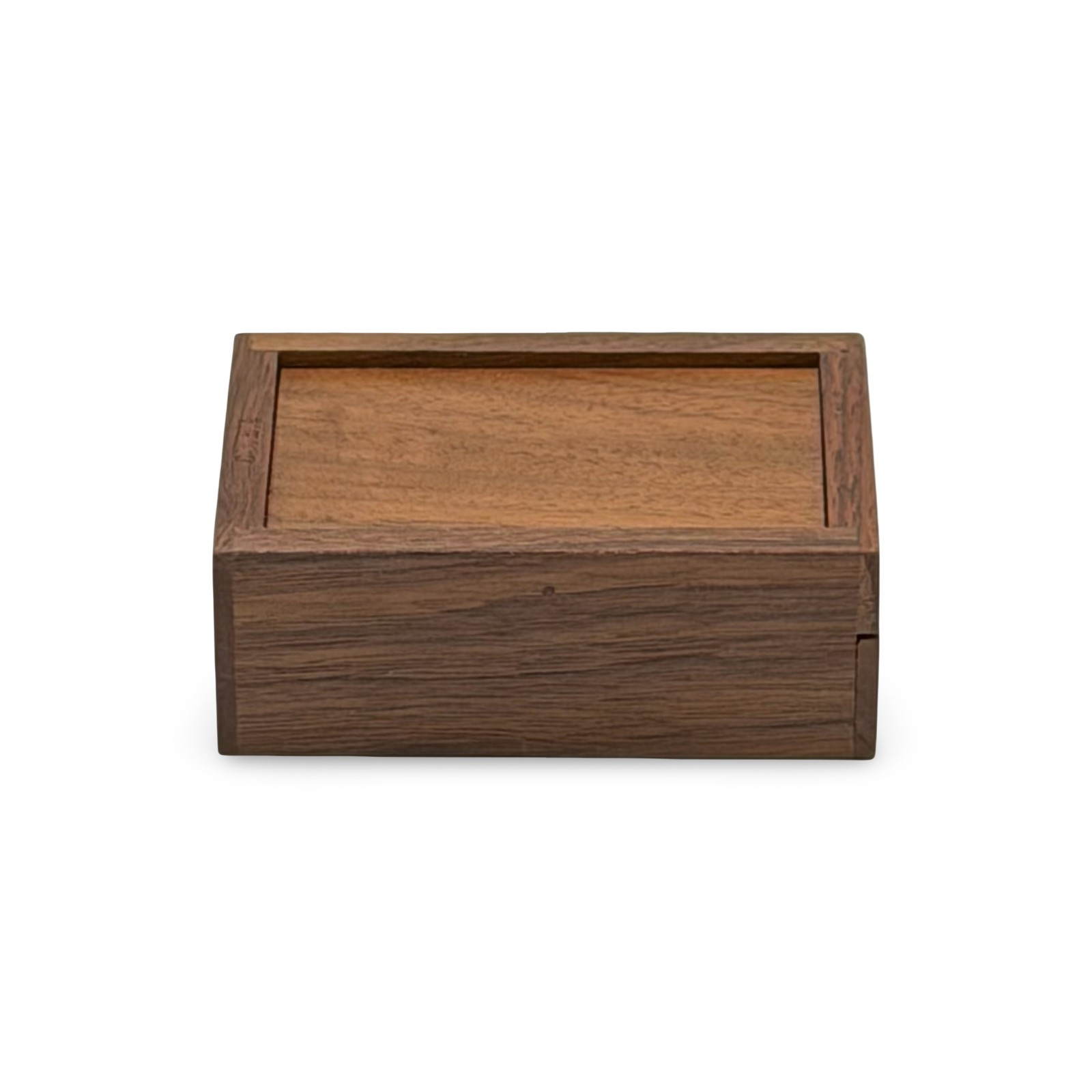
Rattle Box. Azusa: Owen Magic Supreme, ca. 1980s.
Finely made hardwood box for the vanish of a borrowed coin, ring, or other small object. The article is placed inside and can still be heard rattling within the closed box, yet when opened it has mysteriously vanished and may be reproduced elsewhere. Owen catalog no. 1306. New old stock, retaining its original numbered Owen paper wrapper. Hallmarked. As new.

Hello Cigarette. Maker unknown, ca. 1940s–50s.
Commercially produced version of the classic cigarette-from-matchbox effect. The performer pantomimes rolling an imaginary cigarette, then removes a matchbox and strikes a match. As the imaginary cigarette is brought to the lips, a genuine cigarette unexpectedly appears and is lit.
Includes the original illustrated box, prepared Sexton safety matchbox, gimmick, and illustrated instructions. Box and instructions show age and handling wear; overall very good condition.
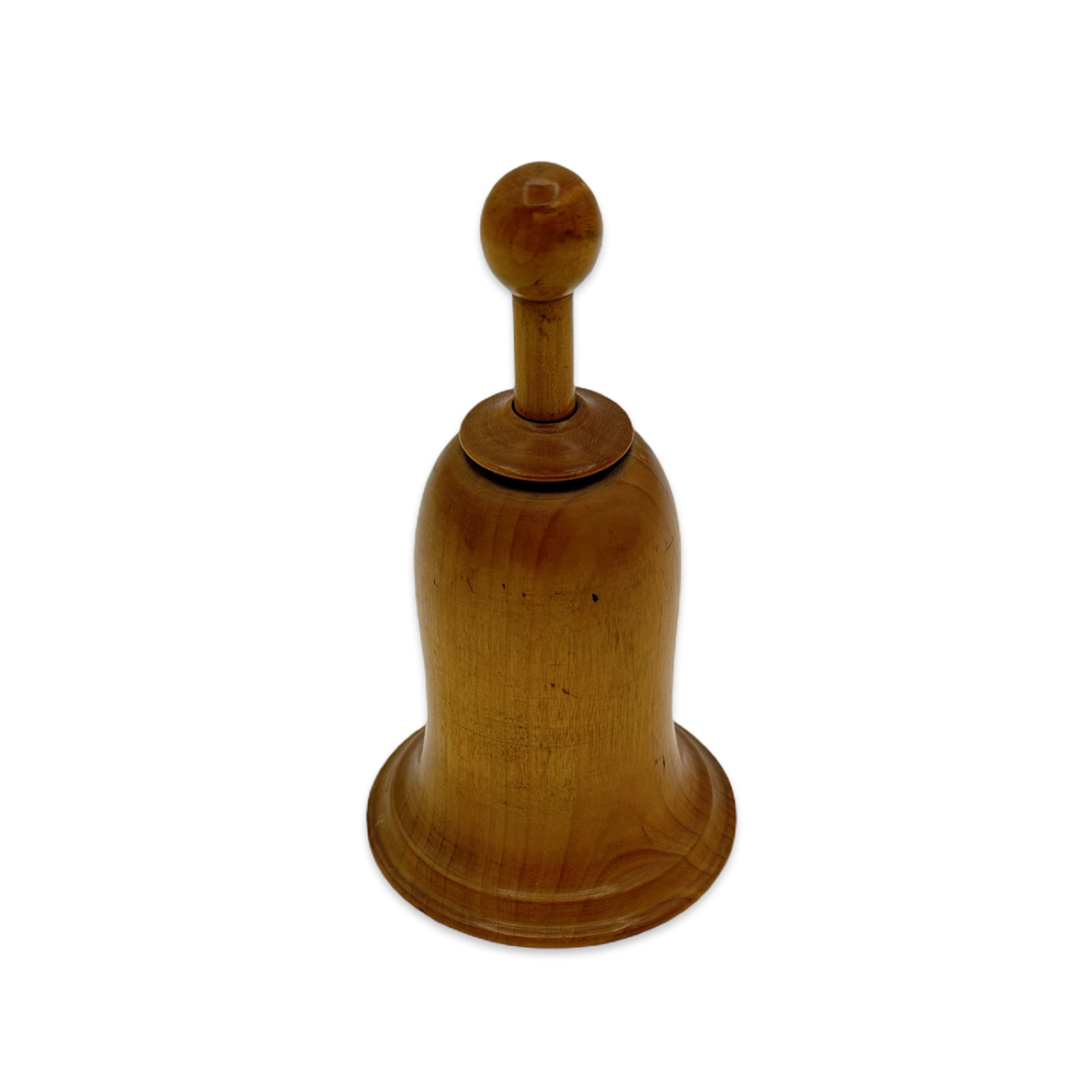
Millet Bell. Maker unknown, ca. 1910.
A quantity of millet or rice vanishes from one vessel and reappears beneath the bell. Finely turned hardwood construction with a natural finish and red-painted interior.
Measures approximately 4.5" high and 2.375" in diameter at its widest point. Shows light wear consistent with age and use. Very good condition.
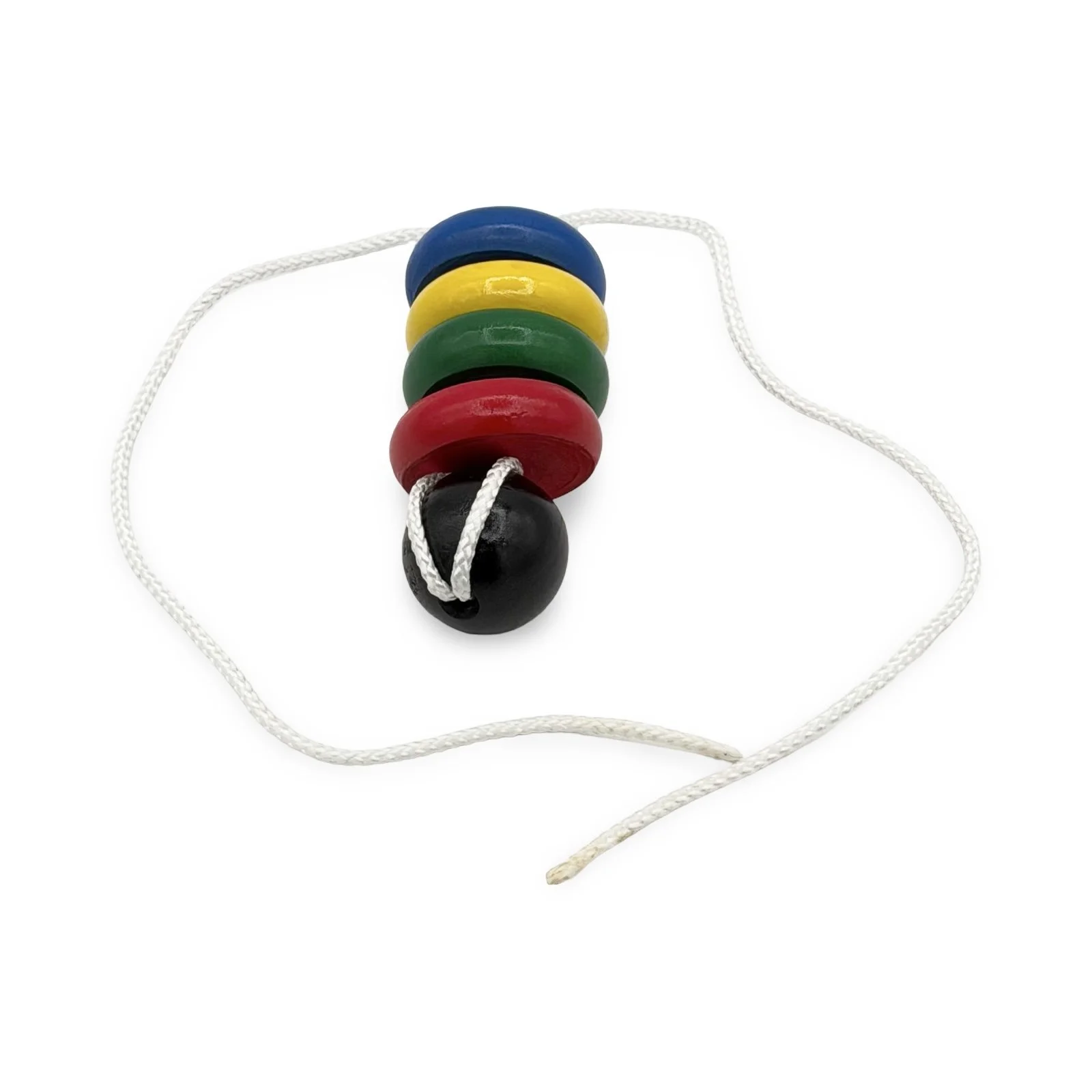
Dis-Kor-Bal. New Haven: Petrie & Lewis, ca. mid-20th century.
Colorful wooden penetration effect in which four discs are threaded onto a length of rope above a ball. The ends of the rope are passed through holes in a handkerchief and held by spectators, yet beneath its cover the discs mysteriously penetrate the rope and are removed, leaving the ball securely in place. Finished in red, green, yellow, blue, and black lacquer. Includes rope, handkerchief, and photocopied instructions. Very good condition. Uncommon.
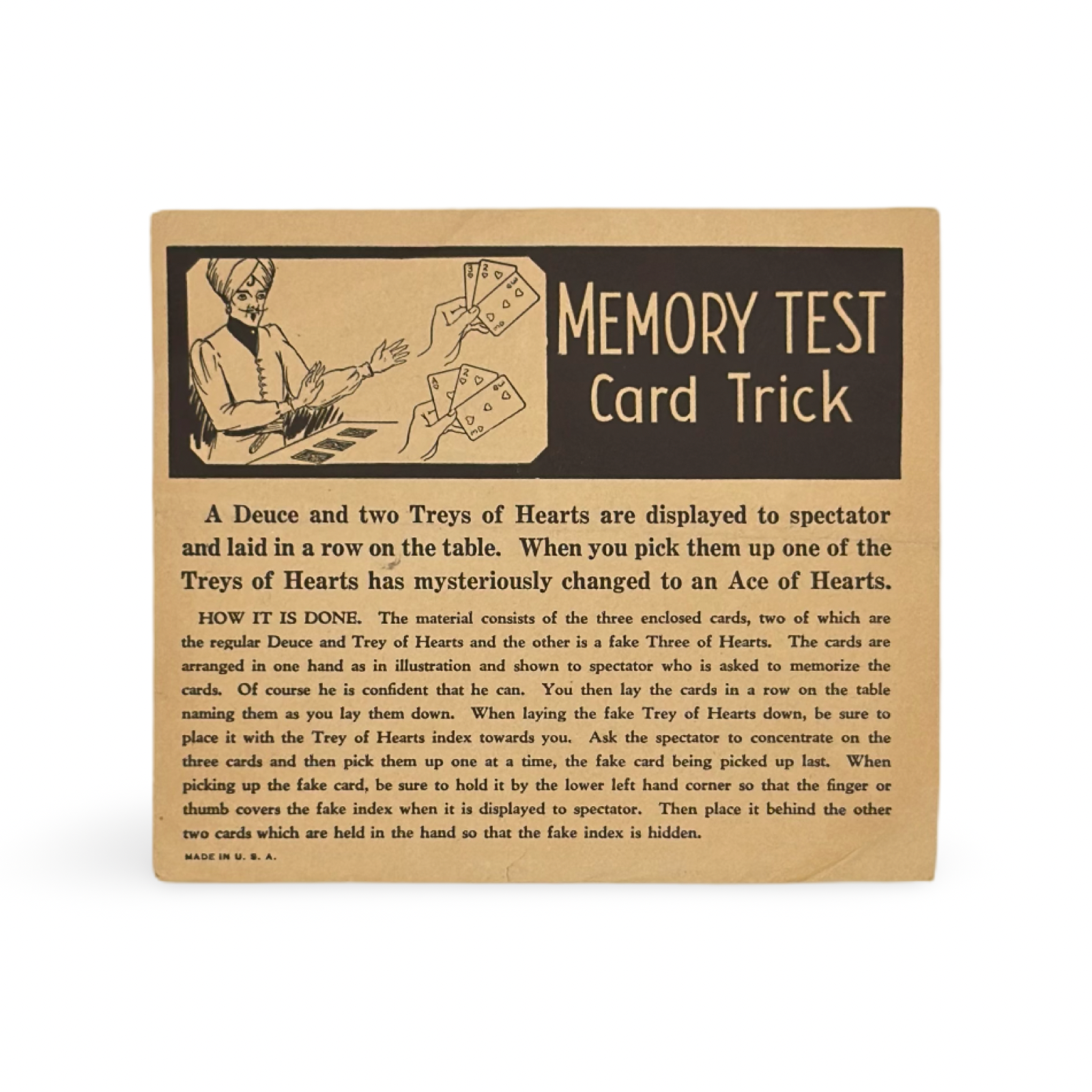
Memory Test Card Trick. American, ca. 1940s.
Pocket card effect in which a Deuce and two Threes of Hearts are displayed and placed on the table. When the cards are gathered, one of the Threes apparently changes into the Ace of Hearts. Accomplished with three specially printed cards.
Includes the three cards and original illustrated instruction envelope. Also accompanied by a period “Air Raid Warden” novelty card found inside the envelope, though not believed to have been originally issued with the trick. Light toning and wear from age; very good condition overall.
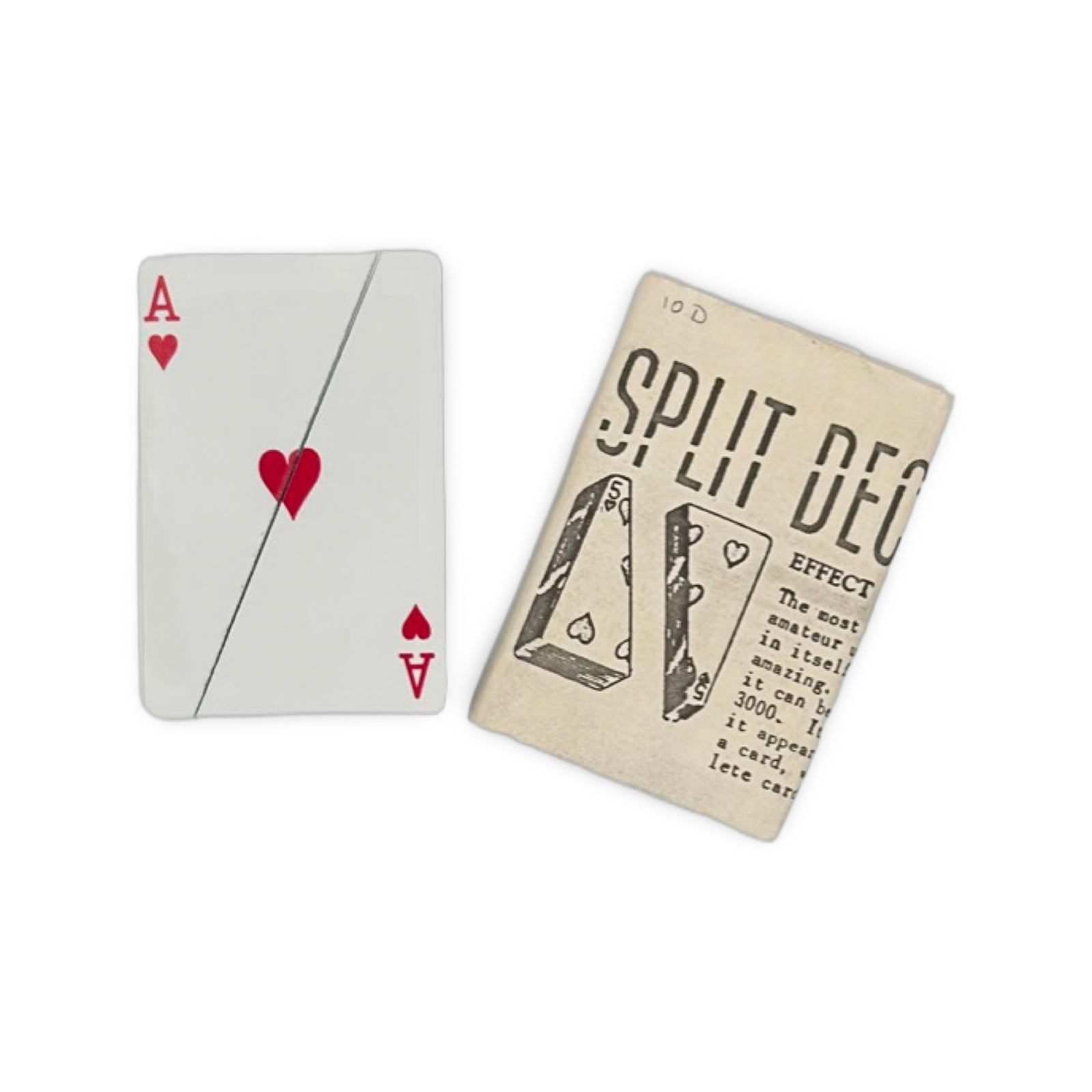
Split Deck. Merv Taylor/Owen Magic Supreme, ca. 2000.
Classic card effect devised by Bob Haskell. Two spectators each select a half-card; when the corresponding halves are brought together, they form a complete matching card. Produced using Fox Lake playing cards. Includes the specially prepared deck and original printed instructions. New old stock.

Sho-Gun Wallet. London: Jerry O’Connell London/PropDog, contemporary.
Fine leather switching wallet based on the original design of Elbert L. Gardner and produced by Jerry O’Connell London and PropDog under authorization from Gardner. The cleverly constructed wallet permits a variety of changes, switches, productions, and predictions while retaining the appearance of an ordinary billfold.
Handcrafted in black leather and embossed with the Jerry O’Connell London mark. Includes original presentation box and QR-code instructions. As new.
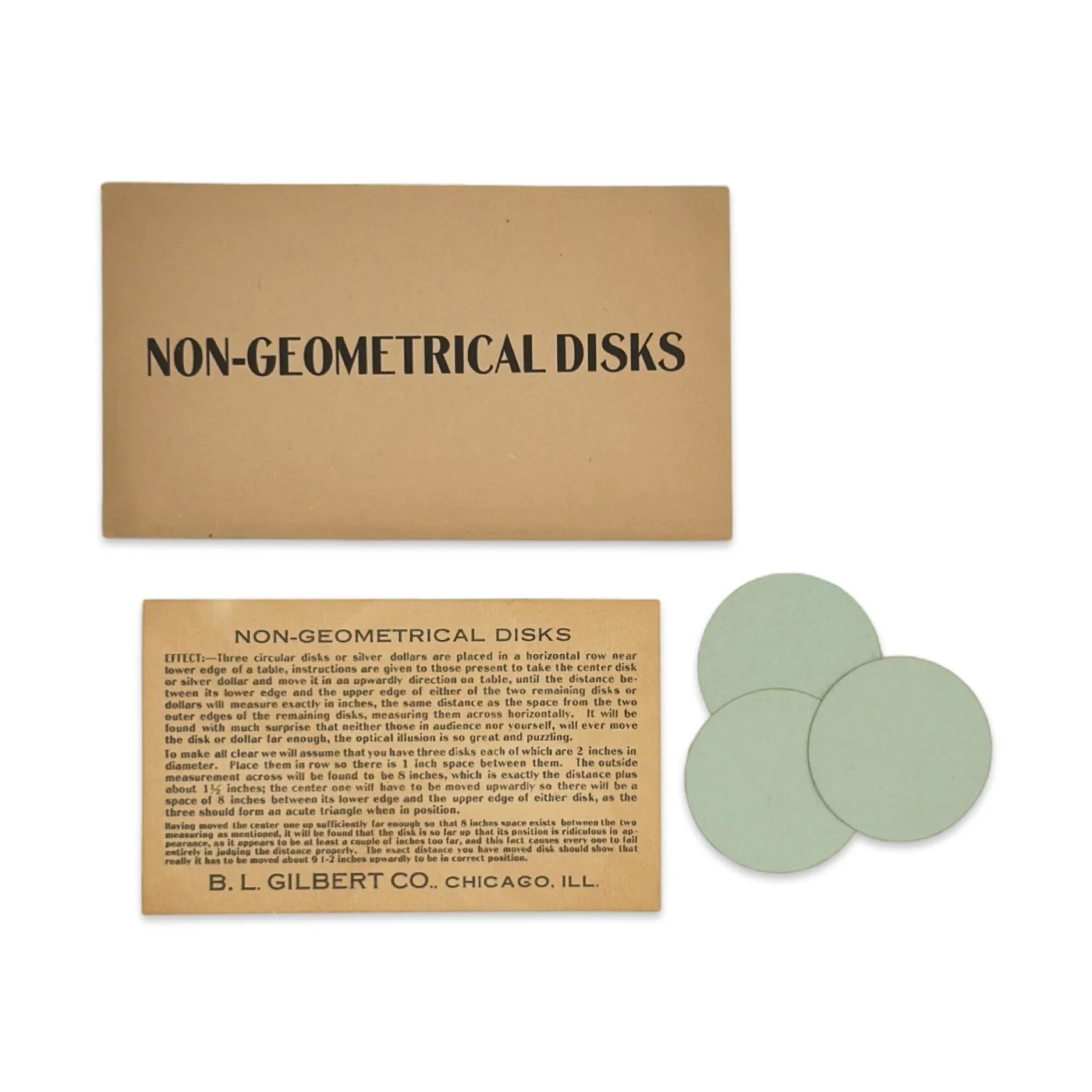
Non-Geometrical Disks. Chicago: B. L. Gilbert Co., ca. 1940s.
Optical illusion consisting of three circular disks which, when arranged according to the supplied directions, create the appearance that the distances between them are unequal despite measuring the same. Includes three pale green disks, printed instruction card, and original titled envelope. Envelope and instructions toned with light age-related wear; disks very good. An unusual Gilbert pocket novelty, complete with its original packaging.
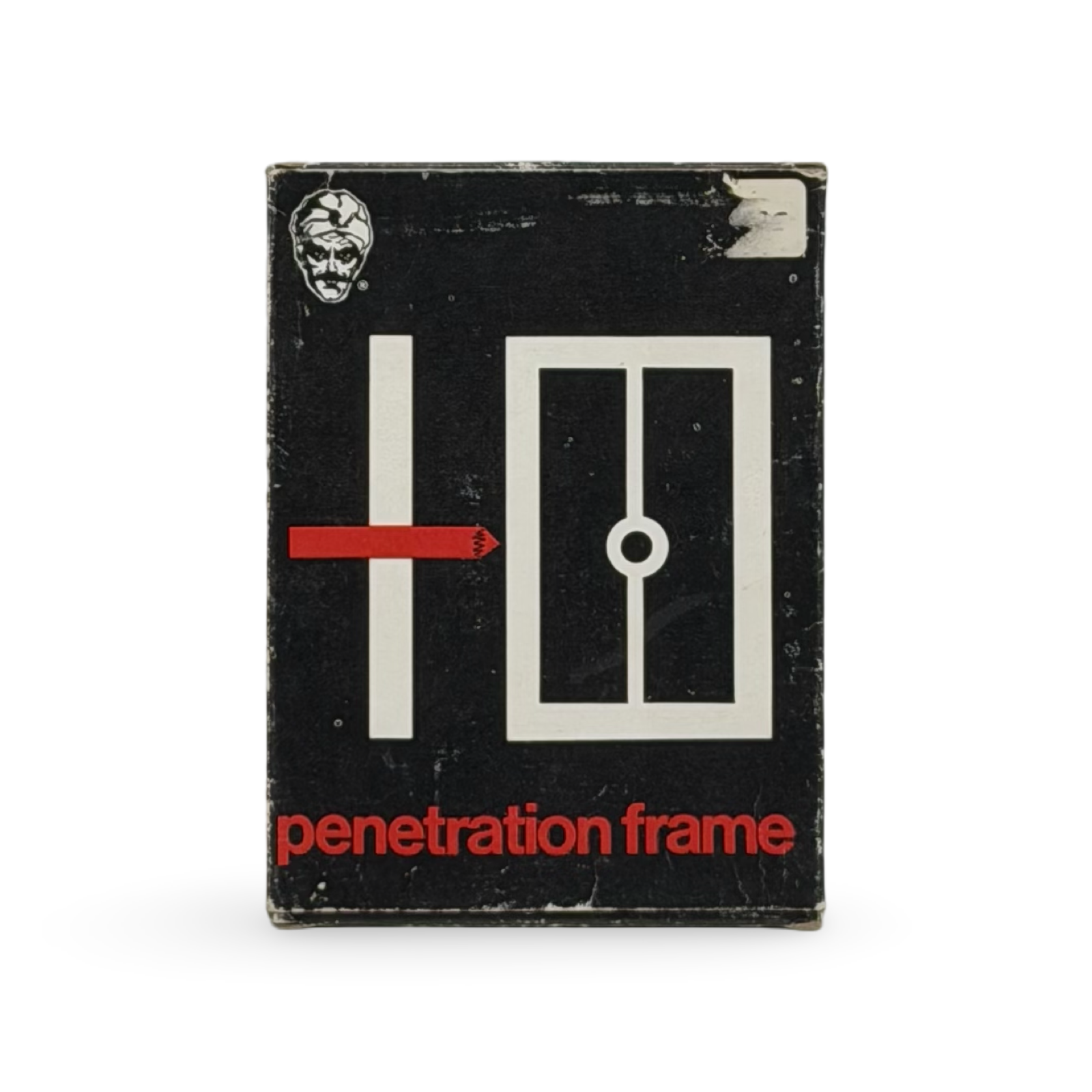
Penetration Frame. Chicago: Royal Magic/Fun, Inc., ca. 1970s.
Classic close-up penetration effect. Playing or business cards are placed on either side of the frame, completely covering its solid transparent center. A borrowed pencil is then pushed directly through the cards and center; when the cards are removed, they are pierced while the plastic remains unharmed. The frame may be examined before and after the effect. Includes the original illustrated box and instructions. Box shows wear from age and storage; apparatus in very good condition.
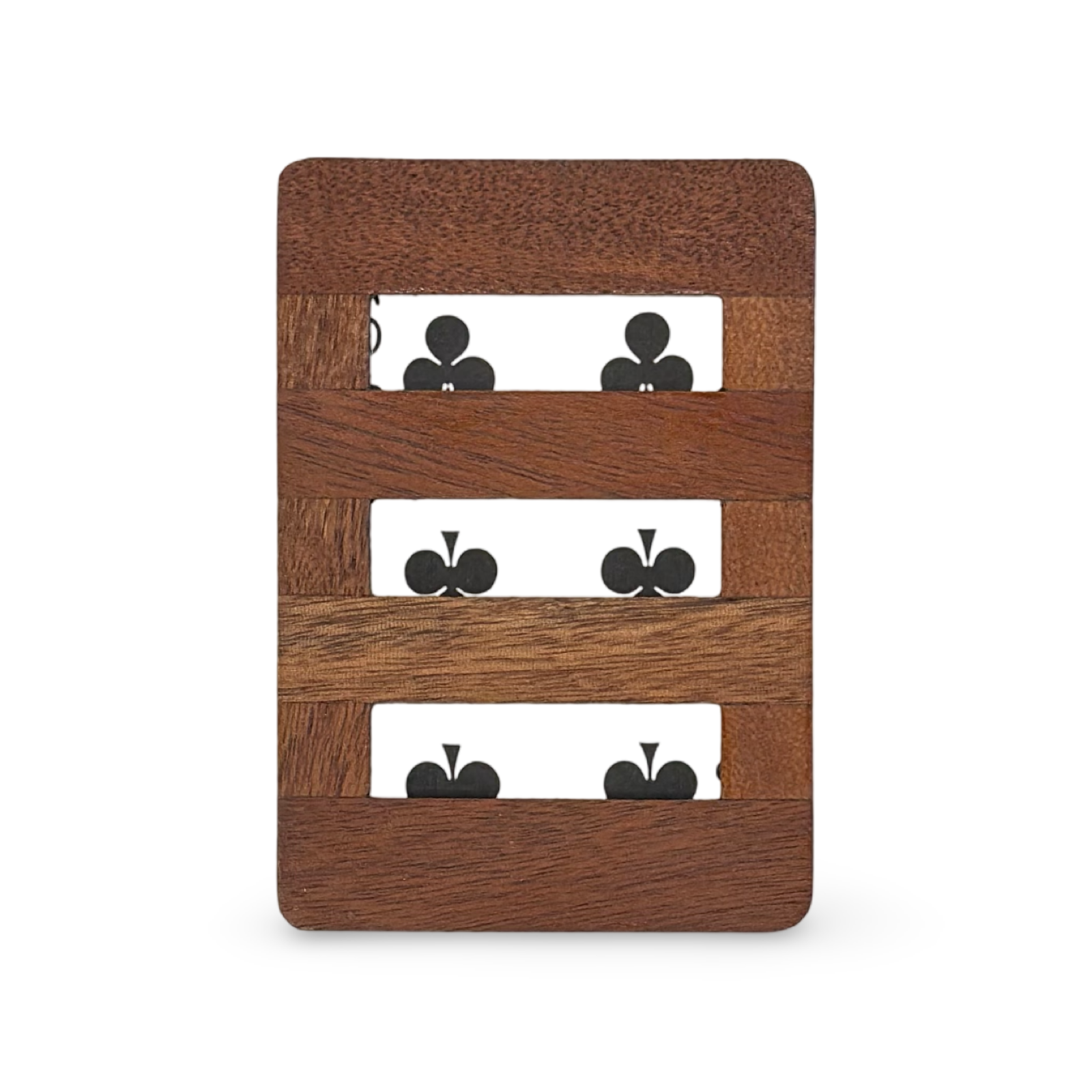
Simplex Slat Card Frame. Joe Berg, Viking-Haenchen Magic Co., ca. 2000.
Hardwood card vanish in which a selected playing card is placed within a wooden frame, visibly imprisoned behind three horizontal slats. With a pass of the performer’s hand, the card instantly vanishes, after which the frame may be shown from both sides. Finely constructed in hardwood. Includes original illustrated instructions. Measures approximately 4 × 2.75 inches. As new.
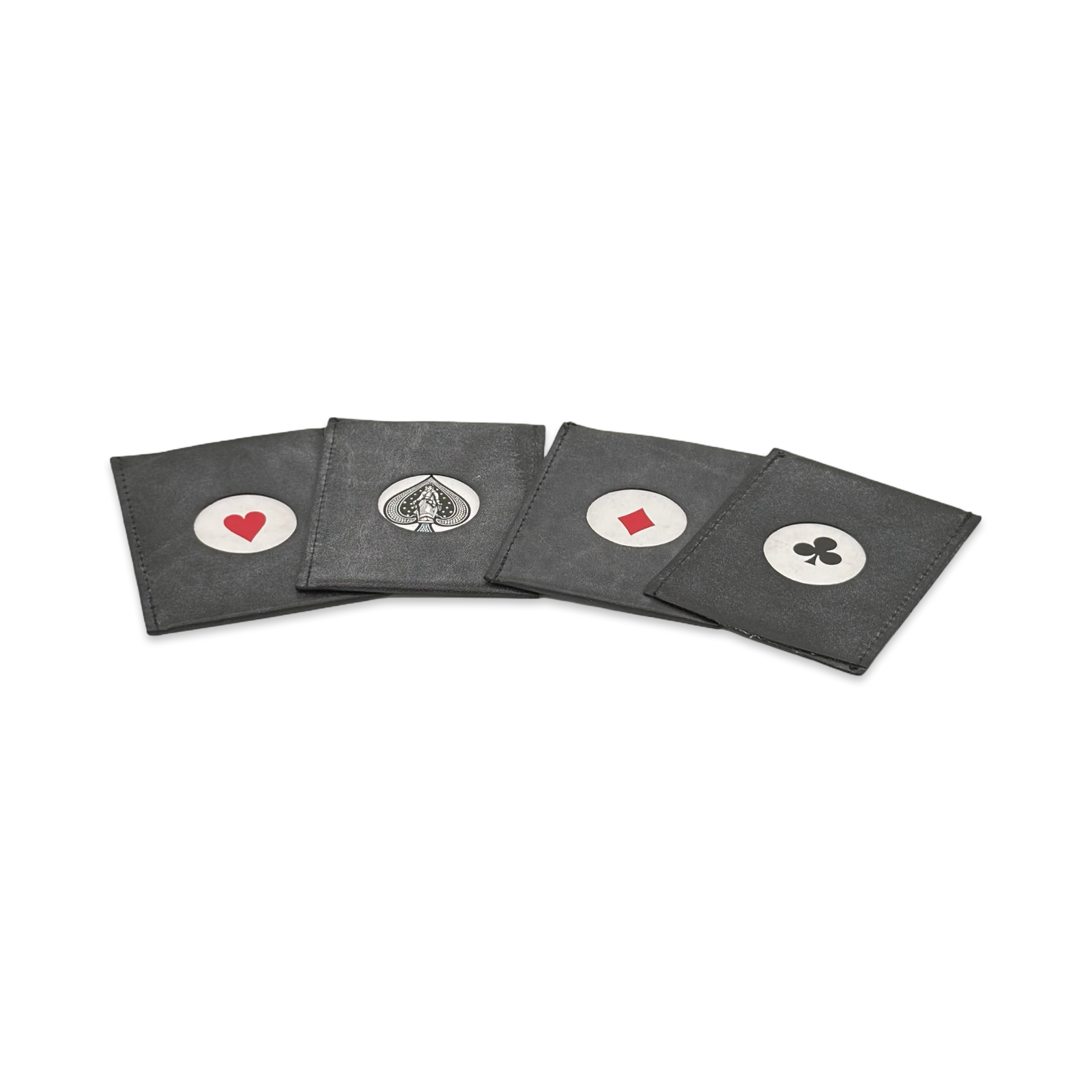
Leather Impact. Howard Schwarzman’s Limited Editions, ca. 1980s.
Original Howard Schwarzman production of Roy Walton’s Impact, adapted for leather wallets from an idea by Frank Garcia. Four wallets are shown, each containing a face-down Ace visible through a circular opening. After a spectator selects a suit, the wallets repeatedly and inexplicably reverse orientation, culminating with the selected Ace visibly turning face up inside its wallet.
One of the most popular releases in Schwarzman’s Limited Editions line and later reproduced in a newer edition. This is an original Howard Schwarzman issue, comprising four leather wallets, the necessary cards, and original instructions. As new.
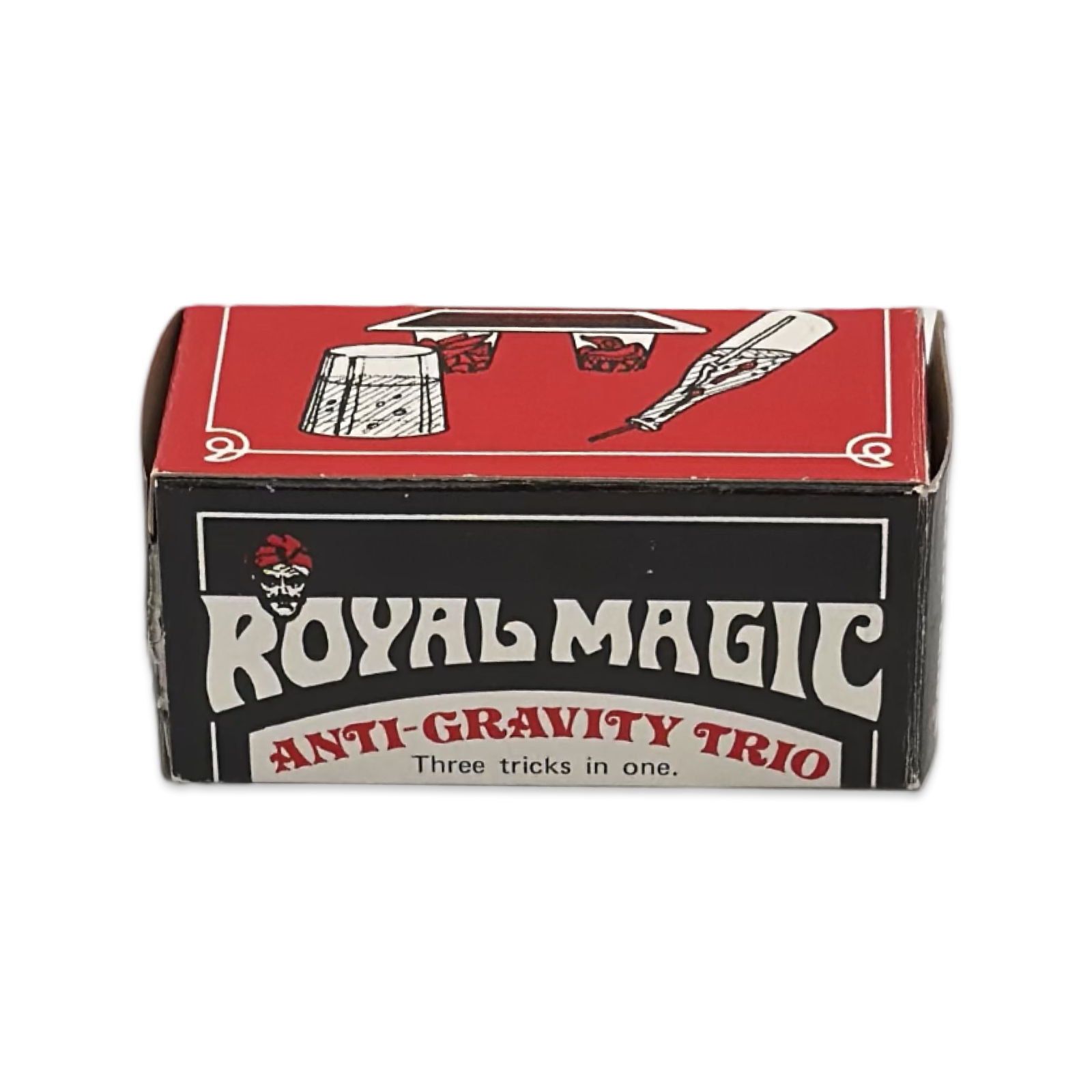
Anti-Gravity Trio. Royal Magic, ca. 1970s.
Three classic anti-gravity effects packaged as a single set. The performer can invert a bottle of liquid without spilling its contents, turn a full glass upside down while the liquid remains suspended, and cause inverted glasses to cling to a book or similar object. Includes the necessary gimmicks, original instructions, and original illustrated Royal Magic box. Box shows light wear from age and handling; contents in very good condition.
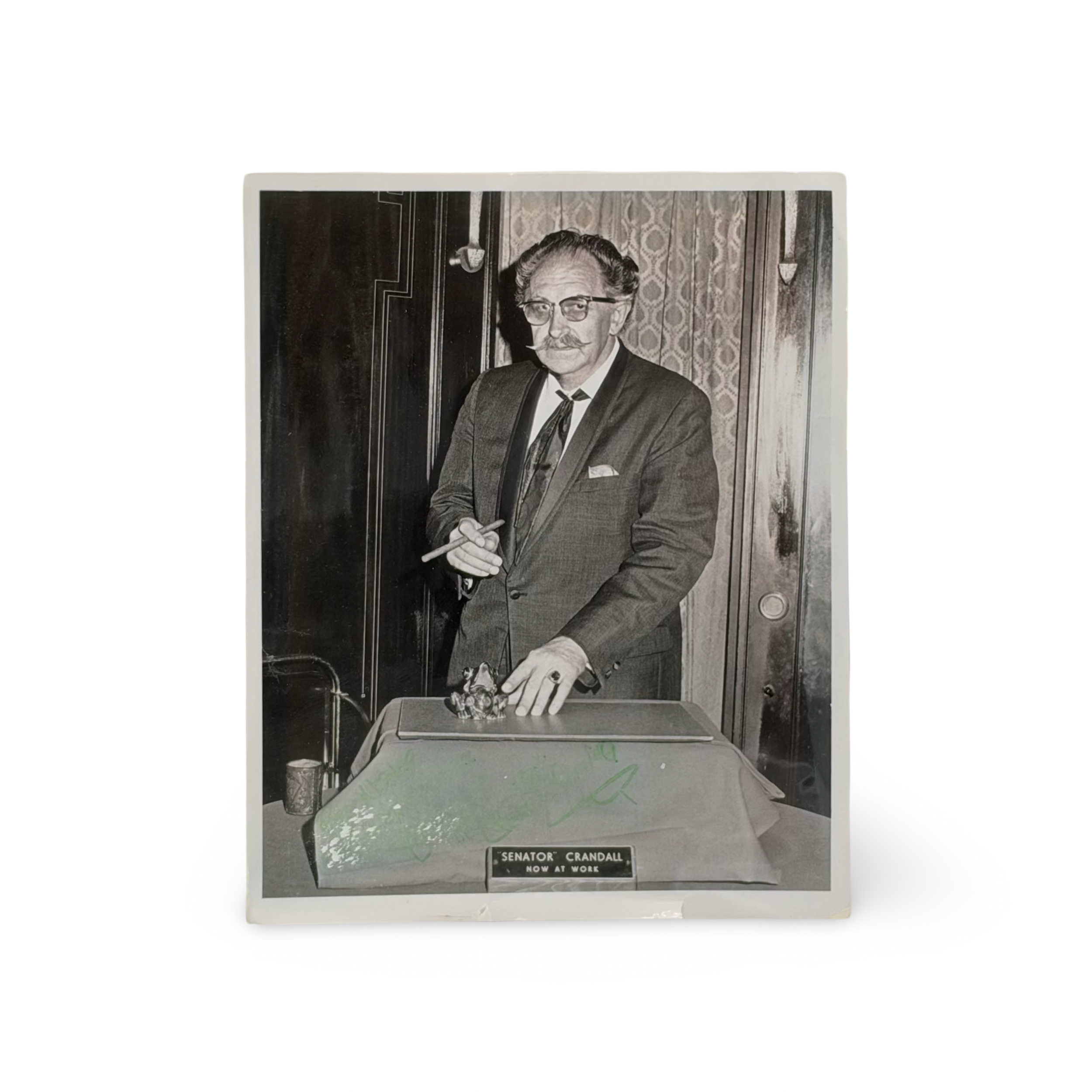
Senator Crandall Signed Photograph. Ca. 1960s.
Vintage black-and-white photograph of Senator Crandall performing at a close-up table, with a nameplate reading “Senator Crandall — Now at Work.” Signed in green ink, though the signature is worn and no longer legible. Approximately 8 × 10". Minor wear and creasing. Very good.
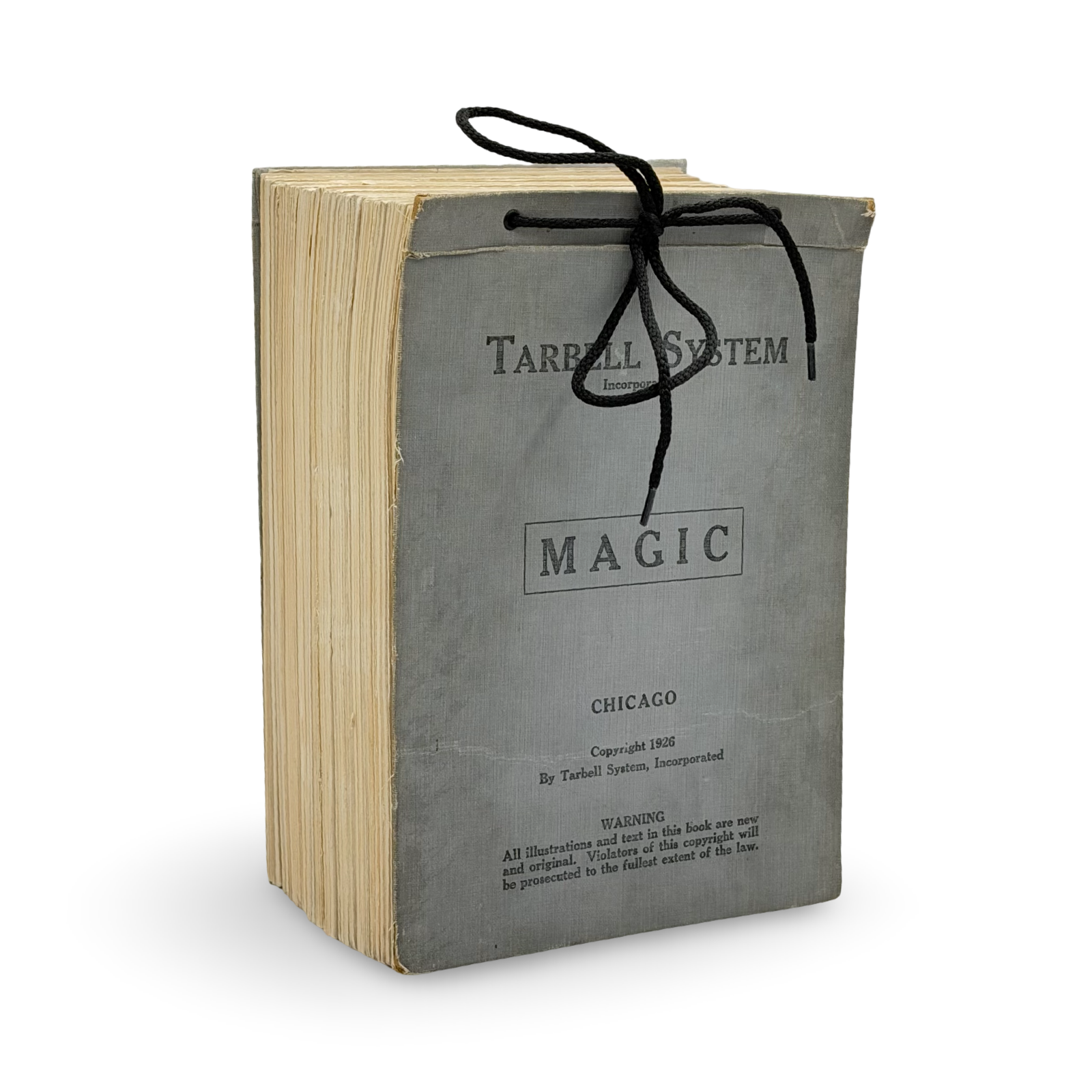
The Tarbell Course in Magic. Chicago: Tarbell System, Incorporated, 1926. Complete file of Harlan Tarbell’s celebrated mail-order course in magic, comprising Lessons 1–60 and the index, extensively illustrated throughout. The individual lessons are gathered between the original cloth covers and secured with the cord binding. The index bears the stamp of Kanter’s Magic Shop, Philadelphia, along with handwritten notes referencing individual lessons and effects. A scarce complete example of the original correspondence course that would later form the basis of the Tarbell Course in Magic books. Covers show wear and pages are toned from age.
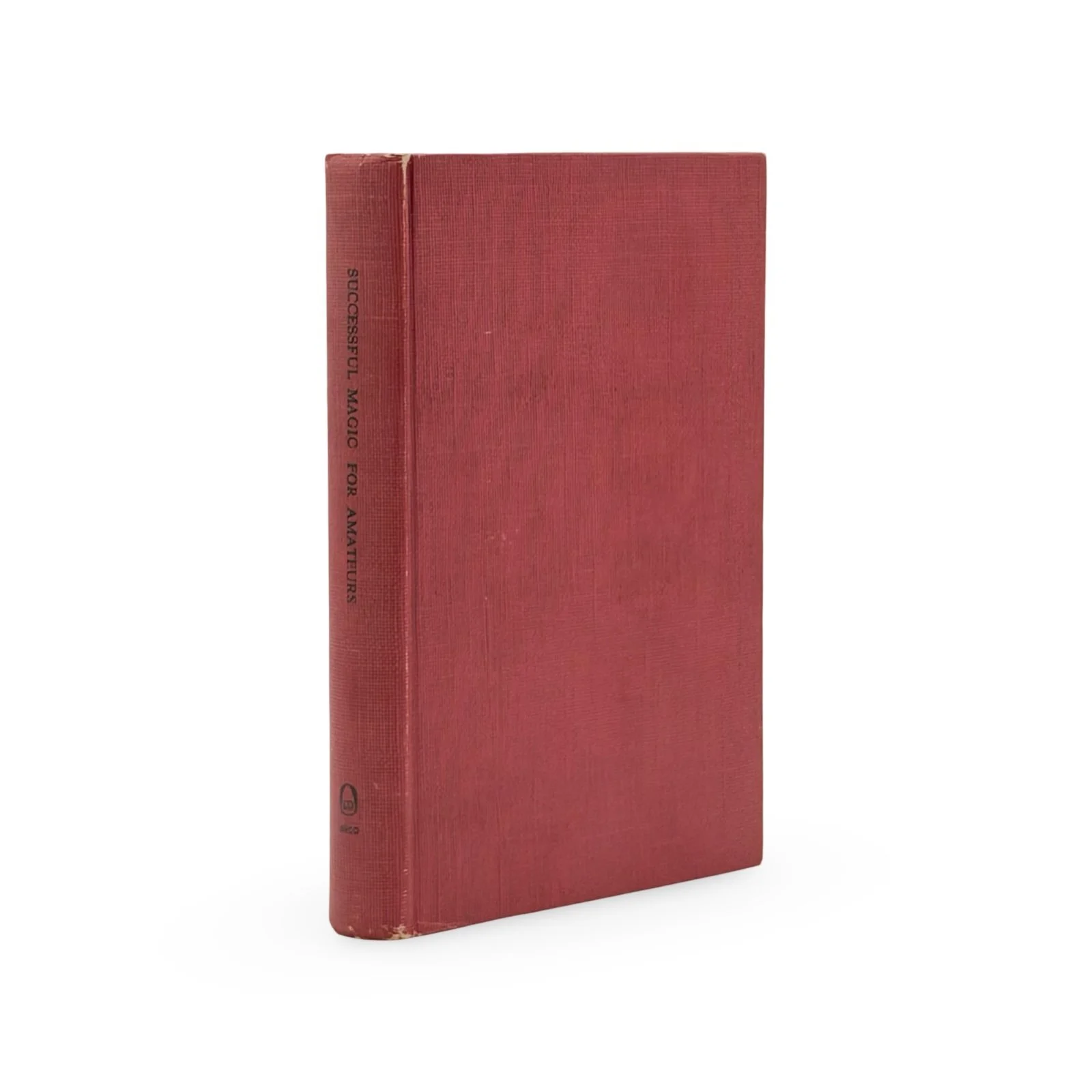
Successful Magic for Amateurs. New York: Arco Publishing Company, n.d. By Norman Hunter; edited by F. J. Camm.
A substantial handbook of practical magic for the amateur magician, covering a broad range of tricks, techniques, and presentations. 383 pages. Printed in Great Britain. Bound in red cloth with titles to spine. Light wear to spine ends and extremities; contents clean and binding tight. No dust jacket. Very good.
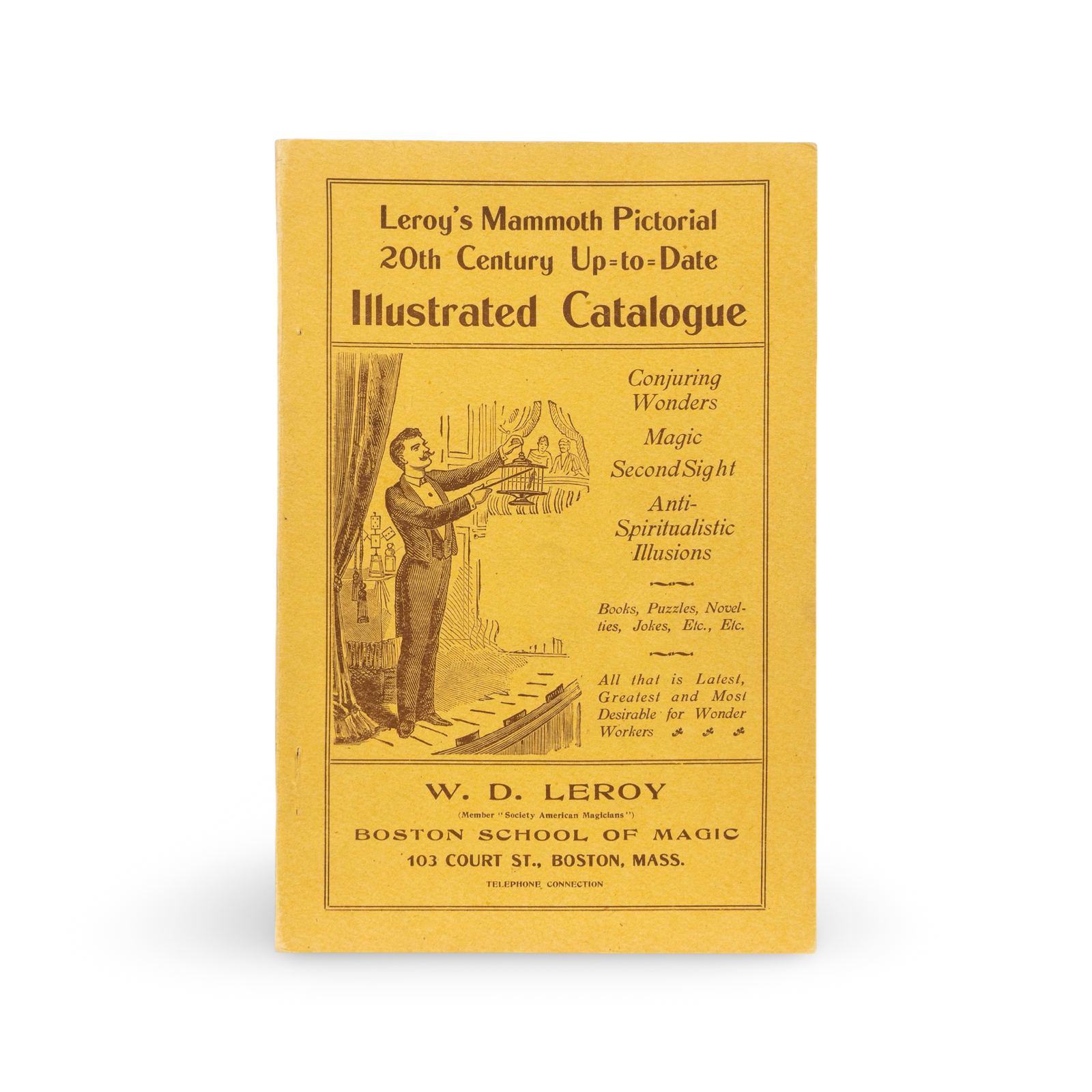
Leroy’s Mammoth Pictorial 20th Century Up-to-Date Illustrated Catalogue. W. D. LeRoy, Boston School of Magic, Boston, ca. 1900s–1910s.
Extensively illustrated catalogue of conjuring apparatus, illusions, books, puzzles, novelties, and related goods offered by W. D. LeRoy’s Boston School of Magic. 213 pages, with several inserted portraits of prominent magicians. Of particular note is a tinted portrait of Harry Houdini; the other inserted portraits are printed on white paper.
Original pictorial wrappers. Light rubbing and wear, with creasing and light sunning to the spine and occasional minor wear and creasing to the contents. Very good condition overall.
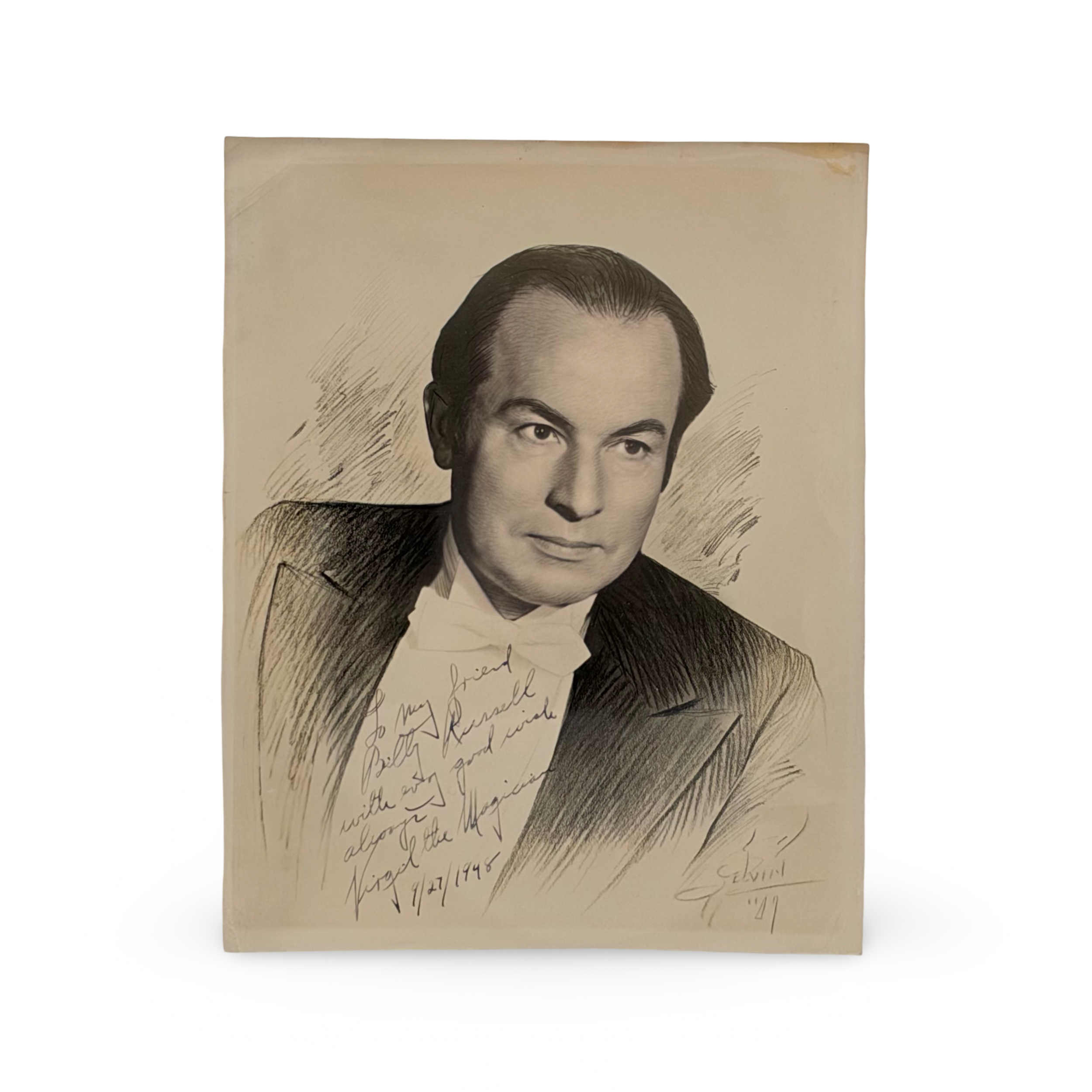
Virgil Signed Portrait, 1948.
Portrait of Virgil (Virgil Mulkey), inscribed and signed to fellow magician Billy Russell of Batavia, New York, with good wishes, and dated September 27, 1948. Approximately 8 × 10". Light toning and wear, else very good.
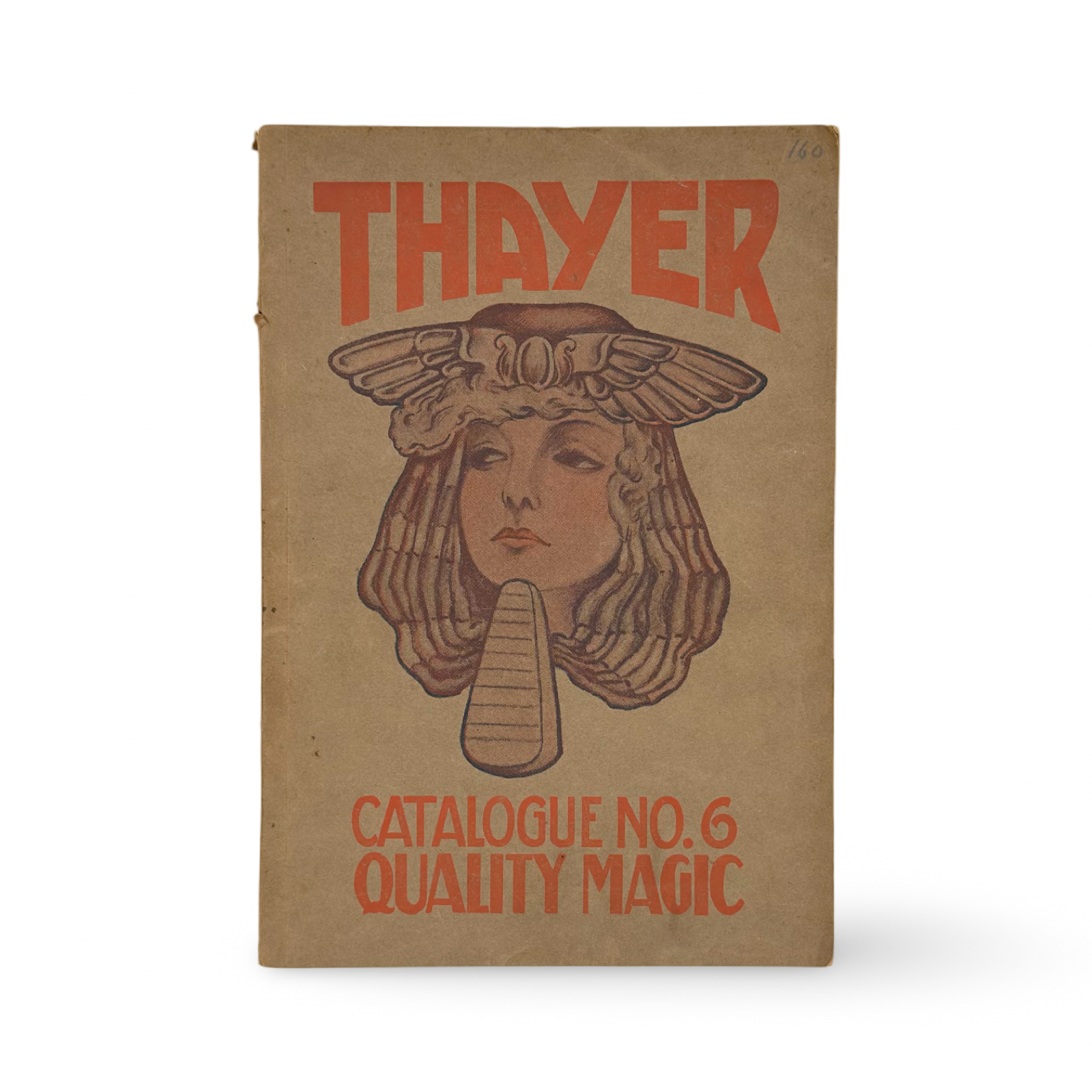
Thayer Quality Magic Catalogue No. 6. Los Angeles: Thayer Manufacturing Company, 1925.
Substantial 240-page catalogue illustrating and describing Thayer’s extensive line of magic apparatus, stage illusions, card effects, and conjuring accessories. Bound in pictorial wrappers featuring the firm’s distinctive Egyptian-themed artwork and trademark. Covers show light wear and soiling, with small edge tears and a penciled price notation to the front. A desirable trade catalogue from one of America’s foremost manufacturers of fine magic apparatus.
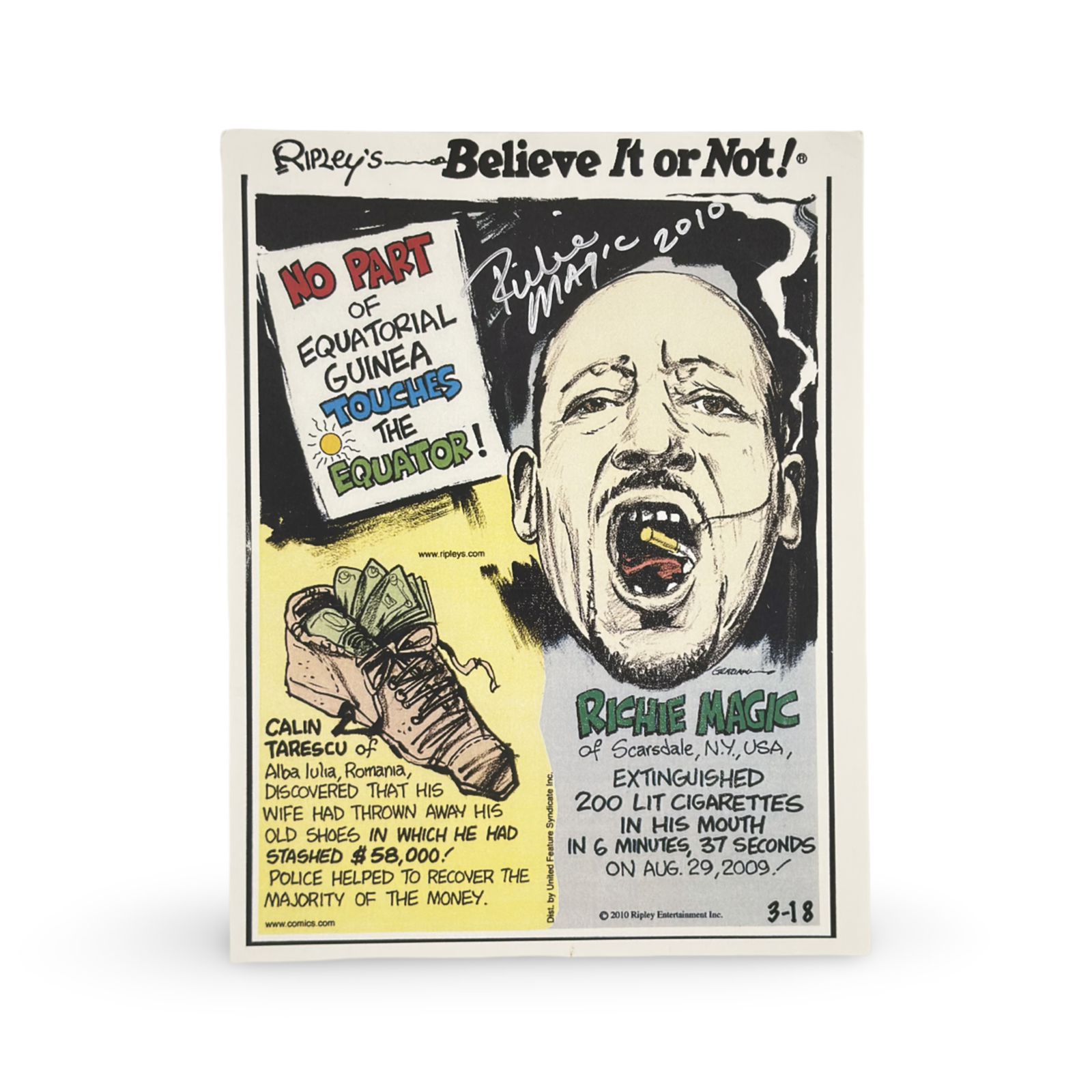
Richie Magic Signed Ripley’s Believe It or Not! Feature. 2010.
Printed Ripley’s Believe It or Not! feature depicting magician Richie Magic of Scarsdale, New York, commemorating his feat of extinguishing 200 lit cigarettes in his mouth in 6 minutes, 37 seconds on August 29, 2009. Signed and dated by Richie Magic in silver ink, “Richie Magic 2010,” above his portrait. Magic was a professional magician and later served as president of the Society of American Magicians’ historic Parent Assembly No. 1 in New York. An unusual piece of signed magic ephemera documenting one of his best-known performance feats. 8 ½ x 11”. Very good condition.
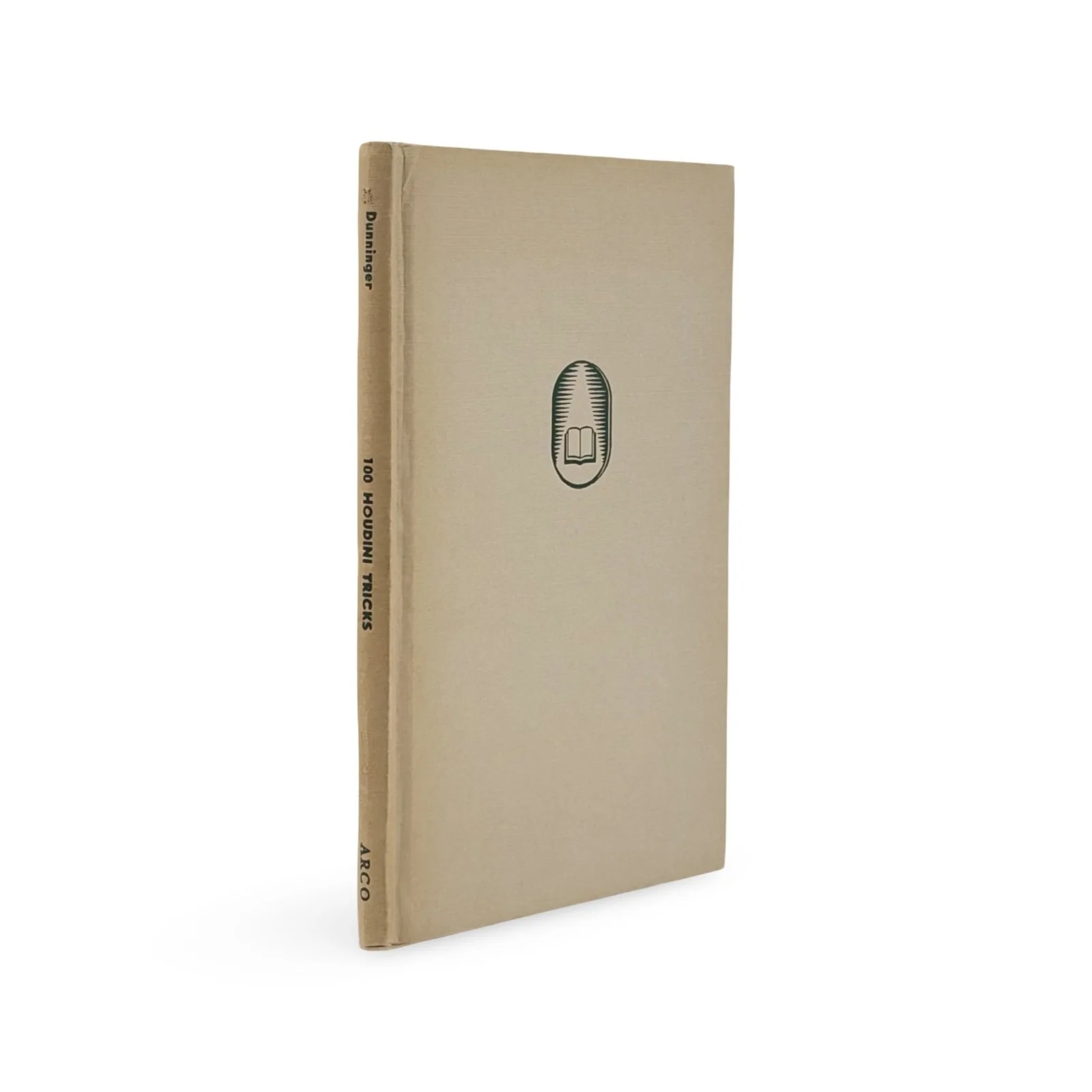
100 Houdini Tricks You Can Do. New York: Arco Publishing, 1954. By Joseph Dunninger.
A collection of 100 magic tricks and feats presented by the celebrated magician and mentalist, drawing on the enduring popularity of Houdini’s name. Illustrated throughout with explanations covering a range of practical magic. 144 pages. Bound in tan cloth with green pictorial device to front board and titles to spine. Shows light wear and age toning; very good.
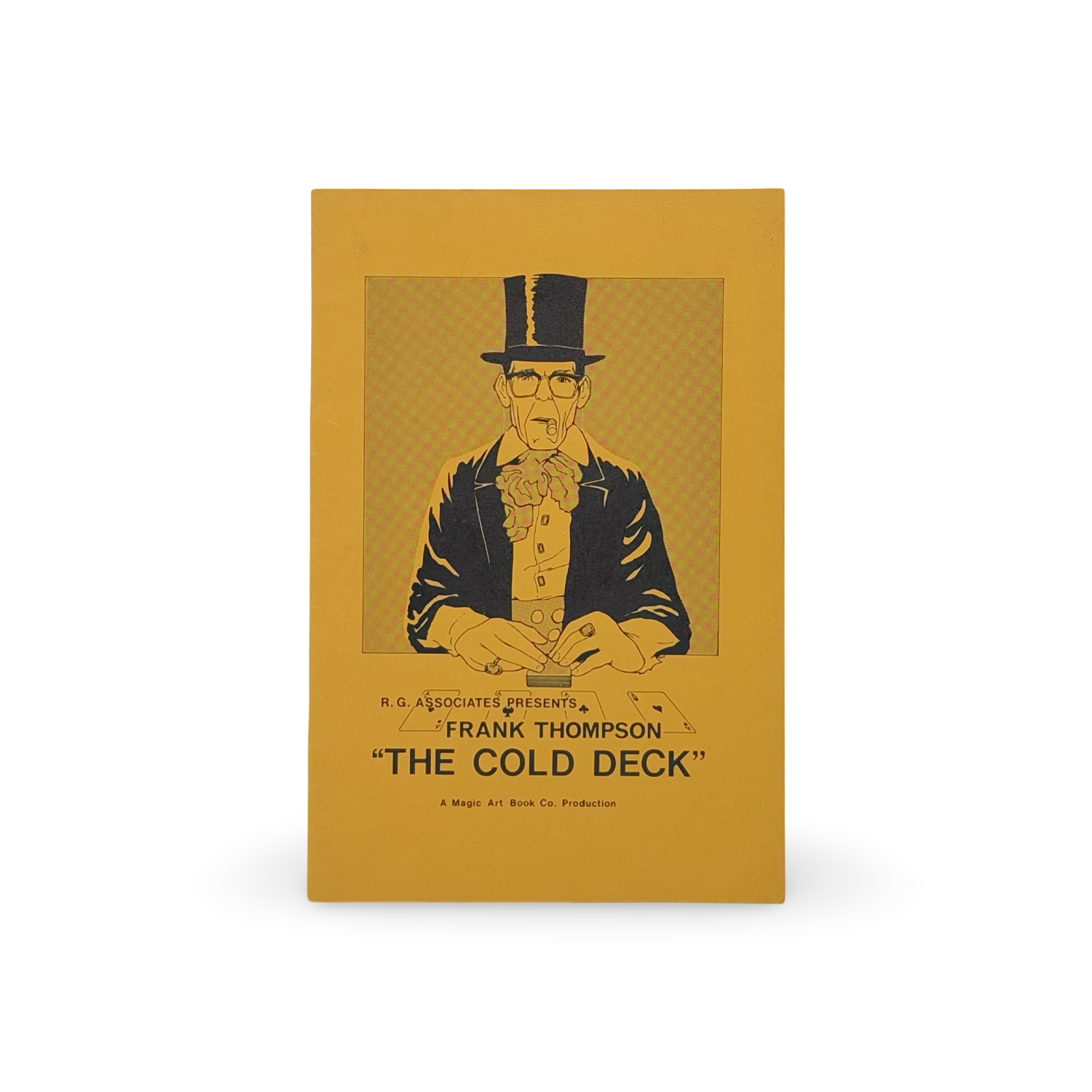
The Cold Deck. Ray Goulet. Watertown, Massachusetts: The Magic Art Book Co., 1976. First edition.
An 18-page treatise presenting the card work of Frank Thompson, written by Ray Goulet and published following Thompson’s death. Covers the use of the cold deck, with illustrations by Guy VanDuser and a fold-out sheet of illustrations. Pictorial yellow wrappers, the cover design inspired by a poster for the William S. Hart film Cold Deck. Minor wear, else very good.
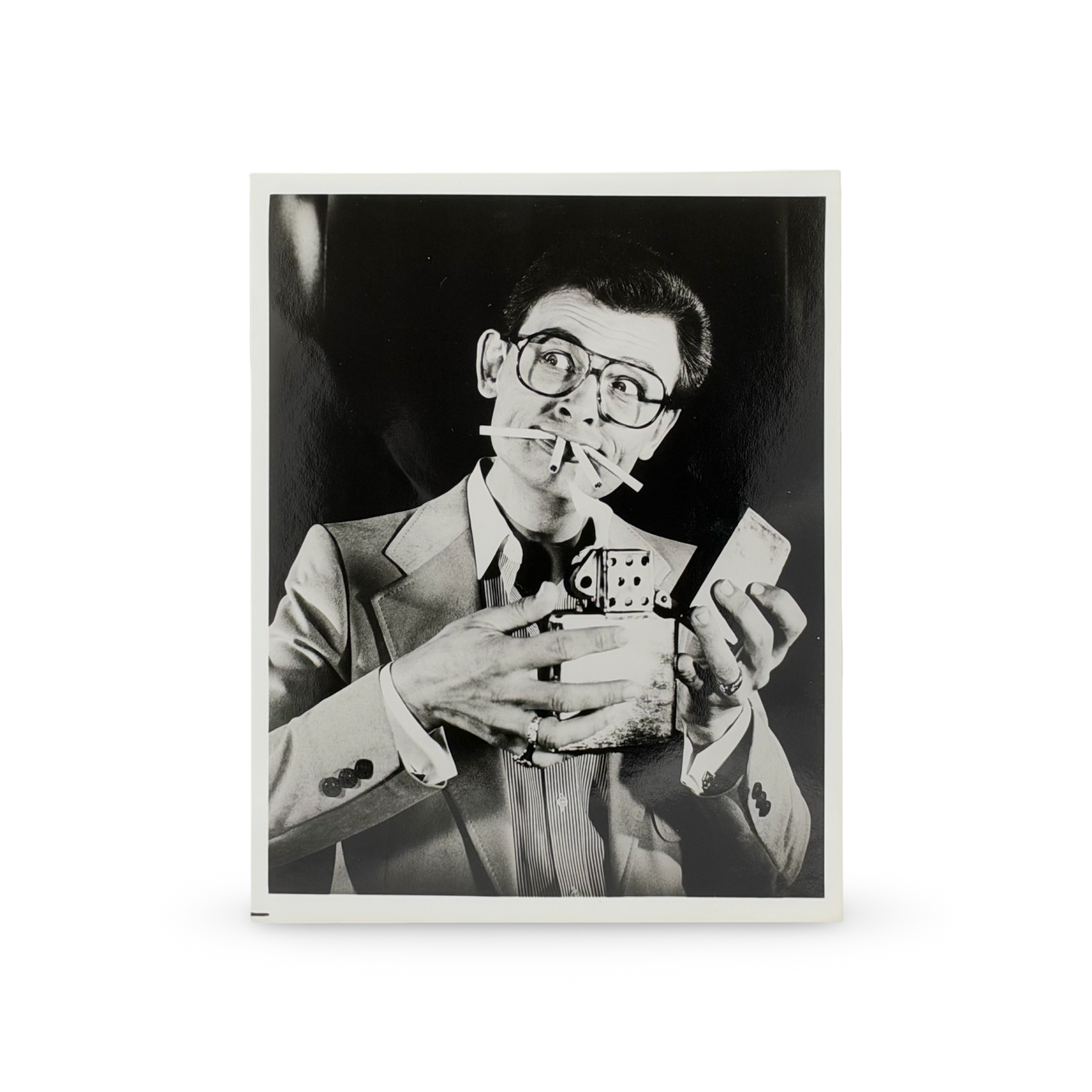
Tom Mullica Photograph. ca. 1980s.
Original black-and-white publicity photograph of magician and comedy performer Tom Mullica performing his celebrated cigarette-eating routine, holding an oversized lighter with several cigarettes in his mouth. 8 × 10". Glossy finish. Minor wear, else very good.
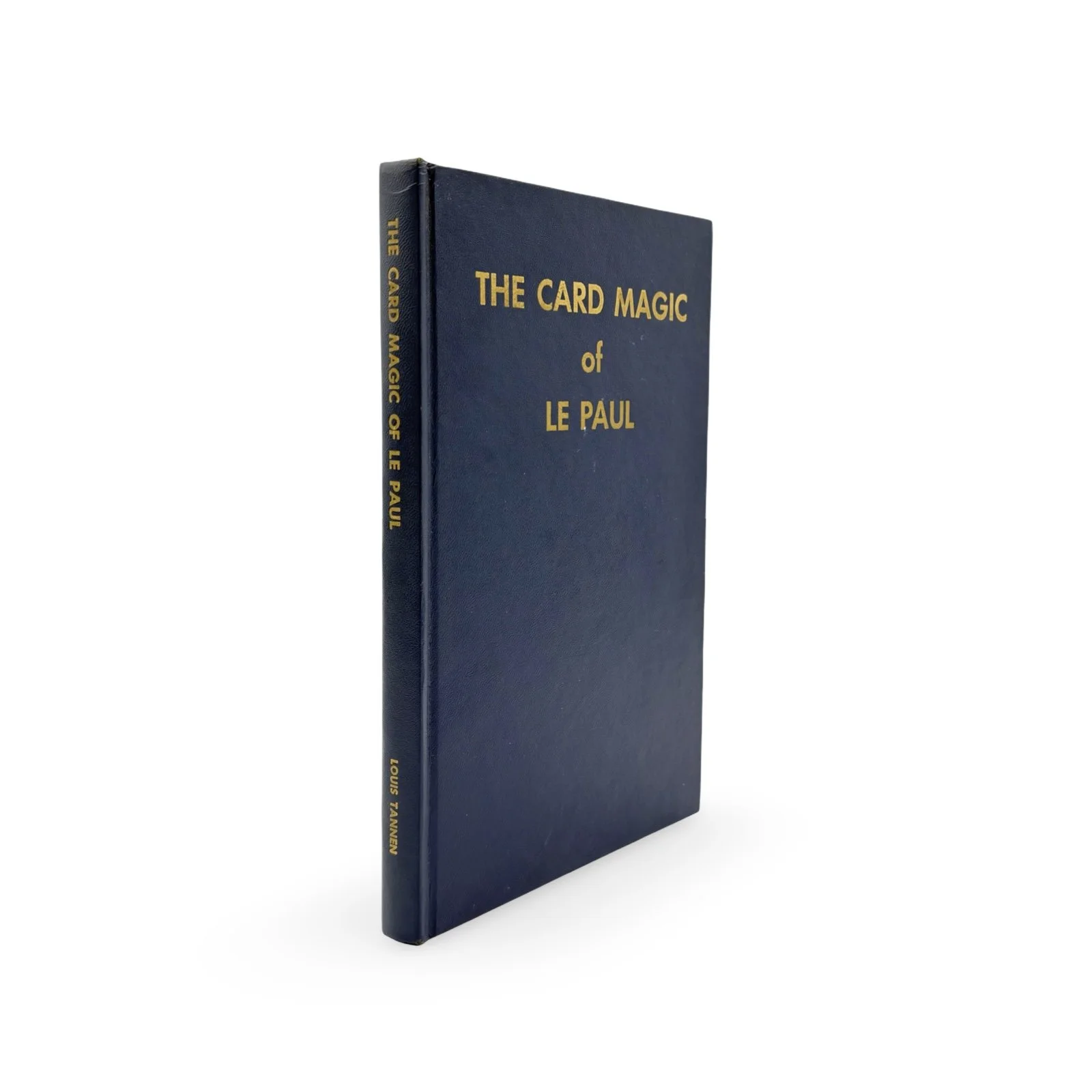
Card Magic of Le Paul. New York: Louis Tannen, ca. 1959. Third edition.
One of the classic texts of card magic by Paul Le Paul, detailing his influential techniques and routines with playing cards. Illustrated throughout, 219 pages. Bound in blue cloth with gilt titles to the front board and spine. No dust jacket. Very good condition.

[SMITH, Leslie C.] The Auction of Master Craftsman and Collector Leslie C. Smith. 2009.
Illustrated catalogue produced for the June 28, 2009 auction of the personal collection of Leslie C. Smith, longtime owner and master craftsman of Owen Magic Supreme. Held at Owen Magic Supreme in Azusa, California, the sale documented Smith’s extensive collection of magic apparatus, books, posters, and related material assembled over a lifetime in magic.
Limited edition of 500 numbered copies, this being no. 118, signed by Gertrude Smith and Alan Zagorsky. 77 pages, extensively illustrated in color. Apparatus text by Zagorsky; book text by Byron Walker. An important record of the Smith collection and a desirable piece of Owen Magic Supreme history. Very good condition.
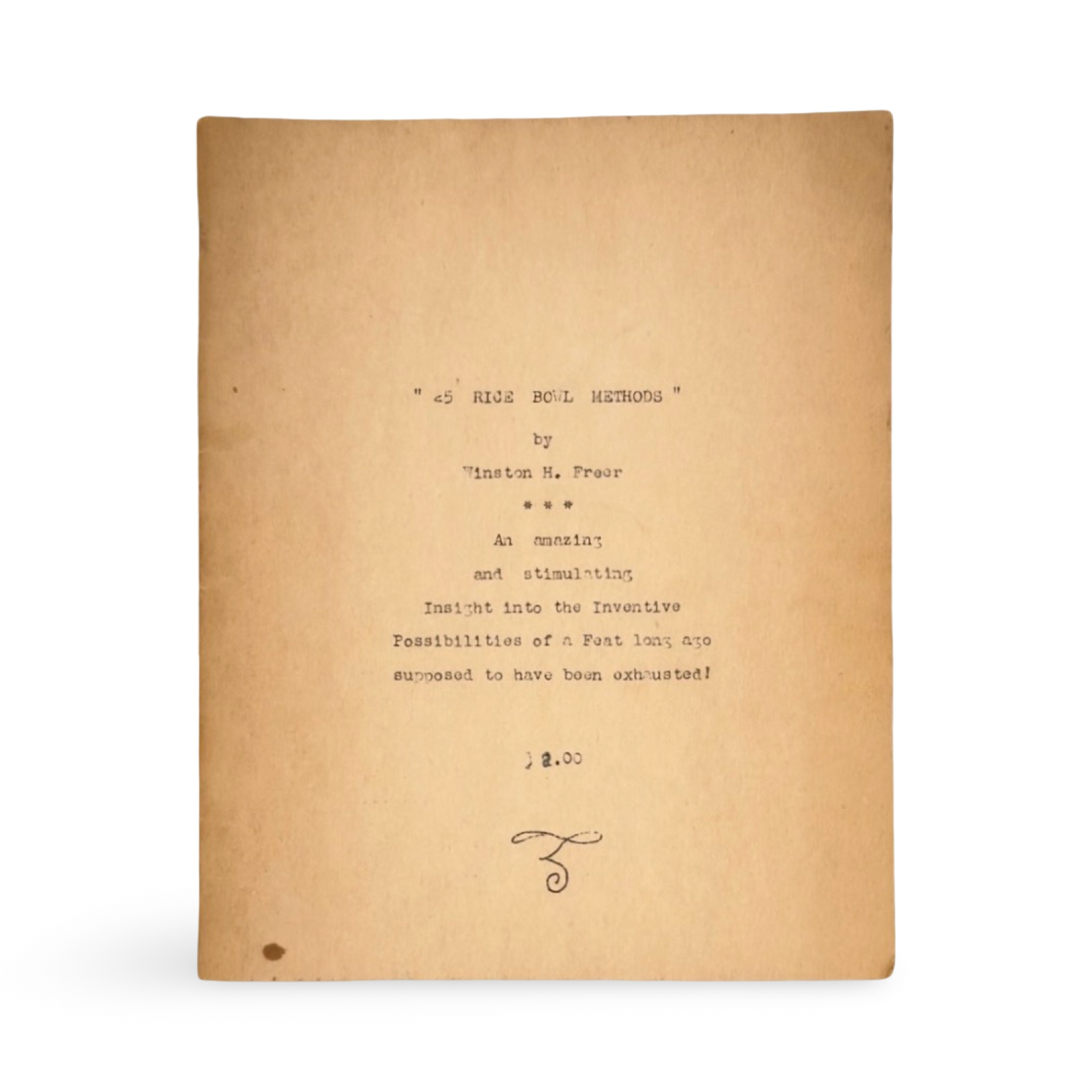
25 Rice Bowl Methods. Winston H. Freer, ca. 1950s.
Original mimeographed booklet by magician and inventor Winston H. Freer devoted to twenty-five methods and variations for the classic Rice Bowls. Includes Freer’s “Maxam” Glass Bean Bowls Routine on page 10, reflecting his inventive approach to the possibilities of a familiar effect.
Freer, who also performed under the name Doc Maxam, was an inventive and influential figure in twentieth-century American magic, known for developing unusual effects, methods, and apparatus.
Mimeographed sheets in stapled wrappers, with the original $2.00 price printed on the cover. Wrappers toned with age, with minor spotting and wear as shown. An uncommon Freer publication.
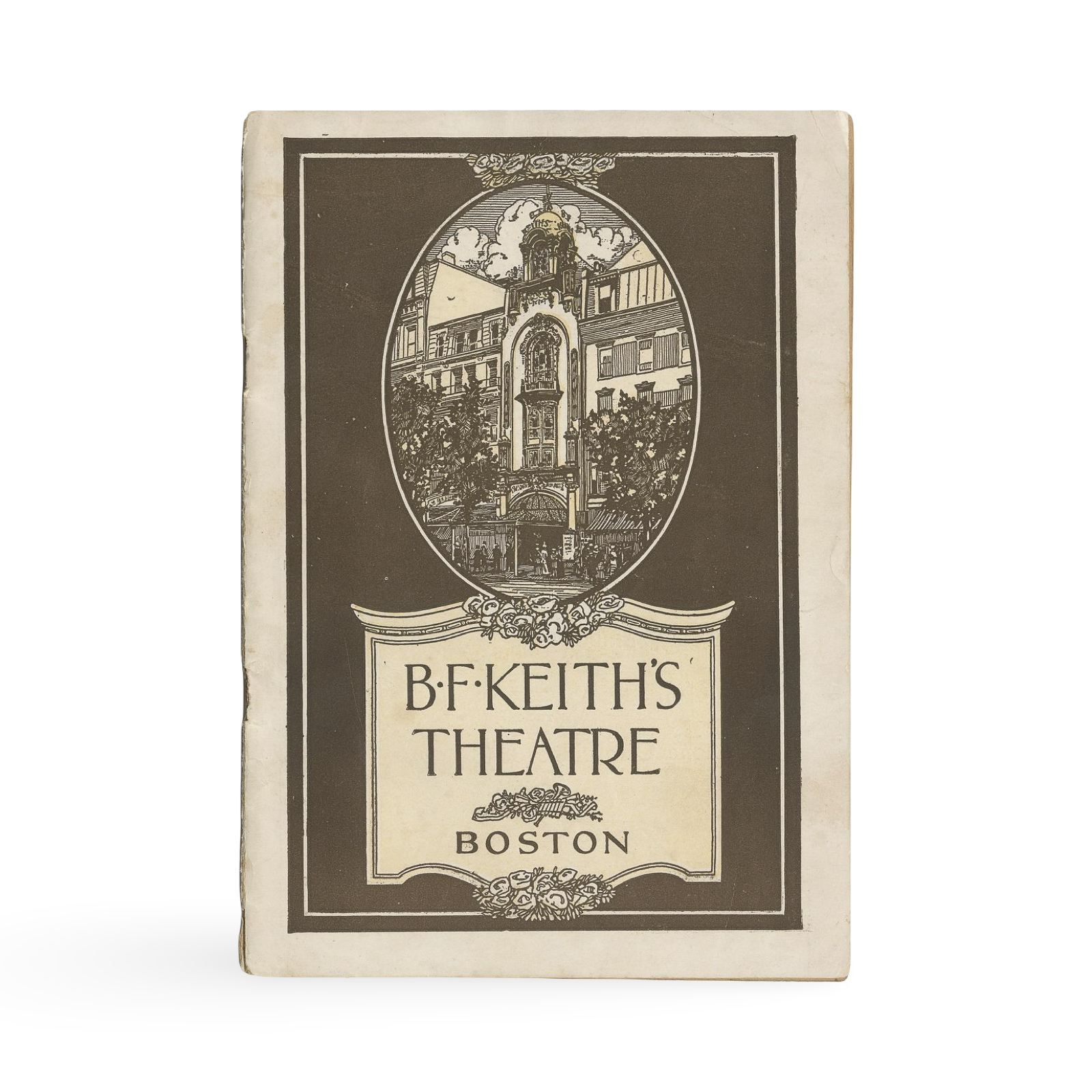
Adelaide Herrmann Theatre Program. Boston: B.F. Keith’s Theatre, 1919.
Original vaudeville program featuring Adelaide Herrmann, billed as the “Widow of the famous ‘Herrmann the Great,’” presenting “A New Series of Mystery Problems.” Herrmann appears as part of a multi-act vaudeville bill. Pictorial wrappers depicting the B.F. Keith Theatre. 8vo.
Pages browned with age, with scattered edge wear and minor chipping; wrappers show light soiling and handling wear. Very good overall for a period theatrical program.
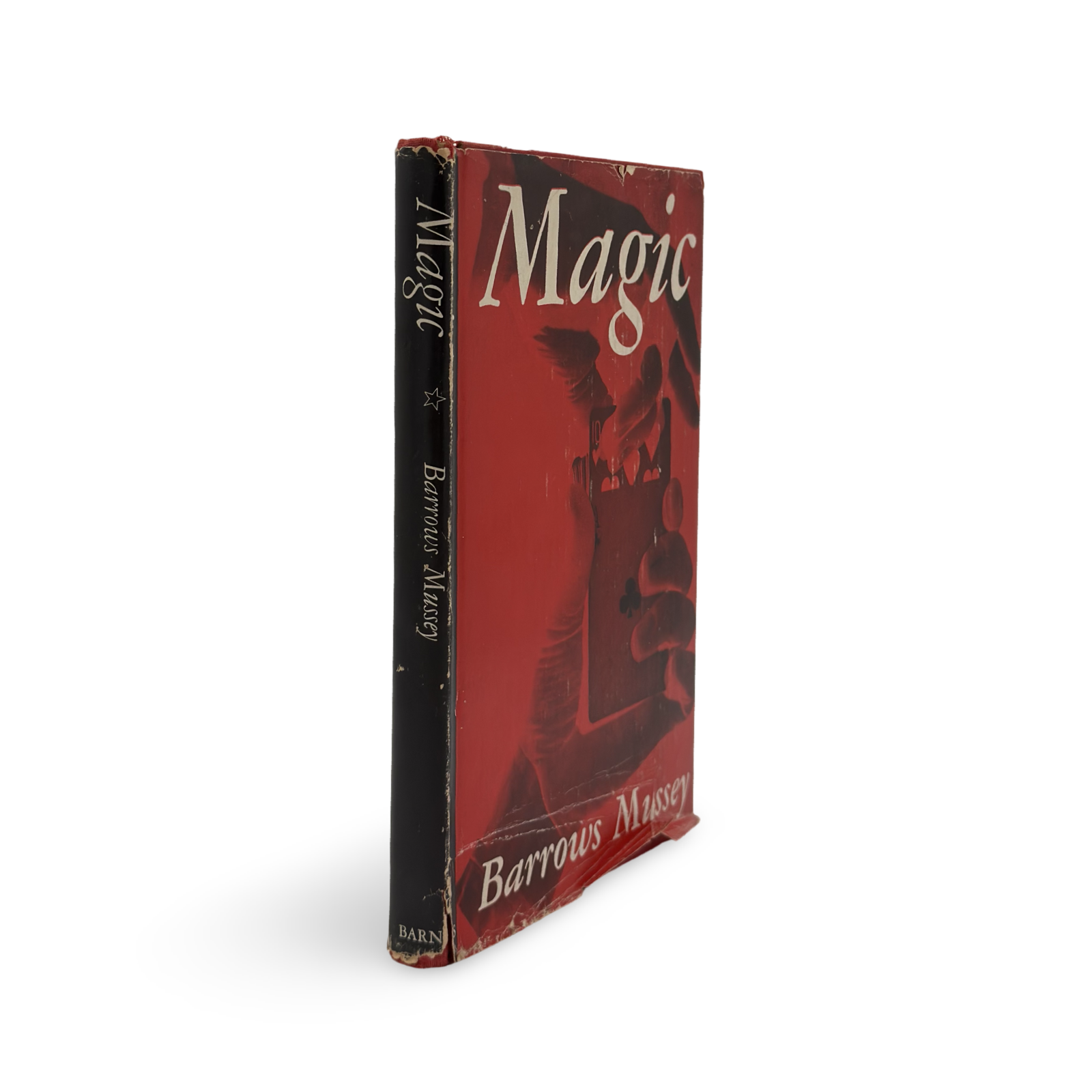
Magic. Barrows Mussey. New York: A. S. Barnes & Co., 1942.
Illustrated introduction to the art of magic, covering tricks and techniques with cards, coins, handkerchiefs, ropes, rings, mental effects, and other classic conjuring material. Illustrated with photographs by Margaret Hawthorn. Red cloth boards decorated in black, with original pictorial dust jacket. 83 pages. Dust jacket shows considerable edge wear, chipping, and creasing; cloth with scattered wear, particularly along the spine. A good copy in the original dust jacket.
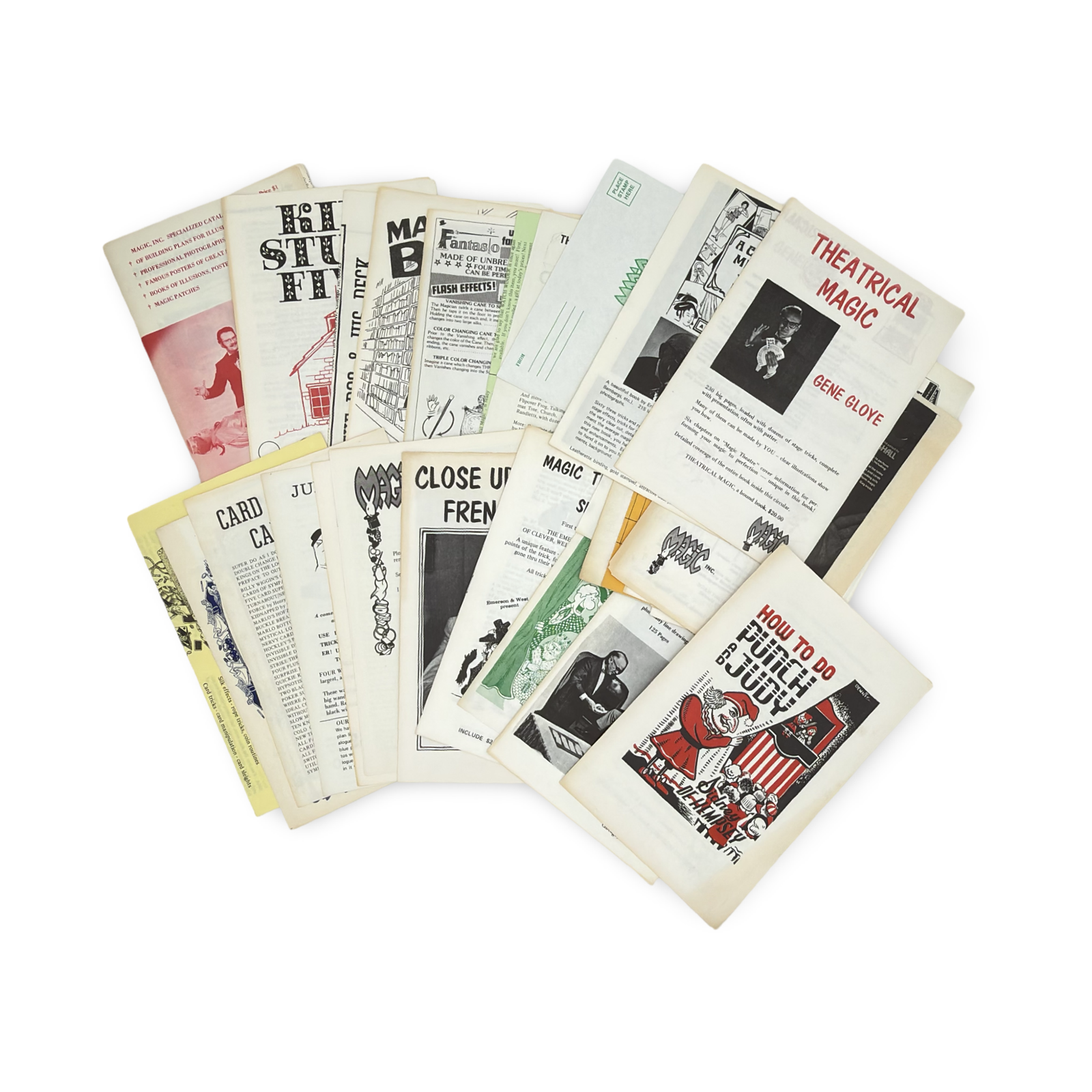
Magic, Inc. Ephemera Collection. Chicago, ca. 1960s–90s.
Collection of 28 pieces of ephemera issued or distributed by Magic, Inc., including trick and routine manuscripts, instructional booklets, catalogs, advertisements, and related printed material. Subjects encompass close-up, card, stage, and general magic. Various formats and sizes. Condition varies, with expected toning and handling wear from age and use. A substantial group of printed material from the longstanding Chicago magic dealer and publisher.
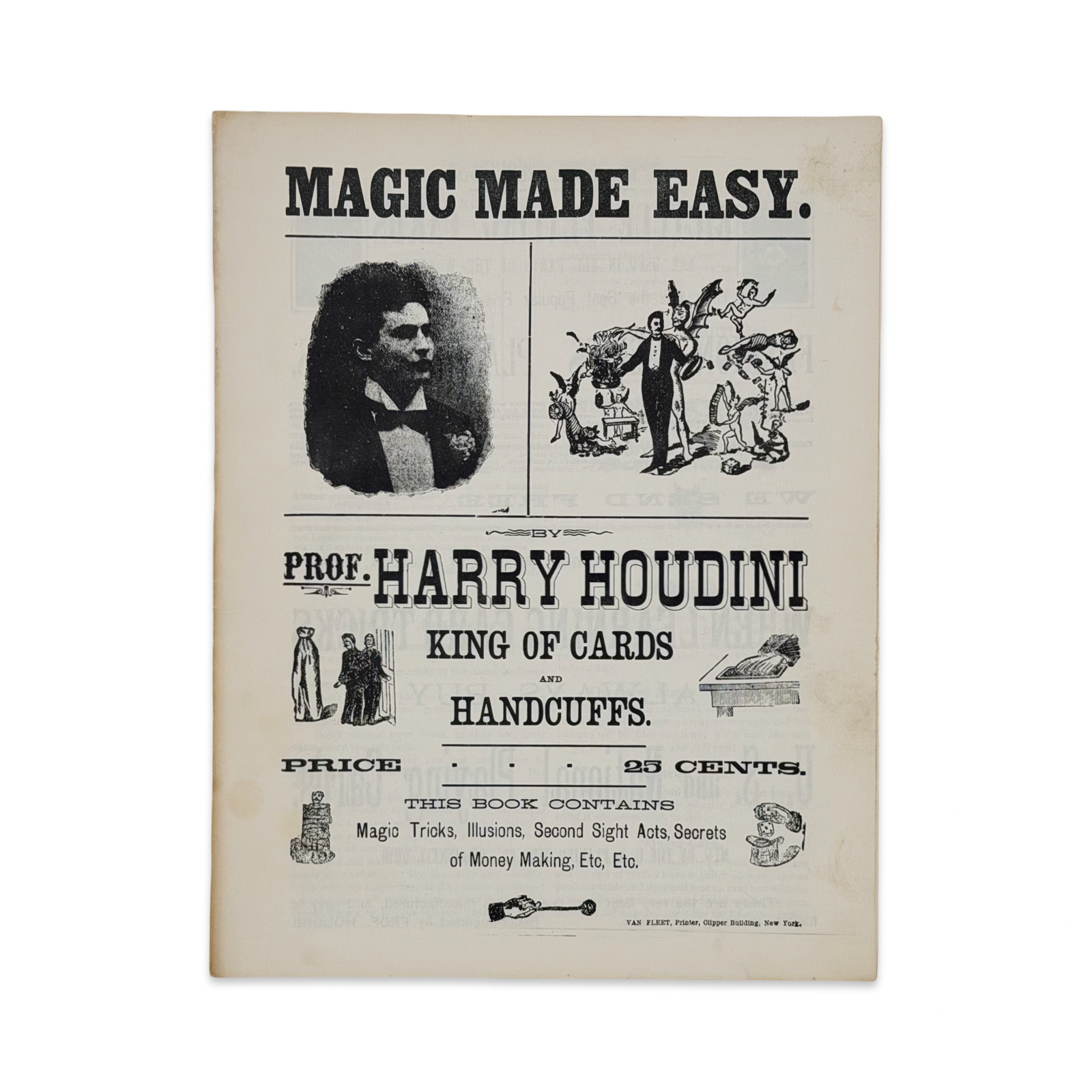
Harry Houdini’s Magic Made Easy. 1956 Facsimile Reproduction from The New Phoenix.
A facsimile reproduction of one of Harry Houdini’s earliest known magic publications, Magic Made Easy by Prof. Harry Houdini, King of Cards and Handcuffs. Originally issued in New York by Van Fleet, Printer, Clipper Building, circa 1898, this rare Houdini booklet combined instruction, advertising, and a catalogue of magic tricks, apparatus, books, and related material offered during the early years of Houdini’s career.
The original publication is an important piece of Houdini ephemera, documenting his work as a magician, dealer, and teacher before he became internationally famous. It includes advertisements for Houdini’s School of Magic, listings of magic books and apparatus, “Hints for Amateurs,” money-making secrets, and descriptions of numerous tricks and illusions, including the Vivisection Act and Metamorphosis Substitution.
This 14-page facsimile appeared in The New Phoenix (Issues 341–342, February 1956) and was reproduced with permission from the original copy owned by Ed Miller of Chicago. It preserves one of Houdini’s earliest publications, a work that is otherwise rarely encountered by collectors.
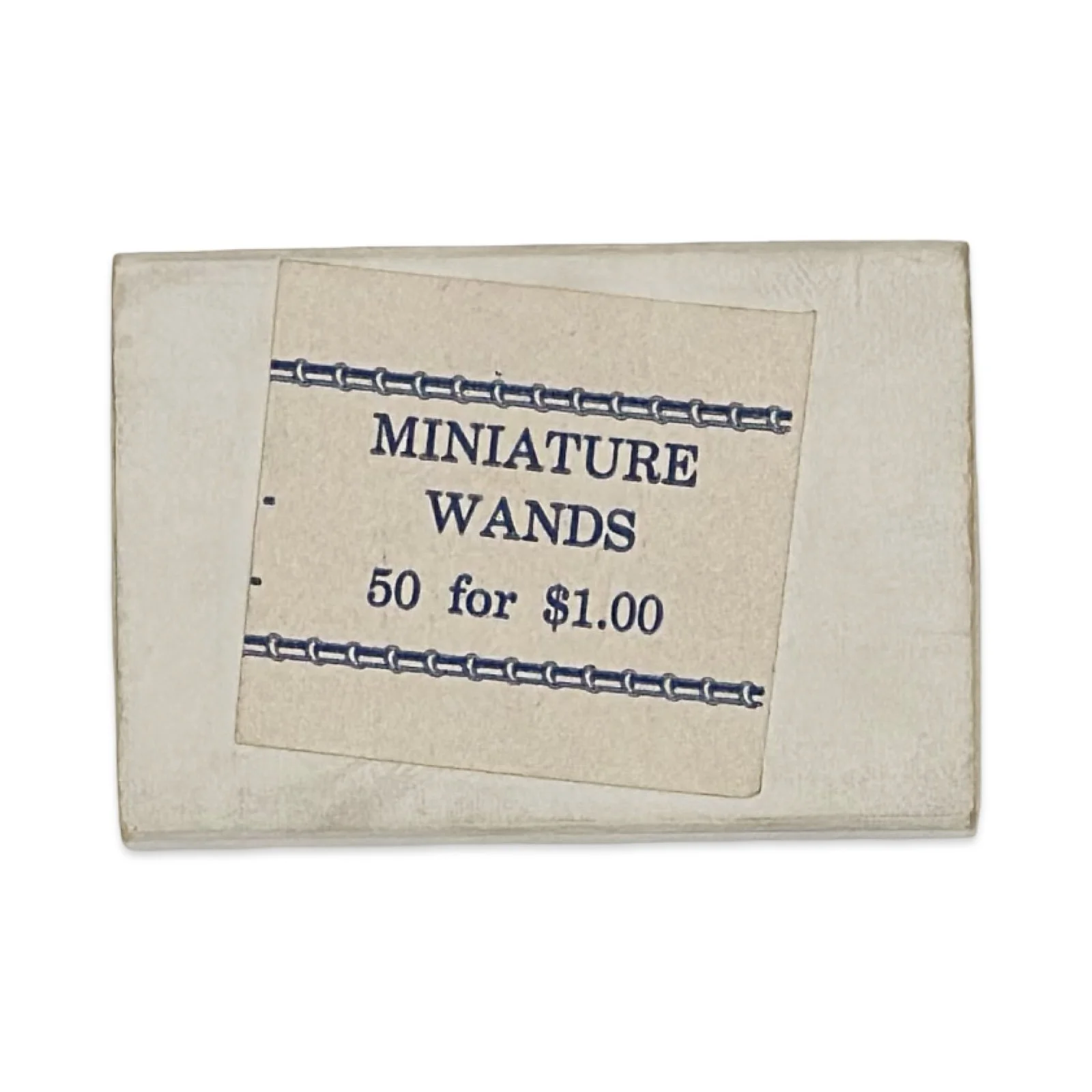
Miniature Wands. Maker unknown, ca. mid-twentieth century.
Group of 19 miniature magician’s wands, each finished in black with white tips. Housed in the original cardboard box with printed label advertising “50 for $1.00.” Box measures approximately 2¾ x 2". Shows light age-related wear and toning. Very good condition overall. Currently offered on consignment.
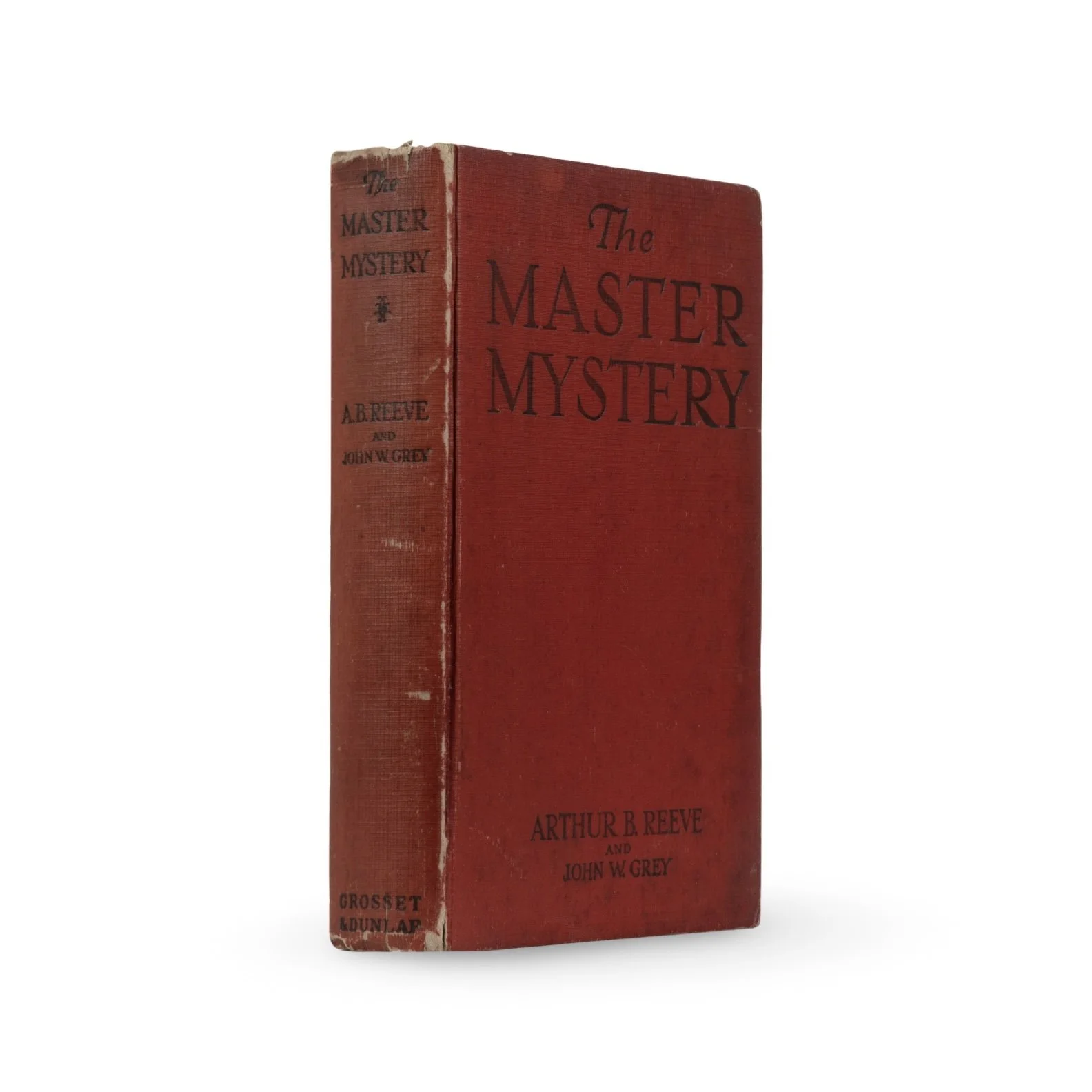
The Master Mystery. Arthur B. Reeve and John W. Grey. New York: Grosset & Dunlap, 1919. First edition.
Novelization of the fifteen-part silent film serial starring Harry Houdini as Department of Justice agent Quentin Locke. Illustrated with eight photographic plates from the Houdini Super-Serial, including the frontispiece. The story pits Locke against a criminal organization and its mechanical enforcer, the Automaton, an early screen depiction of a robot.
Original red cloth with black lettering to the front board and spine. 304 pages, followed by publisher’s advertisements. Spine sunned, with wear and soiling to the binding; toning and scattered foxing internally, with several gutters overopened or starting. Good condition overall.
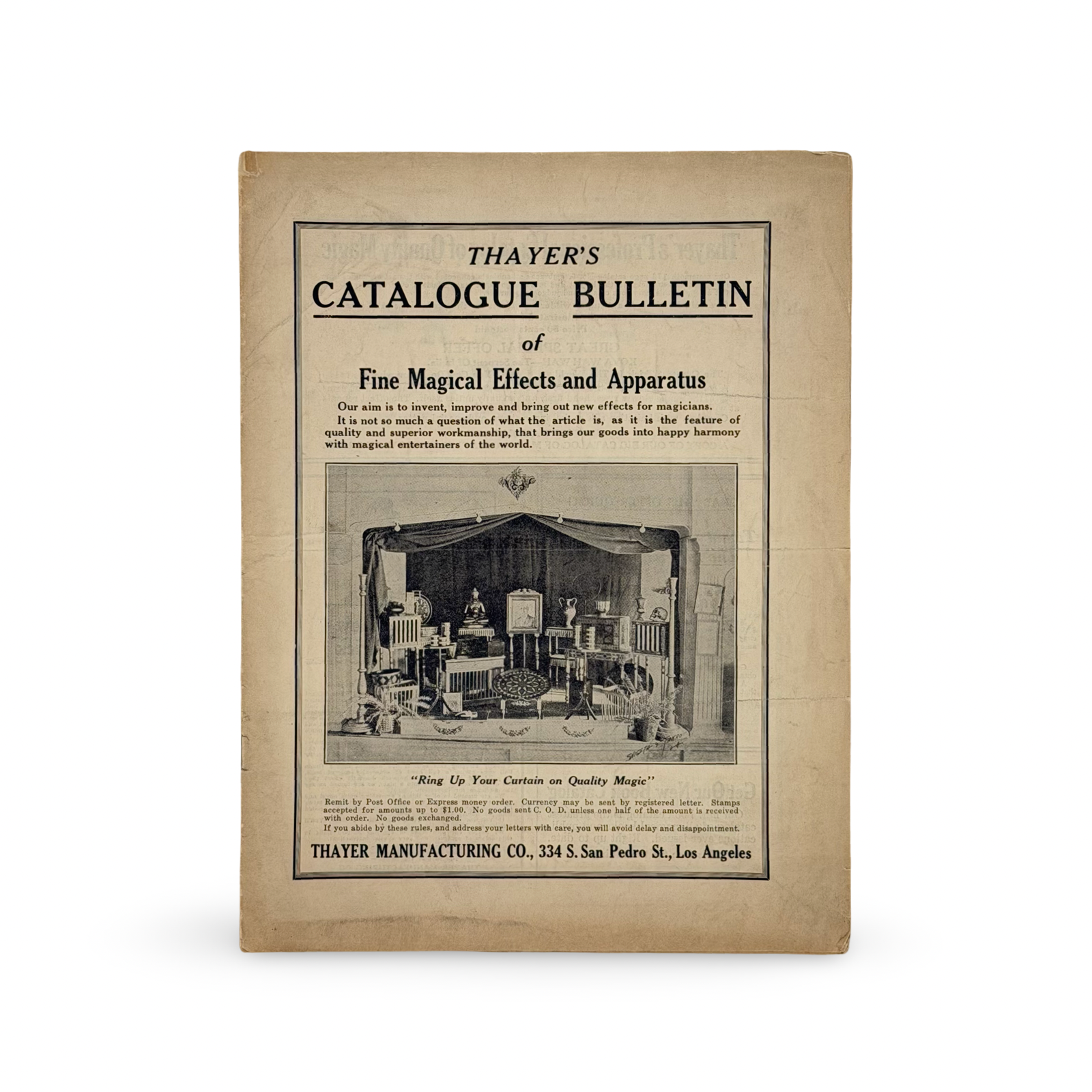
Thayer’s Catalogue Bulletin of Fine Magical Effects and Apparatus. Thayer Manufacturing Co., Los Angeles, ca. 1920s.
A scarce early catalog bulletin from the renowned Thayer Manufacturing Company of Los Angeles, offering a selection of fine magical effects and apparatus for professional and amateur performers. The illustrated catalog features Thayer’s stage and parlor apparatus, including the “Ultra” Four Ace Effect, P. & L. Vanishing Wand, Mystic Box and Lucky Die, Eli’s Die Box, and the company’s dramatic “Sawing a Woman in Half” illusion.
The cover features a photographic view of a magician’s stage outfitted with Thayer apparatus, while the rear cover highlights one of the company’s signature illusions. An excellent reference piece documenting the craftsmanship, innovation, and marketing of one of America’s most important magic manufacturers.
Softcover, illustrated throughout. Measures approximately 11.5 x 9 inches. Shows age-related toning, edge wear, and light handling consistent with its age. Good condition.
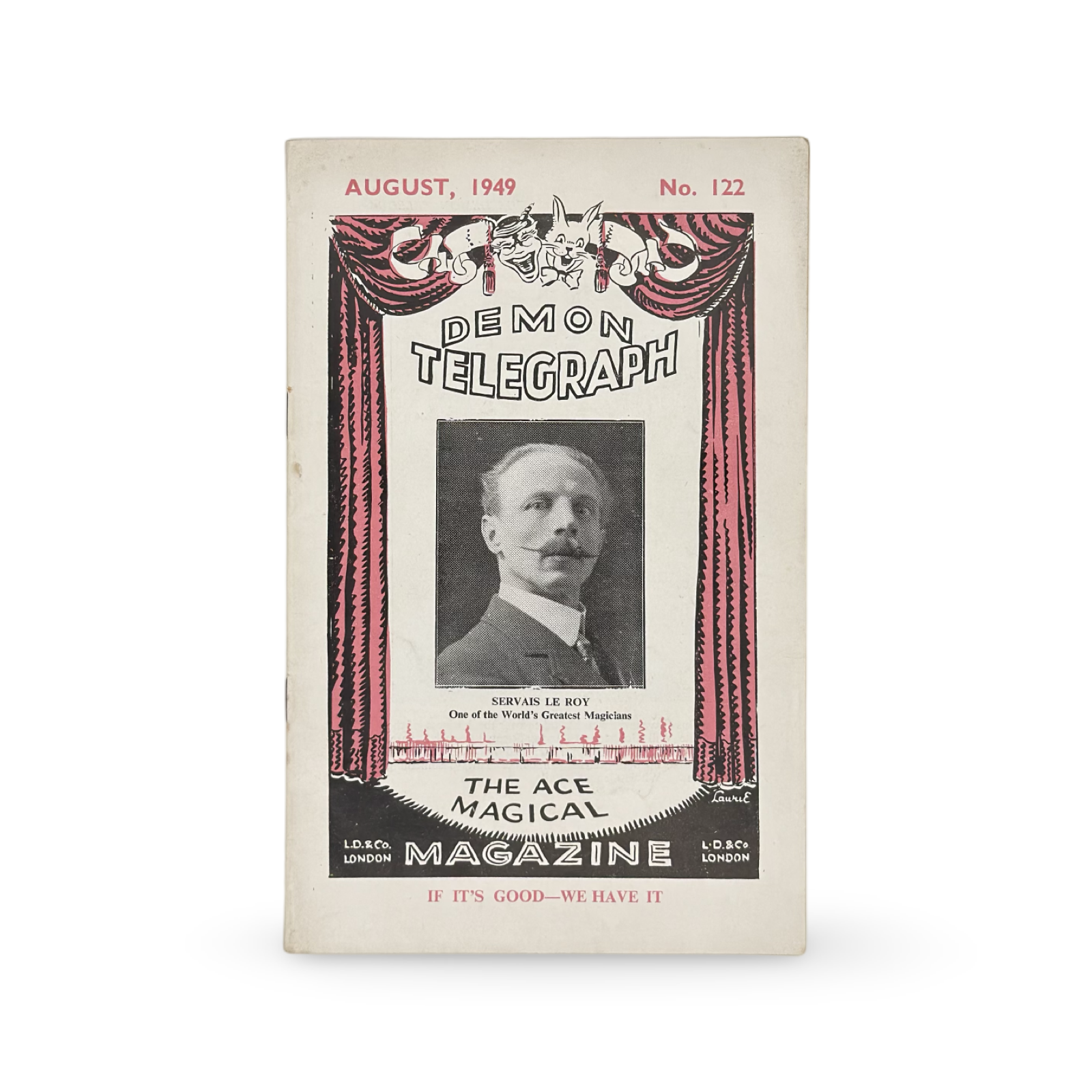
The Demon Telegraph. No. 122. London: L. Davenport & Co., August 1949.
Issue No. 122 of The Demon Telegraph, the house magazine of L. Davenport & Co. of London. The cover features a portrait of French magician Servais Le Roy, identified as “One of the World’s Greatest Magicians,” within the magazine’s distinctive red-and-black theatrical design.
28 pages, with magic-related articles, tricks, news, and advertisements for Davenport apparatus and novelties. Rear cover features an illustrated advertisement for the Ever Ready Cigarette Dropper along with a period listing of Davenport magical tricks and novelties.
Light toning and minor age-related wear; very good condition.
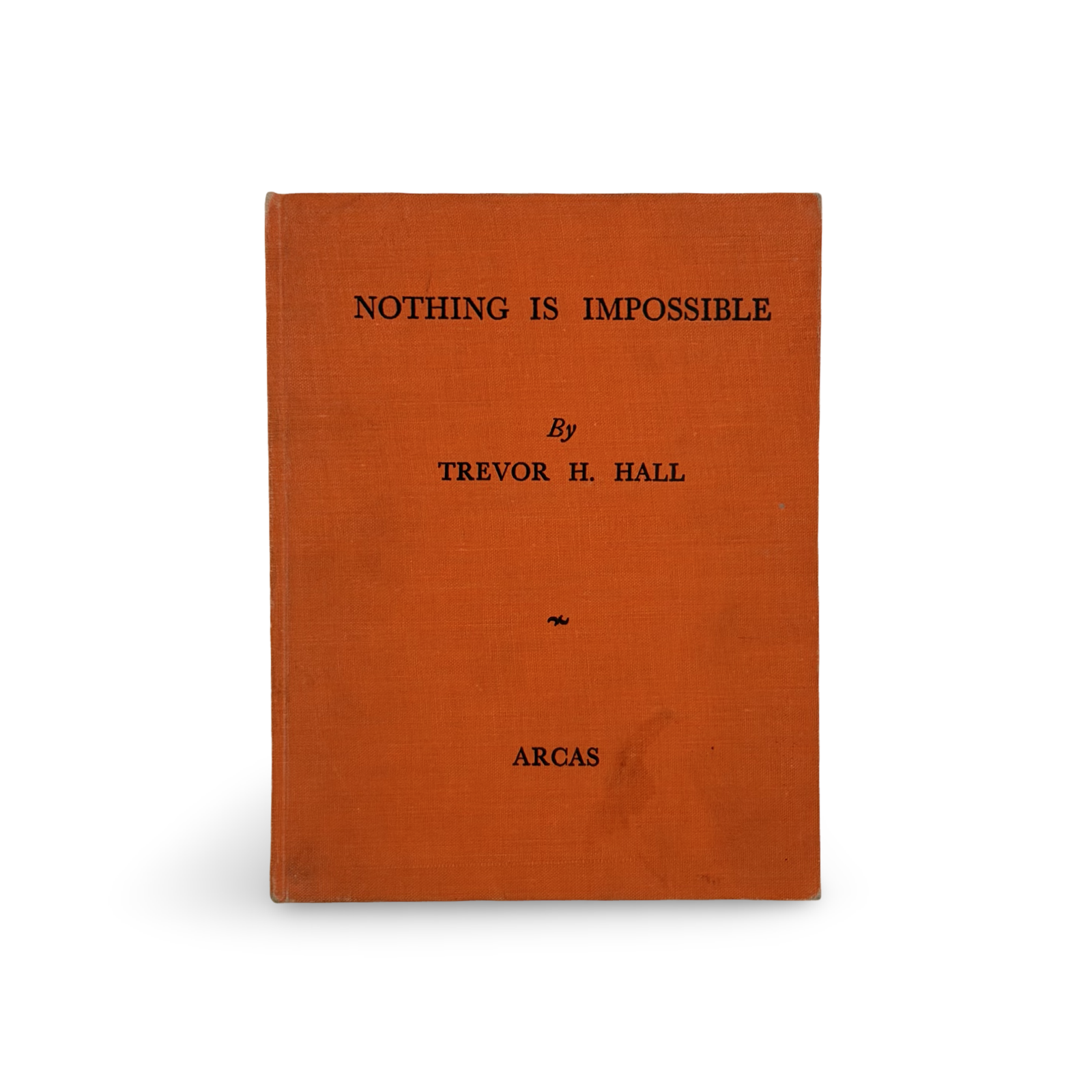
Nothing Is Impossible. Trevor H. Hall. Croydon: ARCAS, 1946.
A study of the celebrated British magician David Devant by magic historian and bibliographer Trevor H. Hall. Hall examines the life and career of one of the most influential figures of the Golden Age of British magic and a central figure in the early history of The Magic Circle.
64 pages. Bound in orange cloth with black lettering to the front board. Shows age-related wear and soiling to the covers. Spine and front pages loose, but present. Good condition overall. Currently offered on consignment.
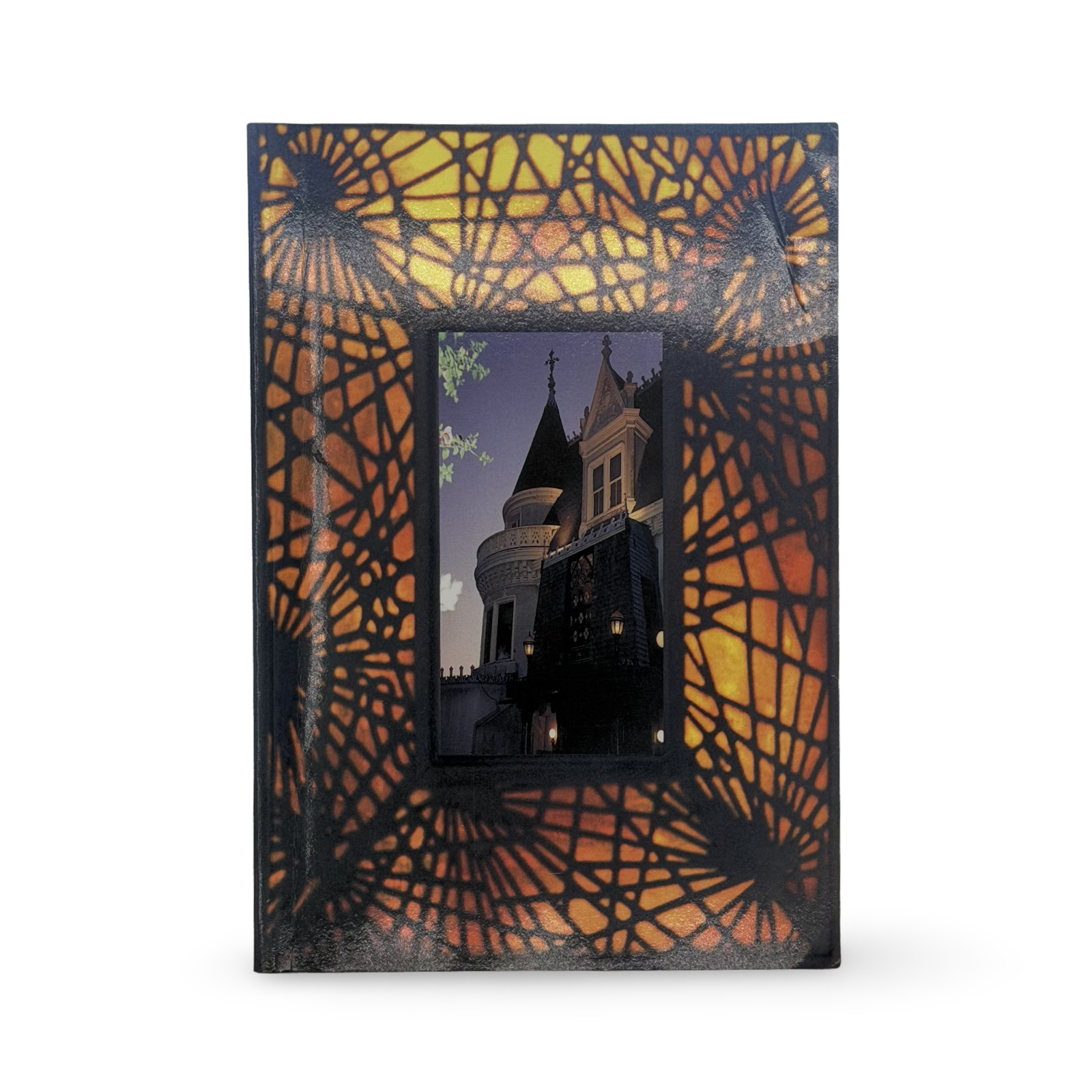
Milt Larsen’s Magic Castle Tour. Carol Marie, 1997.
An illustrated tour of Hollywood’s famed Magic Castle, written by Carol Marie and centered on the history, rooms, personalities, and magical atmosphere of the private clubhouse founded by Milt Larsen and his brother Bill Larsen Jr. Features photographs and stories documenting the Castle and its place in the history of modern magic.
Paperback with decorative pictorial covers featuring the Magic Castle at night. A visual record of one of magic’s most celebrated landmarks. Very good condition. Currently offered on consignment.
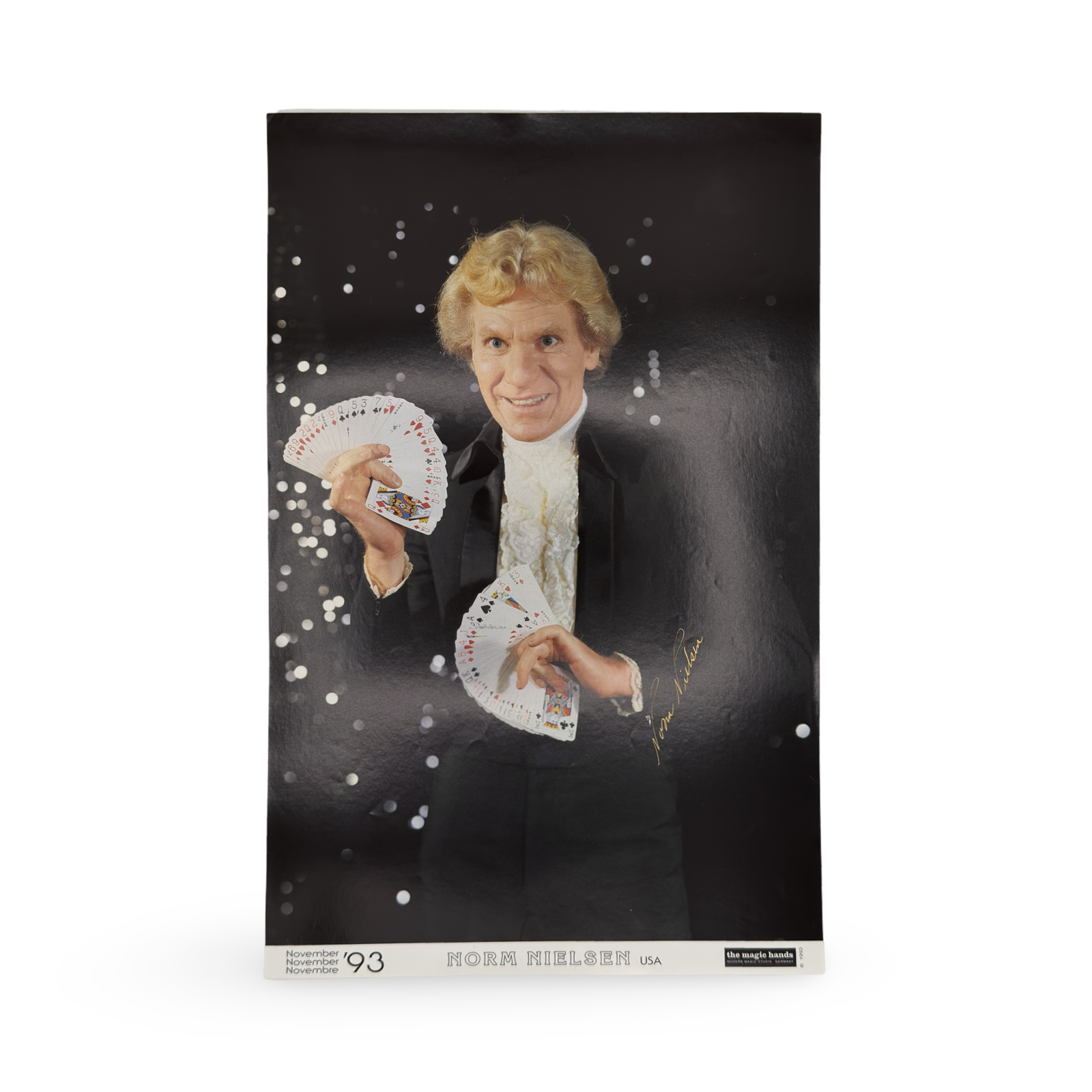
Norm Nielsen Poster. Germany: The Magic Hands, 1993.
Photographic poster featuring Norm Nielsen performing card manipulations, issued as the November 1993 poster by The Magic Hands. Signed by Nielsen in gold ink at lower right. A striking period portrait of one of the foremost manipulation magicians of the twentieth century. Measures 11 x 17".
Very good, with light handling wear. Shipped flat in a rigid protective plastic sleeve.
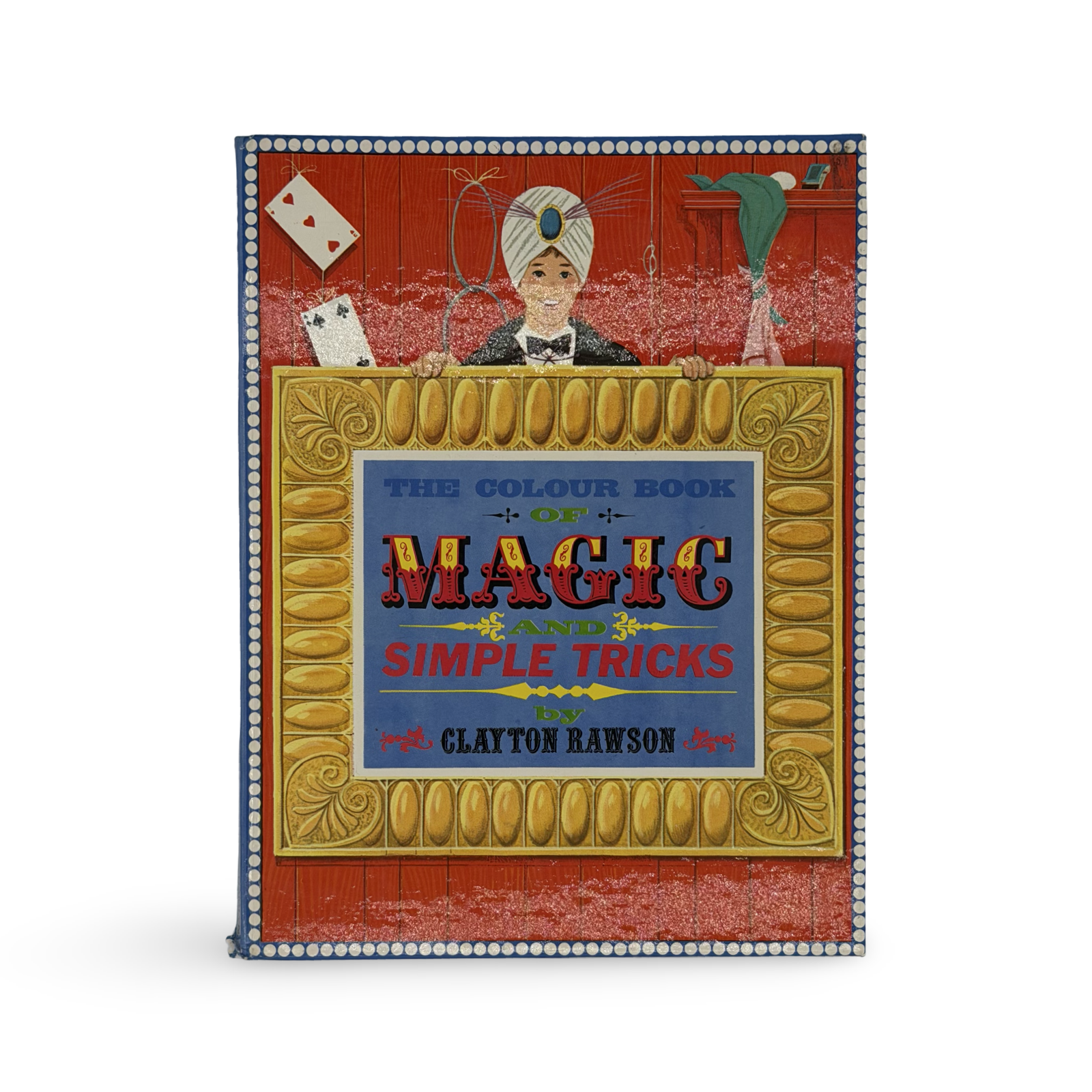
The Colour Book of Magic and Simple Tricks. Clayton Rawson, 1970.
A beautifully illustrated introduction to magic by renowned magician, author, and illustrator Clayton Rawson. This charming volume presents a collection of simple magic tricks, demonstrations, and magical curiosities, accompanied by Rawson’s distinctive artwork and colorful illustrations throughout.
Published in 1970, this edition features 103 pages of entertaining magical instruction designed for aspiring young magicians. The book includes numerous full-color illustrations that bring Rawson’s inventive and playful approach to magic to life.
The interior bears the stamp of Davenport’s Magic Shop, London — one of the world’s oldest and most respected magic dealers, founded in 1898. The stamp identifies this copy as having passed through the historic British magic trade and adds an appealing piece of provenance for collectors.
Hardbound. 103 pages. Color illustrations throughout. Copyright 1970. Very good condition with light age-related wear. Currently offered on consignment.
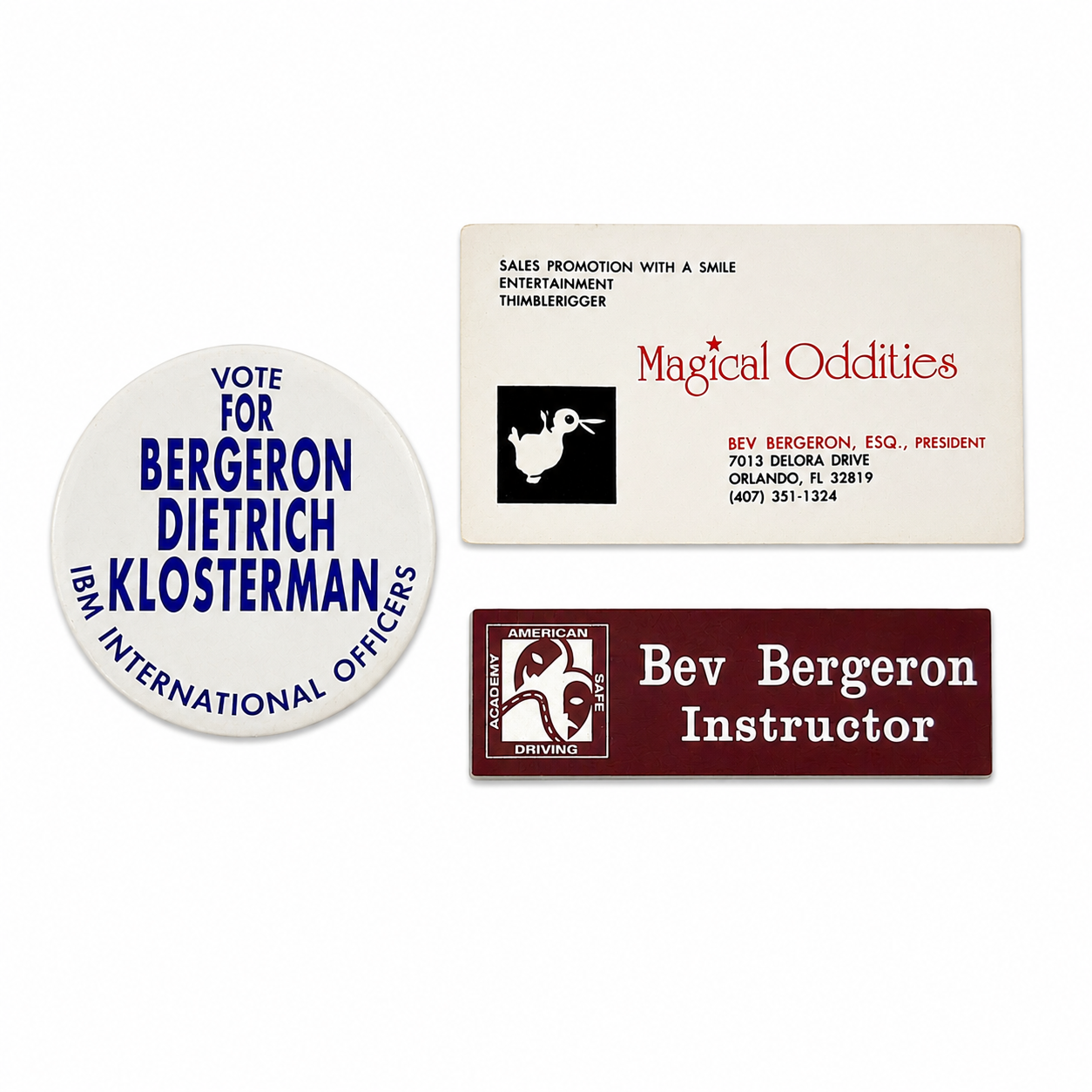
Bev Bergeron Personal Ephemera Group.
Group of three items from the personal collection of magician, entertainer, and magic historian Bev Bergeron. Includes a “Magical Oddities” business card identifying Bergeron as president; a large “Vote for Bergeron / Dietrich / Klosterman” promotional pin from the IBM International Officers campaign; and Bergeron’s personalized American Safety Academy driving instructor name badge.
Three pieces of personal ephemera reflecting different aspects of Bergeron’s professional life and involvement in the magic community. Light age-related wear; very good condition overall.
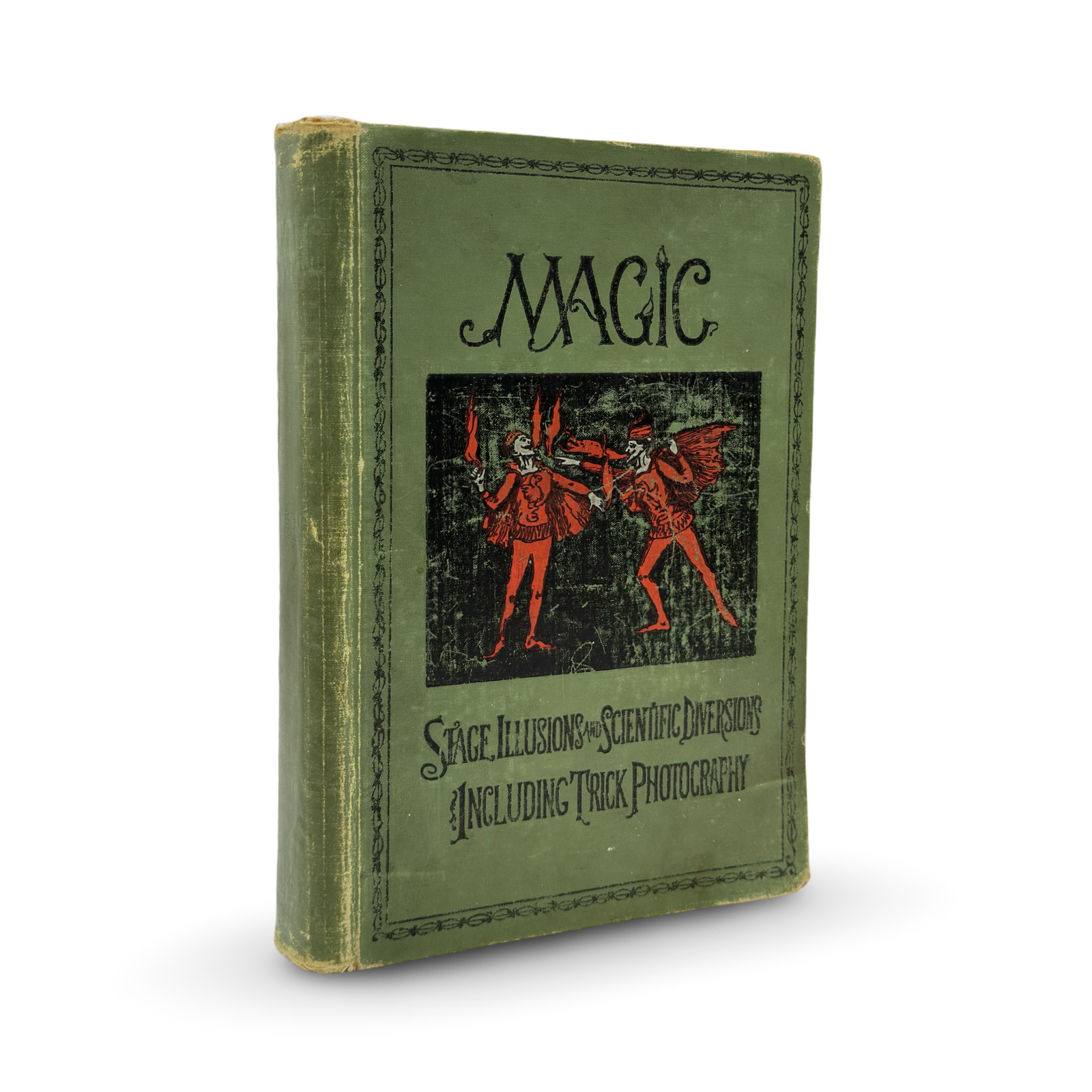
Hopkins, Albert A. Magic: Stage Illusions and Scientific Diversions. NY: Munn & Co., 1906.
Covers stage conjuring, scientific recreations, and trick photography. Illustrated throughout.
Green cloth stamped in black and red. Tall octavo. Hinge loose at center. Cloth shows scuffing and soiling consistent with age. Good condition.
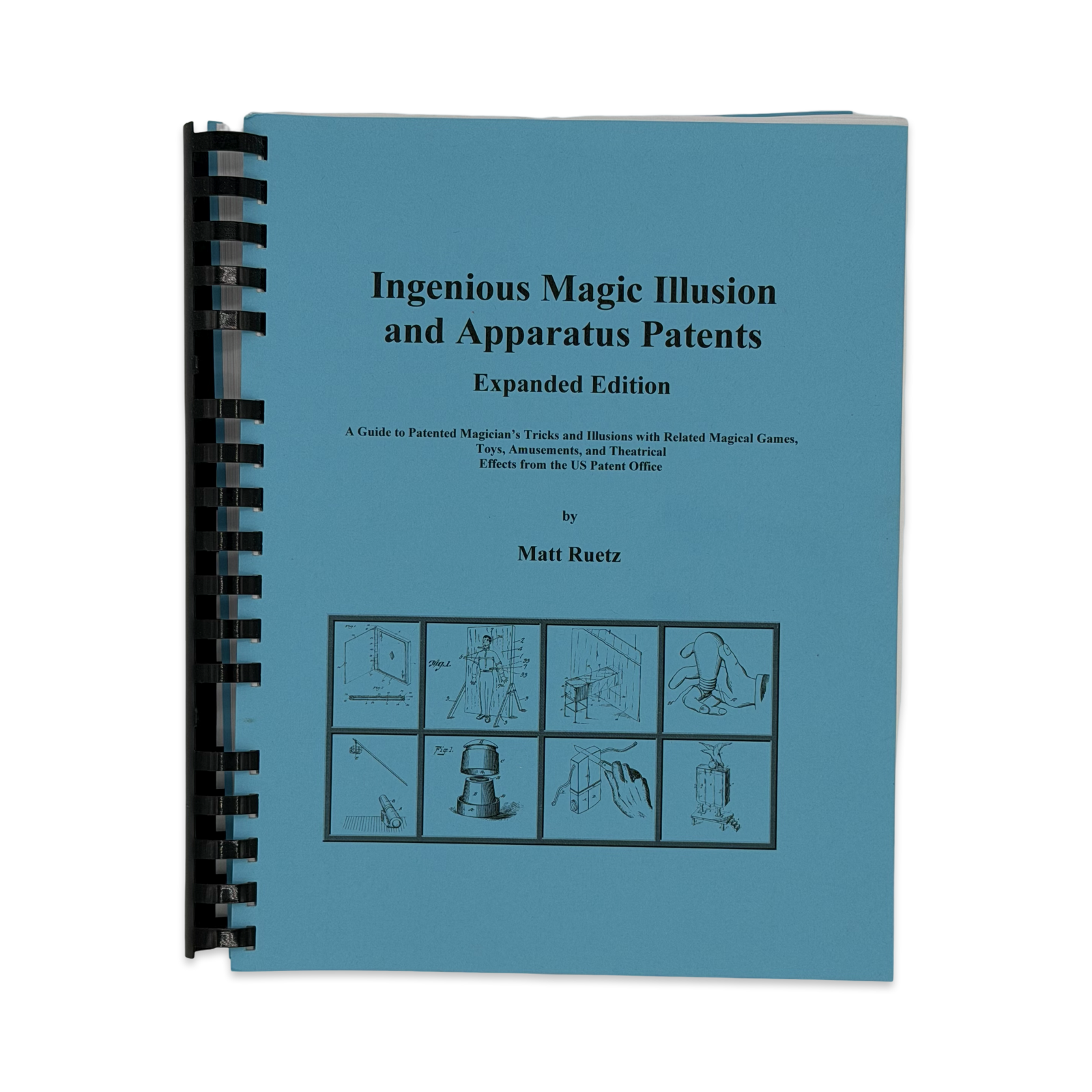
Ingenious Magic Illusion and Apparatus Patents: Expanded Edition. Matt Ruetz, 2022.
A comprehensive reference exploring patented magic apparatus, illusions, and related inventions drawn from the records of the United States Patent Office.
This expanded edition presents a fascinating collection of patent information covering magicians’ tricks, theatrical effects, magic-related games, toys, amusements, and mechanical innovations. Featuring illustrations and descriptions of hundreds of patented inventions, the volume provides a unique look at the creativity, engineering, and ingenuity behind magical apparatus throughout history.
Spiral-bound, 343 pages. A valuable reference for collectors, historians, builders, and anyone interested in the development of magical apparatus and illusion design. Very good condition. Currently offered on consignment.


Explore the Magic Shop
More to Discover

“I love finding cool items from Joel at The Magic Collector. He has a lot of great props; I’m always finding something I need in my collection. ”
“My first purchase and I am 1000% satisfied with the prop, the description, the packing and the outstanding service. Highly recommended! ”
“The Magic Collector describes collectibles fairly, packs well to prevent damage, and the $10 shipping charge is a gift. Highly recommended.”
From The Magic Shop
Featured Items

Jumbo Slat Card Frame. Owen Brothers, ca. 1940s
An open slat frame is shown with a jumbo size card showing through the openings. On command the card instantly disappears or if desired, a card may be changed by simply passing it through the frame. Measures approx. 8” x 5 ¼. Minor wear to finish, otherwise in very good condition. Original instructions included.
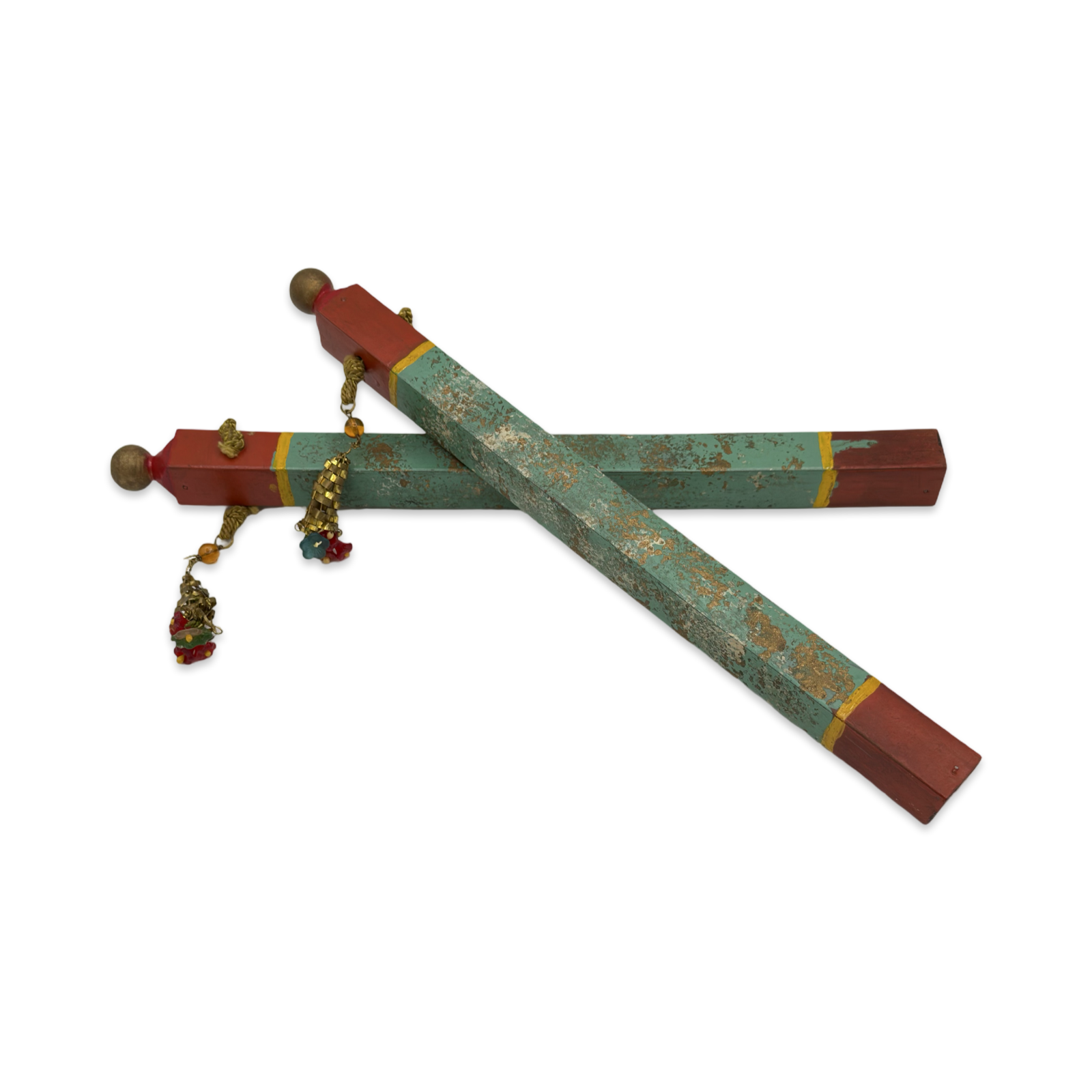
Hindoo Wands. Maker Unknown, ca. 1920s–40s.
A finely made pair of oversized Chinese Sticks, finished in turquoise, red, and gold paint with decorative brass and beaded tassels. As one tassel is pulled downward, the tassel on the companion wand mysteriously rises, despite the two wands being shown separate from one another. A classic of stage magic, the effect has remained a favorite of performers for well over a century.
The distinctive construction, paint scheme, and original labeled storage box suggest a small-scale or custom-made production rather than a widely marketed model. Despite extensive inquiries among experienced collectors and dealers, the maker has not been identified, and comparable examples have yet to surface.
Retains the original labeled box marked "Hindoo Wands." Paint wear consistent with age and use. Measures approximately 12½". A scarce and intriguing variation of one of magic's most enduring classics. Currently offered on consignment.
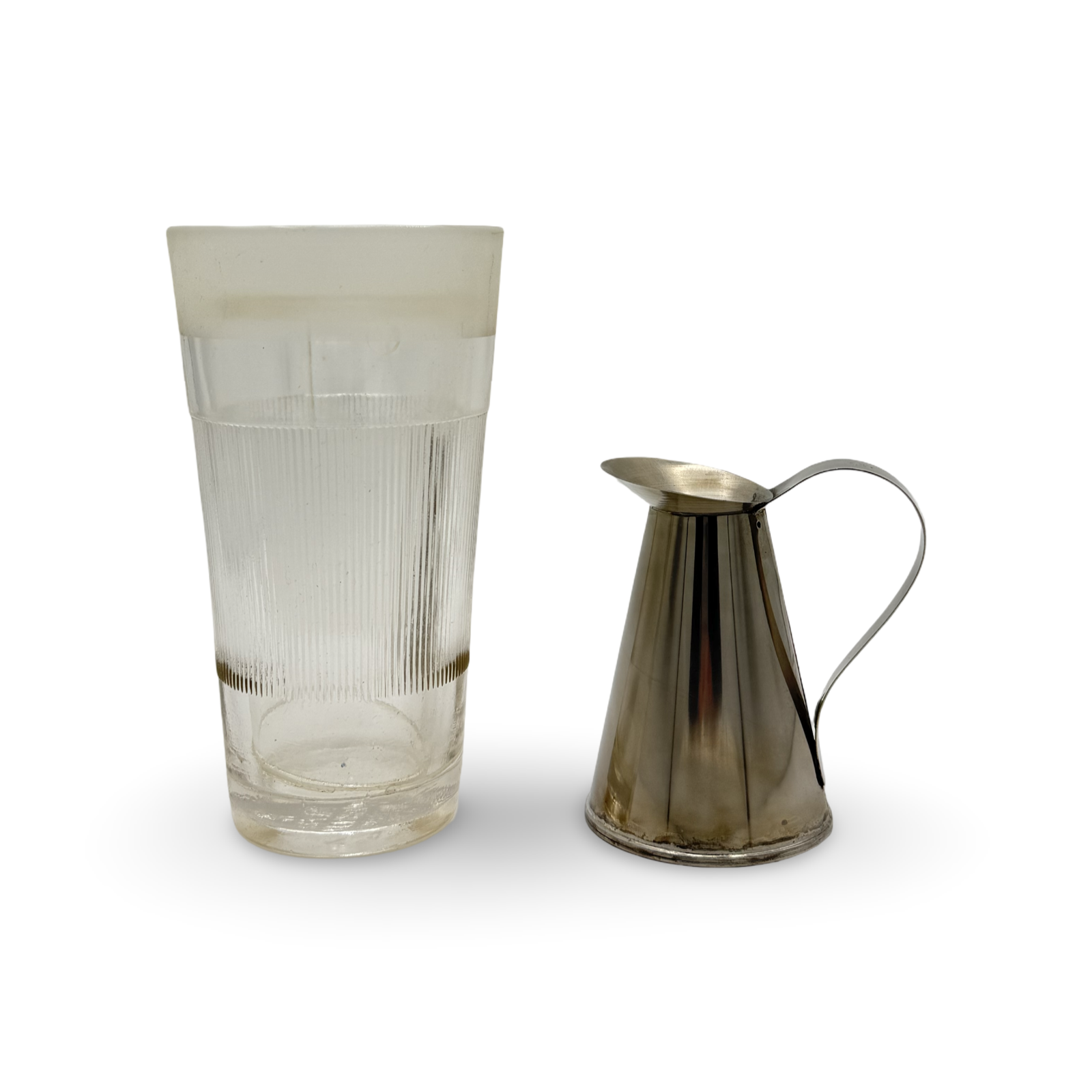
Merv Taylor, ca. 1959
Merv Taylor’s Por-Mor/Fil-Mor set is a rare and ingenious liquid measure effect. The slender Por-Mor vessel, despite its deceptively small profile, is able to completely fill the companion Fil-Mor glass—a hefty 22-ounce malt glass—seemingly defying logic.
Introduced in the late 1950s, this clever combination quickly became a favorite among working professionals for its practicality and surprise factor, and today stands as one of Taylor’s more seldom-seen creations.
Finely machined in metal and glass, reflecting Taylor’s reputation for precision craftsmanship.Merv Taylor hallmark on Por-Mor. Includes original box (damaged). Apparatus in excellent condition.
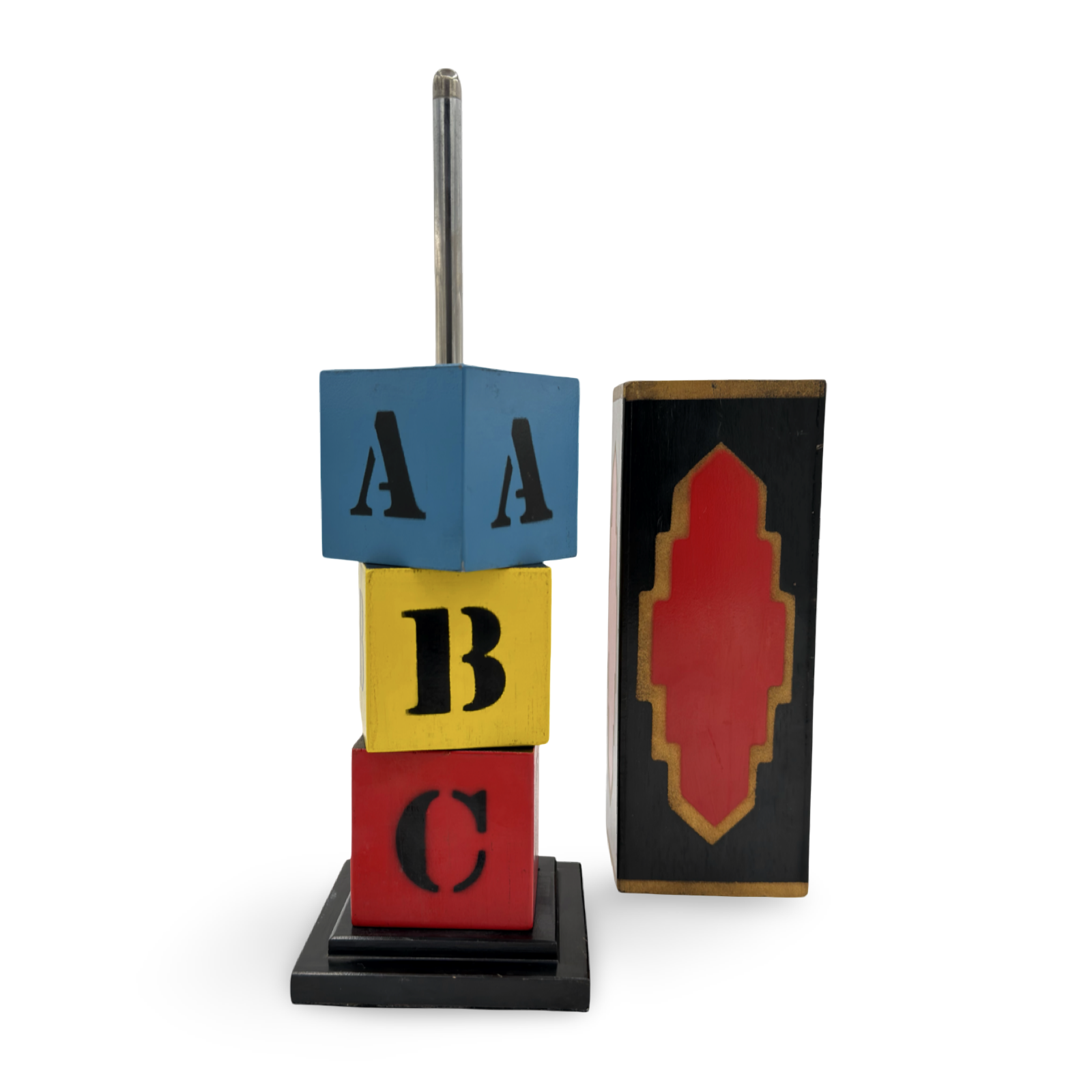
ABC Blocks, Owen Magic Supreme.
A colorful block disappears from a stack only to reappear in a borrowed hat or other container. One of the less common designs from Owen Magic. Wear from age, very good condition overall.
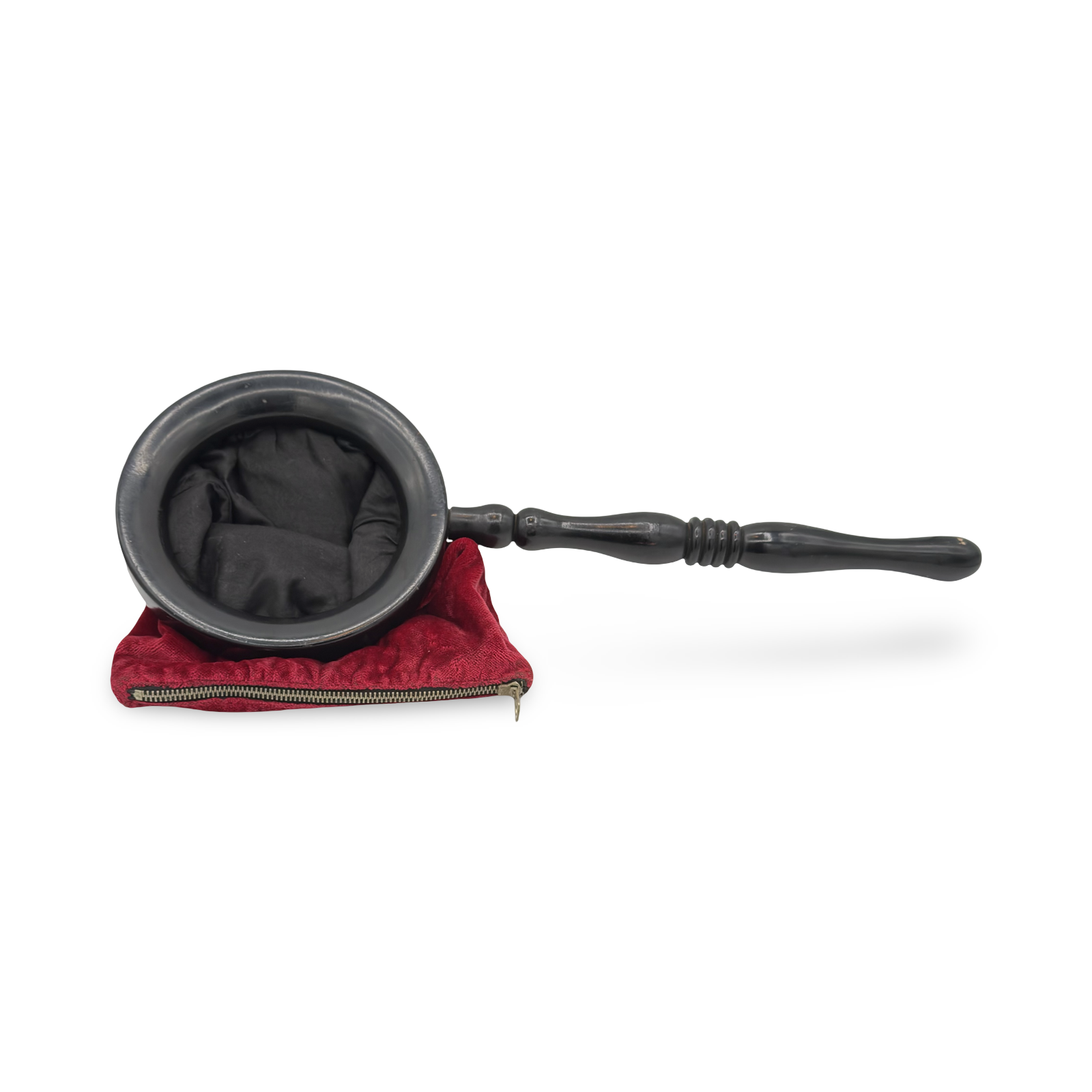
Change Bag. Los Angeles: F.G. Thayer & Co., ca. 1930.
Plush red bag with finely turned wooden handle and zippered bottom. Used to switch, vanish, or produce objects. Minor wear to the painted finish; otherwise very good. Uncommon in this format.

Tambor. Merv Taylor, ca. 1950s.
From Ken Klosterman’s renowned Salon de Magie (inventory no. K1924).
A classic production device in which an abundance of silks appears from two metal rings, previously shown empty and capped with tissue. Constructed in brass and copper and hallmarked by the maker. Measures 10” in diameter. Minor age wear. With original box. Very good condition.
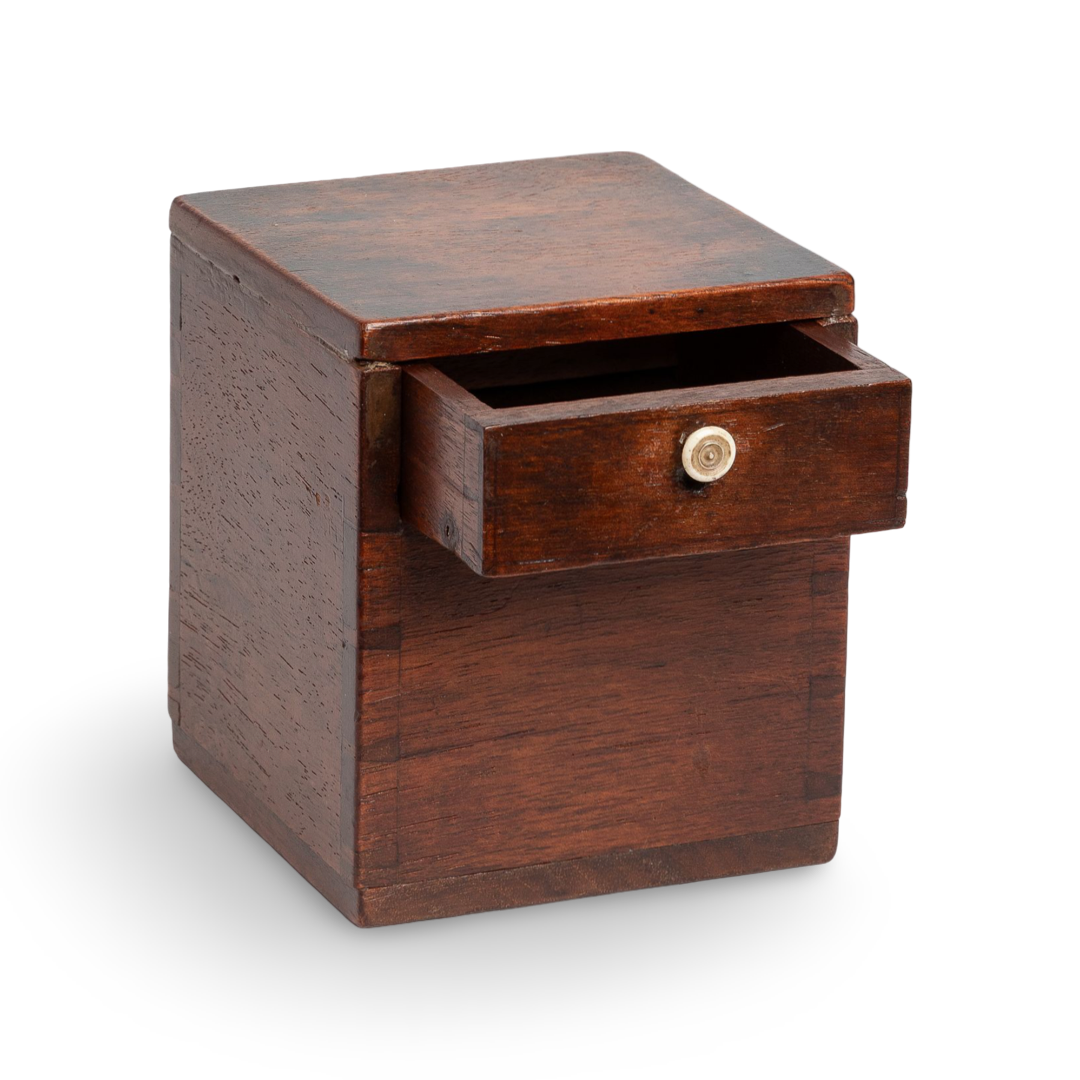
Davenport Cabinet. Circa 1875
A coin or small object inserted into the cabinet's drawer vanishes when the drawer is reopened. Unusual version with closed bottom of the outer case. Hardwood construction with ivory-like knob. Early example. Height 4".
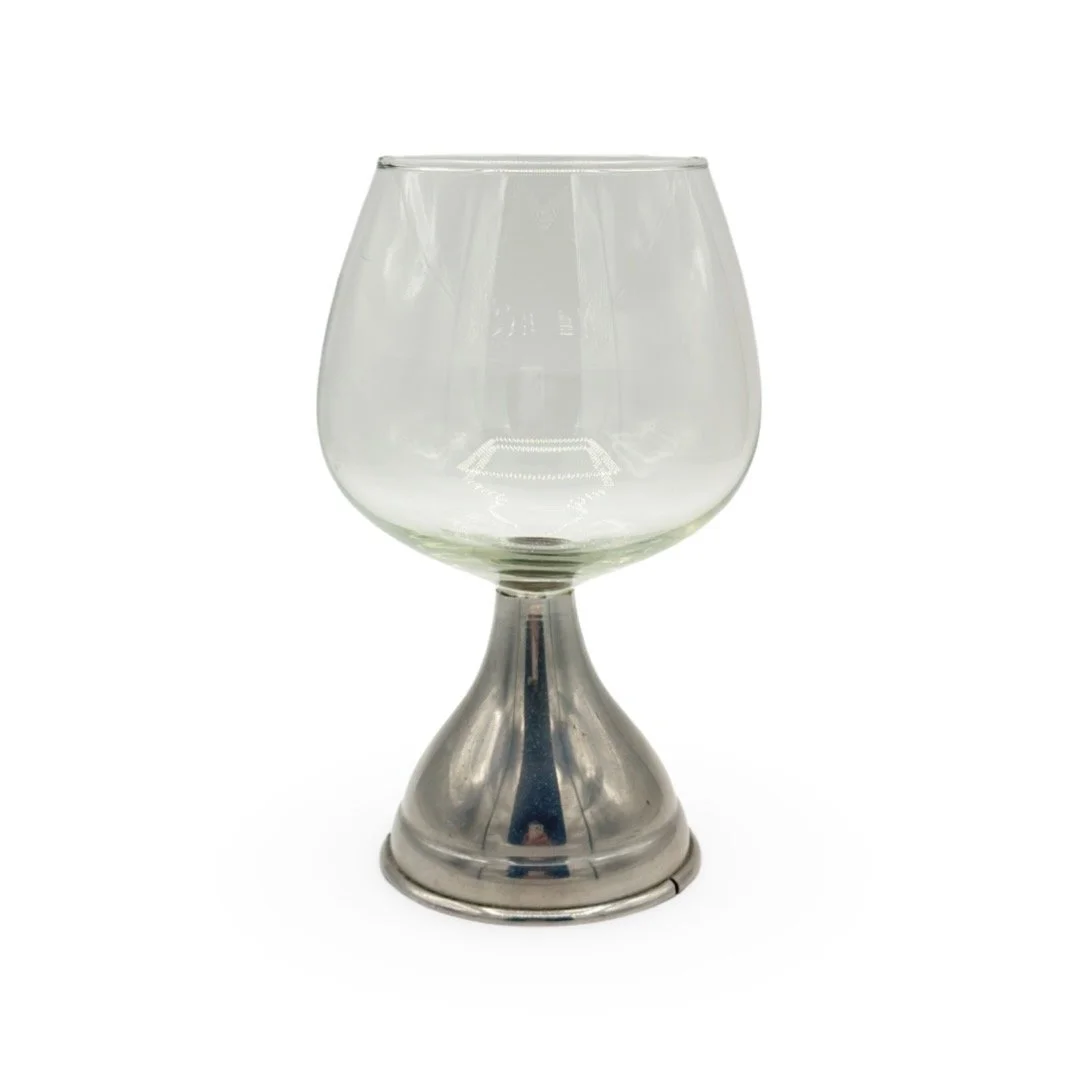
Chop Chop’s Egglass. Al Wheatley, mid-20th century.
Gimmicked stemmed glass for the classic egg on fan style effect using a brandy snifter style glass. Crumpled paper placed in the bowl visibly becomes a real egg, which may be broken into the glass. With original printed instructions. Glass intact; light wear to metal base. Measures 7 inches tall. Very good condition. Uncommon.
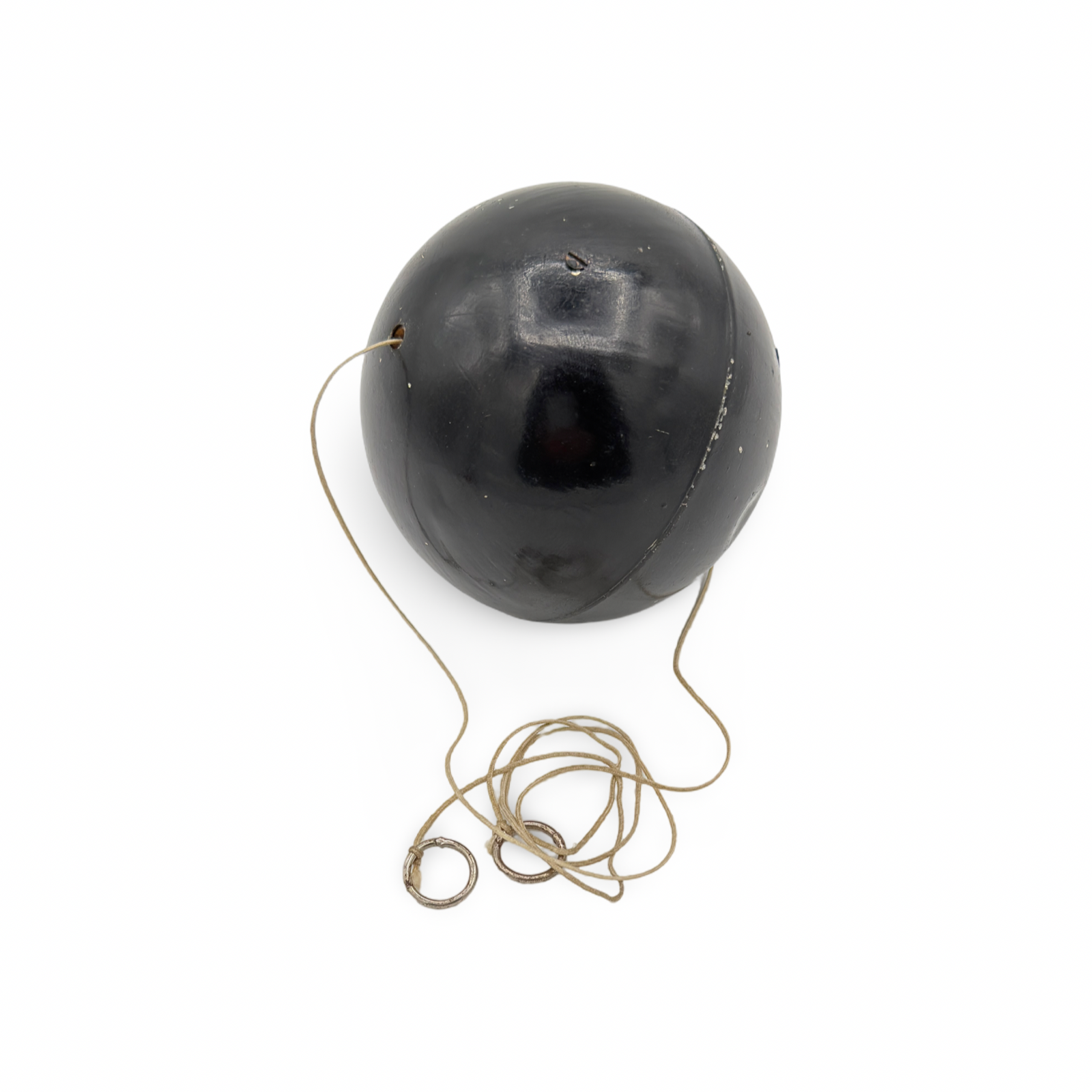
Obedio Ball. Los Angeles: F.G. Thayer [?], ca. 1930s to 1940s.
A clever Thayer control effect. A black ball travels along a length of cord, stopping and releasing at the performer’s command. Ball measures approximately 3 ¼” in diameter, threaded on cord with metal rings. Smooth, responsive internal mechanism. Light wear with minor scuffing consistent with age. Very good condition. A scarce item, seldom encountered.
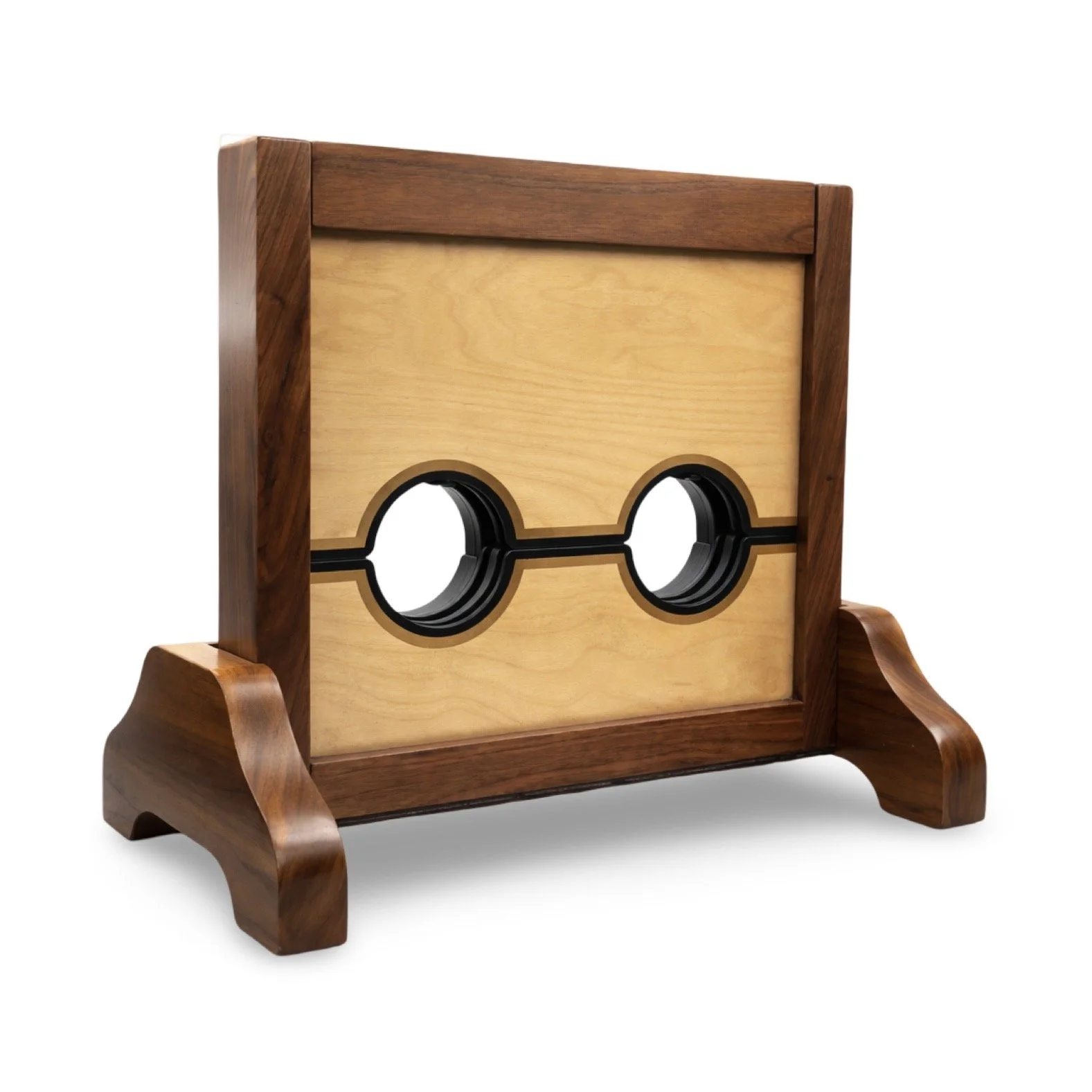
Karson Two-Hole Wrist Chopper. Owen Magic Supreme, ca. 1990s.
Hardwood stocks with fitted metal blade, cut with two circular openings. The blade is shown for examination before use. A spectator places both wrists through the stocks, which are secured; handcuffs may be added. The blade is then driven downward, passing through the wrists. Stocks are opened to show the interior empty; the spectator is unharmed. Wood finish recently restored by Paul Lembo. Includes original ATA case (foam requires replacement). Hallmarked.
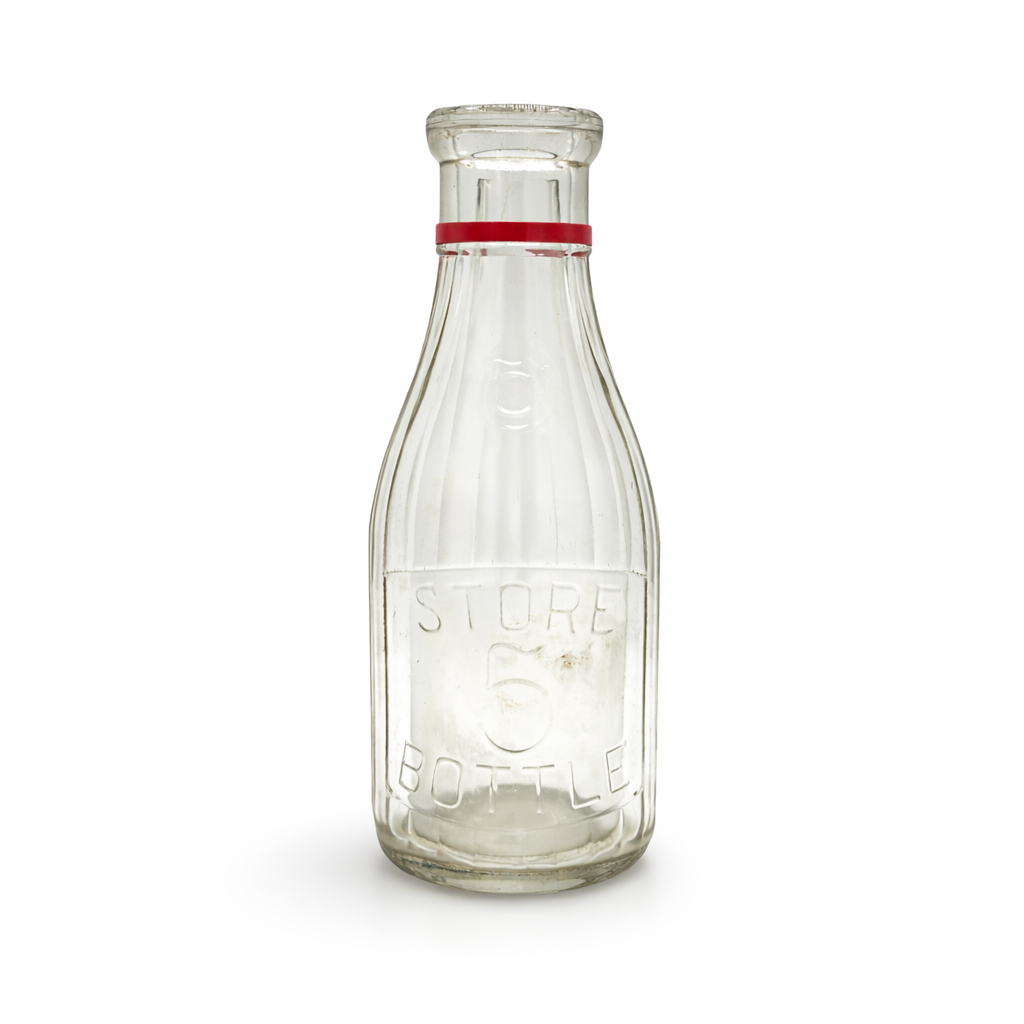
DeMuth Visible Milk Bottle, ca. 1940s.
Heavy clear embossed glass quart bottle, prepared for the classic visible vanish of milk. Retains original red neck band (worn, with loss). Interior residue and light clouding from age and use. Expected handling wear. A solid mid-century utility example.
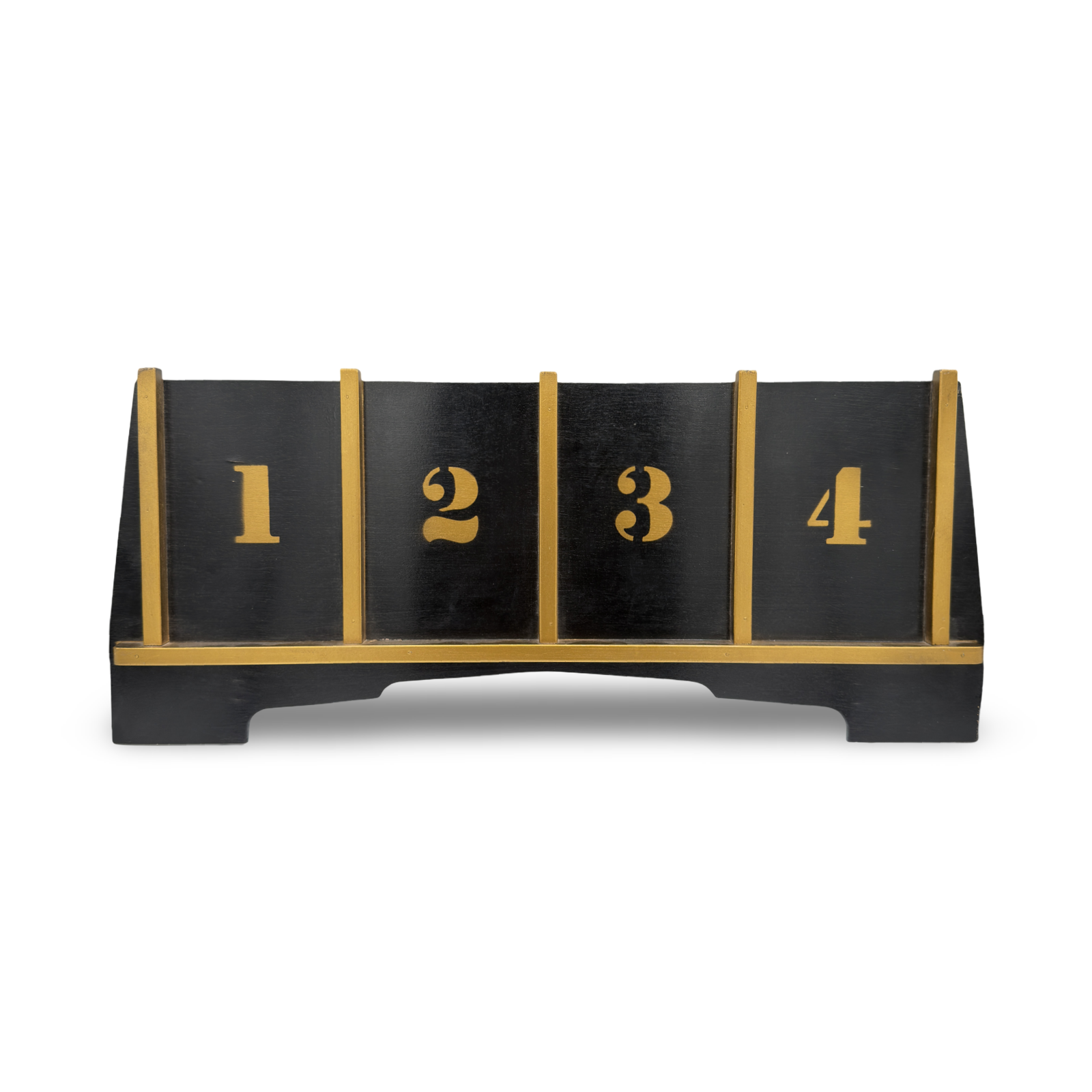
Jumbo Four Ace Stand. F.G. Thayer & Co., Los Angeles, ca. 1930s.
Ebonized wood stand with gilt dividers and stenciled numerals 1–4, designed for the clean display and secret switching of jumbo cards. A classic Thayer utility piece, most often used for Four Ace routines and similar transpositions. Bold, stage-sized construction typical of Thayer’s Los Angeles output.
Includes original typed instructions (No. 410 “Four of a Kind”) and original wrapping papers, elements seldom found together. Also accompanied by two packs of jumbo cards (modern Bicycle cards, not period).
Excellent condition. A particularly well-preserved and complete example.
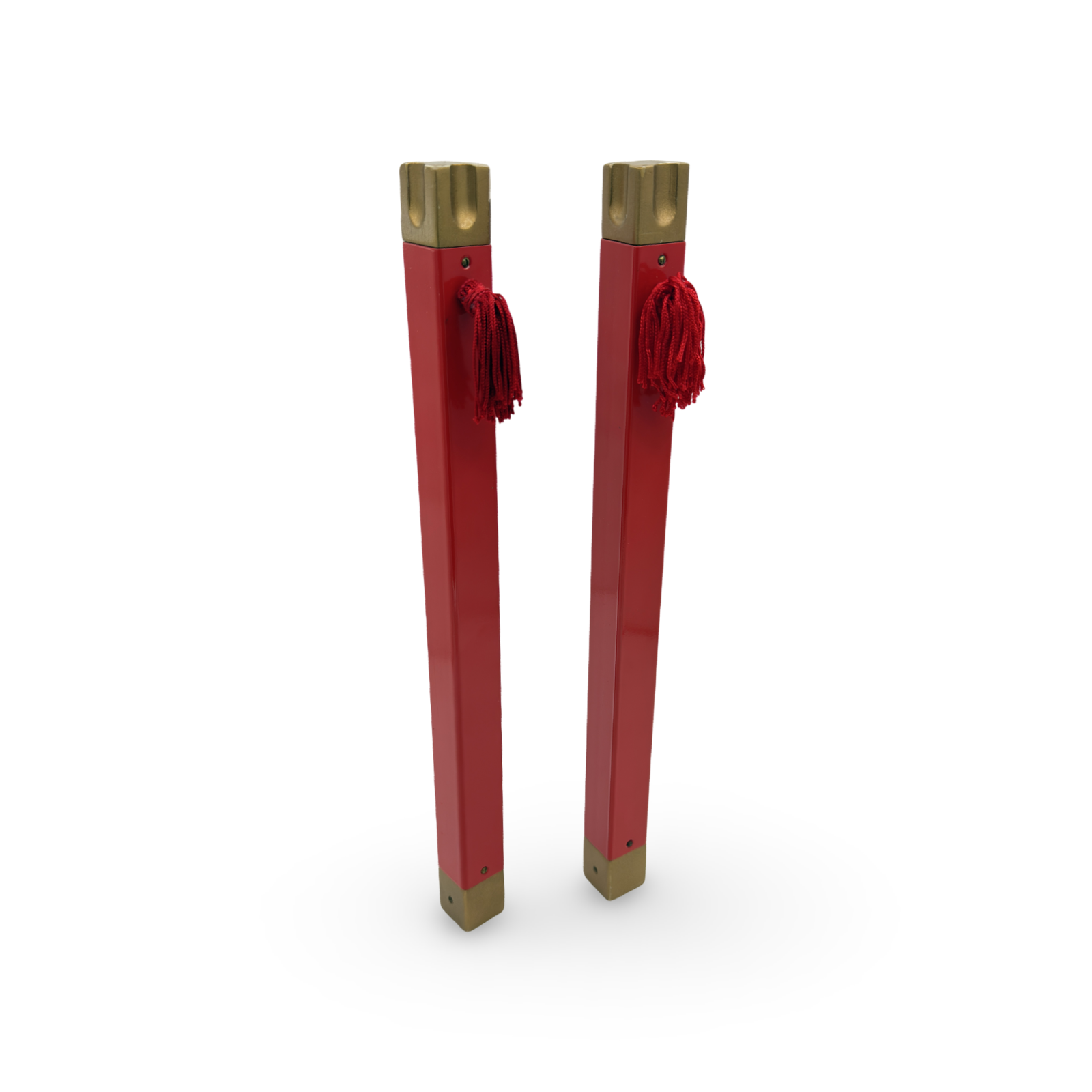
Chinese Sticks. Haenchen (Viking), mid-20th century.
Red lacquered sticks with gold-painted ends, bases stamped HAENCHEN. 14” length. Smooth, precise action. Minor chipping to end caps; very good condition overall. Original instructions and red velvet carrying bag included. No longer made.
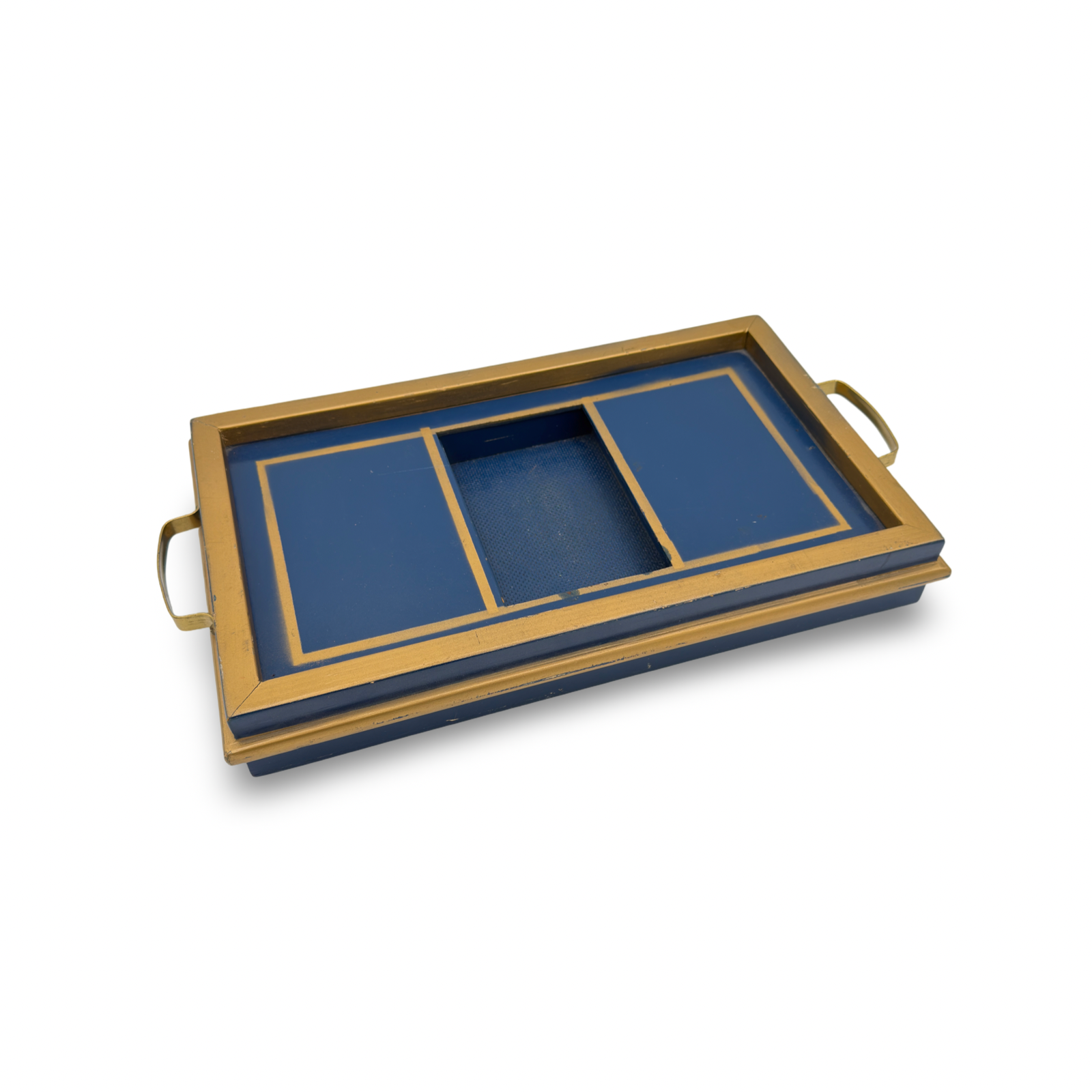
Deck Switching Tray. Abbott’s Magic, ca. 1940s
Utility tray for the exchange of a deck of cards, coins, envelopes, billets, and similar items, operable in full view. Lacquered wooden tray with blue finish and gilt striping, fitted with brass side handles. Light wear consistent with age. Very good condition. Uncommon.
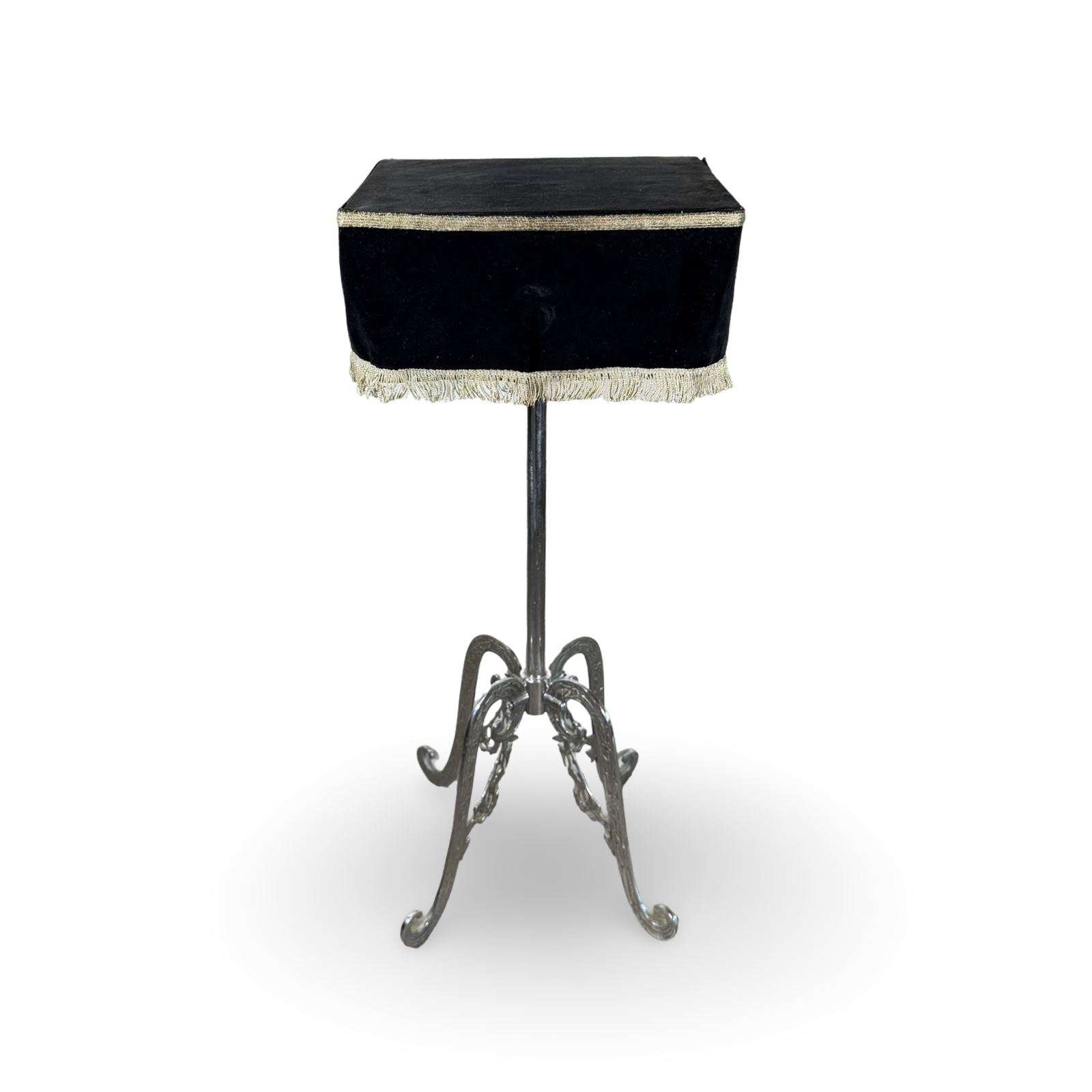
Magician’s Side Table. Boston: W.D. LeRoy, ca. 1910
Cast composition metal side table in the familiar stork-leg style associated with W.D. LeRoy. The center rod is supported by four flat metal legs decorated with raised floral motifs and stork figures. As with other known examples, the legs disassemble for easier packing, a feature mentioned in period advertising.
A period endorsement attributed to Harry Kellar reads: “I have traveled all over the world, and must acknowledge they are the handsomest tables I have ever seen.”
Approximately 34” high; top 14 × 12”.
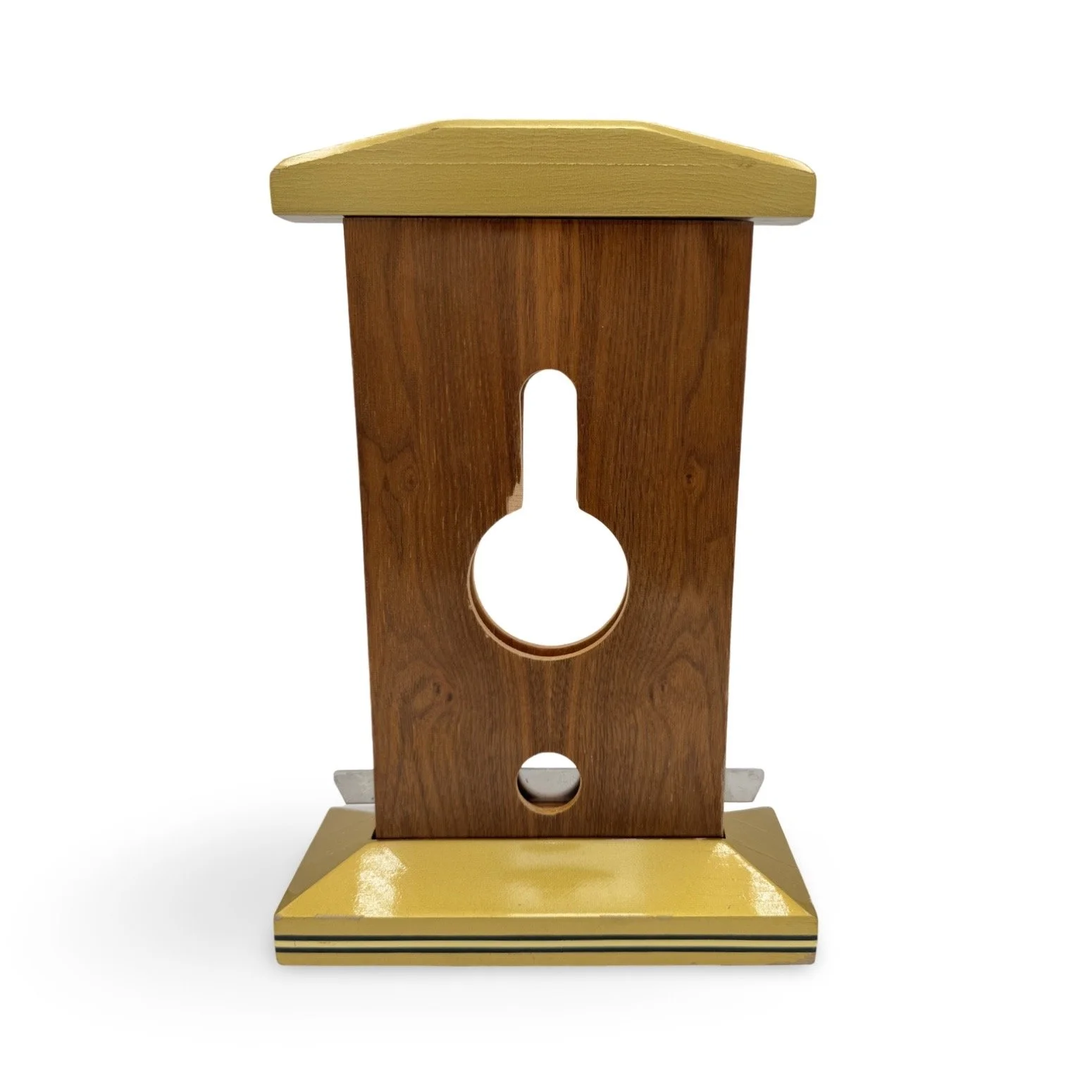
Milson-Worth, ca. 1980s.
A spectator's wrist is unharmed when the blade is pushed through the stocks, but the carrot underneath his hand is chopped in two. Finely made from hardwood with gold finish and pinstriping. Height 15". Some wear to paint and veneer, otherwise in very good and fully operational condition.

Petrie & Lewis, ca. 1940–1950s.
A classic feat of stage magic: an alarm clock is placed on a tray, covered with a handkerchief, and suspended from a metal stand. The magician reaches beneath the cloth and audibly rings the alarm—proof that the clock remains in place. But with a dramatic flourish, the cloth is whisked away, and the clock has completely vanished. Includes the original tray, clock, stand, and cloth. Hallmarked. In very good condition.
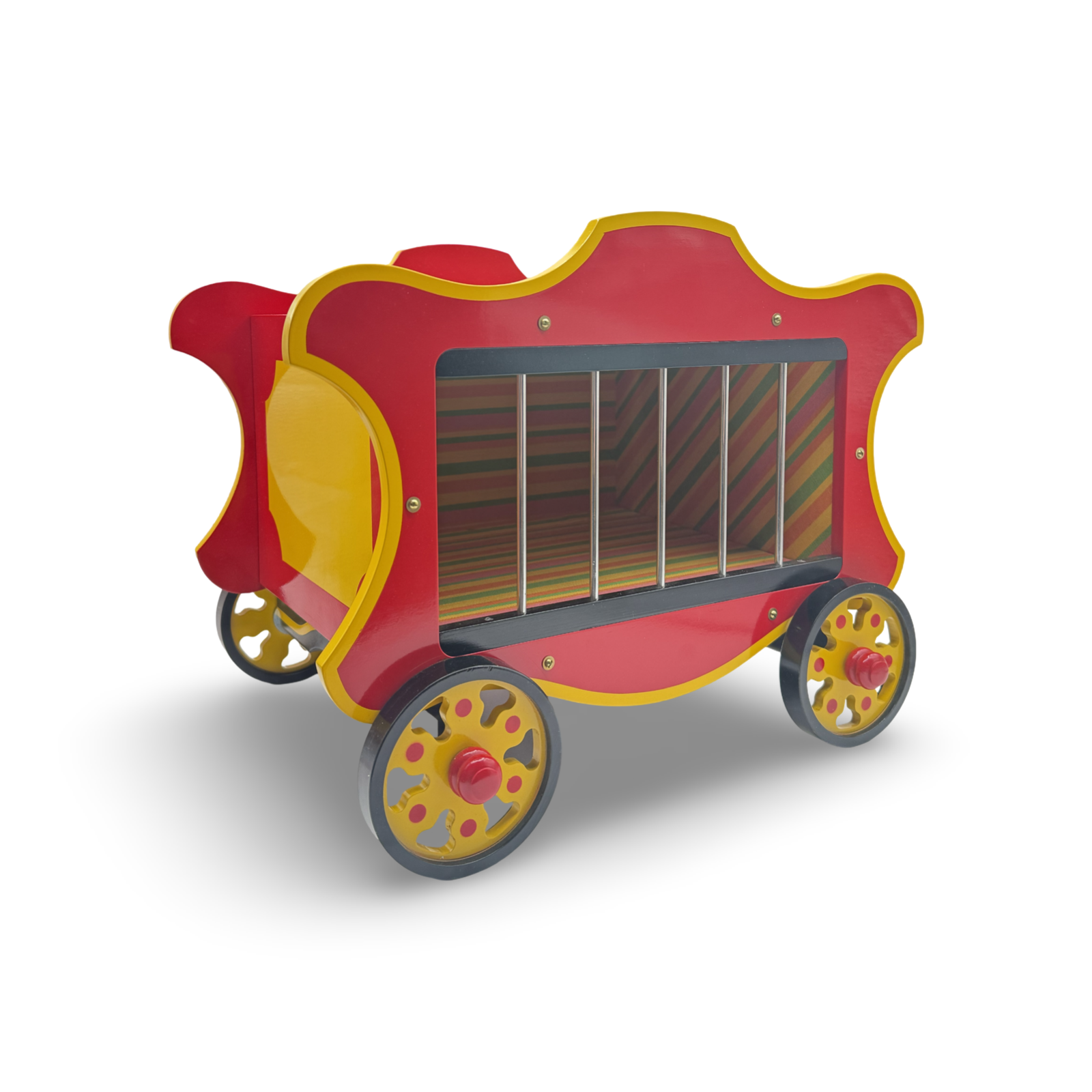
Owen Magic Supreme.
Finely finished circus wagon designed for the visible production of a live rabbit. A classic Owen stage piece, beautifully constructed. Measures 16 × 10 × 12 inches. Excellent, near-fine condition with original instructions.

Azusa: Owen Magic Supreme, 2000s
A classic of magic, in which milk poured from a clear 2-quart Lucite pitcher into a paper cone vanishes completely. Constructed of heavy-duty Lucite with a thin, seamless design patterned after the original Merv Taylor model. Height 9¼”. Regarded as one of the finest and most durable versions of this professional utility prop. Minor wear, very good condition overall. Hallmarked.
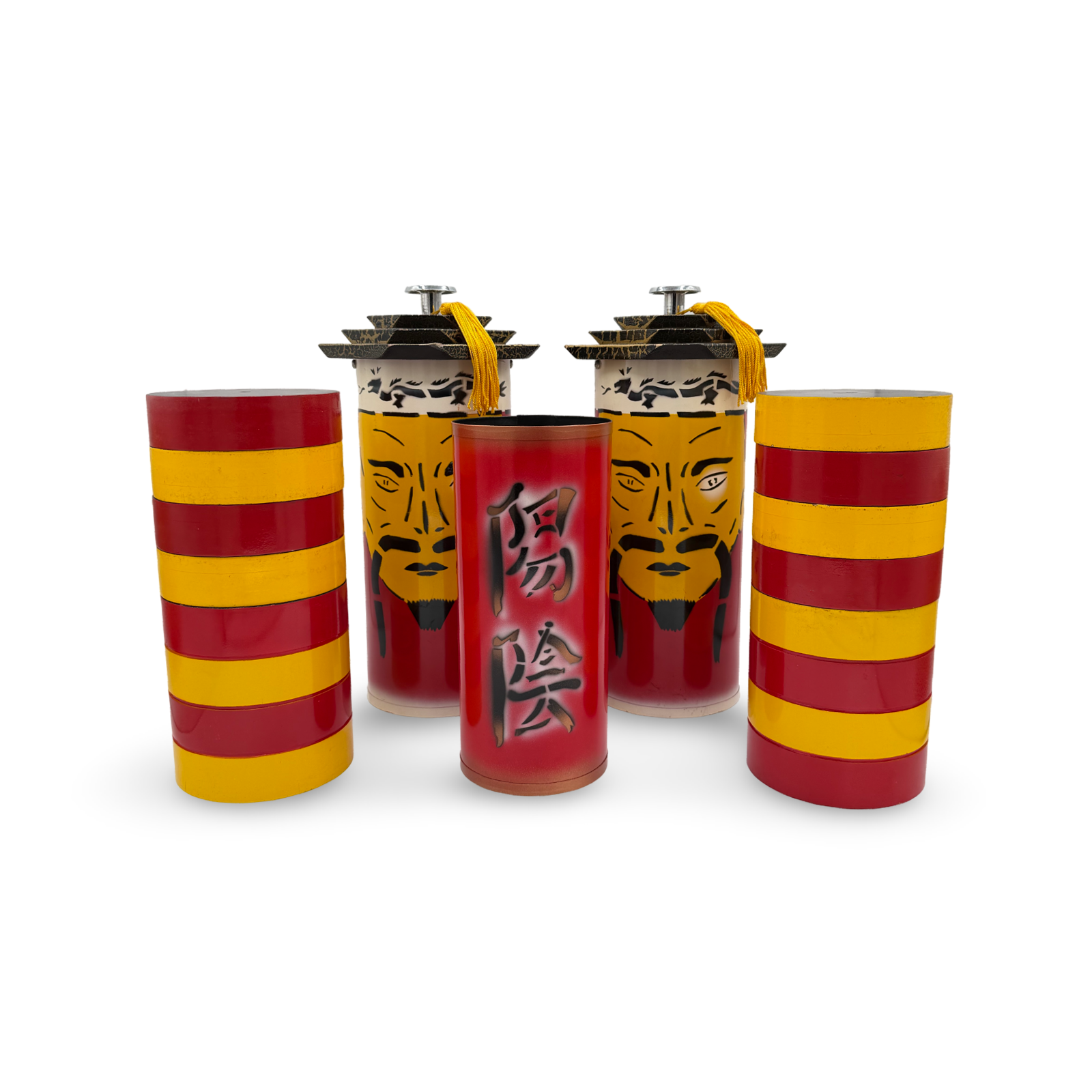
Imperial Rice, Orange and Checkers. MAK Magic, designed by Jimmy King, 1978.
A large stack of checkers, a quantity of rice, and an orange transpose among three tubes. Minor wear, otherwise in very good condition. Includes faux orange and original instructions. Supply your own rice.
Click here to see a performance by the fabulous Keith Raleigh
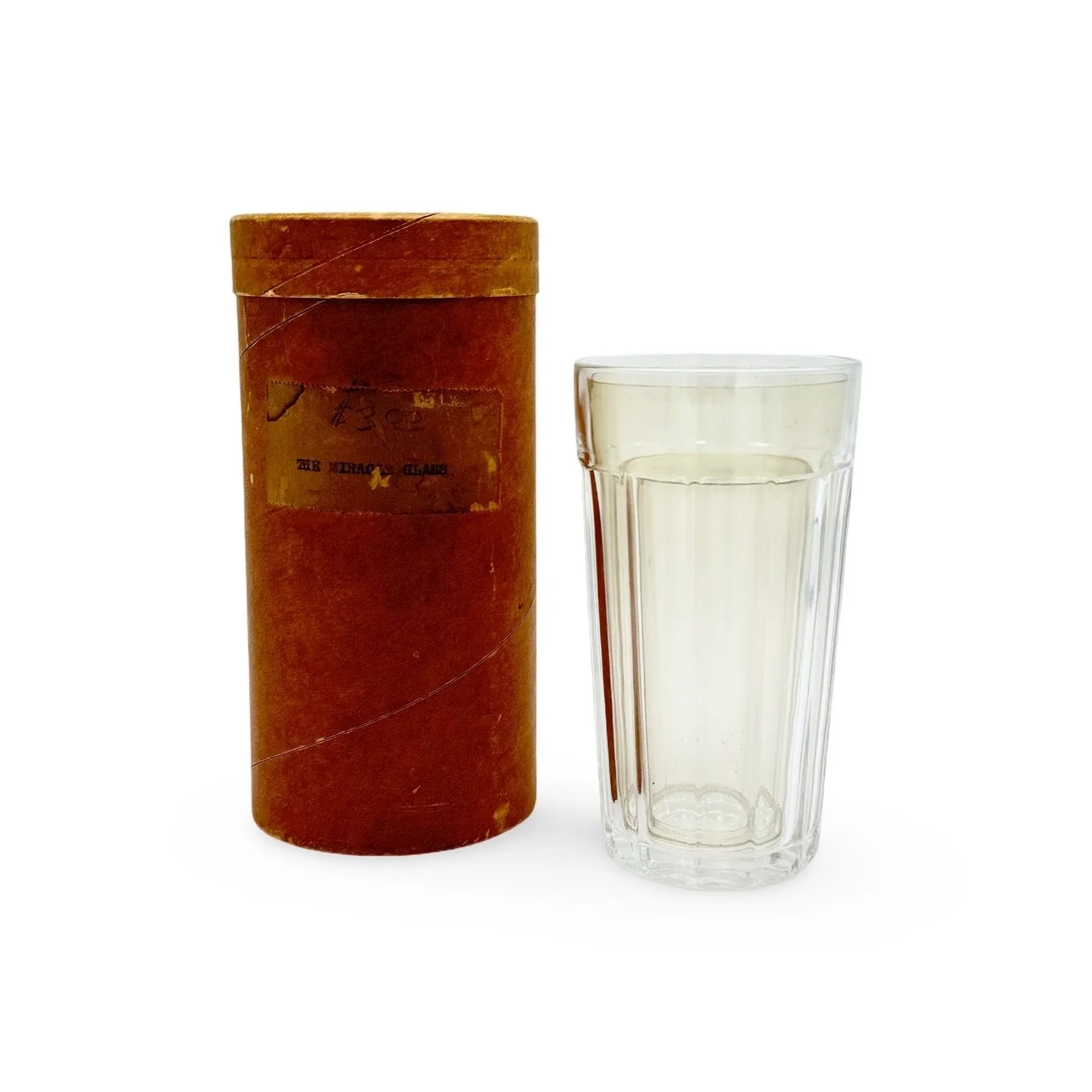
The Miracle Glass. D. Robbins & Co., ca. 1940s
A classic vanishing milk effect, devised by John Frank—winner of first prize in liquid magic at the 1947 I.B.M. Convention in Pittsburgh. The effect allows the magician to pour milk (or other liquid) into the glass, only for it to mysteriously vanish at command. Mild toning to the original celluloid insert, otherwise in very good condition. Complete with original container and instructions.

Aquarium. Petrie & Lewis (P&L), ca. 1949
A clever P&L creation: a small rectangular glass aquarium, shown filled with clear water, suddenly and visibly comes to life with swimming goldfish. Finely constructed and hallmarked, Measures 7 ½ x 4 x 6”. A classic of stage and parlor magic, engineered for both durability and elegance. Wear to frame; very good condition overall. Not tested with water.

Collapsible brass birdcage with silver finish, as described by Prof. Hoffmann in Modern Magic (pp. 311–312). Collapses to under 5” square × 2½” high; expands to approx. 5” square × 6” high. Tarnish and surface wear from use; excellent working condition.
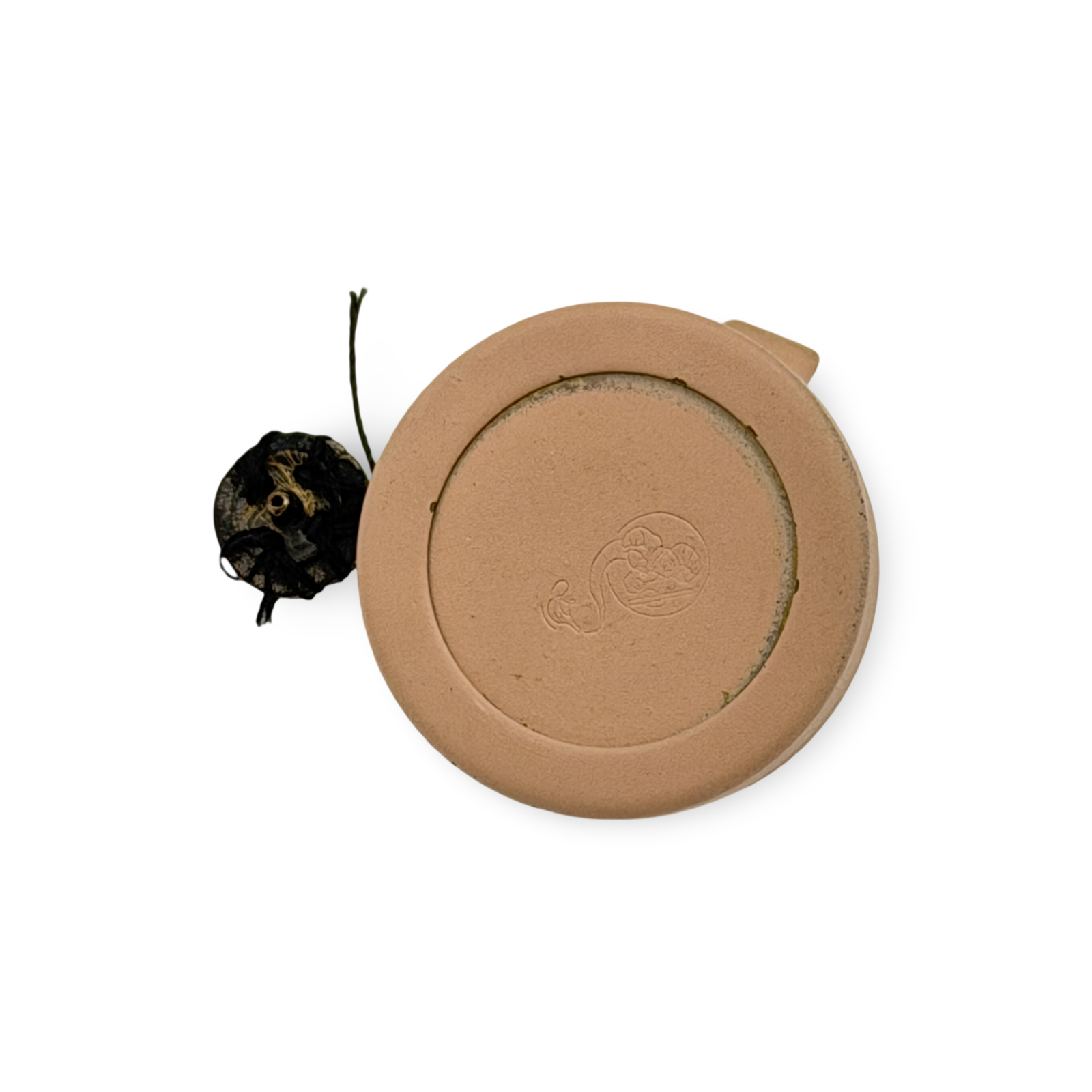
Utility Reel, No. 1703. Owen Magic Supreme, Azusa, California.
Spring-loaded utility reel for Rising Cards, silks, Serpent Silk, match boxes, and similar effects. Adjustable tension via pressure to the cover disc; instructions outline thread replacement and spring winding (approx. 28 thread turns; 7–8 spring turns recommended). Includes original instruction sheet. Light age wear, very good overall.
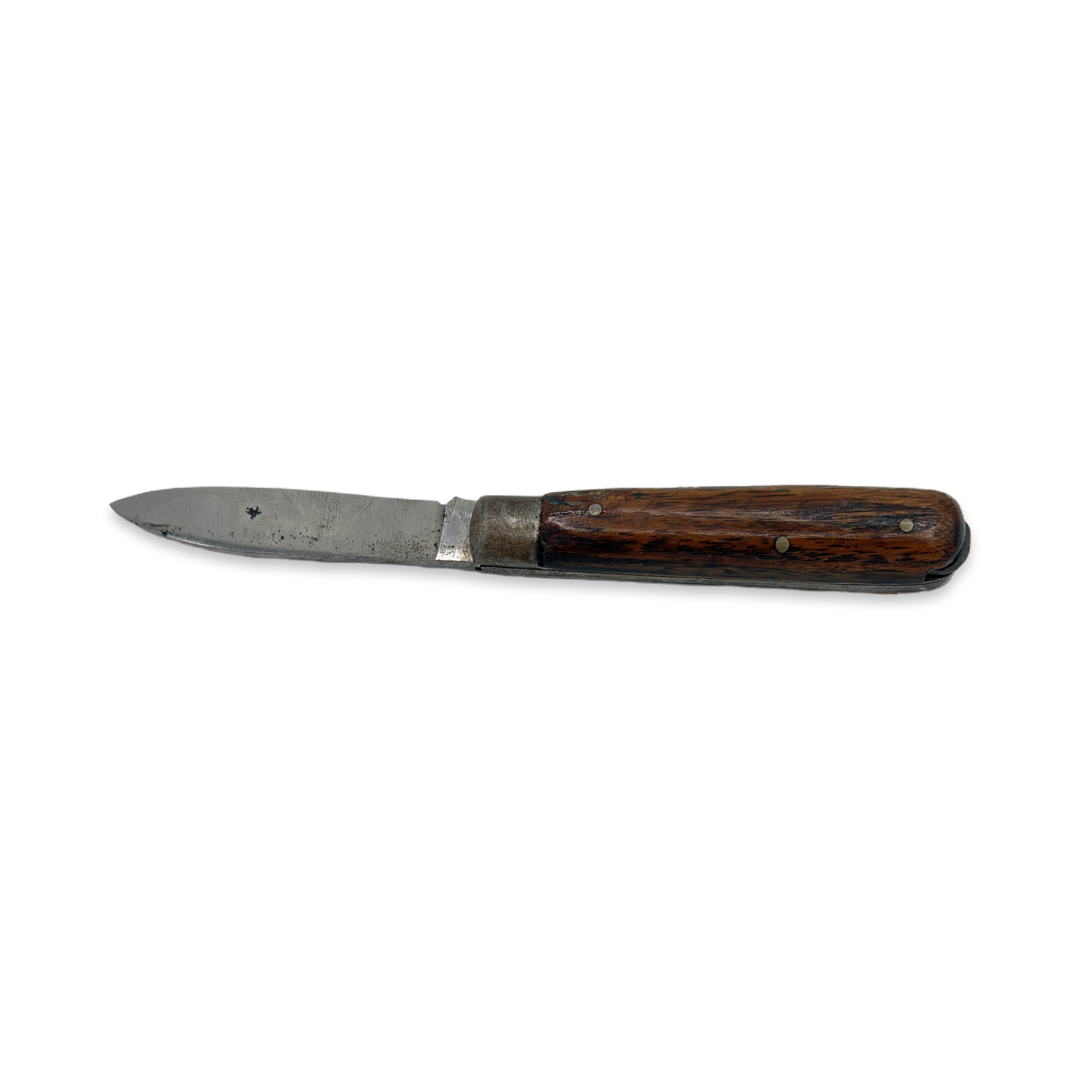
Knife Through Coat. Mid-20th century.
Folding knife with wood scales and metal bolsters, fitted with a removable blade section for the classic penetration effect. The blade appears to pass through a borrowed coat or cloth without damage. Well-handled example with age to metal and light wear to the handle. Uncommon in this form.

Cups and Balls. Owen Magic Supreme, ca. 1970
Beautifully polished set of three spun aluminum cups by Owen Magic Supreme, each 3 3/8” high with a 2 1/8” mouth. Owen’s cups are celebrated for their balance, precision, and graceful design.
In the long tradition of the Cups and Balls, Owen’s engineering offered 20th-century magicians a professional-grade apparatus that combined practicality with elegance. Light wear, very good condition.
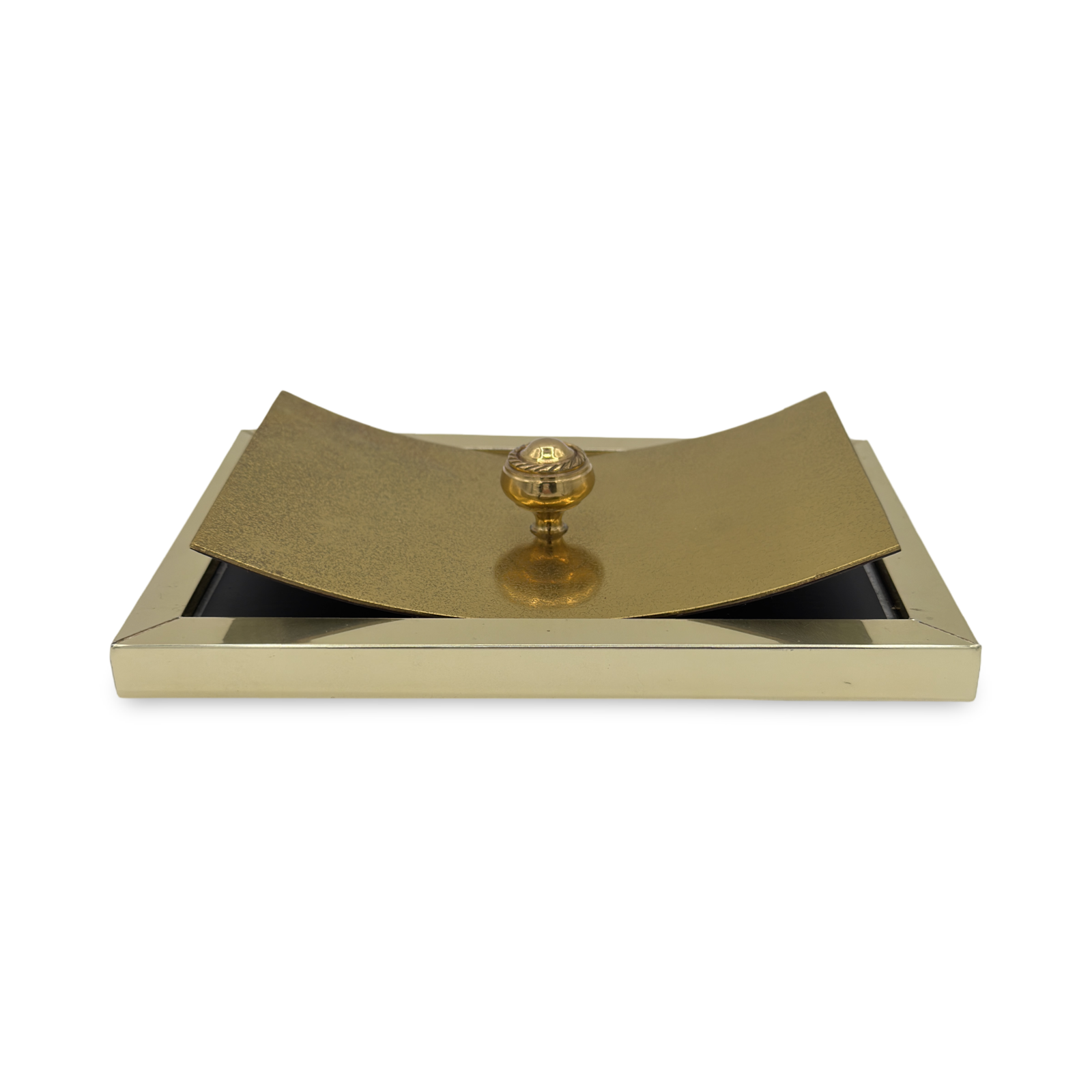
Eddie Gibson’s Money Blotter. Sold by The Magic Hands (Germany), ca. mid-20th century.
Classic blotter-style money printing effect attributed to Eddie Gibson. A blank piece of paper is placed within the tray, pressed with the brass blotter, and transformed into a genuine banknote. Well-made with gilt-finished tray and brass blotter with decorative knob.
The method is simple, deceptive, and practical in performance. Accommodates any currency that fits the tray.
Complete with mechanical blotter, gimmicked plate, magnet for removal, and original illustrated instructions (German). Light wear consistent with age. Measures 7.5 × 5”. Excellent condition.
Scarce, and rarely encountered complete.
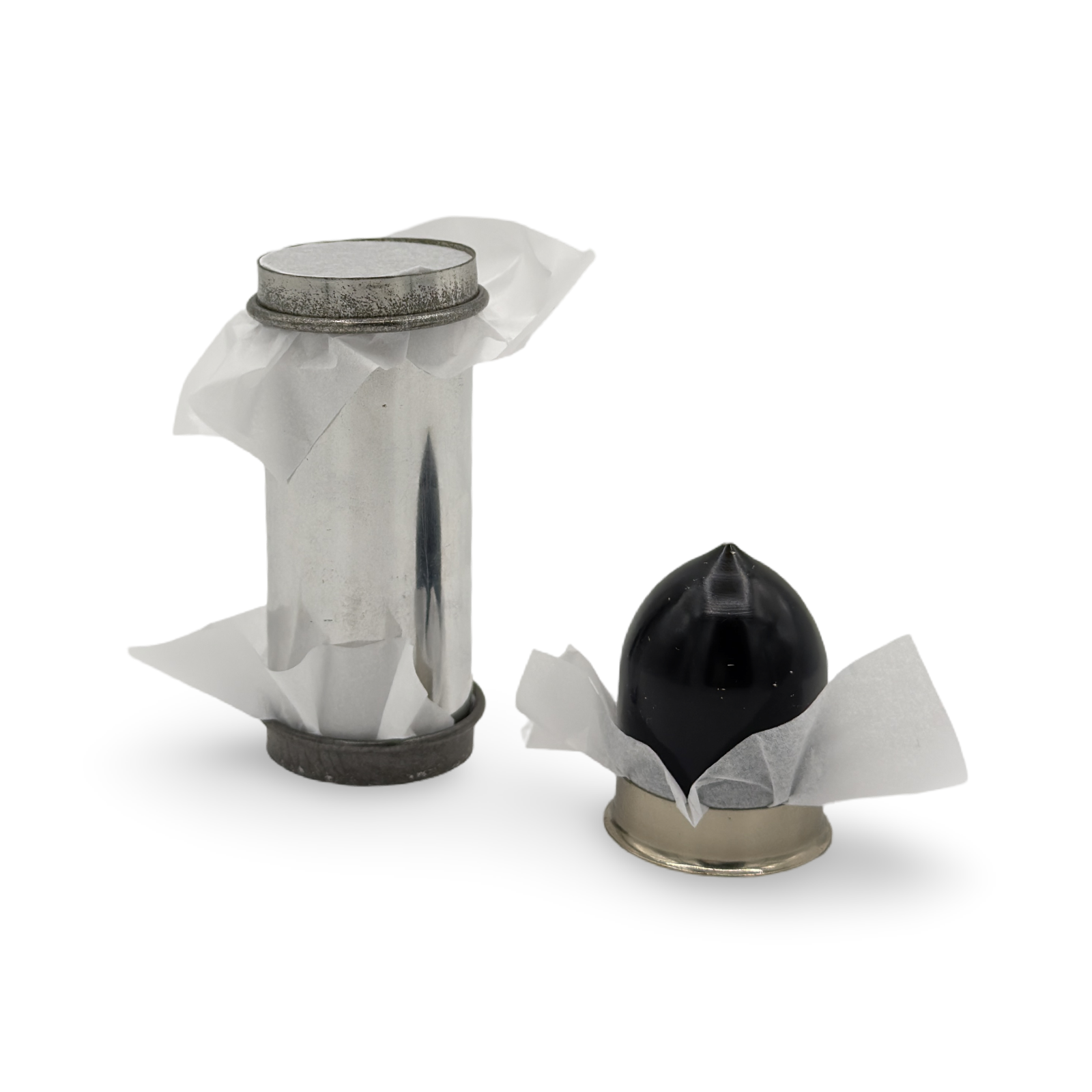
Mini Drumhead Tube. Petrie & Lewis, ca. 1930s-1940s
A miniature version of the classic production tube by the New Haven makers. Tissue paper is placed over both ends of the empty tube; the papers are burst, and a silk is produced from within. Measures approximately 3.5 inches high. Includes original box. Wear to the finish consistent with age; overall very good. Uncommon in this size.
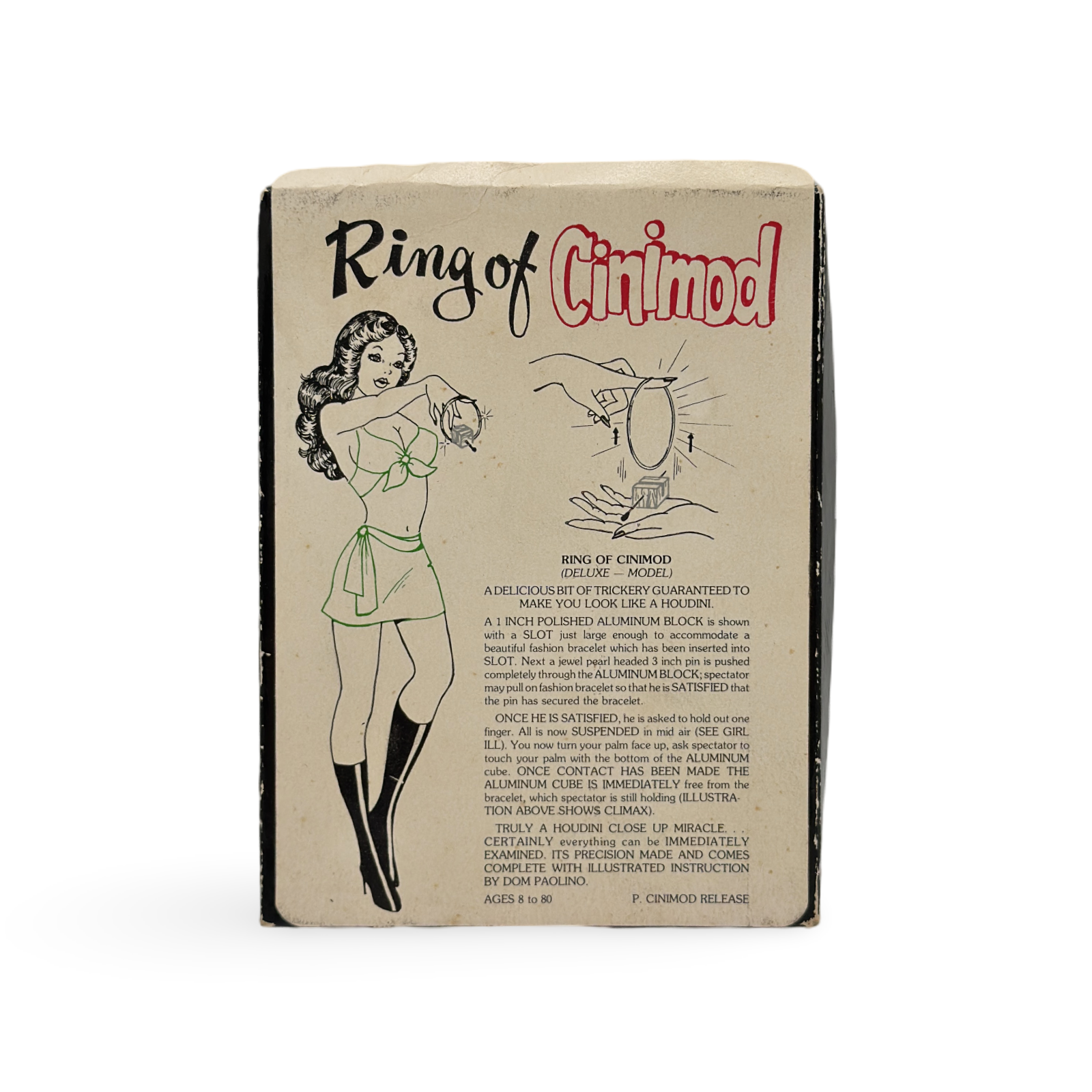
Ring of Cinimod (Deluxe Model). P. Cinimod, 1975.
Close-up penetration effect in which a bracelet visibly frees itself from a slotted aluminum block under impossible conditions. Complete with bracelet, block, pin, and gimmick. Original packaging and illustrated instructions included. Box shows light wear; contents very good.
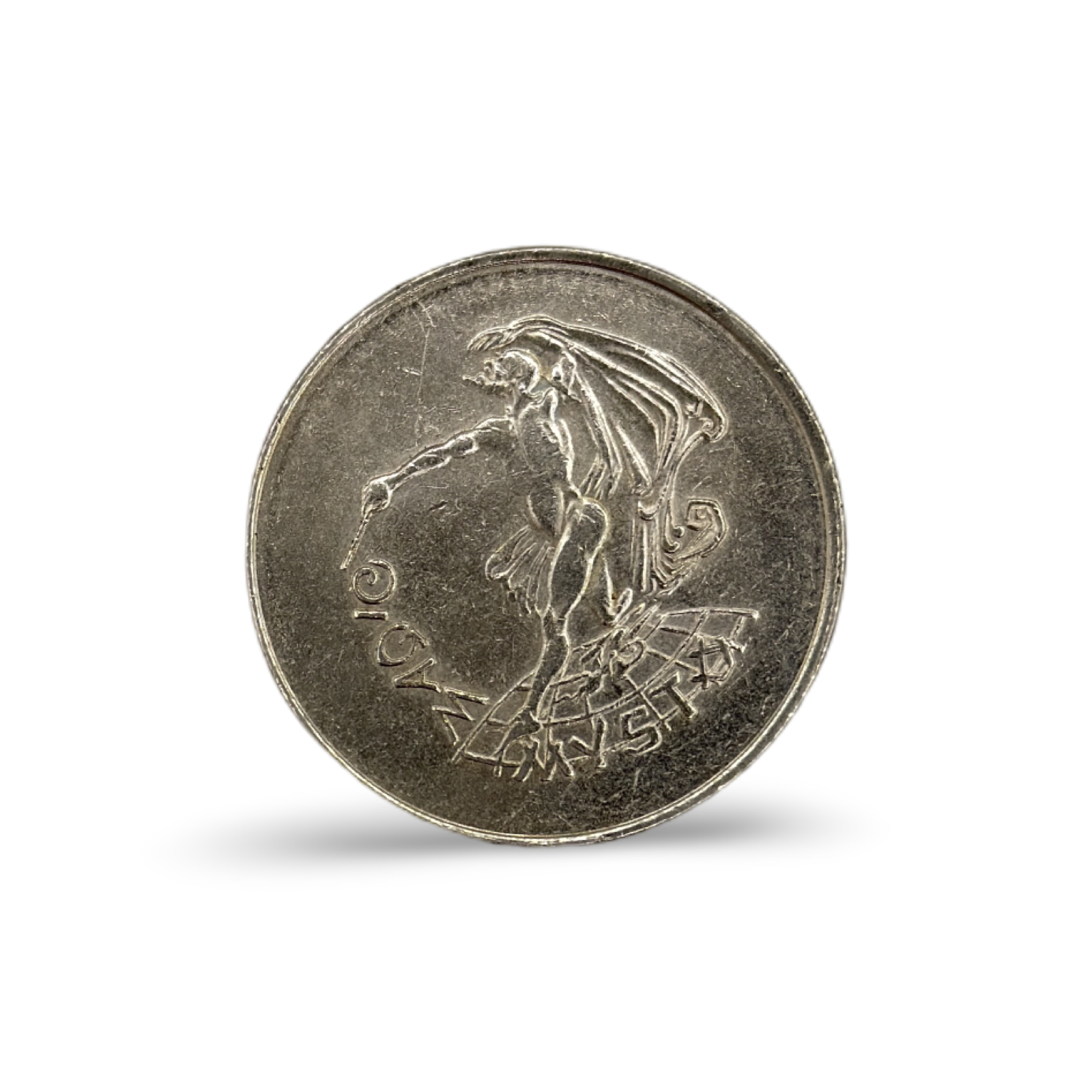
Mysto Magic Token, ca. 1930s
Advertising token (MT259) with Mysto “dancing devil” motif over globe, MYSTO and MAGIC incorporated into the design. Same on both sides. Very good condition. Seven available.
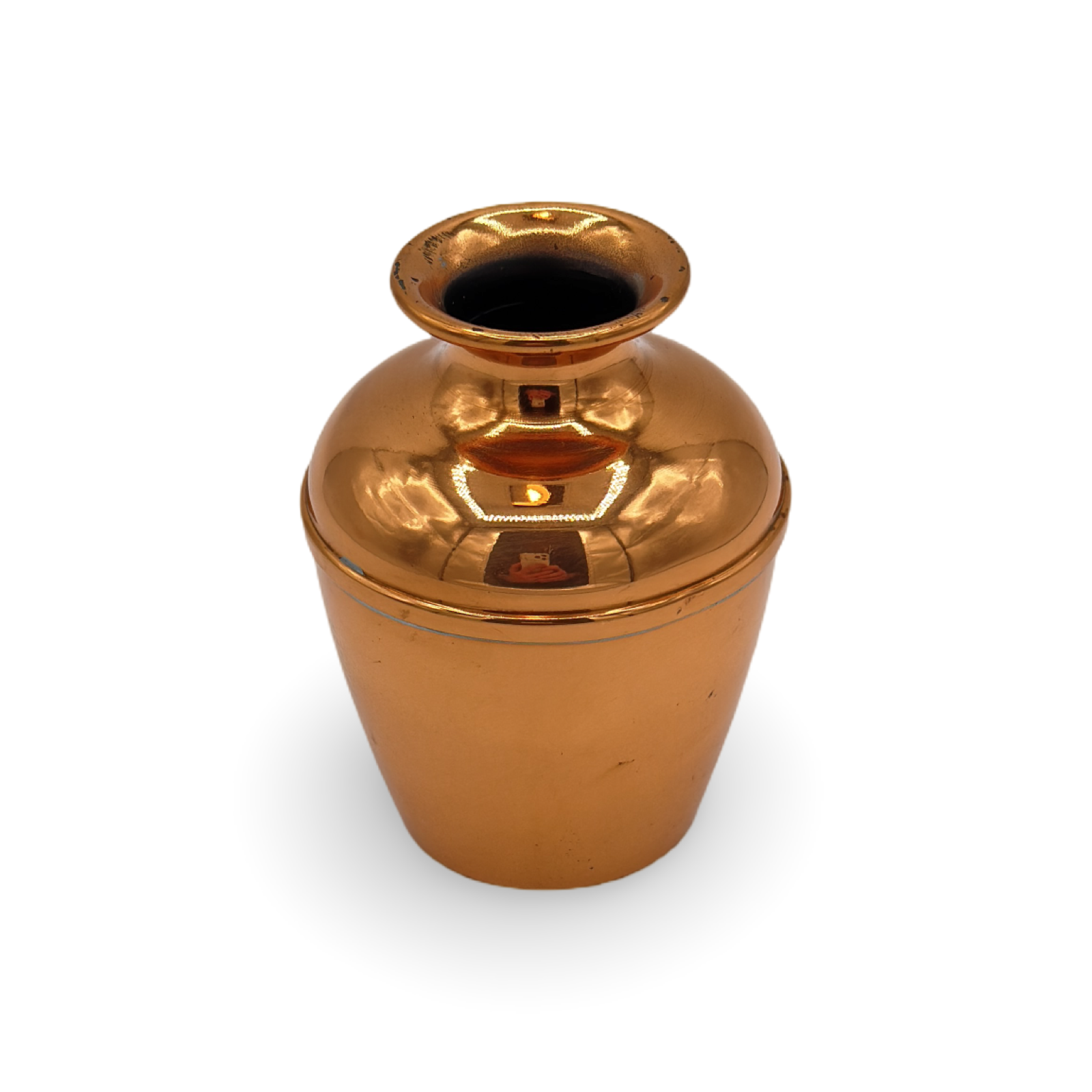
Six Shot Lota. Petrie & Lewis, ca. 1960s
Spun copper Lota Vase by Petrie & Lewis, enabling the repeated production of liquid from an apparently empty vessel. Classic “six shot” configuration. Measures 3¼” tall. Hallmarked. Minor wear consistent with age. Very good condition. No instructions.
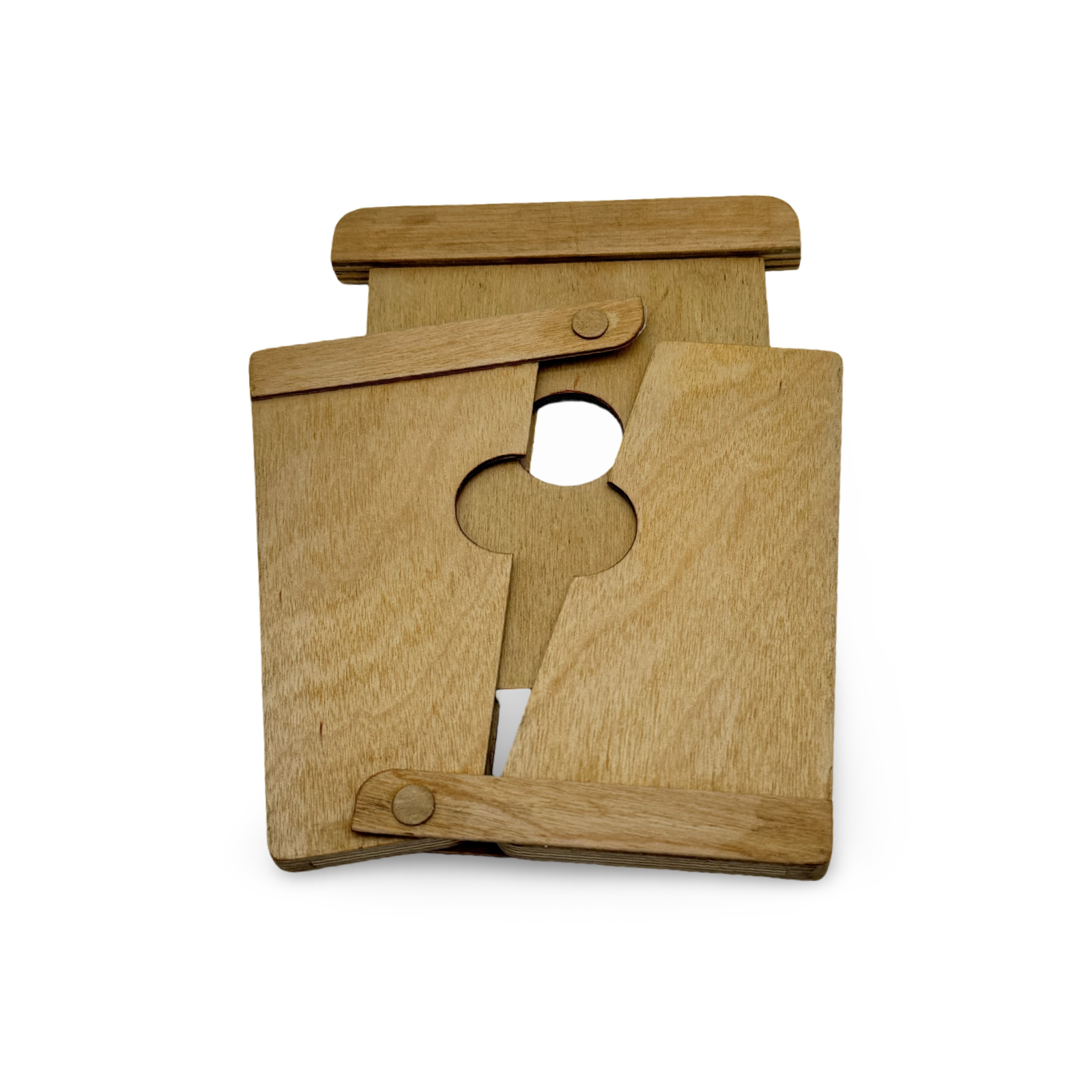
Wooden Finger Chopper. Maker Unknown
An unusual and scarce version of the finger chopper. Works like a Clarence Miller model, but has a much nicer design. Includes velvet storage bag. No instructions. Very good condition.
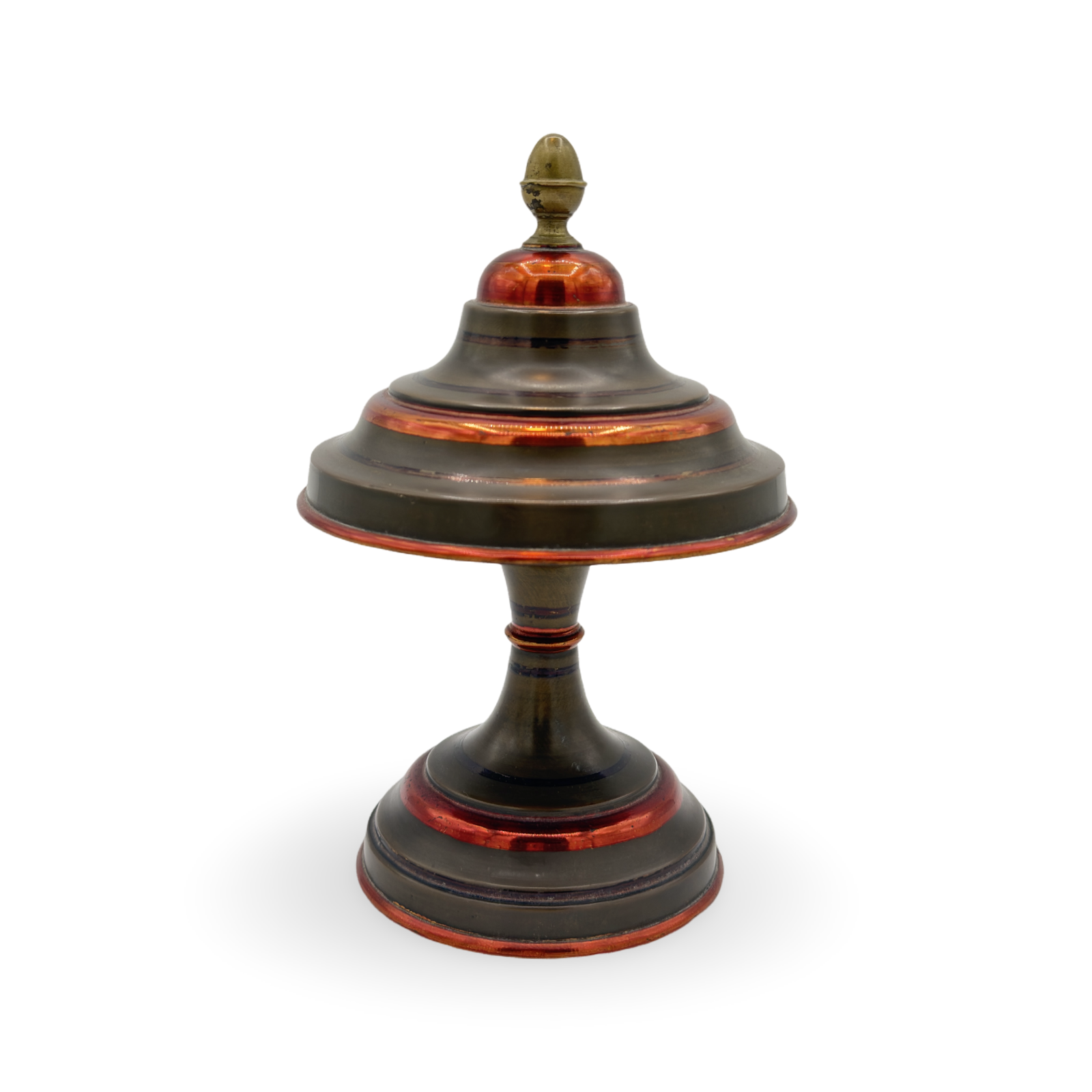
British, ca. 1890.
A late 19th-century spun brass pedestal for the vanish, change, or production of cards or billets. Retains its original lacquered surface. Measures 7½ inches in height. Inner tray is loose with chipping; otherwise a strong example of a classic parlor accessory from the 1800s. From the collection of Edwin A. Dawes.

Nest of Boxes, ca. mid-1900s. Edwin A. Dawes Collection
Six circular boxes with matching lids, exquisitely turned in wood. Very good condition. Largest box measures approx. 2 ¼” in diameter, 1 ¼” high . From the collection of Edwin A. Dawes.
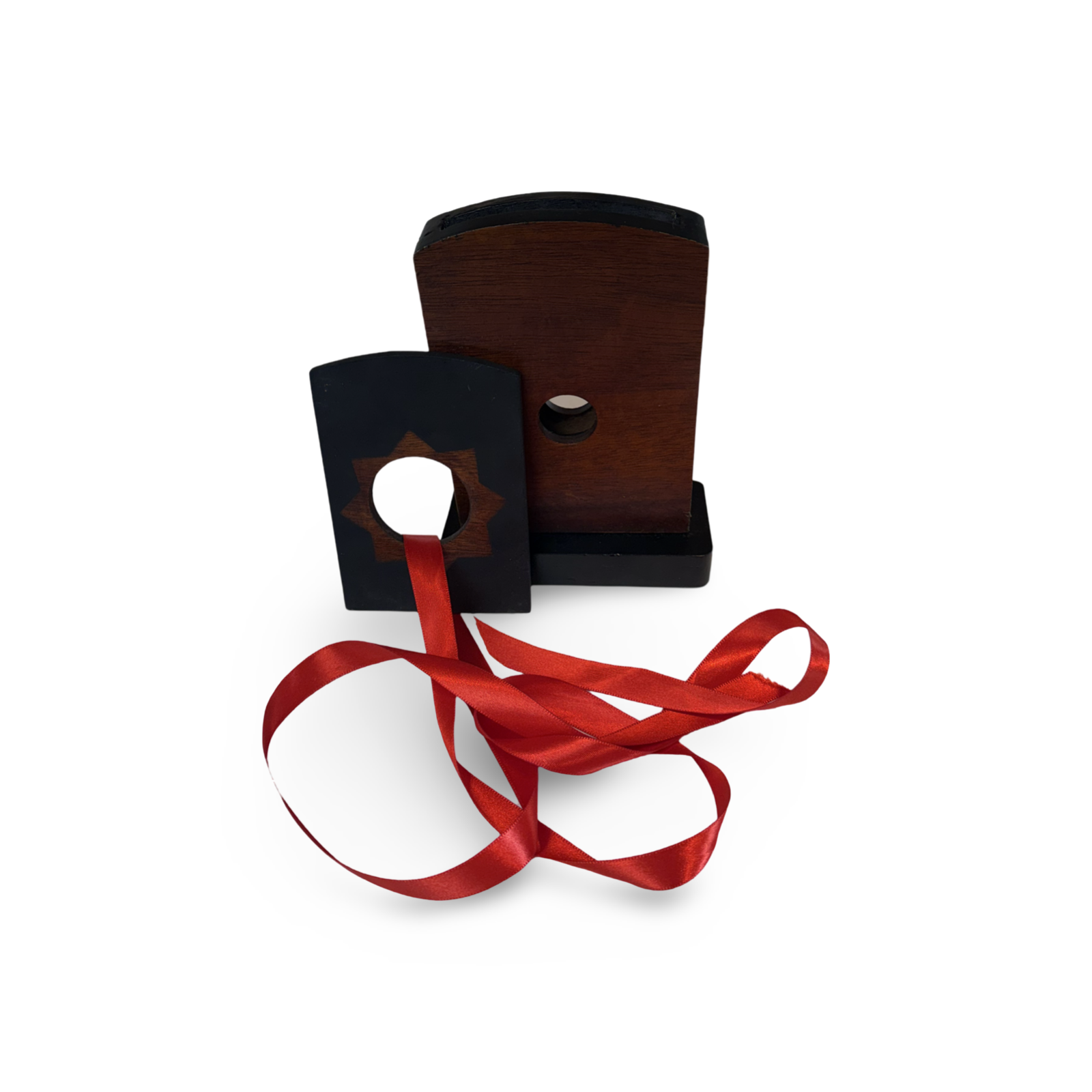
Mark Jacobs, 1943
A ribbon penetrates a wood frame at the command of the magician. The original version of this clever penetration invented by Mark Jacobs and built by John Snyder in 1943.
Excellent condition. Includes original instructions (photocopied).

Eddy Taytelbaum, ca. 1970, Holland
One side of a paddle shows the number six, the other side a nine. With a wave, both sides show the sum of the numbers: 15. Two handmade Lucite paddles. Gold paint shows wear.

Steve Dusheck, ca. 1986
The magician asks a spectator to think of a number on a die and place it, number-up, onto a wooden card case. The die is then clenched tightly in their fist. Turning back, the magician removes a set of cards numbered Ace through Six, focuses briefly, then reveals the exact number the spectator had in mind. Rare and hard to find.

Petrie and Lewis Foo Can, ca. 1960s
Liquid is made to vanish and reappear in the beautifully spun can. Very good, near fine condition. Measures approximately 4 3/4”
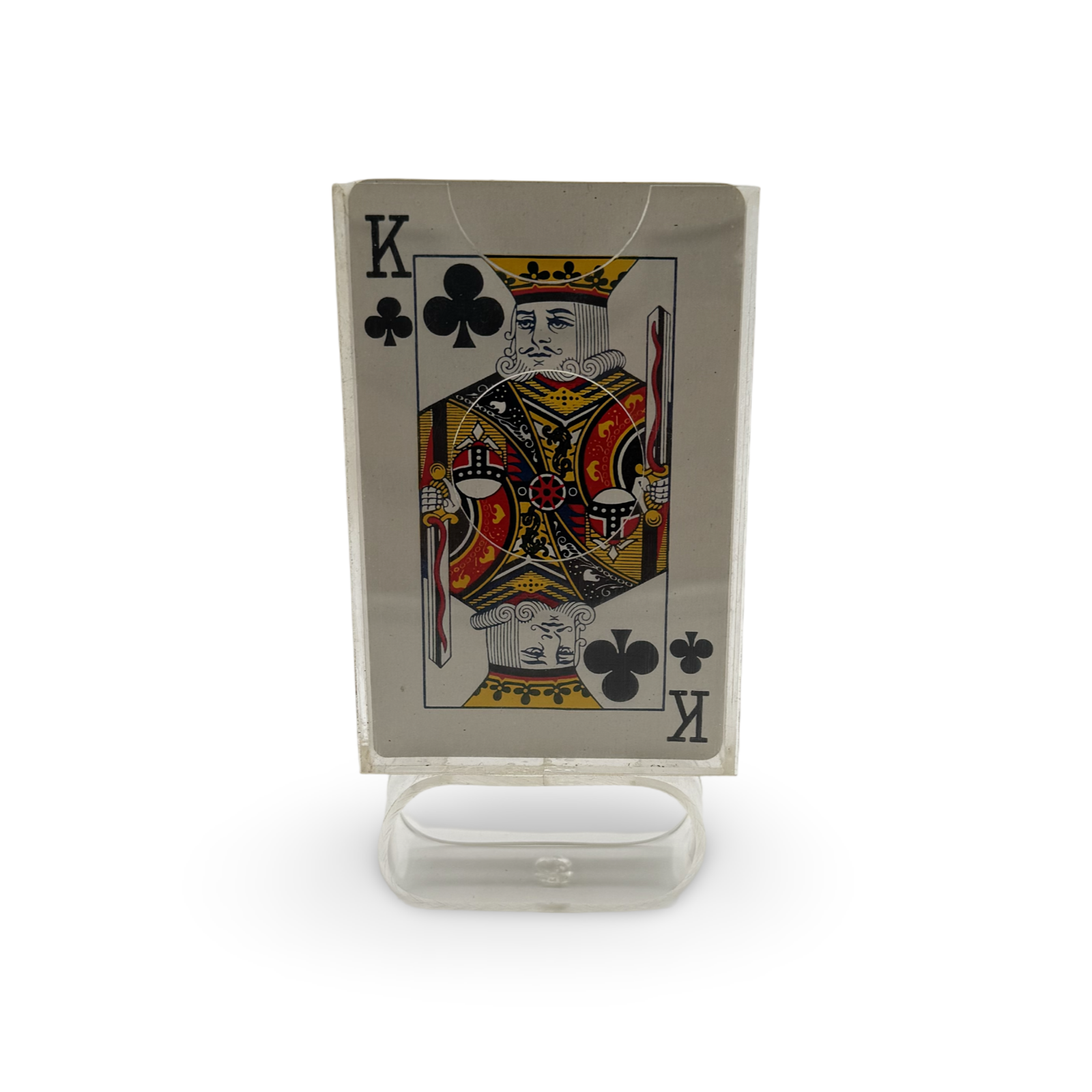
Flash Houlette. Merv Taylor, 1950s.
A selected card mysteriously rises from the deck after the cards are placed into the clear acrylic houlette. Includes gimmicked deck. Measures 4 ½ x 2 ½ x 1”. In good condition. Hallmarked.
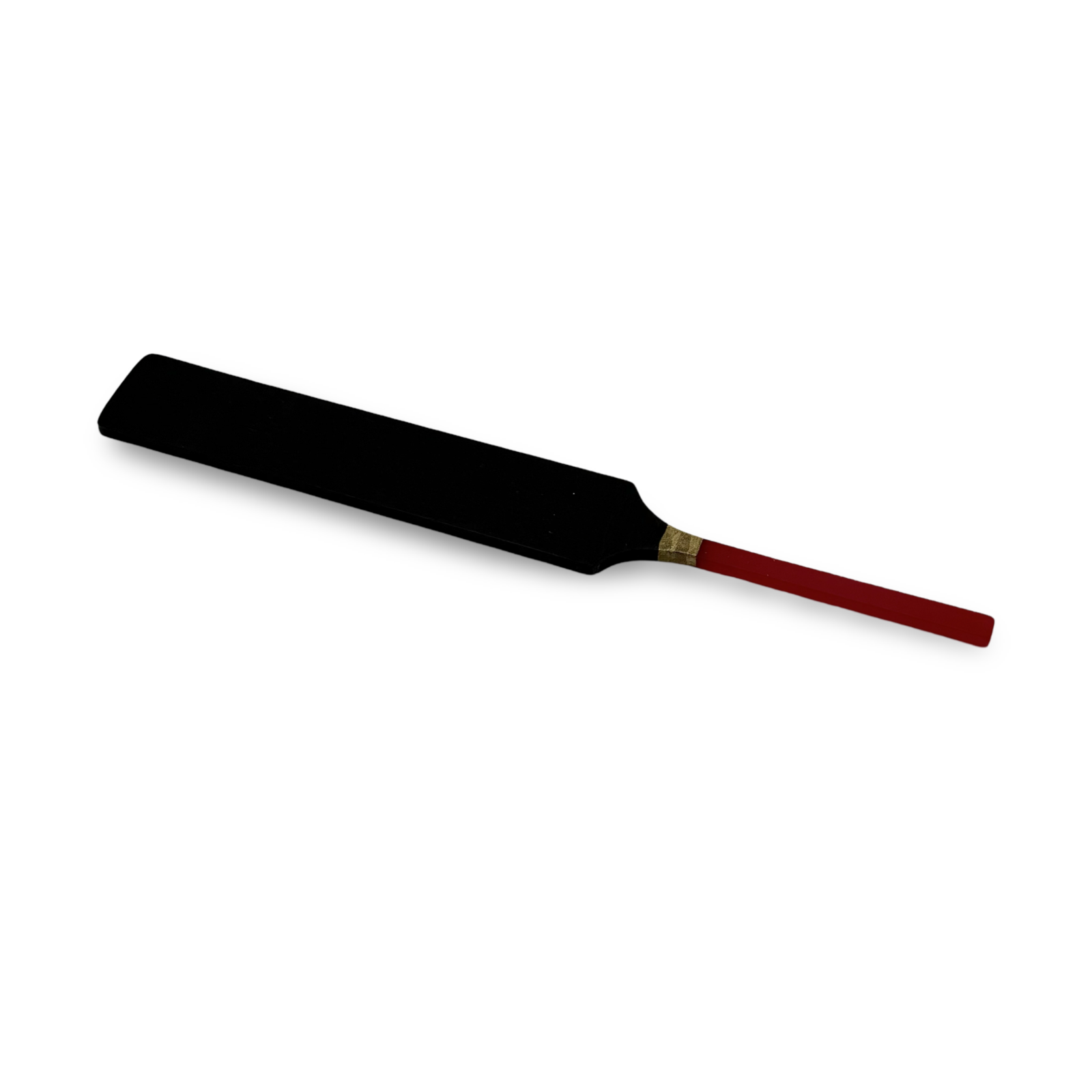
Early Eddy Taytelbaum classic paddle trick hand crafted in wood. Painted wood and red Lucite handle. Measures 6 × 3/4”.

A.C. Gilbert/Mysto, ca. 1930s
From Ken Klosterman’s Salon de Magie. A classic mystery from the early Mysto line. Three painted wooden rockets are presented, each distinctively finished in patriotic colors. A spectator secretly selects one and slides it into the black tube, securing it with the fitted cap. The remaining rockets are concealed in a pocket hidden from view.
Despite the performer’s back being turned, and the chosen rocket completely sealed from view, the magician is able to identify the spectator’s selection.
Wood elements show handling and age-appropriate wear. Very good overall condition. Rockets measure 7” in length. A pleasing example of a seldom-encountered Mysto apparatus.
Includes Ken Klosterman’s inventory number on inside cap.

Color Changing Knife. Enardoe, ca. 1960s [?]
The classic color changing knives effect from Enardoe. Black and white set with blades that unlock by pressing on the blade and tilting the knife to release the pin lock. Includes original box and instructions. Note one end of box is missing and tape has been applied. Wear with age, very good condition overall.
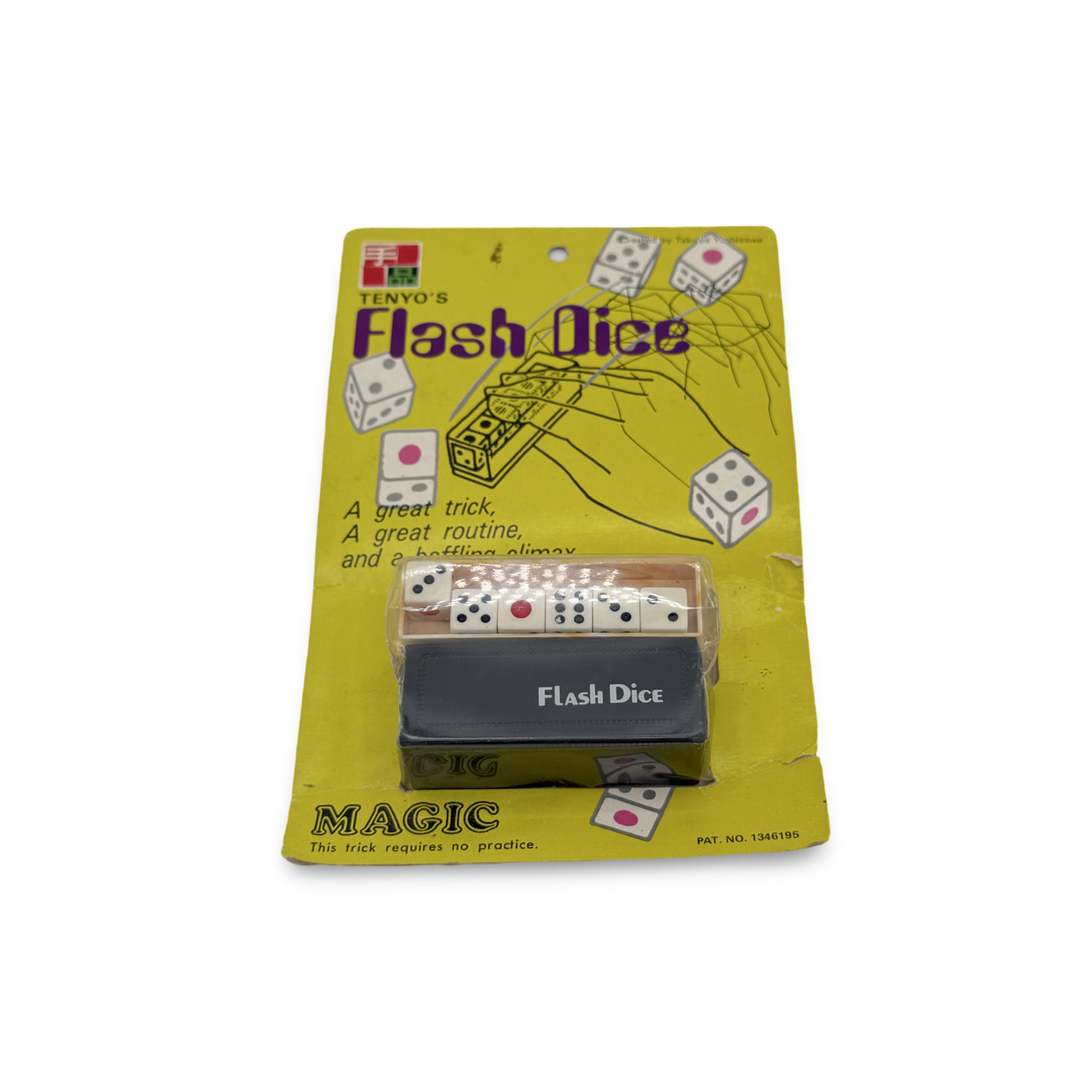
Flash Dice (T-72). Tenyo, ca. 1976
Six dice are dropped into the case and given a shake, yet when the lid lifts, they’ve arranged themselves perfectly from one to six. Original instructions included. Damage to original packaging.
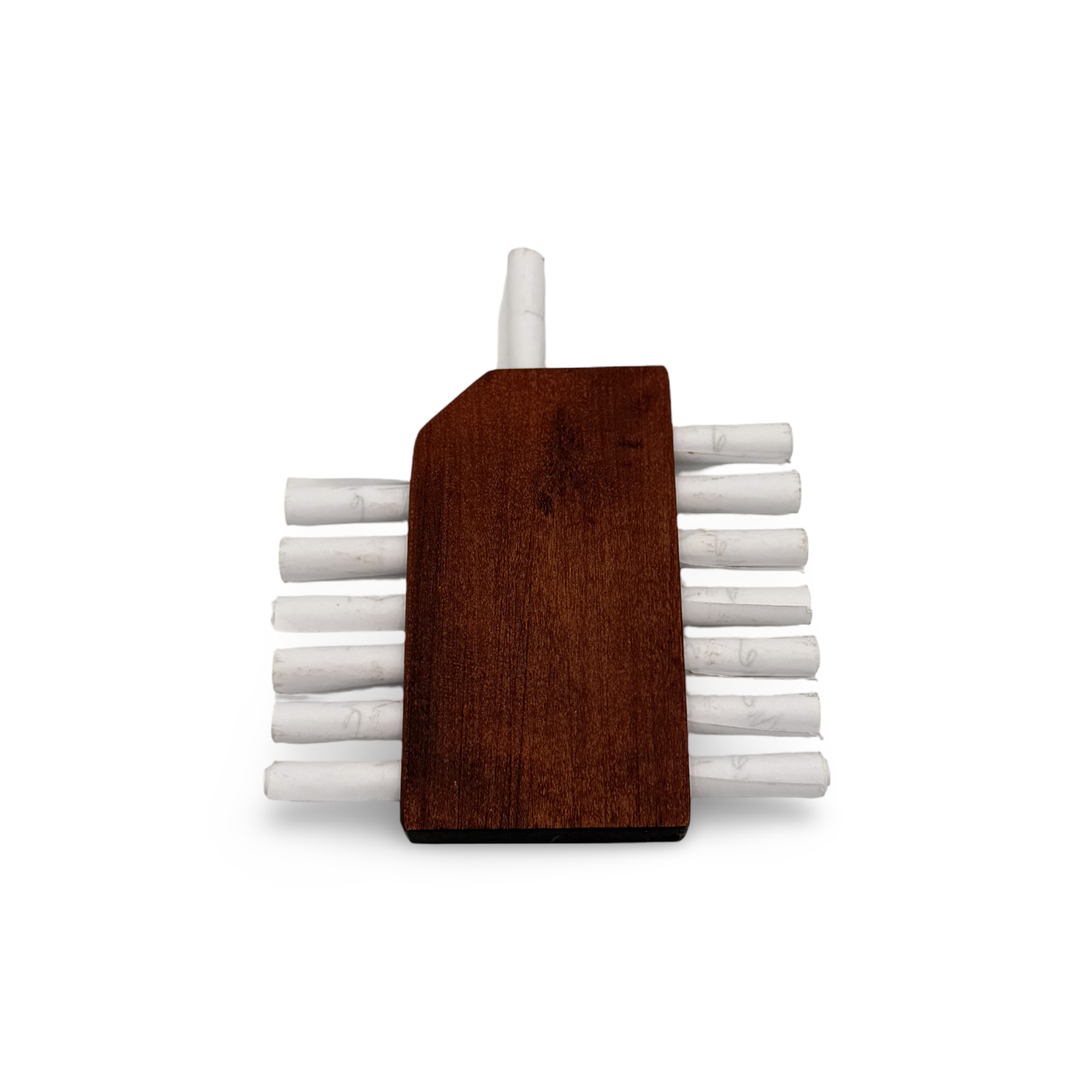
Knock ’Em Dead. Arthur Buckley; Thayer Mfg. Co., ca. 1937
A clever two-phase mental mystery using a pair of rolled billets. Two billets—each a different color—are placed in a hat at the outset. A spectator names any number from 1 to 26, a deck is introduced, and the cards are dealt to the chosen position. The noted card is lost back into the pack.
When the spectator selects one of the billets, it reveals the very card just chosen. The second billet is opened next—it names a different number. The cards are again dealt to that position…and the selected card appears a second time. Very good condition. Photocopied instructions included.
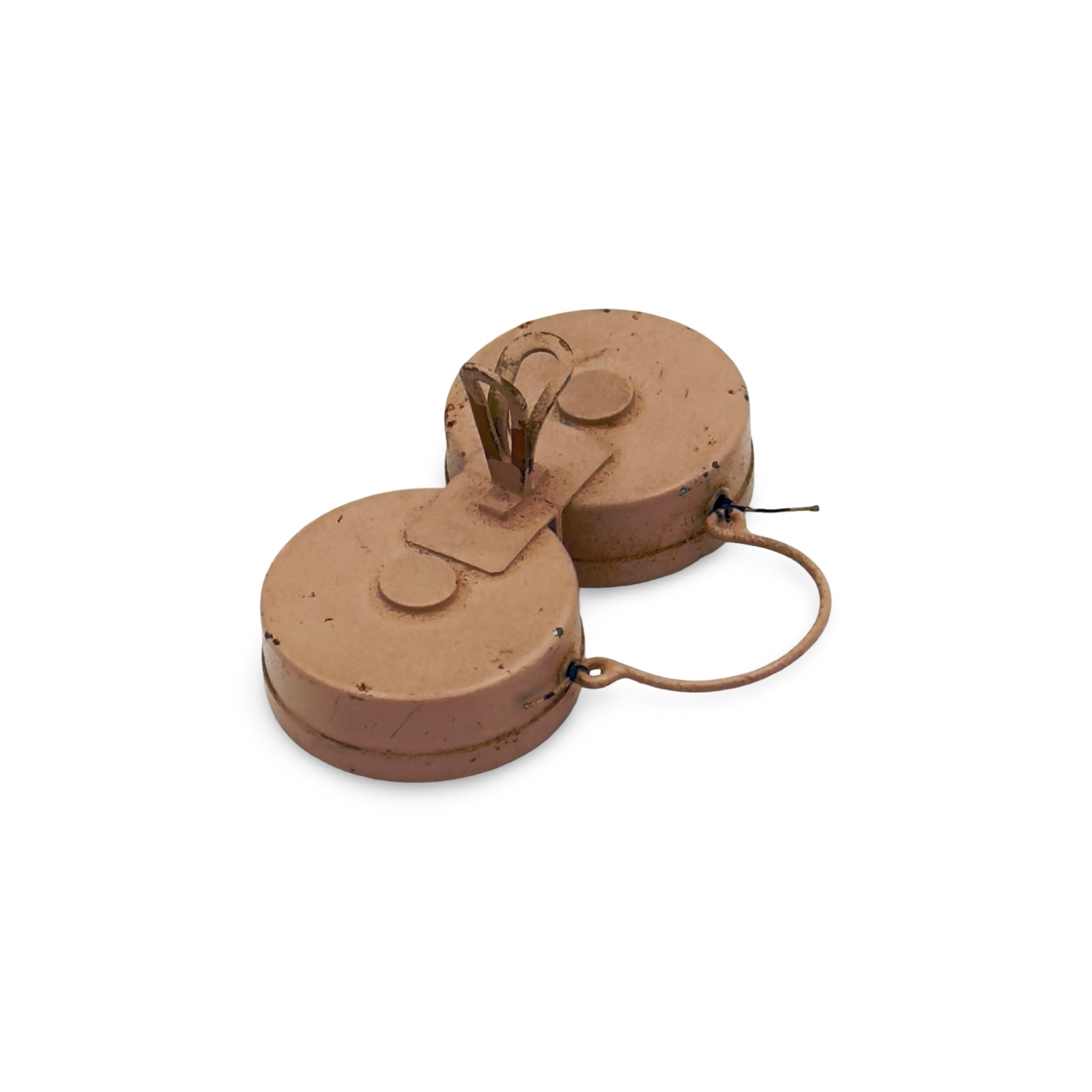
Fantastic Cards. Petrie & Lewis, ca. 1940s[?]
An unusual close-up effect in which a borrowed deck is spread between the performer’s hands and appears suspended in midair while remaining fully connected. A selected card may be removed and replaced while the cards are in this impossible condition, after which the deck is immediately squared and shuffled again. Classic Petrie and Lewis utility effect designed for impromptu-style performance with an ordinary borrowed deck.
Pair of spring-loaded thread reels with finger clips and clasp connection. Each reel measures approximately 1” in diameter. Featured on page 89 of the P&L Book. Very good condition. Uncommon.

Rare Vintage Davenports Magic Trick Vanishing Handkerchief
Original magic trick from 1930's. In excellent condition for age complete with original instructions.

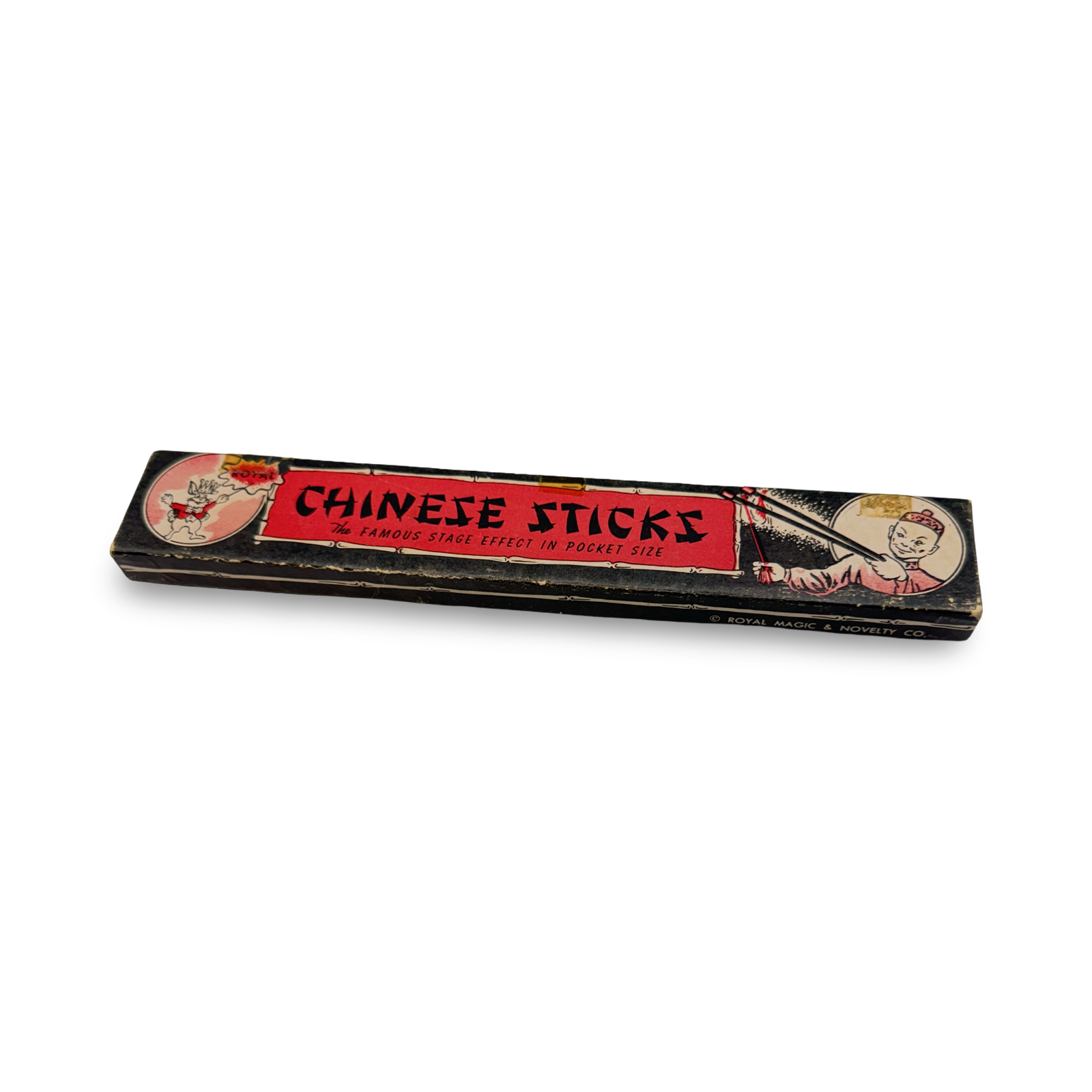
Chinese Sticks. Royal Magic, ca. 1950s
The famous stage effect in pocket size. Tassels worn with age, but otherwise in very good condition. Includes original graphic box.
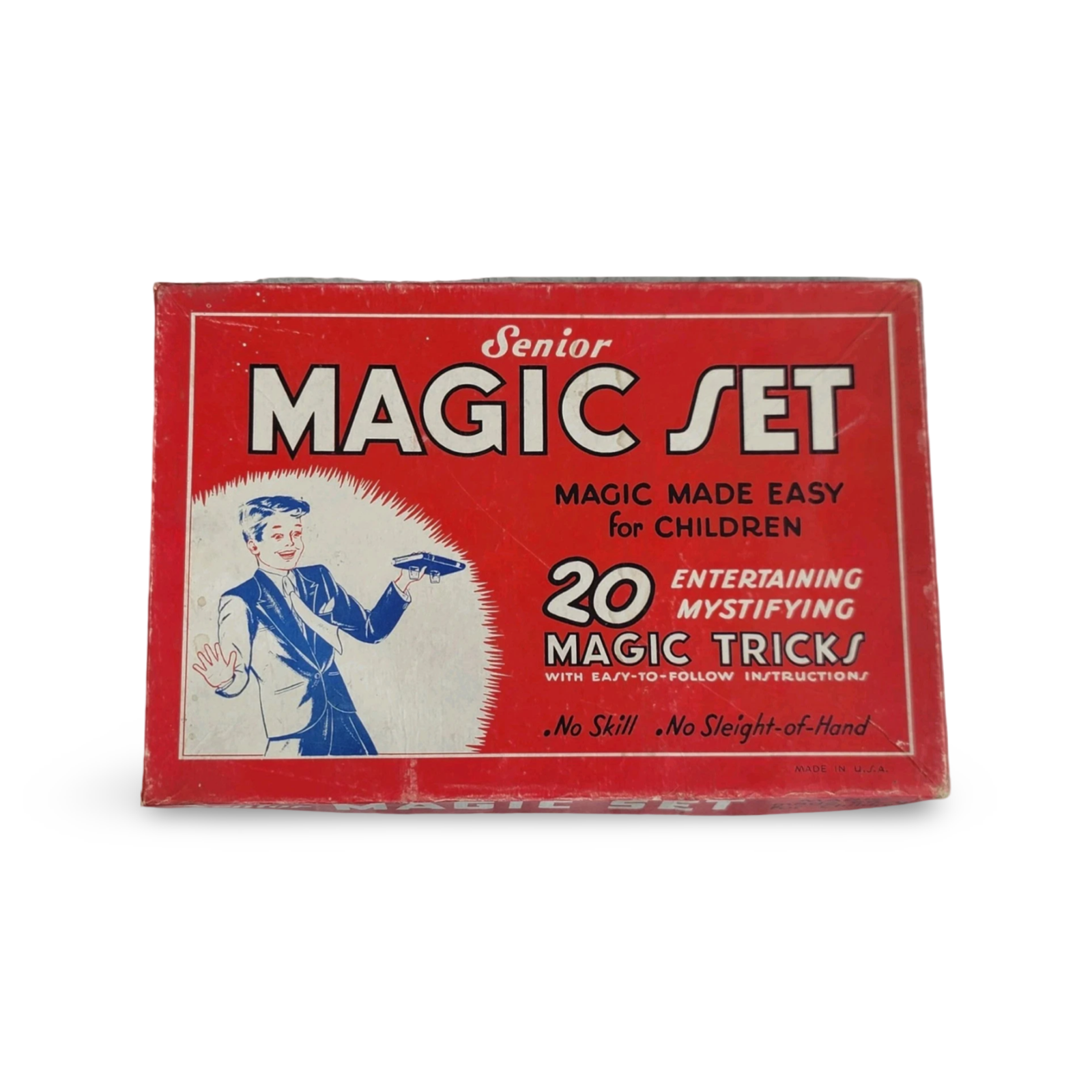
Senior Magic Set. Zenith Toy, Brooklyn, NY, ca. [?]
Complete vintage magic set, attractively presented and in very good condition throughout. Three items are shown outside their boxes for illustration purposes. Includes complete set of twelve boxes.
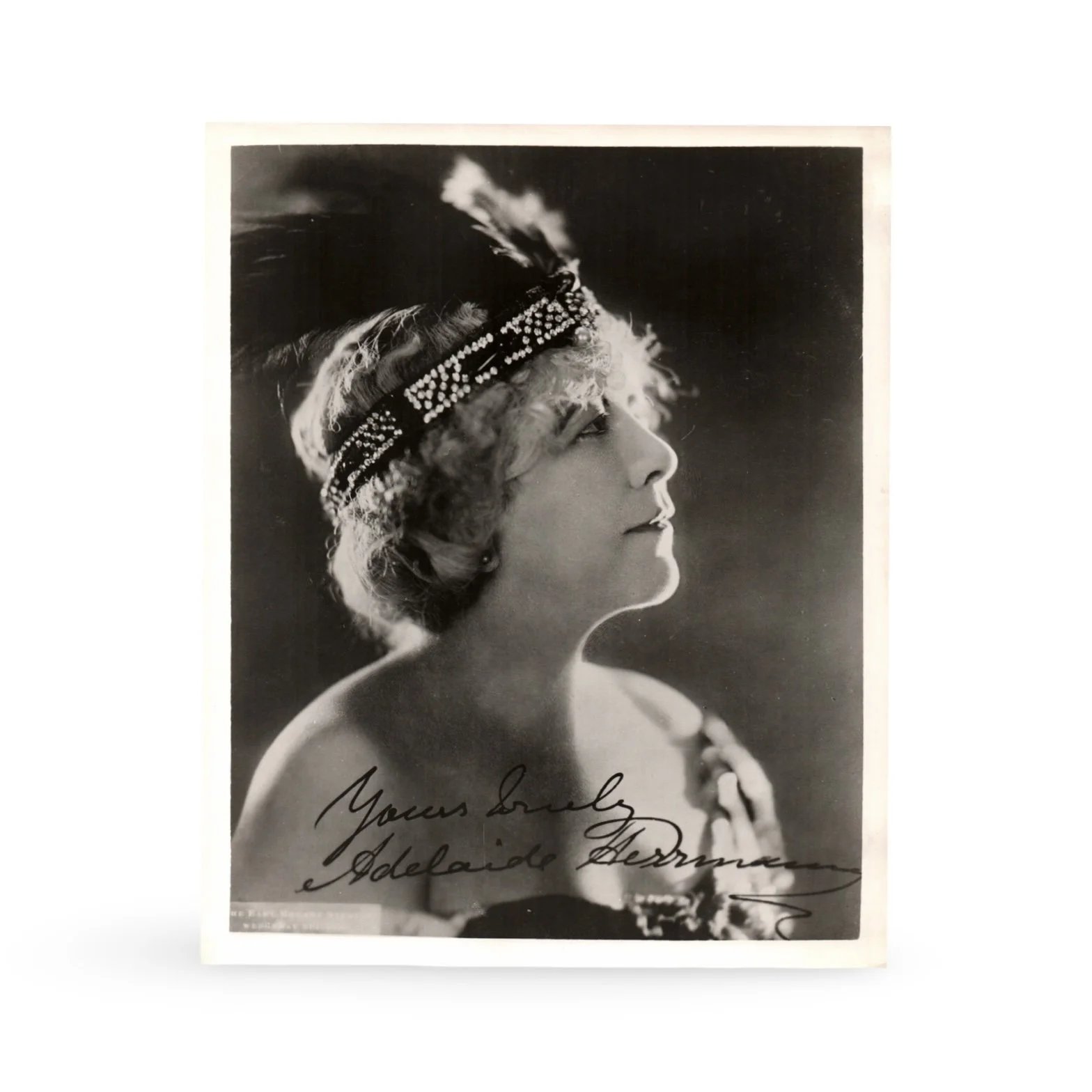
Adelaide Herrmann Photographic Print. Mid-20th Century or Later.
Photographic print depicting Adelaide Herrmann (1853–1932), celebrated as the “Queen of Magic.” Following the death of her husband, Alexander Herrmann, Adelaide continued performing and became one of the most prominent magicians of her era, presenting full evening entertainments and helping to secure a place for women in the history of stage magic.
Shown in a dramatic profile portrait wearing an ornate jeweled headpiece. The image incorporates a facsimile inscription reading, “Yours truly, Adelaide Herrmann.”
Glossy black-and-white photographic print measuring approximately 8 × 10”. Evidence of prior mounting on the reverse, with remnants of adhesive and paper loss. Light wear consistent with age and handling. Good to very good condition overall.
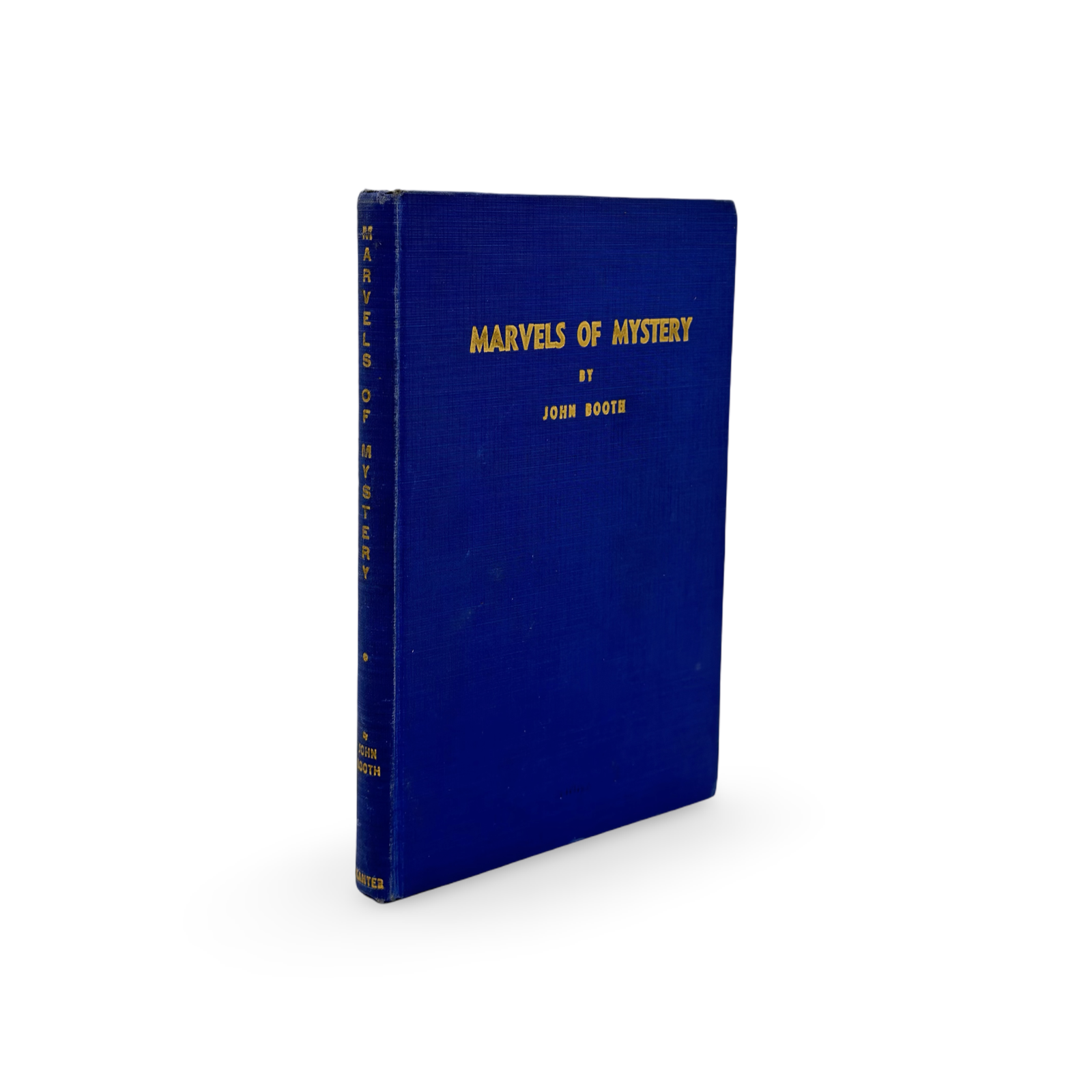
Marvels of Mystery. John Booth. First Edition, 1941.
John Booth’s classic collection of professional routines drawn from his own performing repertoire. Introduced by Bess Houdini, the volume presents practical stage, parlor, and close-up magic together with Booth’s insights on presentation and construction, and remains one of the landmark works of mid-twentieth-century conjuring literature. This copy bears the bookplate of magician and collector Vernon Cook.
First edition. Bound in the original blue cloth with gilt lettering on the front cover and spine. Illustrated throughout. Light wear consistent with age, including minor rubbing to the cloth and gentle toning to the page edges. Retaining the Vernon Cook bookplate. Very good condition overall. Currently offered on consignment.
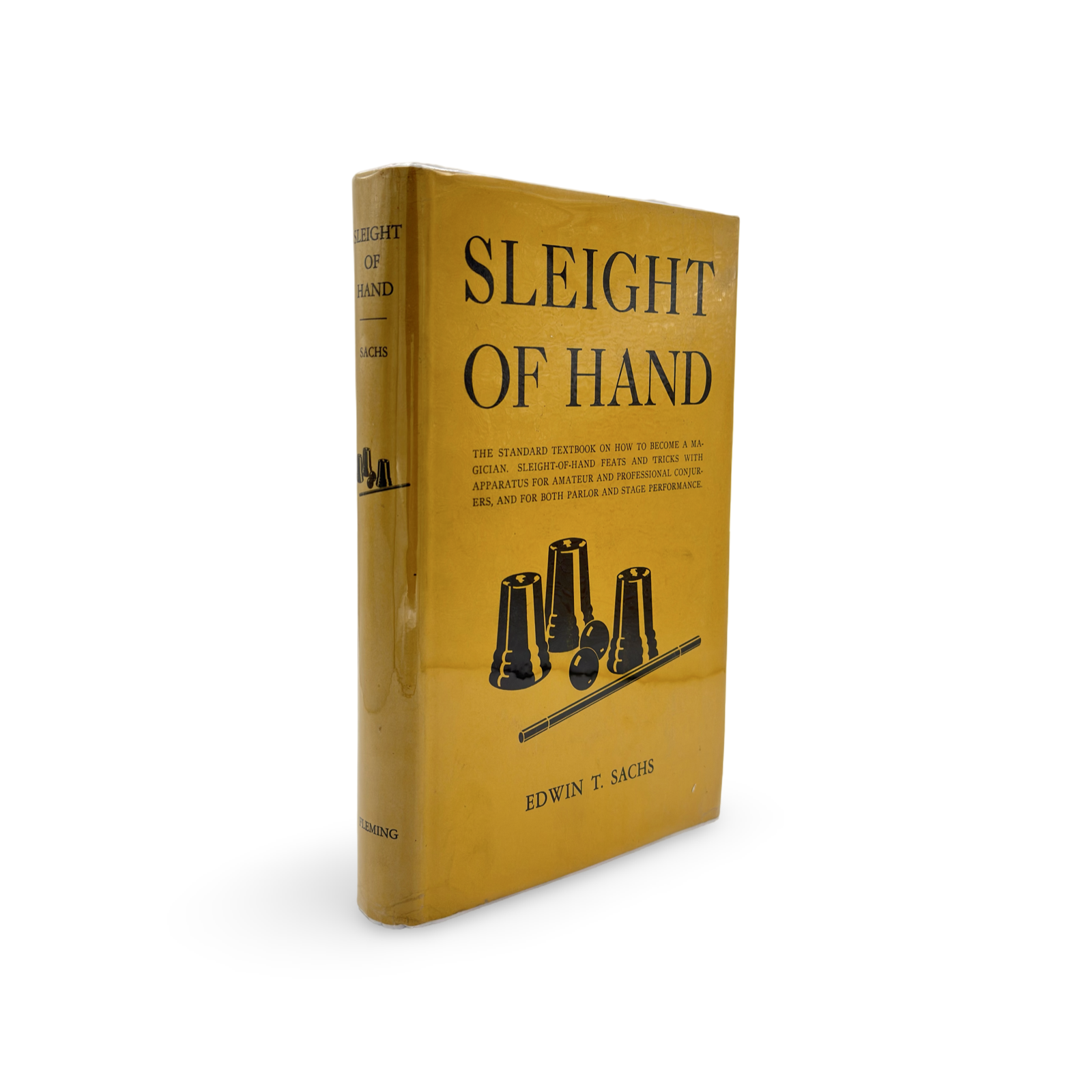
Sleight of Hand. Edwin T. Sachs. Fourth Edition, 1946.
One of the enduring classics of conjuring literature, Sleight of Hand by Edwin T. Sachs has educated generations of magicians since its original publication in the nineteenth century. Covering sleight-of-hand technique, card magic, coin magic, stage illusions, apparatus, and performance theory, it remains one of the foundational texts in the study of conjuring.
Bound in the publisher’s original red cloth with gilt stamping and retaining the original pictorial dust jacket. Pictorial frontispiece, illustrated throughout, 400 pages. Some toning to the spine and page edges. Very good condition overall. Currently offered on consignment.
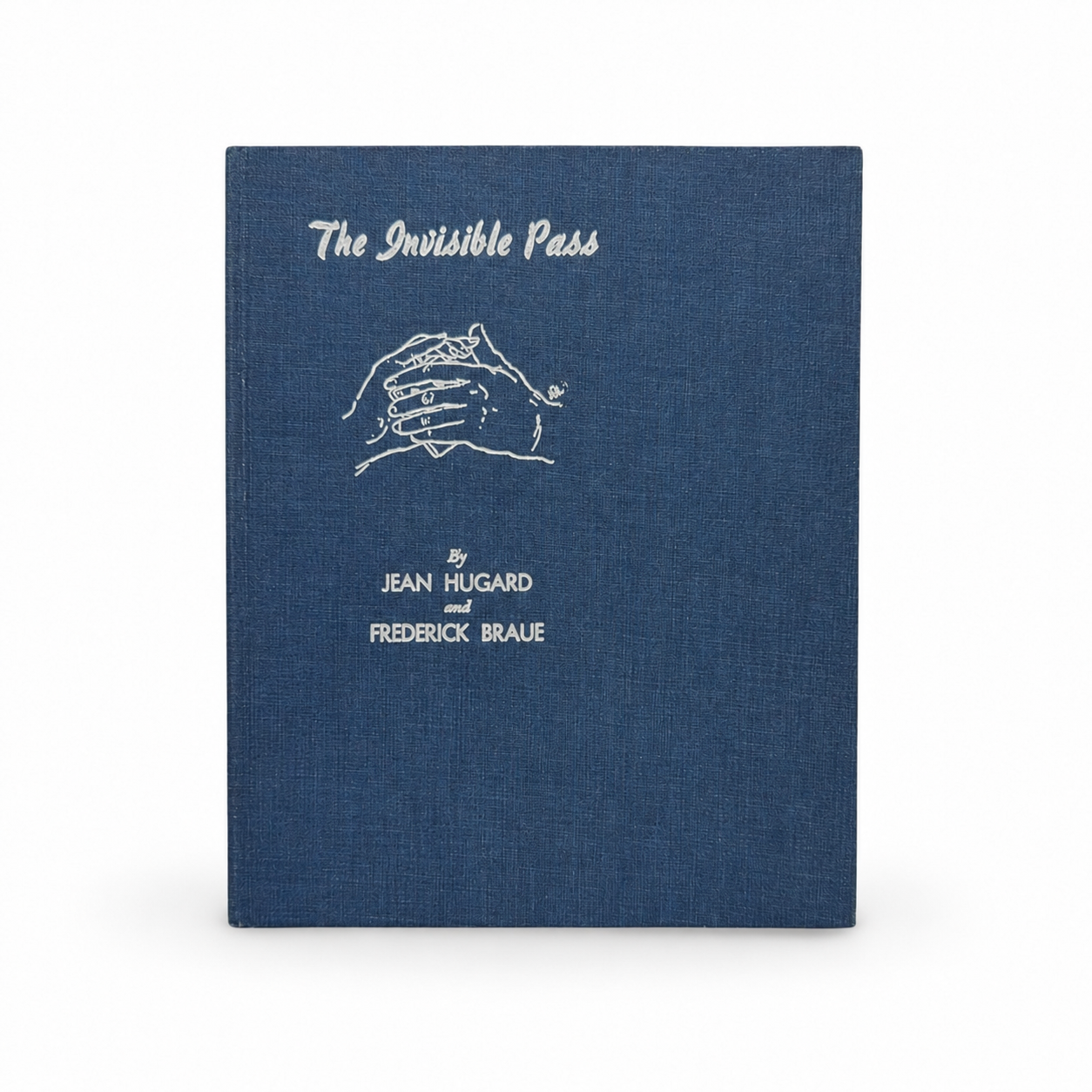
The Invisible Pass. Jean Hugard and Frederick Braue. First Edition, 1946.
The first book devoted entirely to the pass, one of the most important sleights in card magic. Jean Hugard and Frederick Braue provide a detailed study of the technique, covering its mechanics, timing, naturalness, variations, and practical applications. Illustrated throughout with photographs and line drawings, the work remains one of the definitive treatments of this classic move.
First edition, published in 1946. Hardcover bound in the original blue cloth with silver-stamped lettering and illustration on the front cover. Minor wear consistent with age and handling. Binding is sound. Internally clean. Good condition overall. Currently offered on consignment.
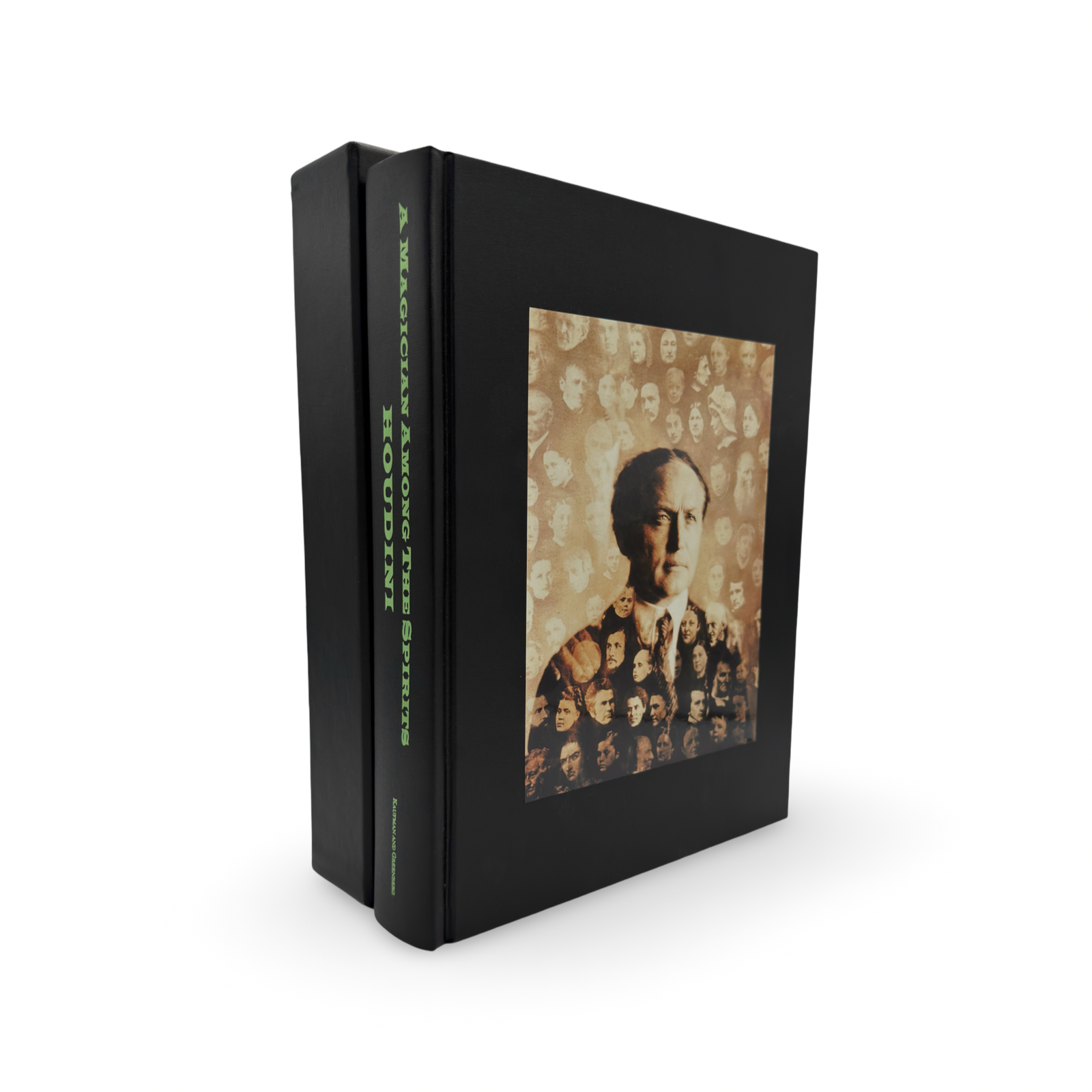
A Magician Among the Spirits: The Original Manuscript. Harry Houdini (Erik Weisz, 1874–1926). Washington, D.C.: Kaufman & Greenberg, 1996.
Facsimile edition reproducing the original typescript of Houdini’s final work exposing fraudulent spirit mediums and spiritualist deception. Illustrated and bound in full black cloth with mounted cover portrait, housed in the original matching slipcase. One of 1,000 copies issued. Book in excellent condition; slipcase with minor wear. An important Houdini reference and desirable addition to collections of Houdiniana and magic history.

Carter the Great — Carter Beats the Devil. Otis Litho Co., Cleveland, ca. 1930.
Color lithograph window card depicting Carter the Great seated at a poker table with the Devil, revealing the winning hand. A classic image associated with Carter. Light creasing and short edge tears. 22 × 14”.
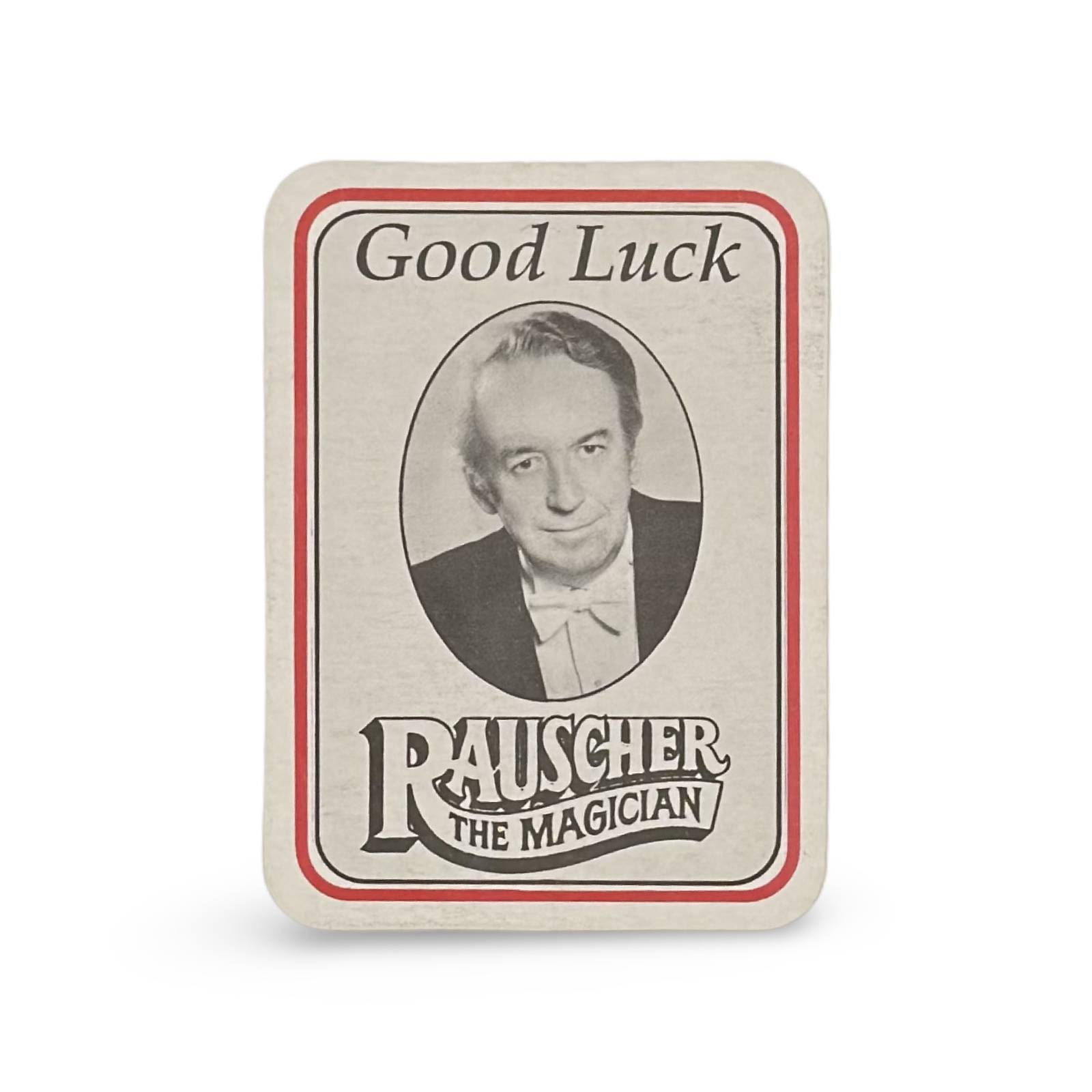
Rauscher the Magician Good Luck Throw-Out Card, ca. 1950s–60s.
Promotional audience giveaway card featuring Rauscher with colorful theatrical imagery on the front and a portrait with “Good Luck” on the reverse. Produced as a souvenir piece for performance audiences. Light wear consistent with age; very good overall.

Stephen Minch. The Vernon Chronicles. Tahoma: L&L, 1987–1996. Four volumes.
Illustrated. Publisher’s cloth with pictorial dust jackets. A complete set of Minch’s landmark work documenting the teachings, routines, and thinking of Dai Vernon. From the personal library of the famed mentalist The Amazing Kreskin, bearing his ownership signature in ink. Near fine.
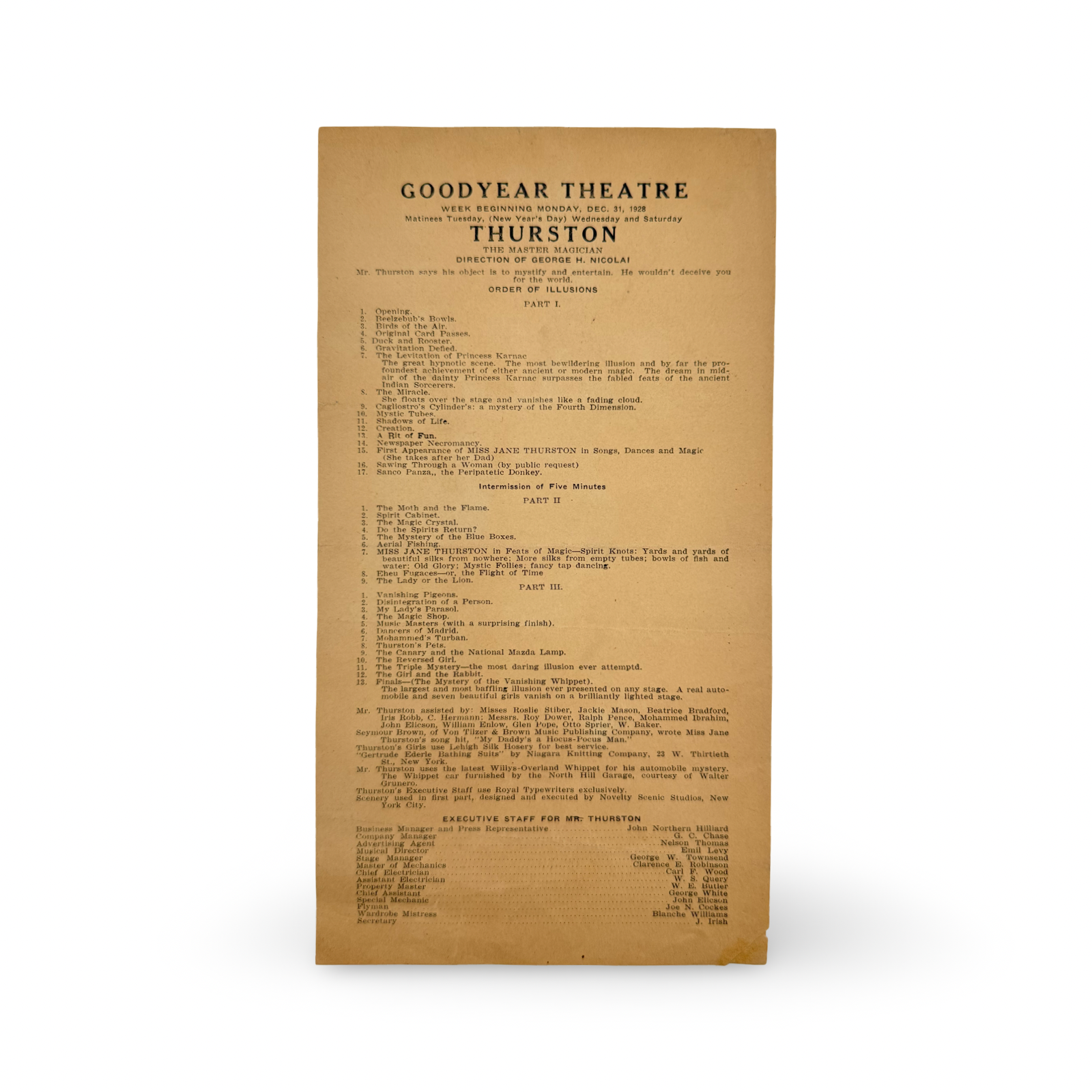
Goodyear Theatre Program, Thurston, The Master Magician. Week beginning Dec. 31, 1928.
Single-sheet program issued for Howard Thurston, detailing the “Order of Illusions” across three parts, including the Levitation of Princess Karnac, Spirit Cabinet, and The Vanishing Whippet, with cast and staff listings. Toning and light wear consistent with age; minor creasing and small loss at lower corner. Presents well.
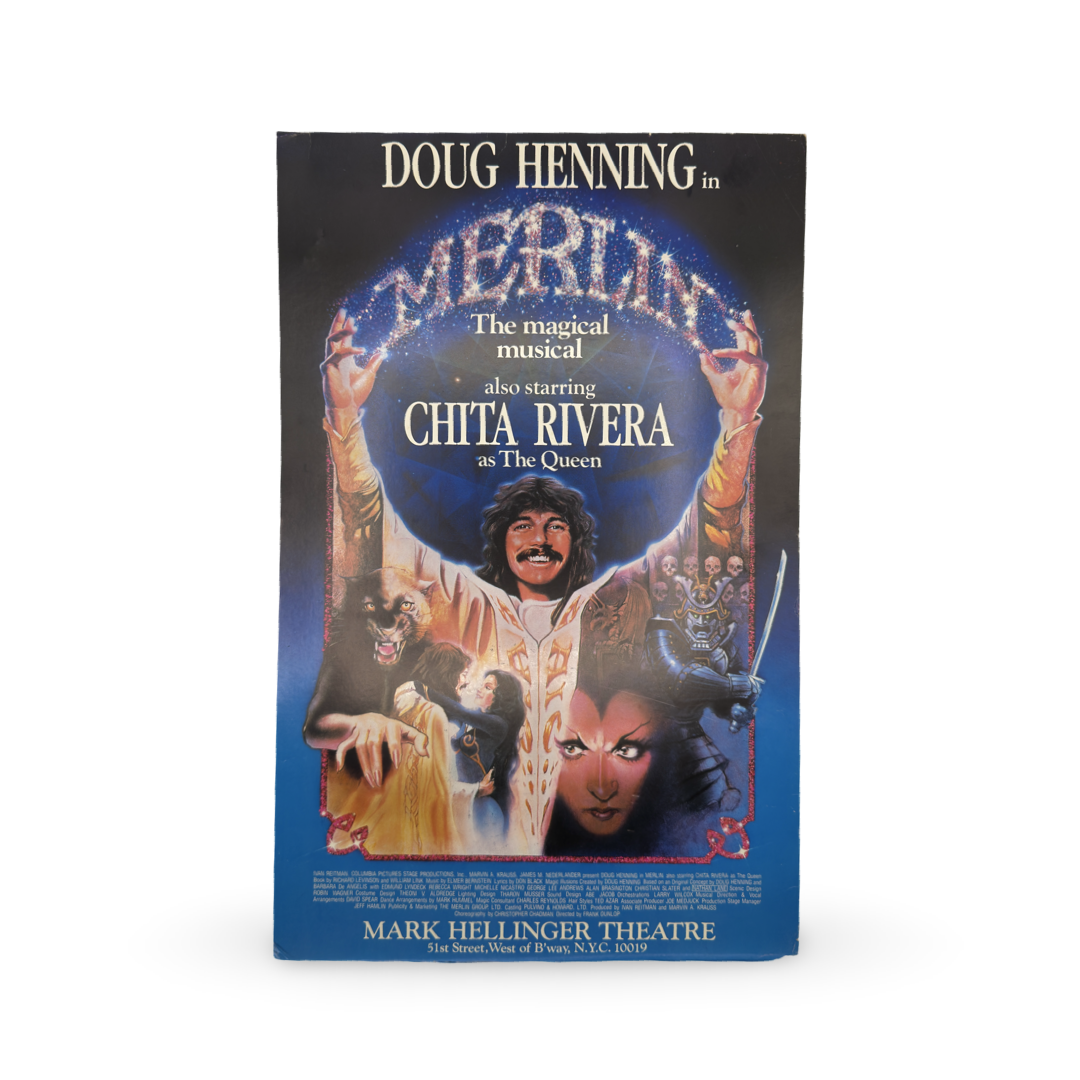
Merlin Broadway Window Card. New York: Mark Hellinger Theatre, 1983.
Original window card poster for Merlin, starring Doug Henning, with Chita Rivera. Striking full-color artwork depicting Henning conjuring a glowing sphere, surrounded by imagery from the production. Card stock construction, approx. 14 x 22”. Minor edge wear and light handling; presents well. Very good.

Zingone’s Recorded Card Tricks. New York: Magic Record Co., 1939
A scarce and historically significant instructional set consisting of three 78rpm phonograph records, each capturing Luis Zingone’s celebrated card techniques in his own voice. Issued by the Magic Record Company, this pioneering attempt to teach conjuring through sound recordings was among the earliest audio-based instructional media in magic. Complete with the original cloth-covered case and the printed instructional booklet. Case shows staining; discs exhibit minor wear consistent with age. Overall, very good condition—a rare survival of this fragile medium, and an important artifact from the golden age of recorded magic instruction.

Original Signed Photograph of Carl Ballantine, 1945
Carl Ballantine (1917–2009), born Meyer Kessler, was a seminal figure in 20th-century magic and comedy. Known professionally as “The Great Ballantine”, he is widely credited as the originator of comedy magic—a performance style that intentionally subverted traditional illusions for humorous effect. His vaudeville-inspired act, marked by deliberately flawed tricks and sharp-witted commentary, paved the way for a new genre of performance that would influence generations of magicians and comedians alike.
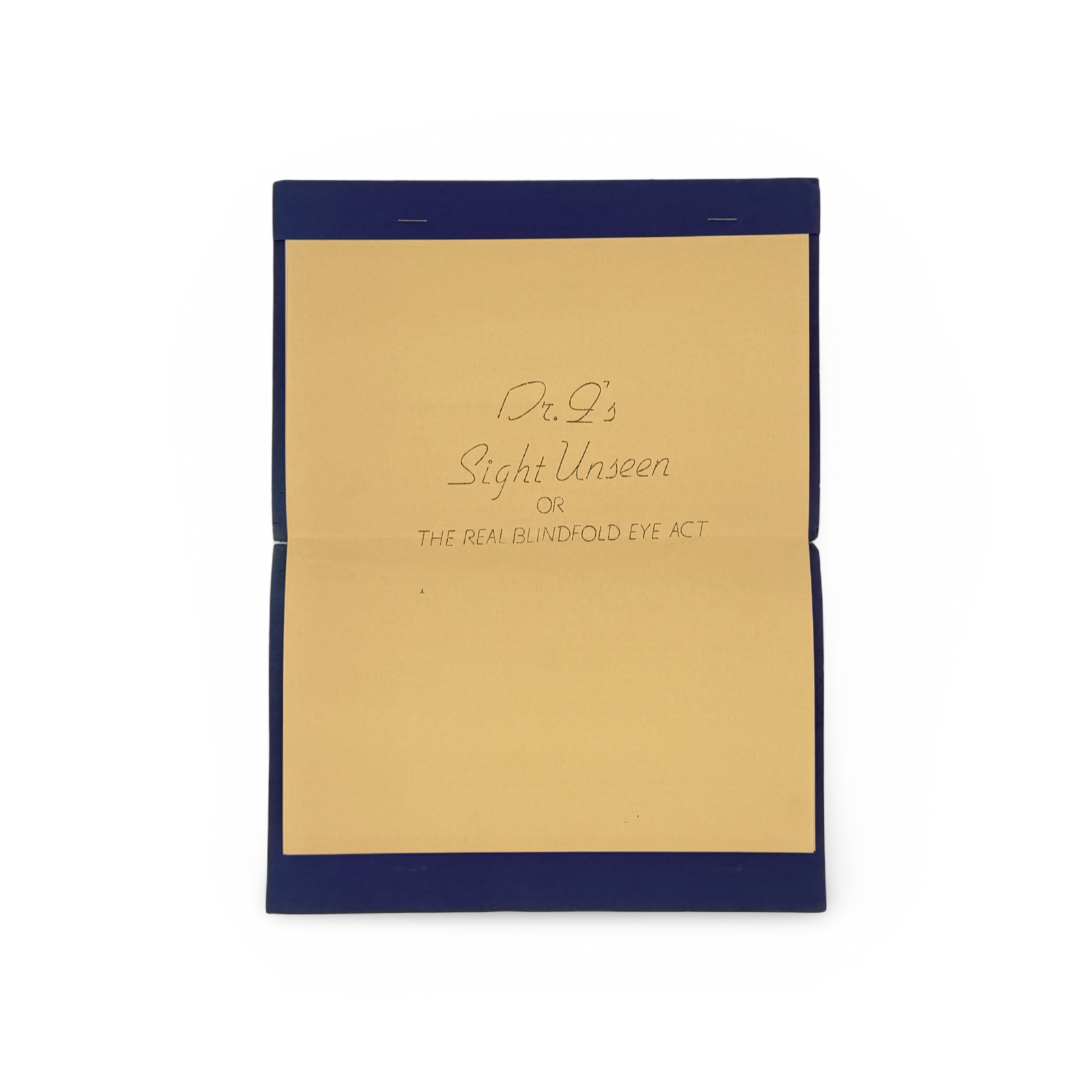
Dr. Q’s Sight Unseen or the Real Blindfold Eye Act. Thayer Studio of Magic, 1944.
Instructional manuscript, seven stapled pages in the original blue paper wrapper. An uncommon survival in this format.
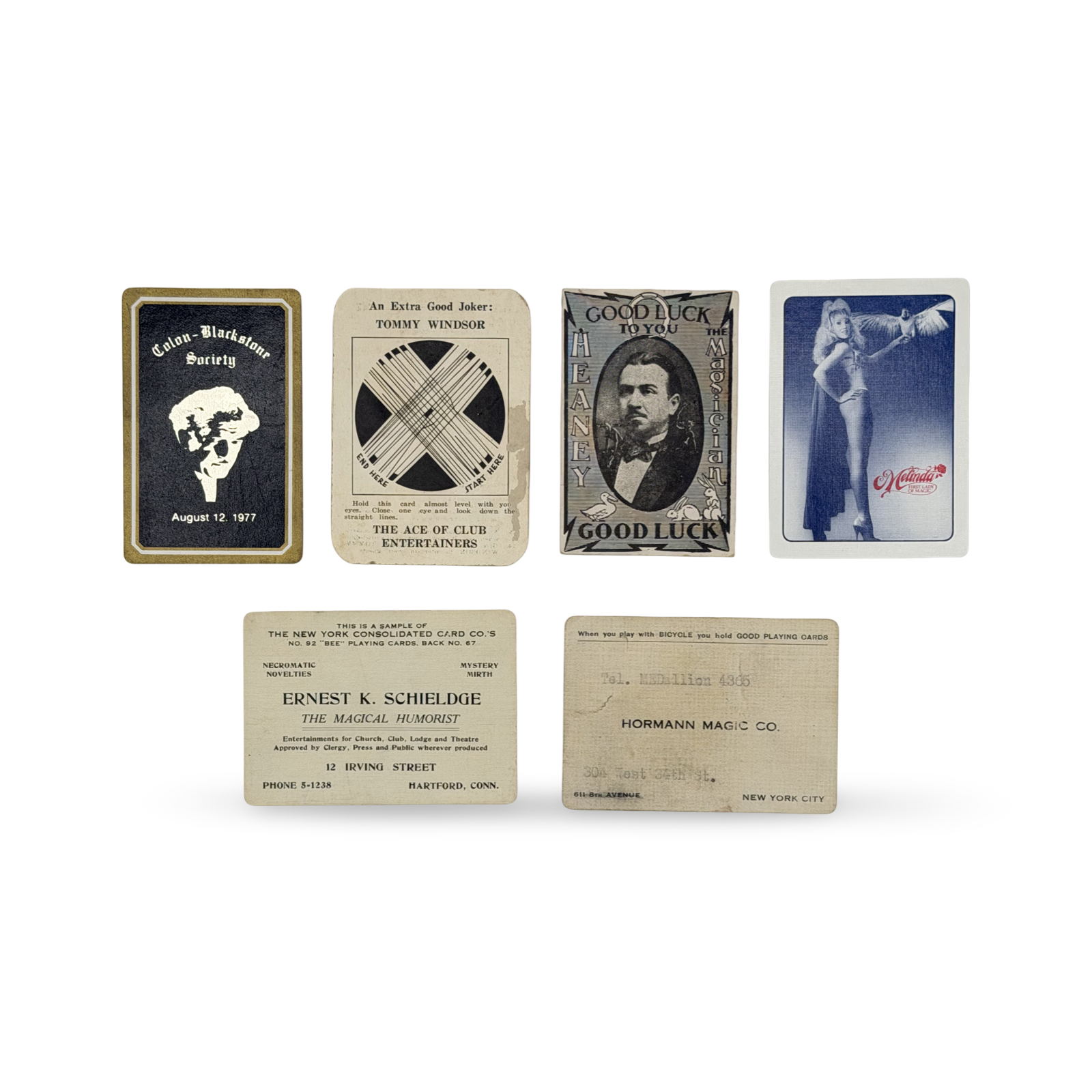
Collection of Six Throw-Out Cards.
Colon Blackstone Society (August 12, 1977); An Extra Good Joker — Tommy Windsor (Ace of Club Entertainers); Heaney the Magician (Good Luck to You); Melinda, First Lady of Magic; Ernest K. Schieldge, The Magical Humorist; Hormann Magic Co., New York. Good to very good vintage condition.
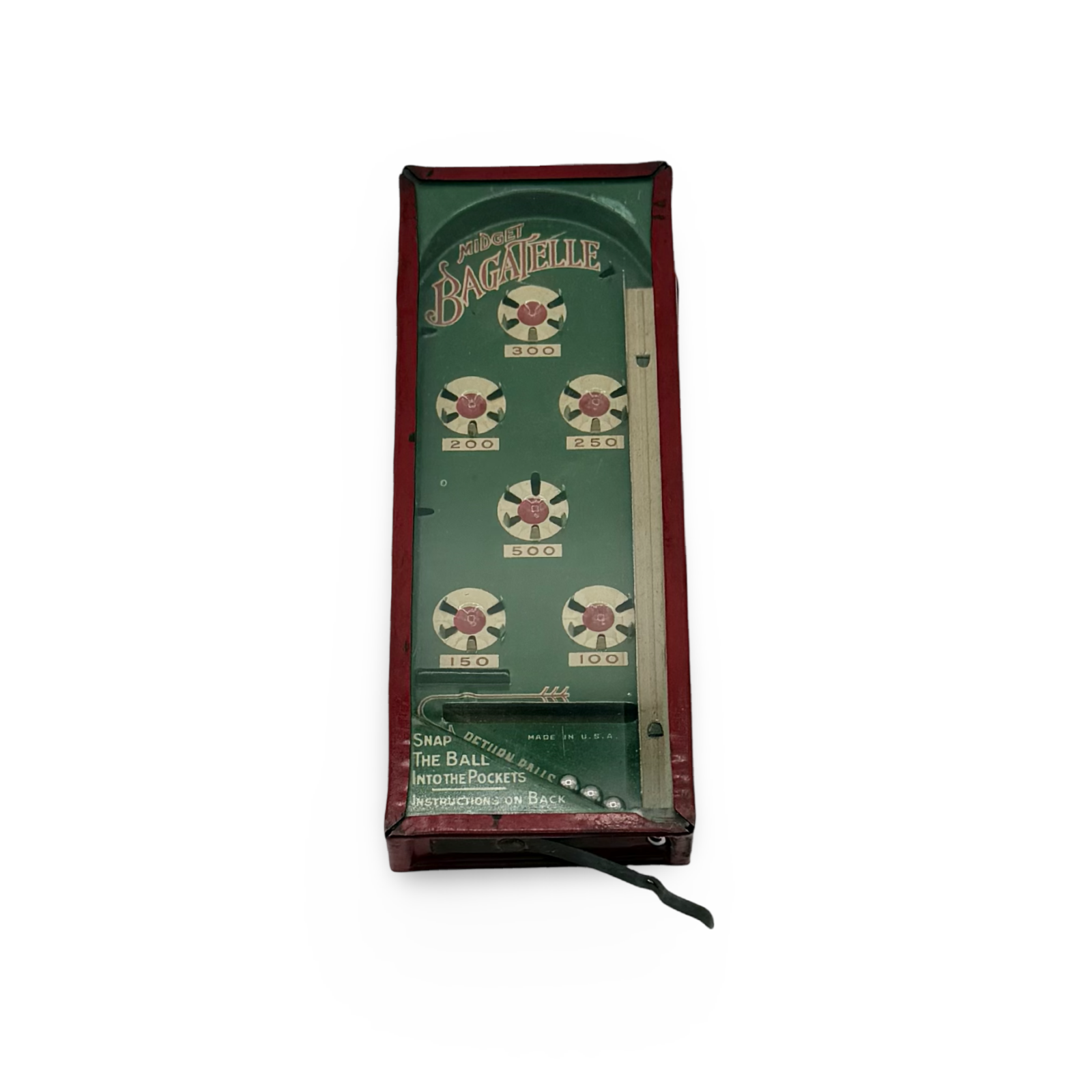
Midget Bagatelle. Early 20th century, U.S.
Lithographed metal tabletop bagatelle with original scoring graphics, steel balls, and folding wire legs. Printed instructions on the reverse. Light wear consistent with age; displays well.
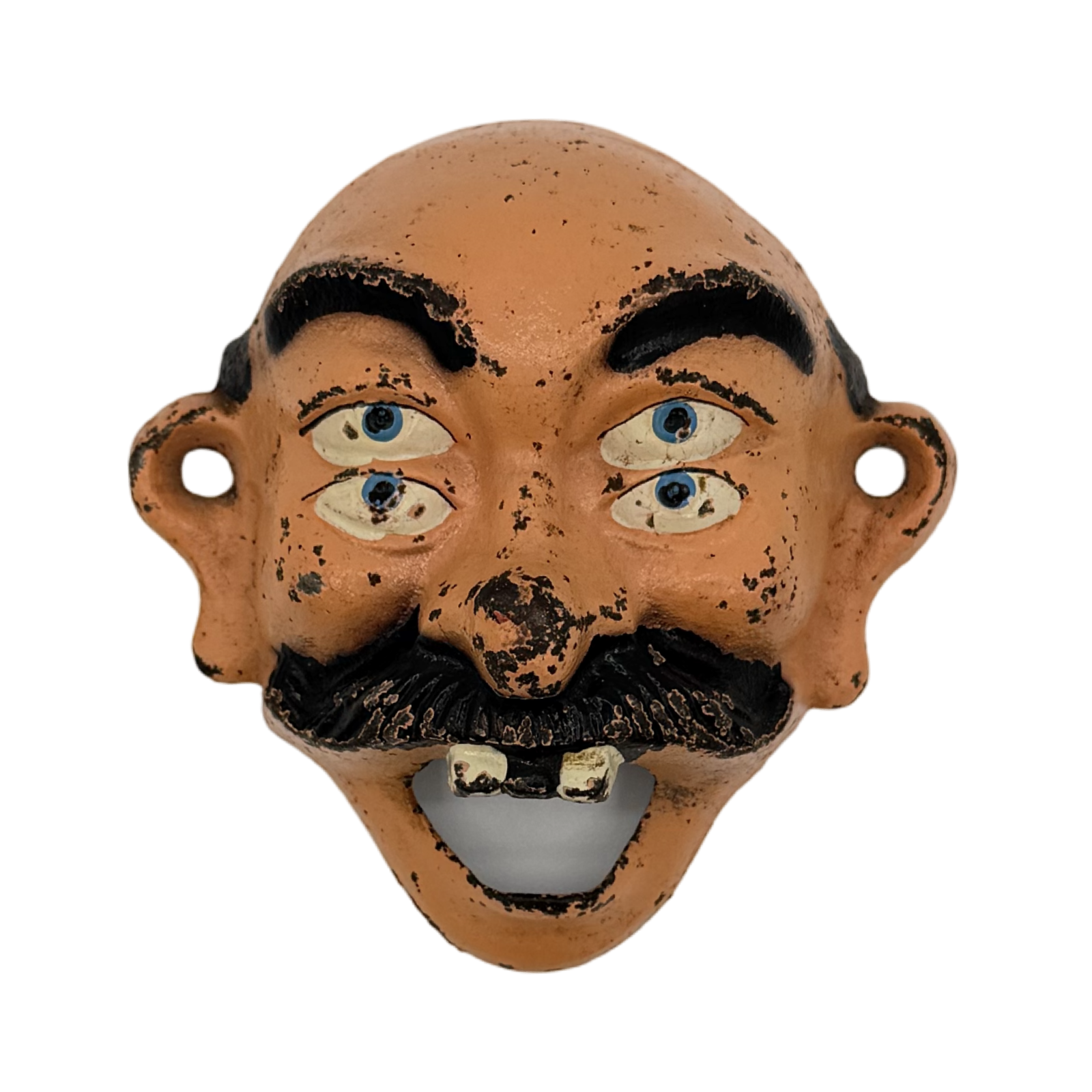
Sideshow “Four-Eyed Man” Wall-Mount Bottle Opener.
Cast iron novelty bottle opener depicting a classic sideshow four-eyed man. All original, with minor paint loss consistent with age. Designed as a wall mount, using the open mouth to remove bottle caps. Measures approximately 3.5 inches wide.
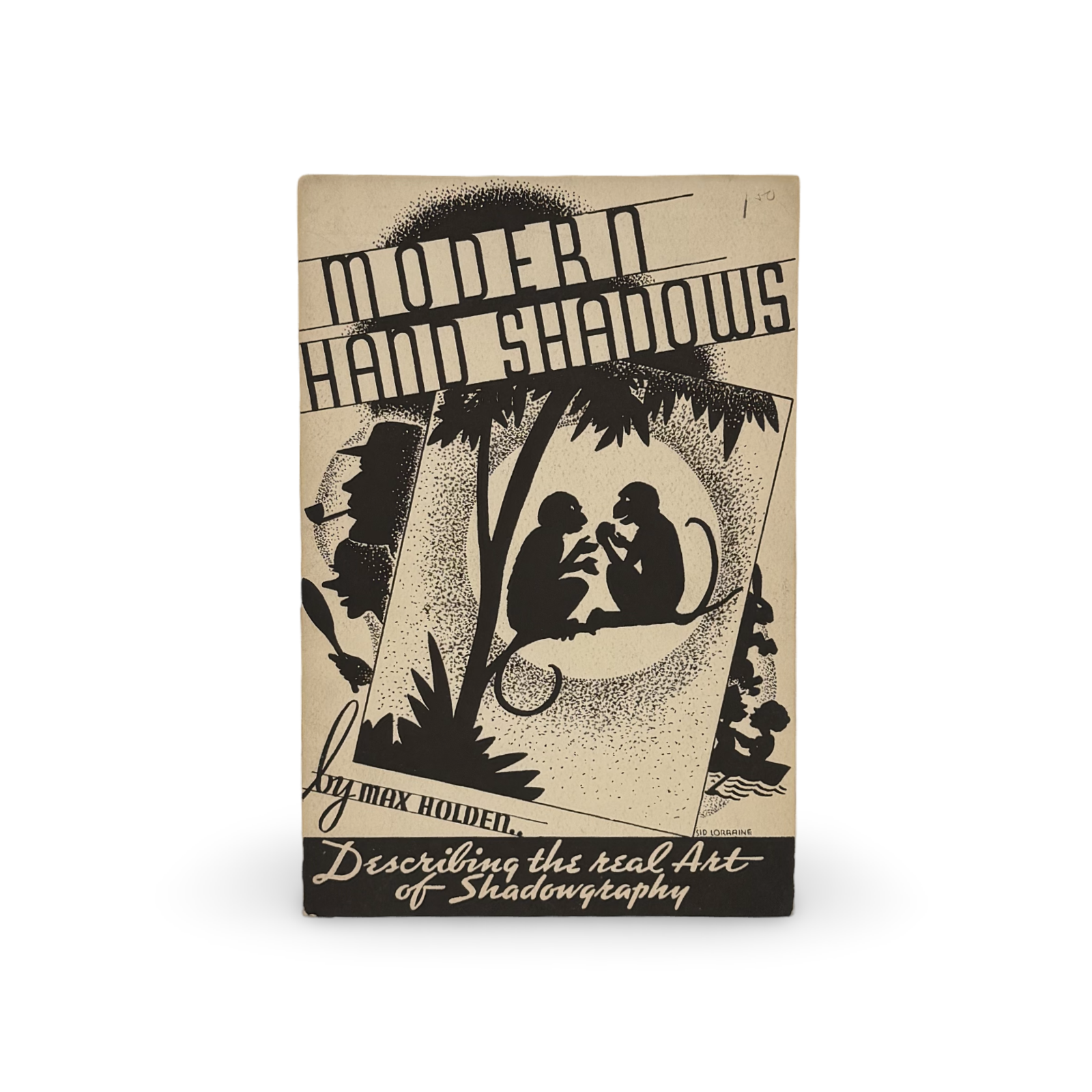
Modern Hand Shadows: Describing the Real Art of Shadowgraphy.
Max Holden, 1935.Pictorial wrappers. Illustrated. 32 pages. Very good condition
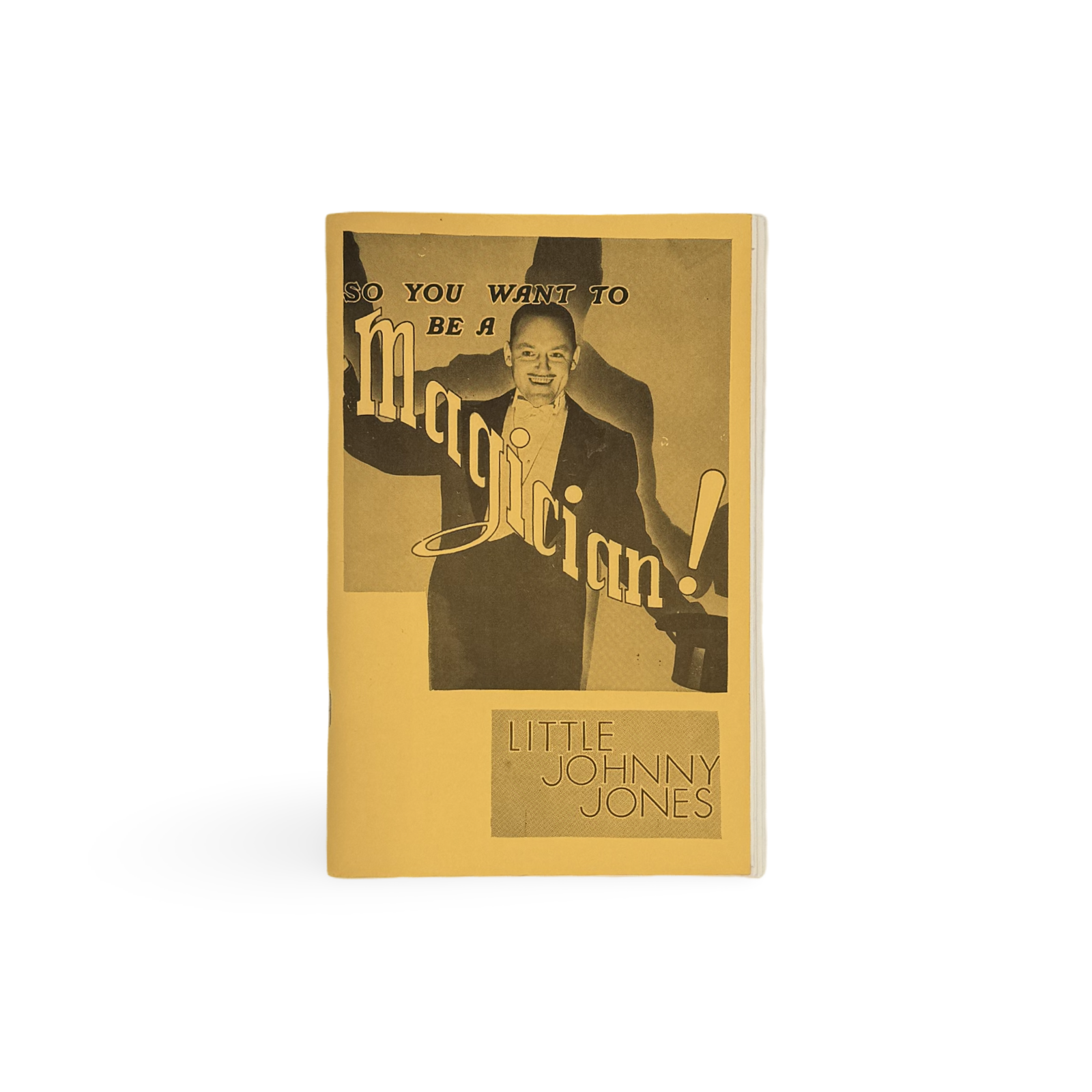
Little Johnny Jones. Chicago: Magic Inc., 1990 (reprint).
Pictorial wrappers. Illustrated. 76 pages. Inscribed by the author to David and Virginia Price. Clean, well-preserved example.
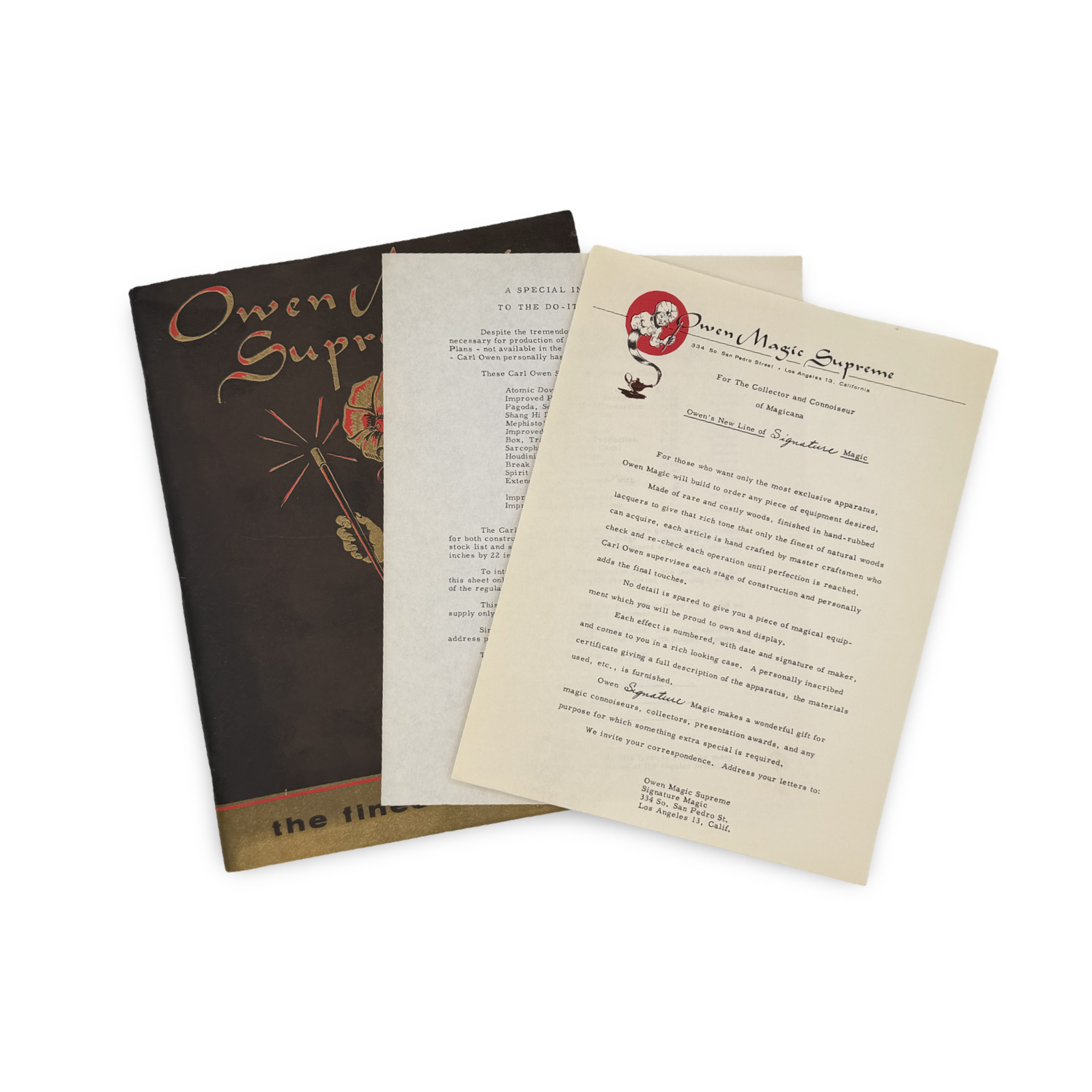
Owen Magic Supreme Catalog with Inserts, 1959
Catalog No. 5, issued in 1959 when Carl Owen was operating from 334 S. San Pedro Street in downtown Los Angeles. A substantial, well-illustrated volume featuring artwork by Nelson Hahne and Roland Hill, complemented by numerous period photographs throughout.
75 pages, measuring approximately 9 × 12 inches. Includes two original insert letters: one announcing Owen’s then-new line of signature magic, and a second offering a special promotion on working plans. Rare to find with original inserts.
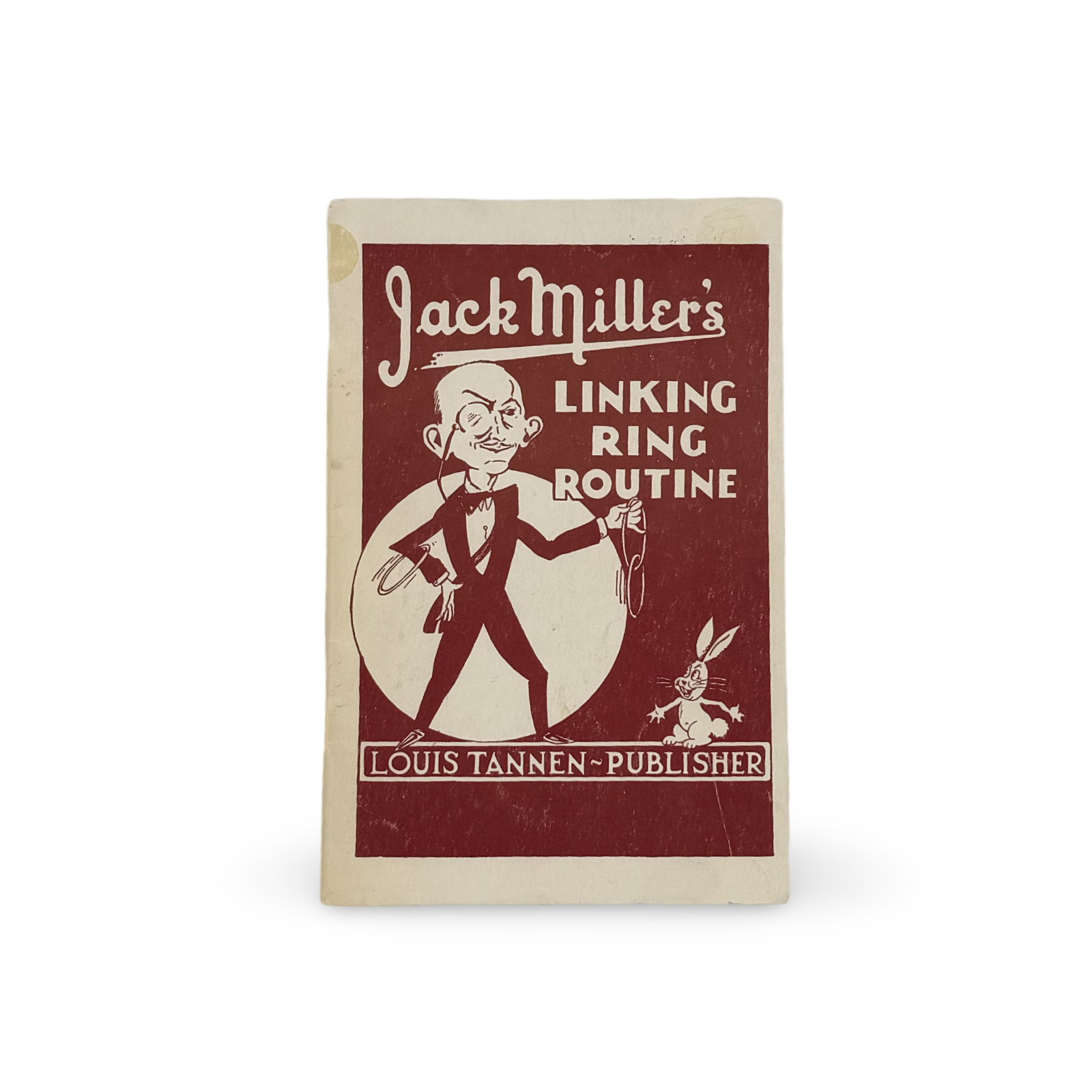
Jack Miller’s Linking Ring Routine
Published by Louis Tannen, 1945. Pictorial wrappers, illustrated, 35 pages. Minor wear to cover, very good condition.
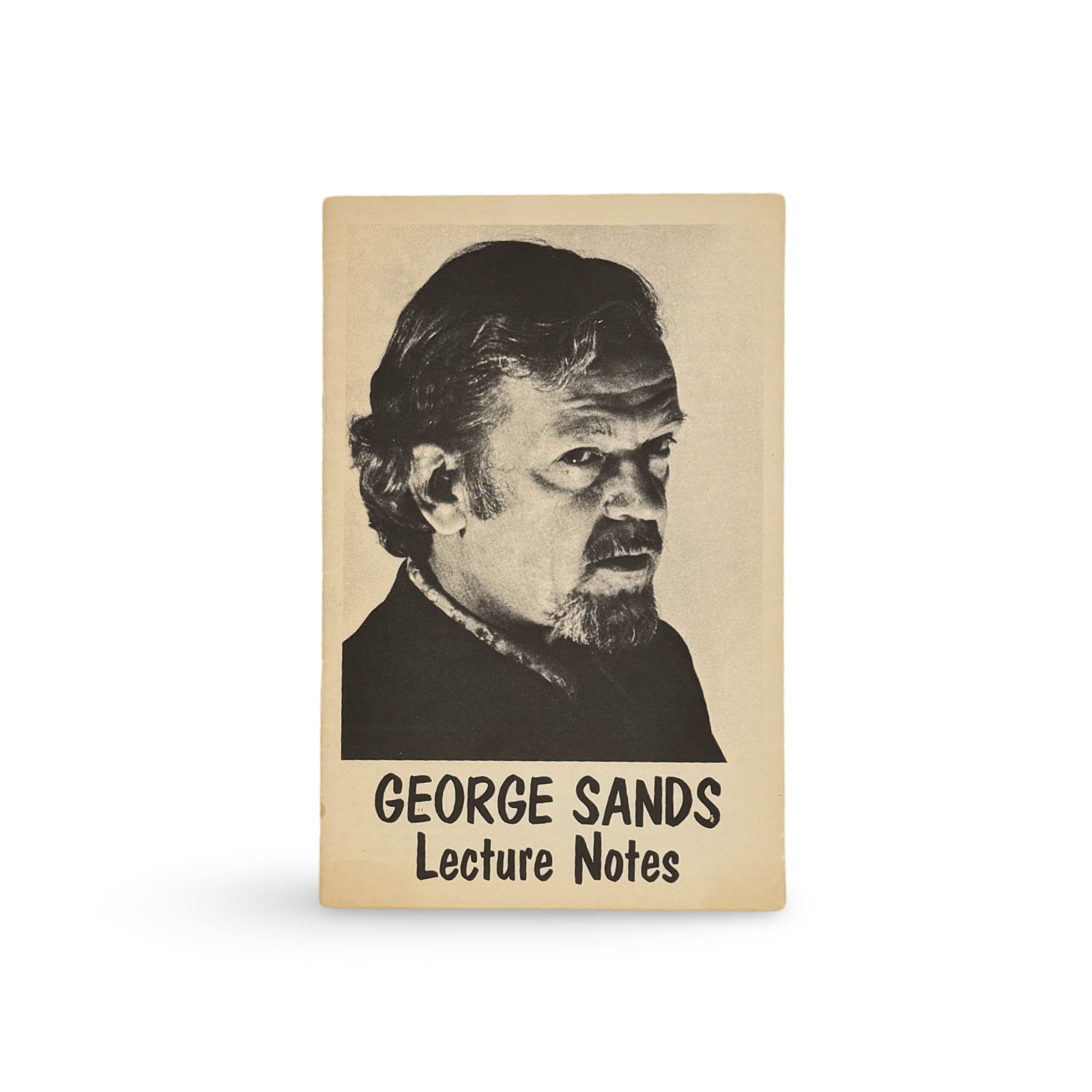
George Sands Lecture Notes.
Softcover, staple-bound lecture manuscript, 16 pages, measuring approximately 5½ × 8½ inches.
Contents include Sandslide Book Test; Playing Card Toss Up; Business Card Toss Up; Chicken Thief Switch; Book Force; Coin Routine; Cigarette Filter Shell; Domino Cards; Long Card Illusion; Suggestions; Dollar Bill Reading (two methods); Balloons; and Arbitrary Card Cut.
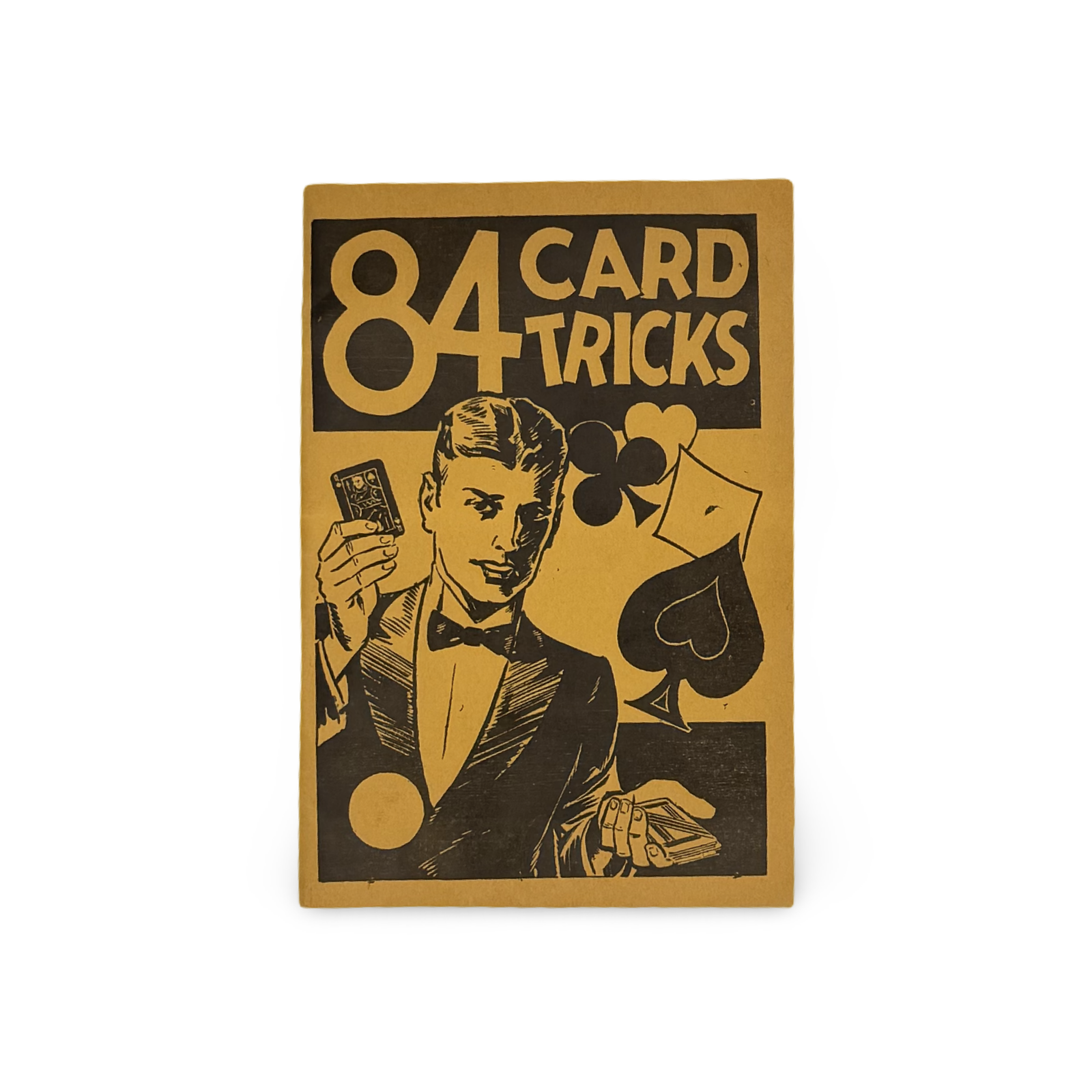
84 Card Tricks. Padell Book Co., New York, 1936. Illustrated. Uncommon in this very good condition. 47 pages.
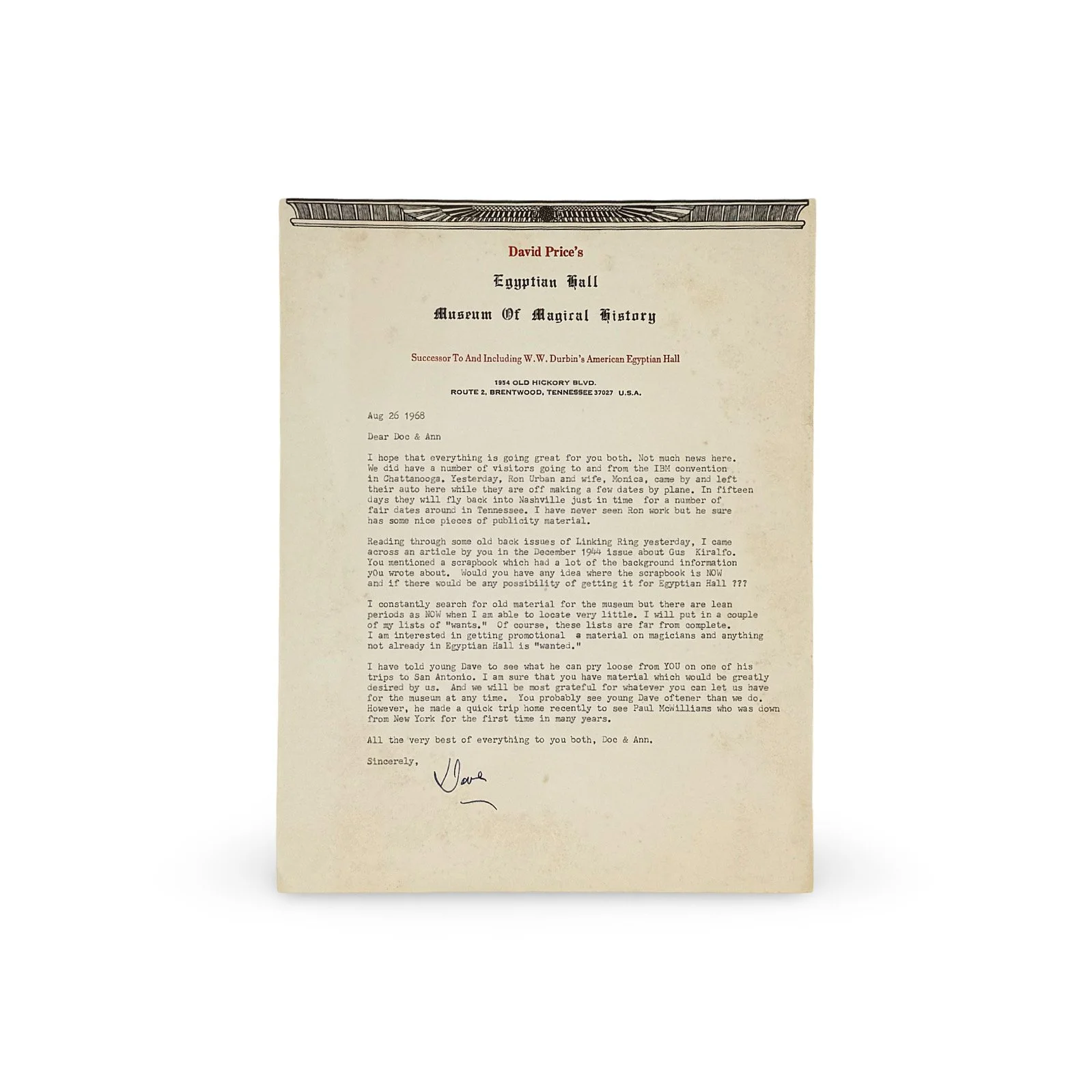
Signed letter from David Price to M.S. "Doc" Mahendra and his wife, Ann. August 26, 1968.

The Fire Eating Legless Wonder. Side Show Banner, ca. 1990s
Hand pained on heavy canvas. Measures 41” x 51”. Wear from use and folding. Very good condition overall.
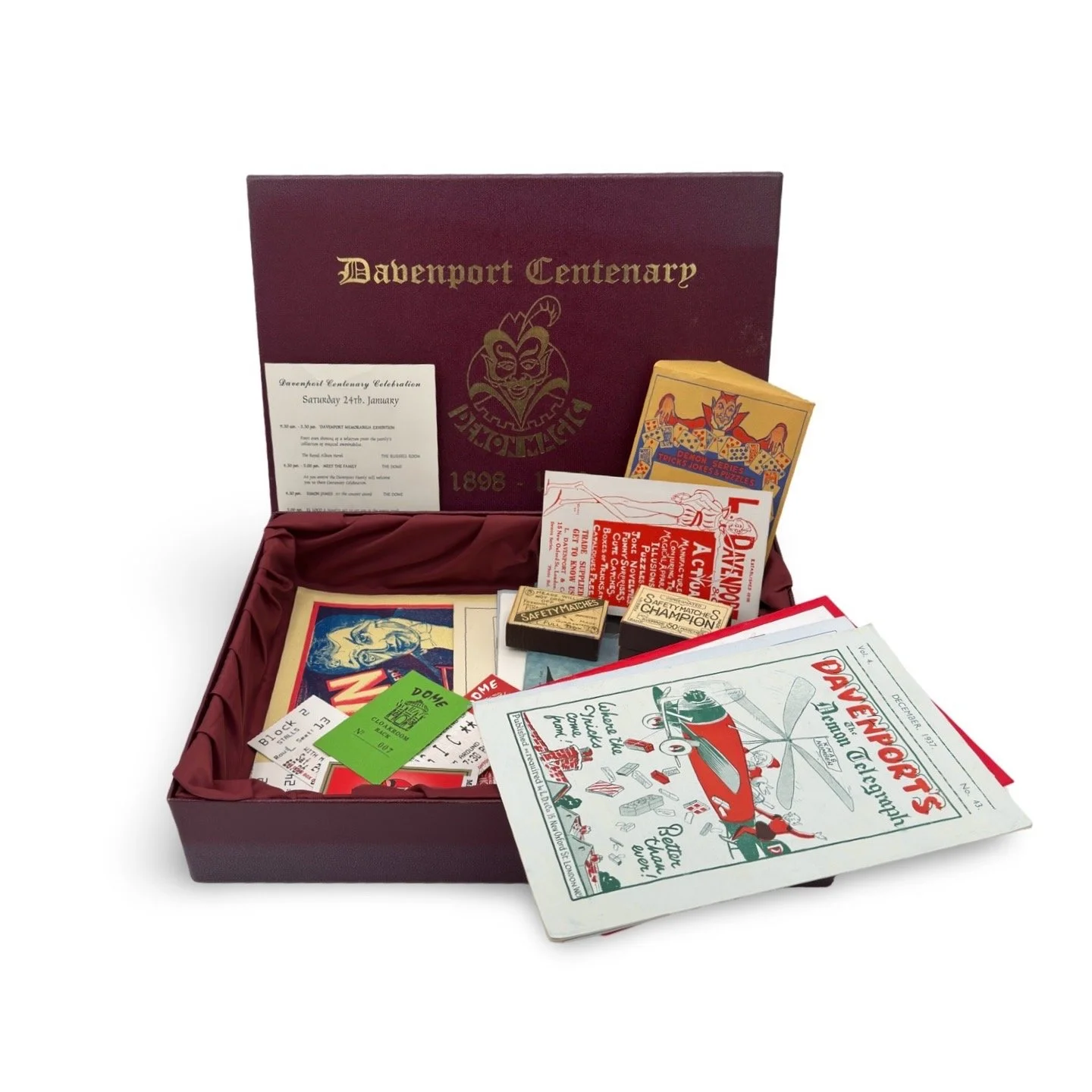
Davenport’s Centenary Gift Box. 1998.
Commemorative presentation box issued to attendees of the 100th anniversary celebration of Davenport & Co. Contents vary between examples; all items relate to the firm’s first century in business and include the official weekend program. Accompanied by two trick matchboxes, one incorporating a wind-up mechanism. Box measures approximately 13 x 10 x 3 inches. Minor wear to box; otherwise very good. Sold as discovered.
New & Noteworthy
In the Collector’s Cabinet
← swipe to explore →
-
![Haunted Bird Chest. Owen Magic Supreme.]()
Haunted Bird Chest
Owen Magic Supreme. Four doves vanish from a decorated chest, which is then completely dismantled, with each component shown on both sides. One of only six ever sold. From the collection of Keith Raleigh.
-
![Jack Hughes, London, Peacock Fantasy]()
Peacock Phantasy
Jack Hughes, London, ca. 1960s. Four blue birds change colors, followed by the transformation of a larger bird into a peacock with a brightly colored tail.
-
![Musical Dove Chalet. Tannen’s Magic, New York, ca. 1960s.]()
Musical Dove Chalet
Tannen’s Magic, New York, ca. 1960s. A painted wooden chalet plays music until the magician commands it to stop. When the cover is lifted, the chalet has vanished, replaced by a live dove. From the collection of Todd Harris
-
![Chinese Chopper.]()
Chinese Chopper
Abbott’s Magic, ca. 1960s. Large stage apparatus decorated in red, black, and gold. A blade passes harmlessly through a spectator’s neck while severing objects on either side.
-
![Rapping Hand. German, ca. 1920s.]()
Rapping Hand
German, ca. 1920s. Painted papier-mâché hand used to answer questions by rapping against a sheet of glass, once for “yes” and twice for “no.”
-
![Triple Coin Boxes. Mel Babcock Magic]()
Triple Coin Boxes
Mel Babcock. Handcrafted wooden nesting boxes decorated with colorful Egyptian motifs. A borrowed, marked coin vanishes and reappears inside a small box concealed within two larger boxes.
-
![]()
Keith Raleigh Portrait
Personally inscribed photograph of magician and collector Keith Raleigh, received in October 2026. A thoughtful gift from a fellow collector whose friendship, generosity, and willingness to share his knowledge of magic apparatus are deeply appreciated.
-
![]()
Vanishing Radio
Jack Hughes, ca. 1950. A wooden radio vanishes within the folds of a newspaper. Finished in natural wood with black trim, fabric speaker grille, simulated tuning dial, and two knobs.
-
![]()
Johnny Thompson's Prop Bag
Black faux-leather carrying bag with red vinyl-lined interior, from the collection of legendary magician Johnny Thompson.
-
![]()
Fu Manchu’s Fan
Painted fan attributed to the personal and stage use of David Bamberg (Fu Manchu). Acquired in the early 1970s by magician and collector Gale Molovinsky from Chicago magic dealer Joe Berg.
-
![]()
Bullseye Card Trick
Owen Magic Supreme, ca. 2000. A selected card is returned to the deck and placed before the target. With the “fire” of an air gun, the cards scatter and the selection appears in the bullseye. Previously offered by Potter & Potter Auctions.
-
![]()
Mummy Divination
Hamburg: likely Janos Bartl, 1930s. Painted wooden divination effect comprising a hinged “KING TUT” sarcophagus and three mummies individually named Eva, Felix, and Hank.
-
![Cage Transformation. Colon: Abbott’s Magic Co., ca. 1950s.]()
Cage Transformation
Abbott’s Magic Co., ca. 1950s. A metal canister filled with an assortment of objects is opened to reveal a substantial brass birdcage containing a live bird. Includes the original rubber canary.
-
![]()
Levante Block Penetration
Abbott’s Magic Co., ca. 1940s. A solid wooden block visibly penetrates a cord while its ends are held by two spectators. Ingeniously constructed with an internal mechanism and finished in blue and gold.
-
![]()
Appearing Silk on Candle
The Magic Hands, ca. 1980s. Chromed candlestick in which a silk handkerchief appears in a flash, tied around the candle.
-
![]()
Ribbon Penetration
Maker unknown, ca. 1940s. A sheet of glass placed in a wooden frame is tied in place with a silk ribbon, through holes in the glass and doors of the cabinet. Even so, the glass penetrates the ribbon.
-
![Silk Vanishing Pistol Janos Bartl, Hamburg, ca. 1930s]()
Silk Vanishing Pistol
Janos Bartl, Hamburg, ca. 1930s. A small imitation pistol that vanishes a silk when the trigger is squeezed. Fashioned from a Gilling 112 cap pistol with an elaborate mechanical addition.
-
![Mel Babcock Flying Die]()
Flying Die
Mel Babcock, ca. 2000s. Based on Okito’s Alphabet Block, ca. 1910. Wooden apparatus in an uncommon red, black, and gold finish with dragon decoration. Placed with another collector.
-
![]()
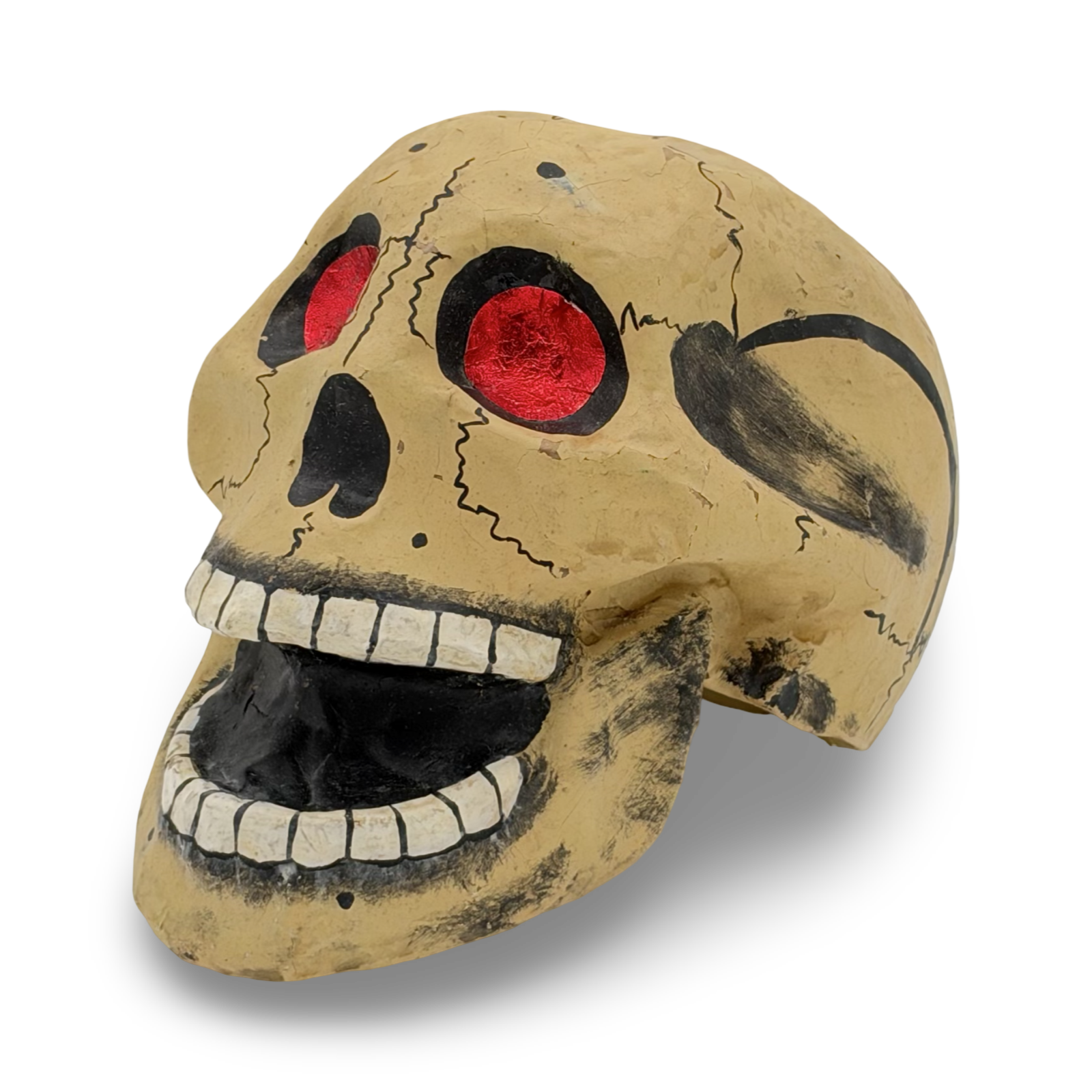
Moretti Floating Skull
Hamburg: Janos Bartl, ca. 1930. Hand-painted papier-mâché skull with reflective red eyes, designed to rise into the air and float about the stage. Placed with another collector.
-
![]()
Wu-Ling Pagoda Mystery
F.G. Thayer & Co., ca. 1944.
An ornate pagoda-style cabinet is shown empty, only to be filled to overflowing moments later. -
![]()
Chinese Sticks
Owen Magic Supreme, ca. 1990s.
Finely made faux-bamboo sticks finished in yellow, black, and red lacquer. As one cord is pulled, the other mysteriously responds. Handsomely constructed in the Owen tradition. -
![]()
Exposing Houdini: 52 Lost Glass Plate Images
Charles Greene III, 2026. A collection of previously unpublished Houdini photographs reproduced from original glass plate negatives dating from 1903–1911. Includes the companion viewfinder featuring images from the collection.
-
![Silk Casket. Azusa: Owen Magic Supreme.]()
Silk Casket
Owen Magic Supreme. Glass-sided cabinet framed in exotic hardwoods and bearing the Owen hallmark. Shown empty, the cabinet suddenly becomes filled with colorful silks.
-
![]()
Chu’s Magic Catalog
Hong Kong: Chu’s Magic Studio, 1975. Color-illustrated publication by Peter Y.C. Chu exploring the history, development, and traditions of Chinese magic. From the archives of The Houdini Museum.
-
![]()
My Lady’s Ring
Watertown: Raymond Goulet and Marco Garuh, ca. 1985. A borrowed ring vanishes from one box and reappears in another, wrapped around a carnation. One of only ten sets manufactured.
-
![]()
Floyd Thayer: The Man and His Art
Mike Caveney’s Magic Words, 2026. Fred Rickard’s illustrated biography of Floyd Thayer, documenting his life, work, and celebrated apparatus. Deluxe edition in handcrafted walnut slipcase.
-
![Card Rising Table. Thayer, ca. 1930.]()
Card Rising Table
Thayer, ca. 1930s. Selected cards rise from a wooden houlette resting on the tabletop while isolated from the performer.
-
![Kellar’s Wizard’s Manual. Philadelphia: Royal Publishing Company, ca. 1900.]()
Kellar’s Wizard’s Manual
Royal Publishing Company, ca. 1900. Early instructional booklet bearing Harry Kellar’s name, covering hypnotism, sleight-of-hand, and a variety of magical effects.
-
![]()
R. Vernon Cook Comedy Routines
Privately printed comic routines by magician R. Vernon Cook, dating to the 1940s. Obtained directly from Cook by the previous owner, the 17 scripts preserve a little-seen part of his performing repertoire.
-
![Red Chinese Puzzle. Alan Warner, ca. 2000.]()
Red Chinese Puzzle
Alan Warner, ca. 2000. A finely crafted geometric puzzle in which a completed white puzzle visibly transforms to red, leaving a single space perfectly filled by the red piece left outside the box.
-
![]()
Maro, Prince of Magic
Thayer & Jackson, Chicago, ca. 1905. Window card printed in black, white, and red, featuring an oval full-length portrait of Maro holding a magic wand above the bold "Prince of Magic" title.
-
![Chinese Sticks- Silent Mora (Louis McCord), 1953]()
Chinese Sticks
Silent Mora (Louis McCord), 1956. A classic sympathetic-cord illusion in which the cords running through each bamboo stick mysteriously respond to one another. Hand-made and hand-painted by Silent Mora.
-
![]()
Knife-Er
Abbott's Magic, ca. 1970. A knife is thrown at a young lady standing before a target. The knife visibly passes through her body lodging in the bull's-eye behind her.
-
![]()
Rattle Box
Clarence S. Miller, 2002. Miller’s uncommon walnut version of the classic rattle box. Measures 2 ½" square. Signed and numbered 29, with original instructions bearing the matching number and dated November 2002.
-
![]()
Sing-Toy Checkers Thru Silk
U.F. Grant, ca. 1950s–60s. Four brightly colored wooden checkers mysteriously penetrate a silk in successive phases before returning above it. Includes the metal stand and original instructions.
-
![]()
Jewel Chest of Ching See
Loyd, ca. 1940s. A decorated wooden block is secured within an open-sided cabinet by a solid brass rod, then vanishes and reappears elsewhere. Hallmarked. Very good condition.
-
![Phenix]()
The Phenix
E.J. Moore, ca. [?]. Inspired by Egyptian mythology, the Phenix—the legendary bird said to rise from its own ashes—serves as the basis for this effect. A marked strip of paper is placed on a staff, burned, and instantly restored. From the collection of Andrew Pinard.
-
![Bird Box, after Martinka]()
Bird Box
After Martinka & Co., ca. 1890s. A selected card is placed into a finely crafted wooden box, its lid gently closed. Moments later, when reopened, the card has vanished—only to be replaced by a live bird.
-
![]()
Flyto Cage
Turn-of-the-century magic apparatus featuring a brass cage that vanishes beneath a handkerchief, only to reappear instantly—and in full view—within the open frame of a skeleton stand on the magician’s table.
-
![]()
Talking Skull, Dawes Collection
Papier-mâché skull mounted on a glass column atop a wooden plinth clicks its jaw in answer to questions, once for “yes” and twice for “no.”
-
![]()
Bird Camera
Jack Hughes, ca. 1960s. A rare Hughes creation in which a live dove vanishes when the magician snaps a photograph-only for the camera itself to instantly transform into the very cage containing the bird. This is the only known example.
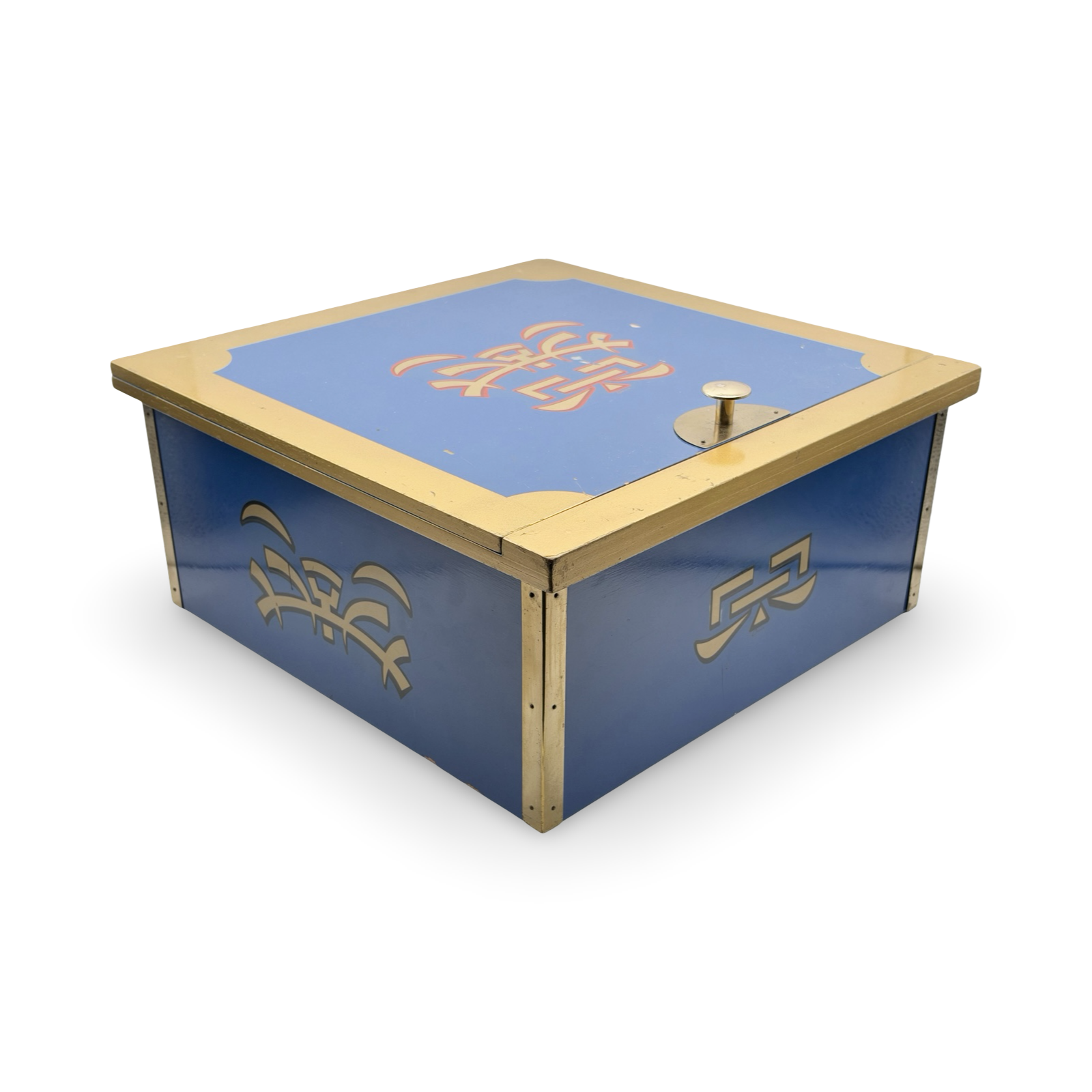
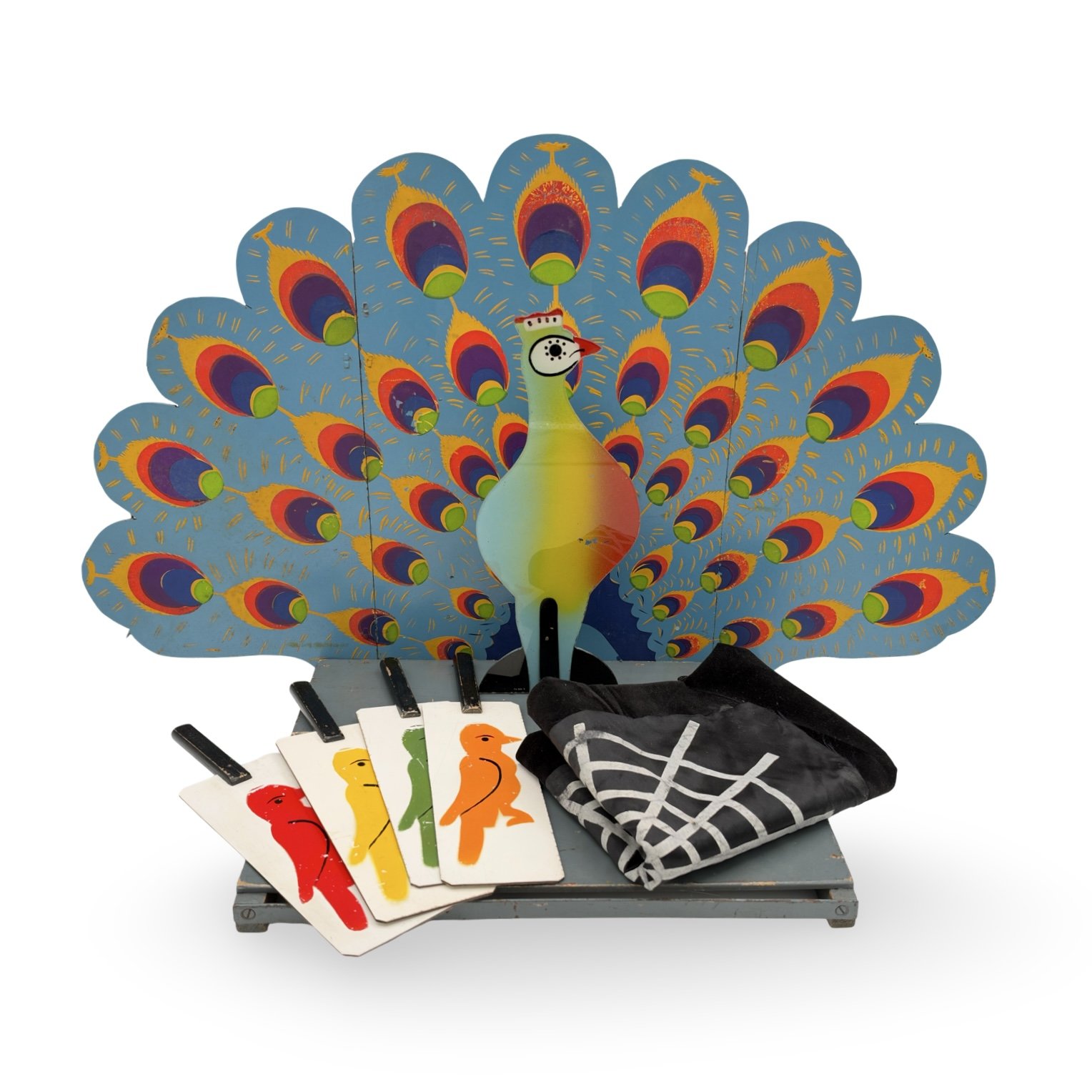
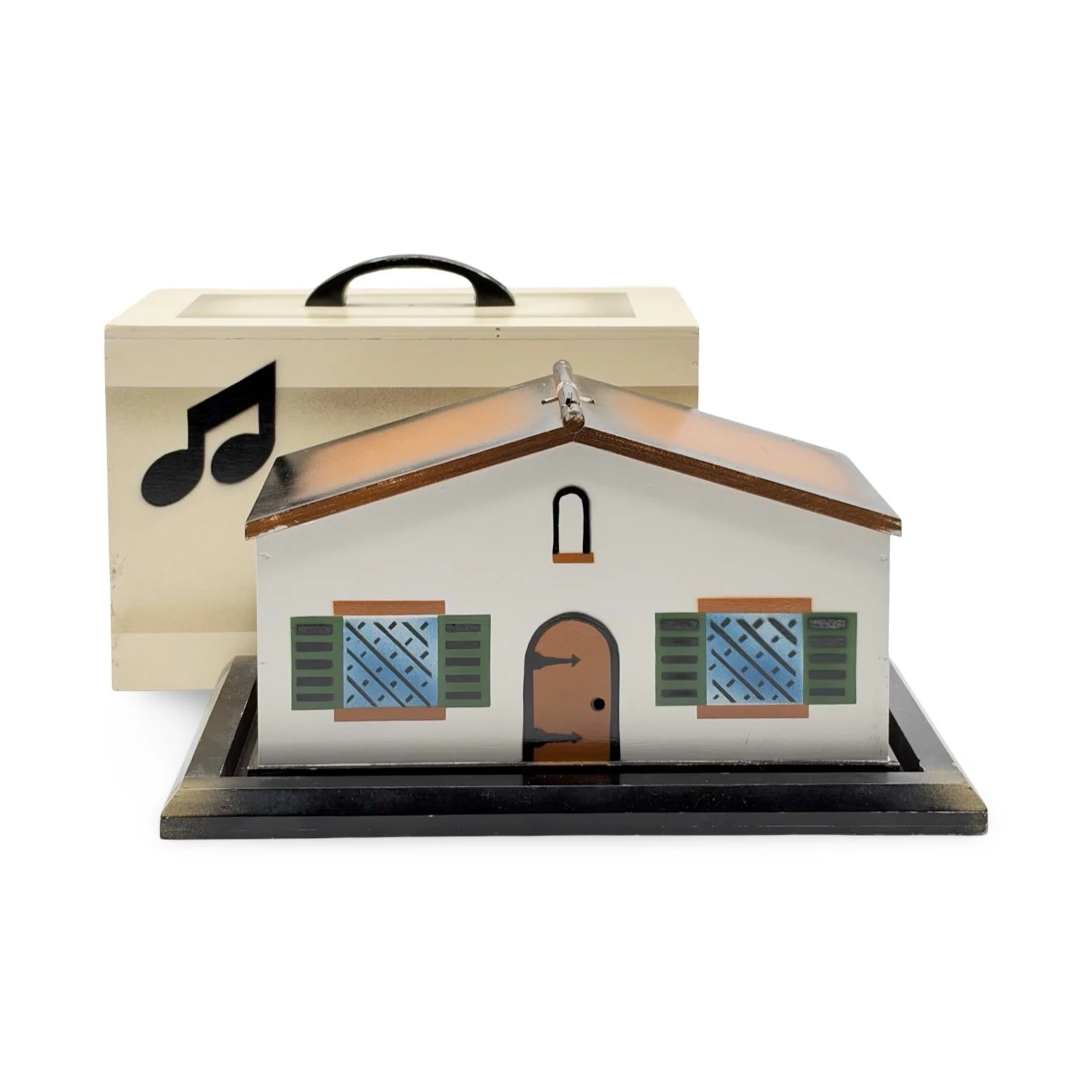
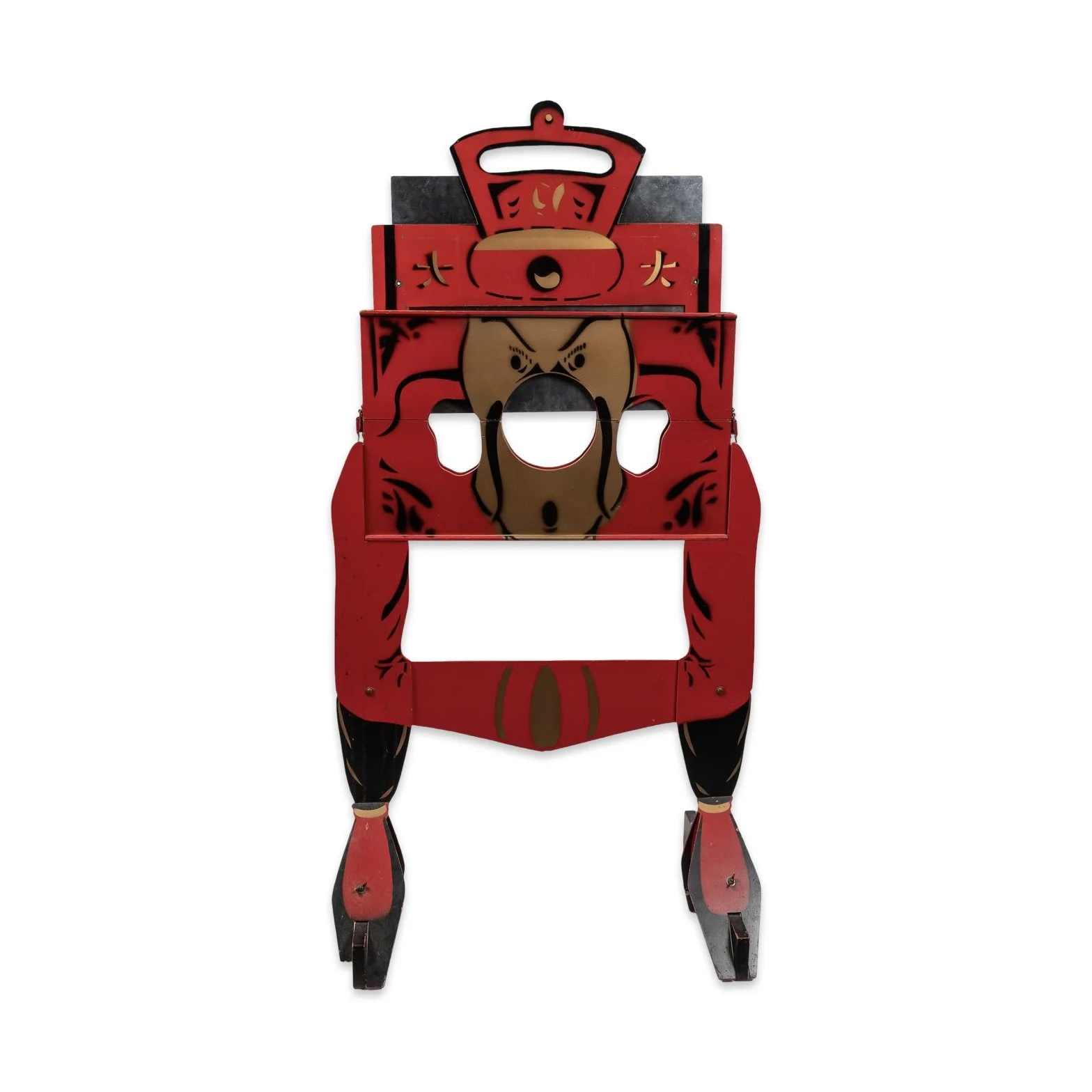
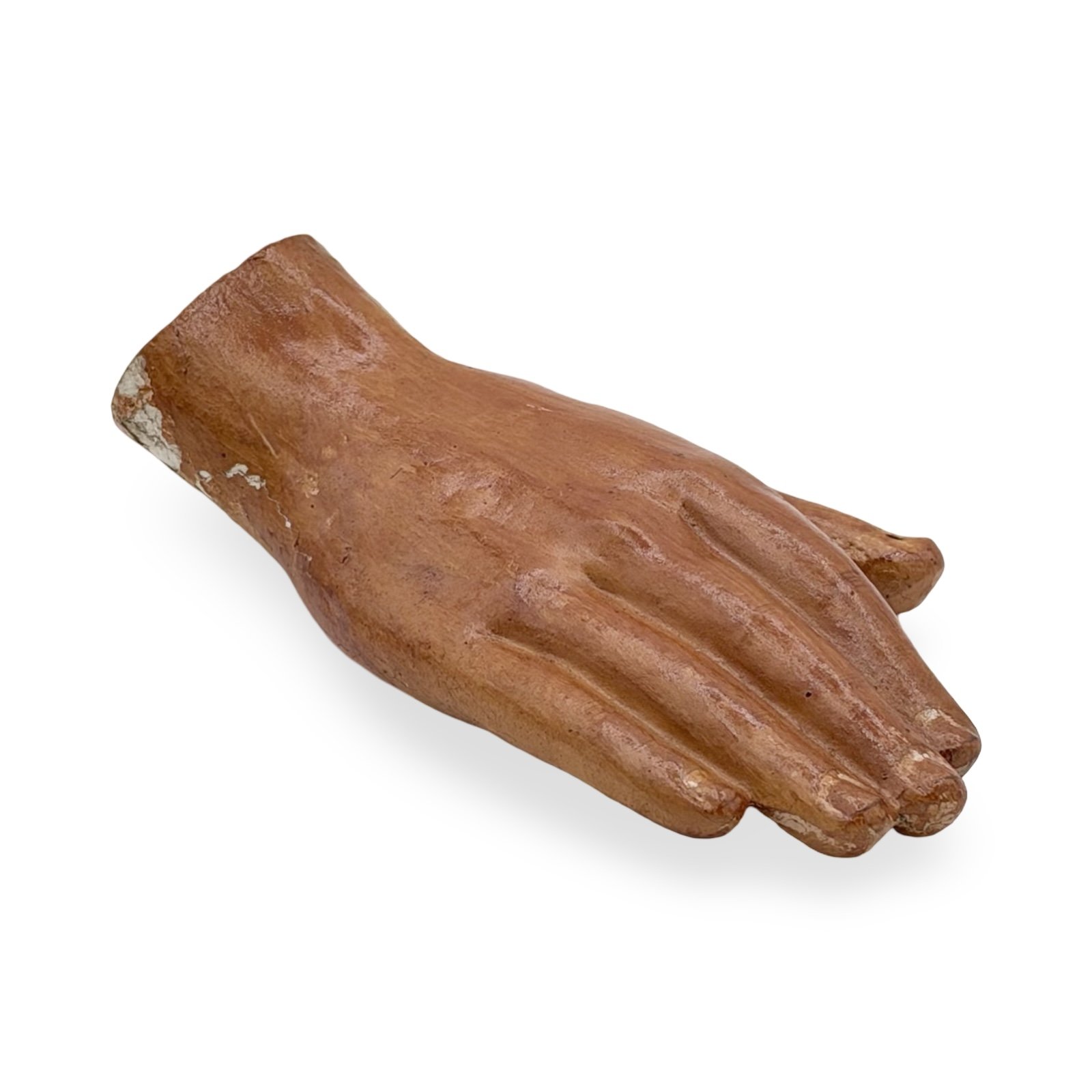
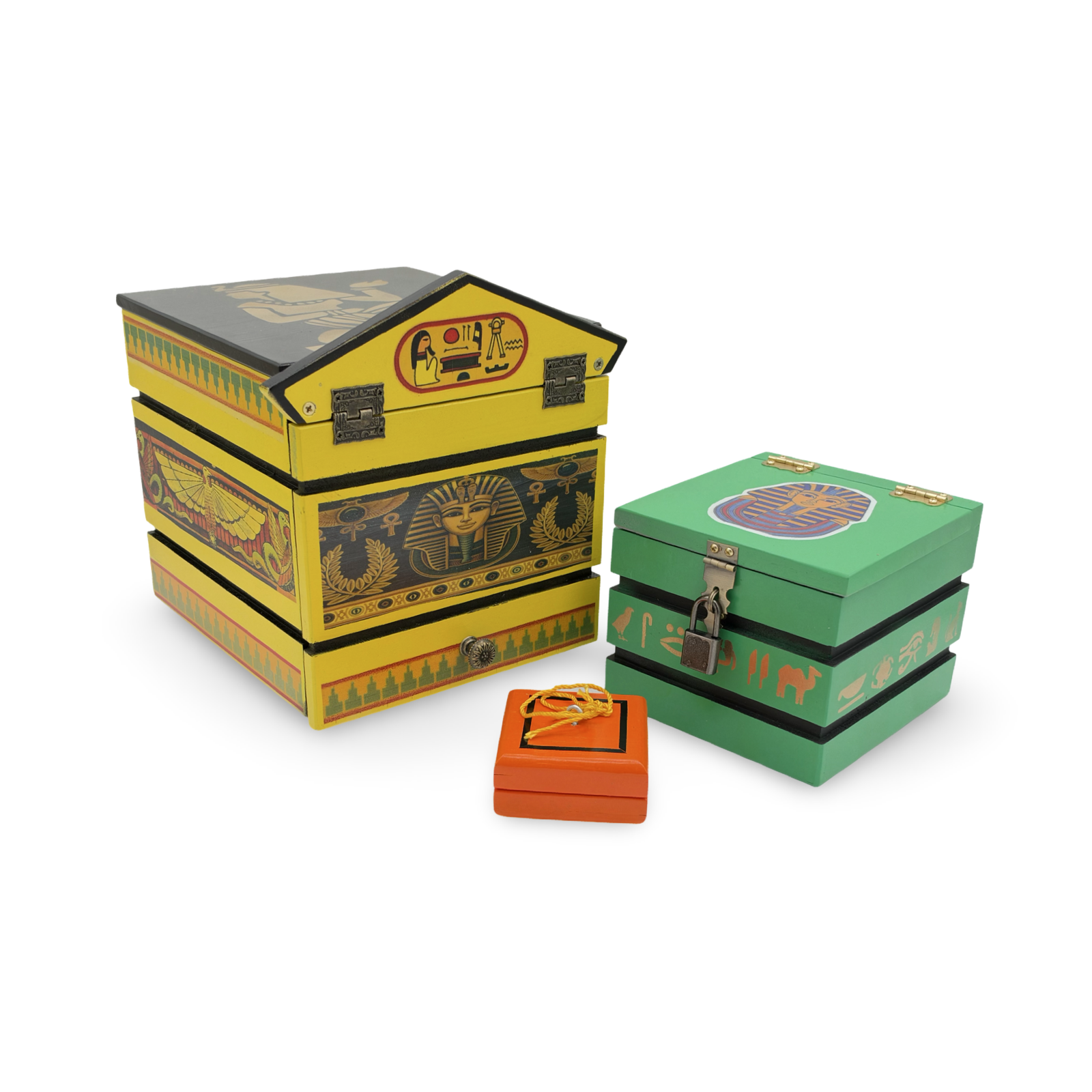
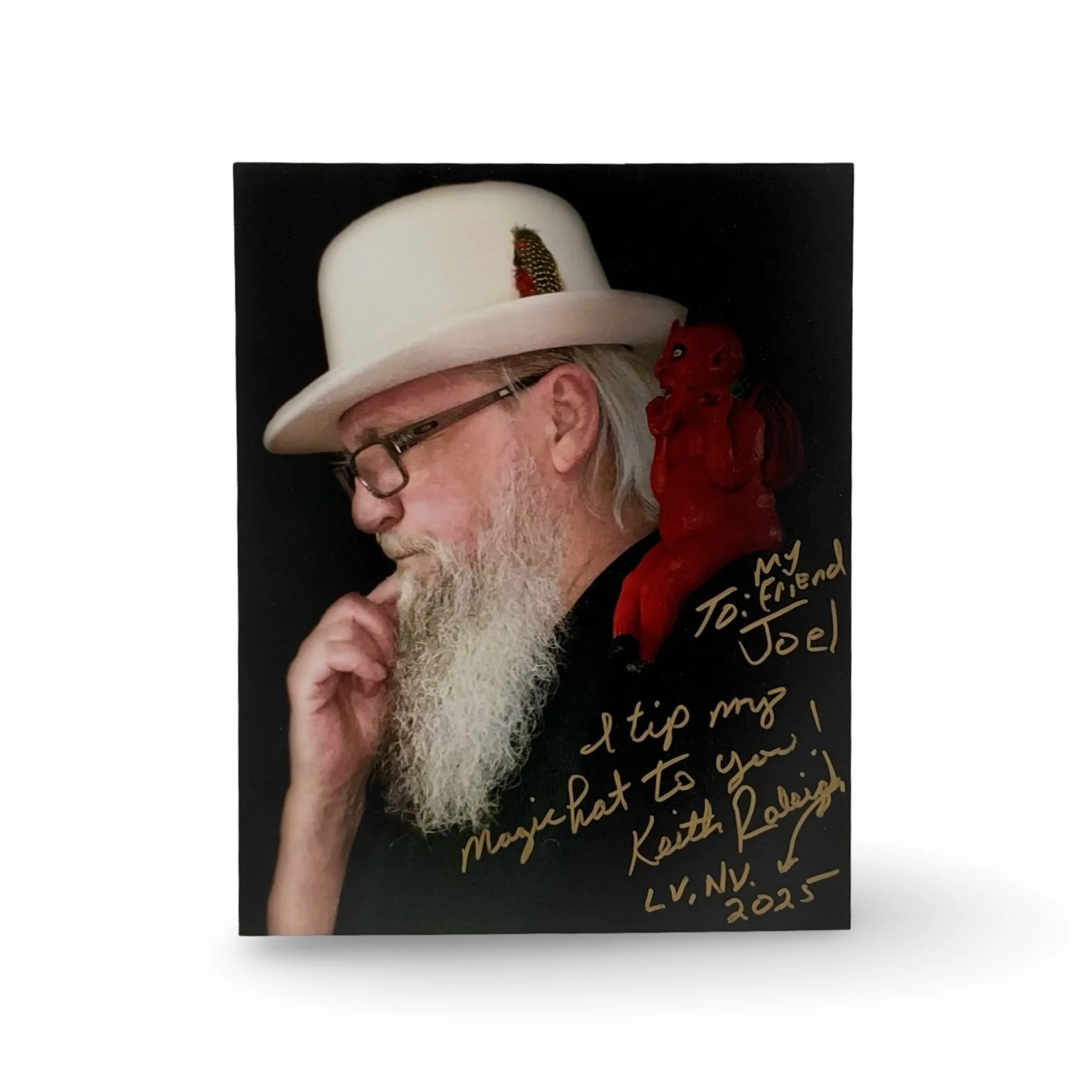
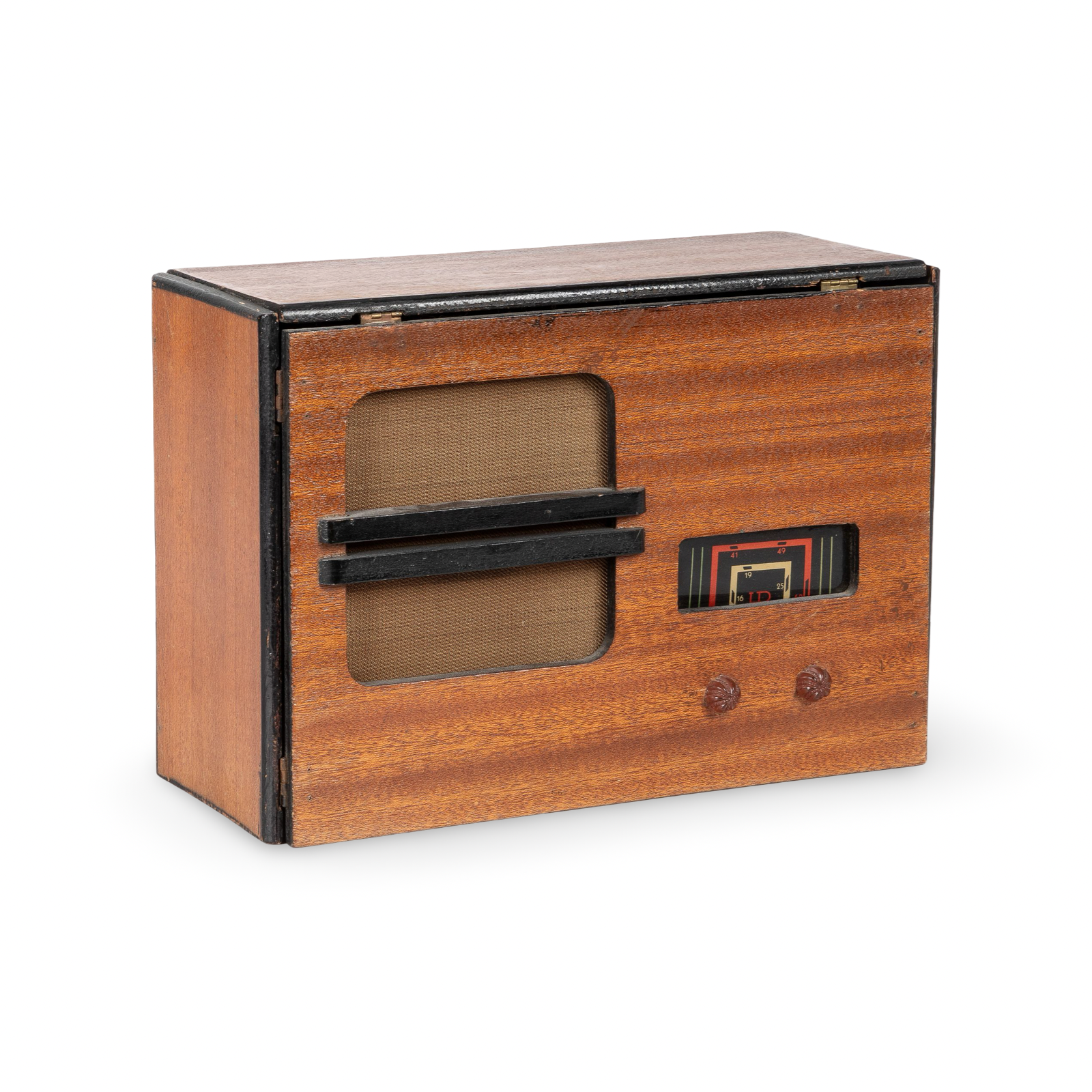
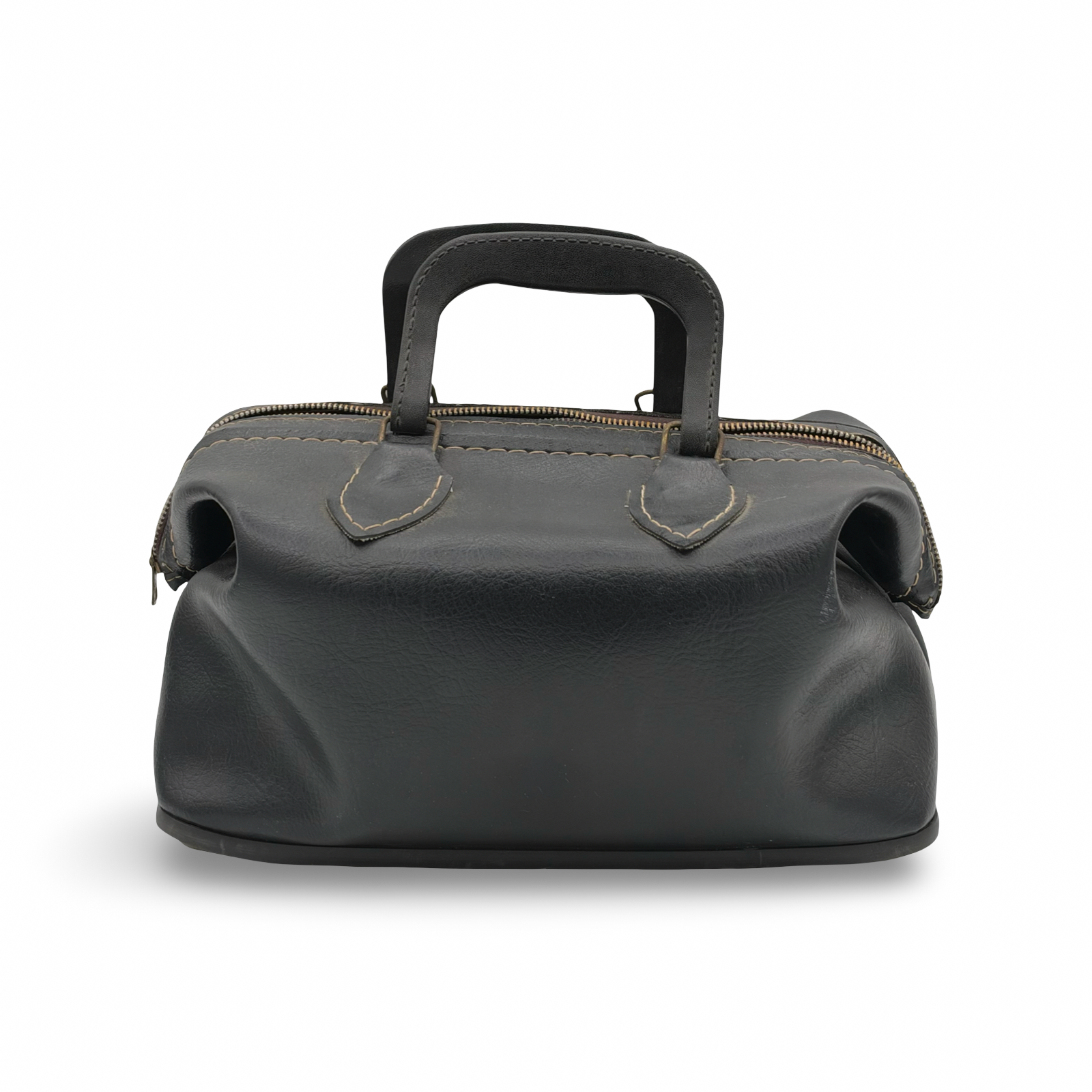
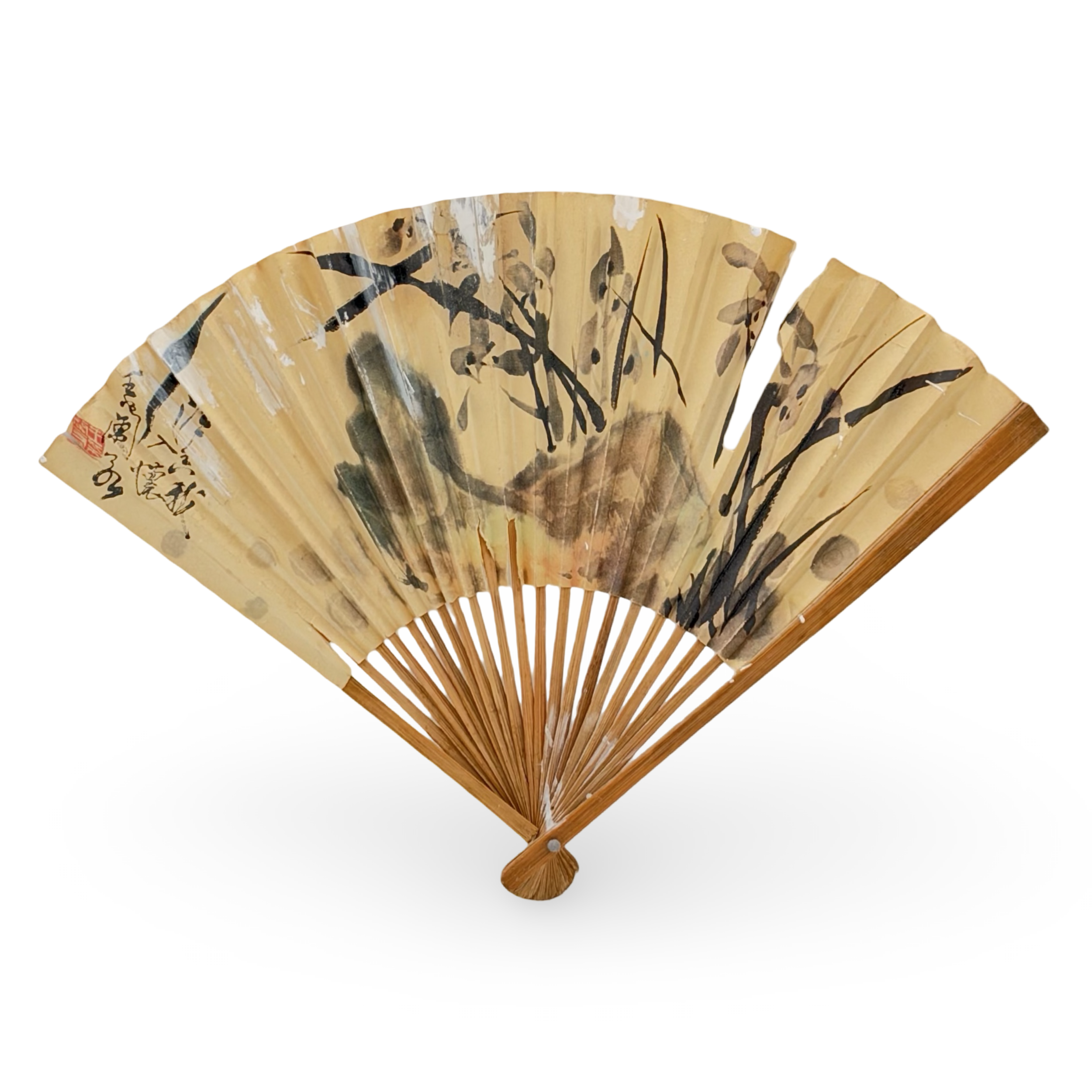
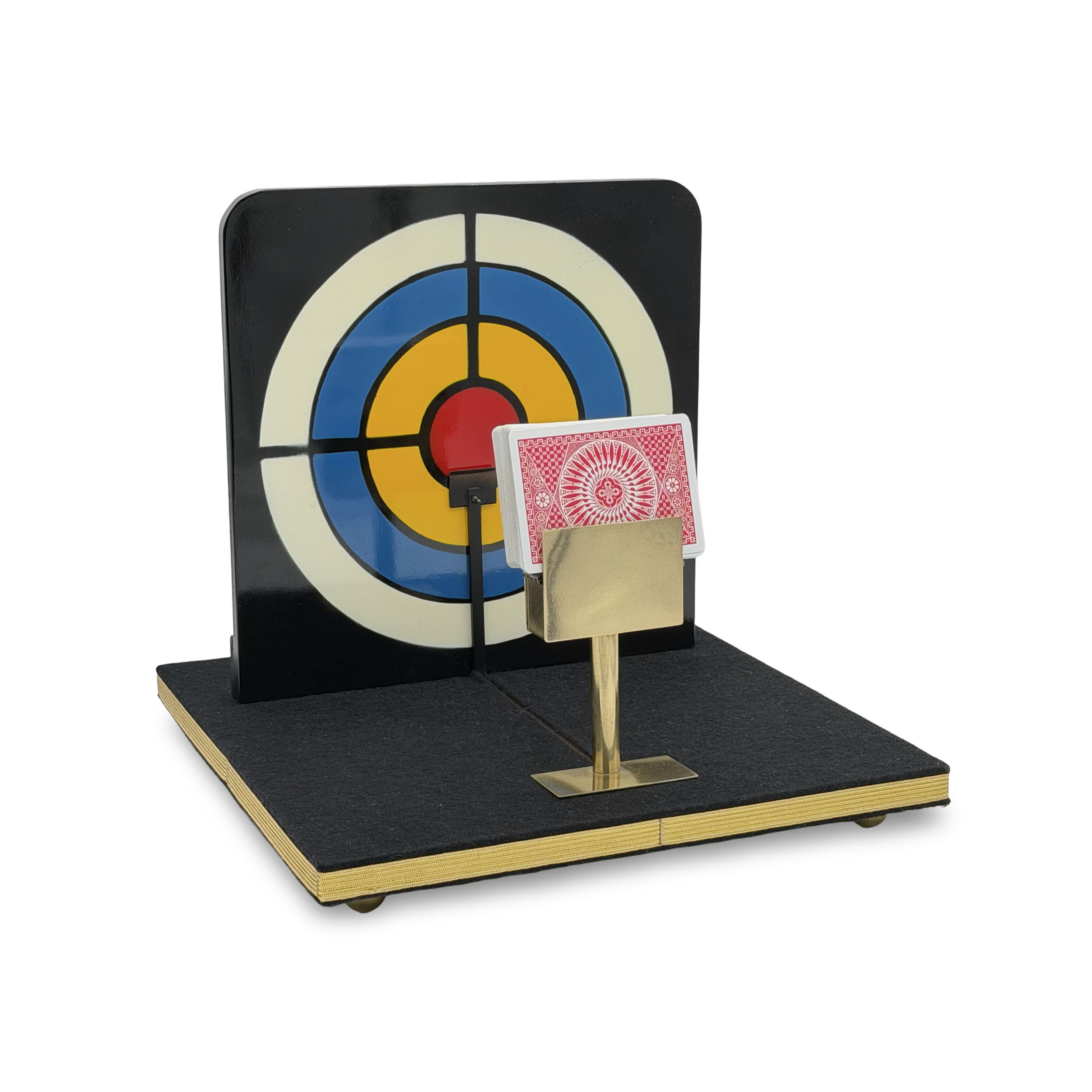
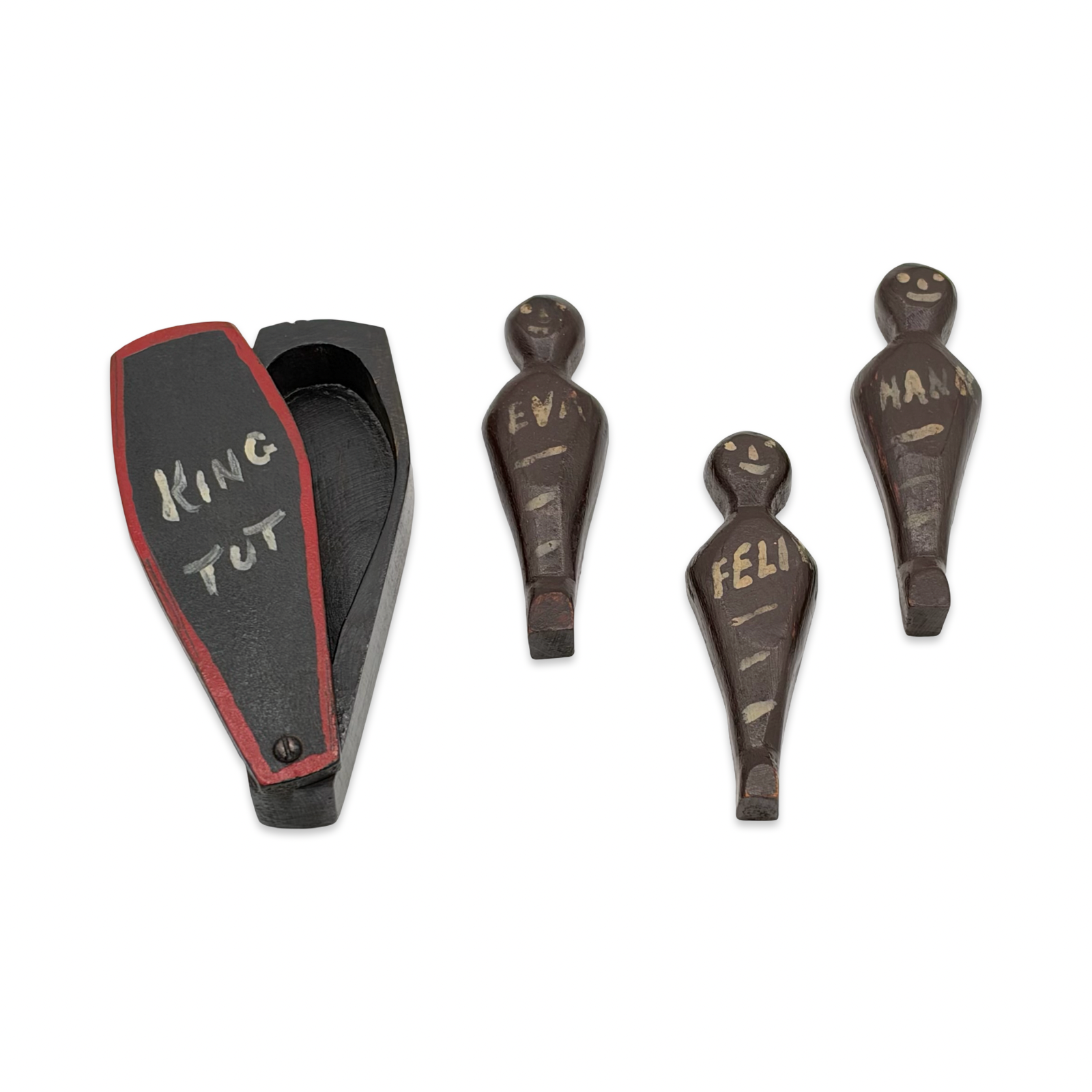
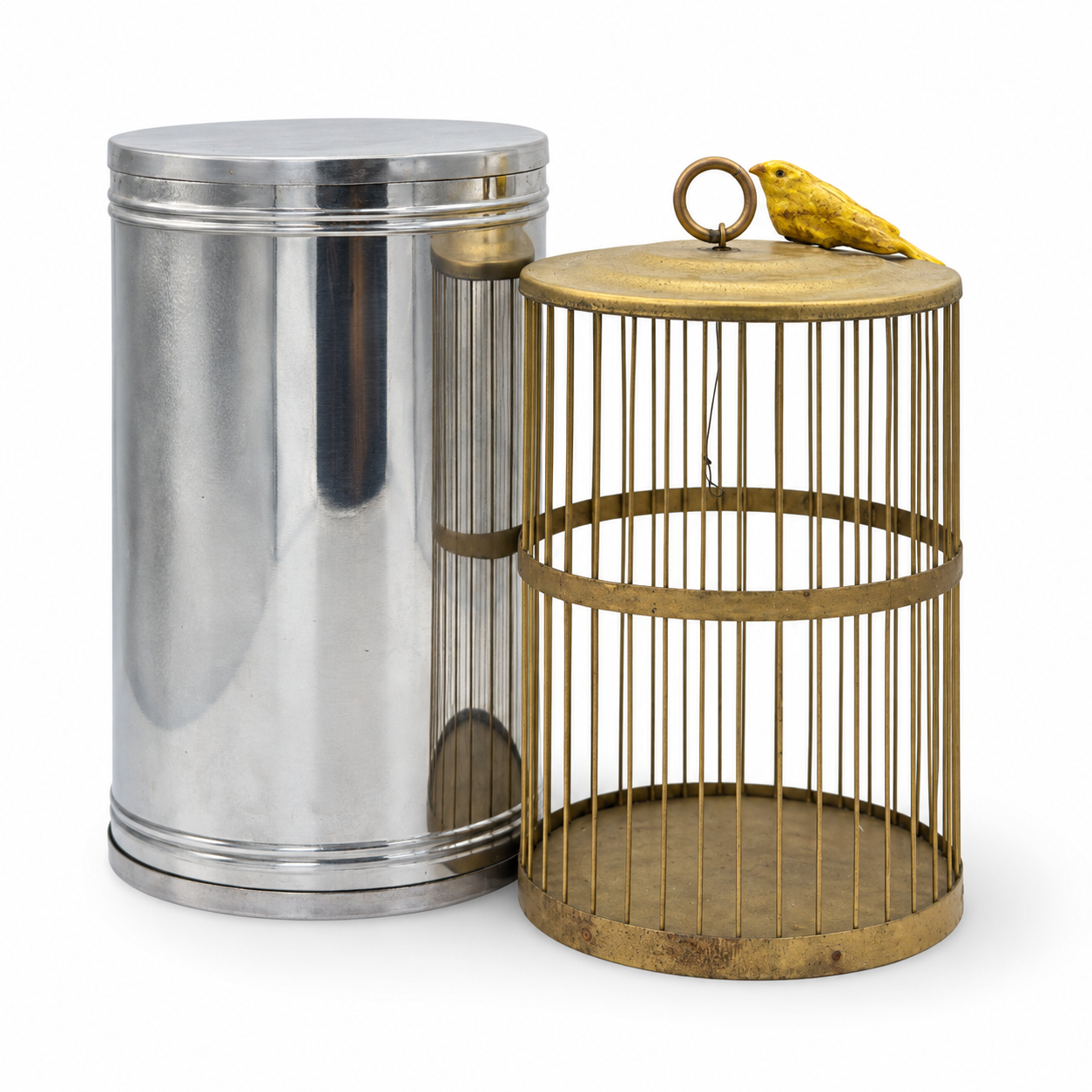
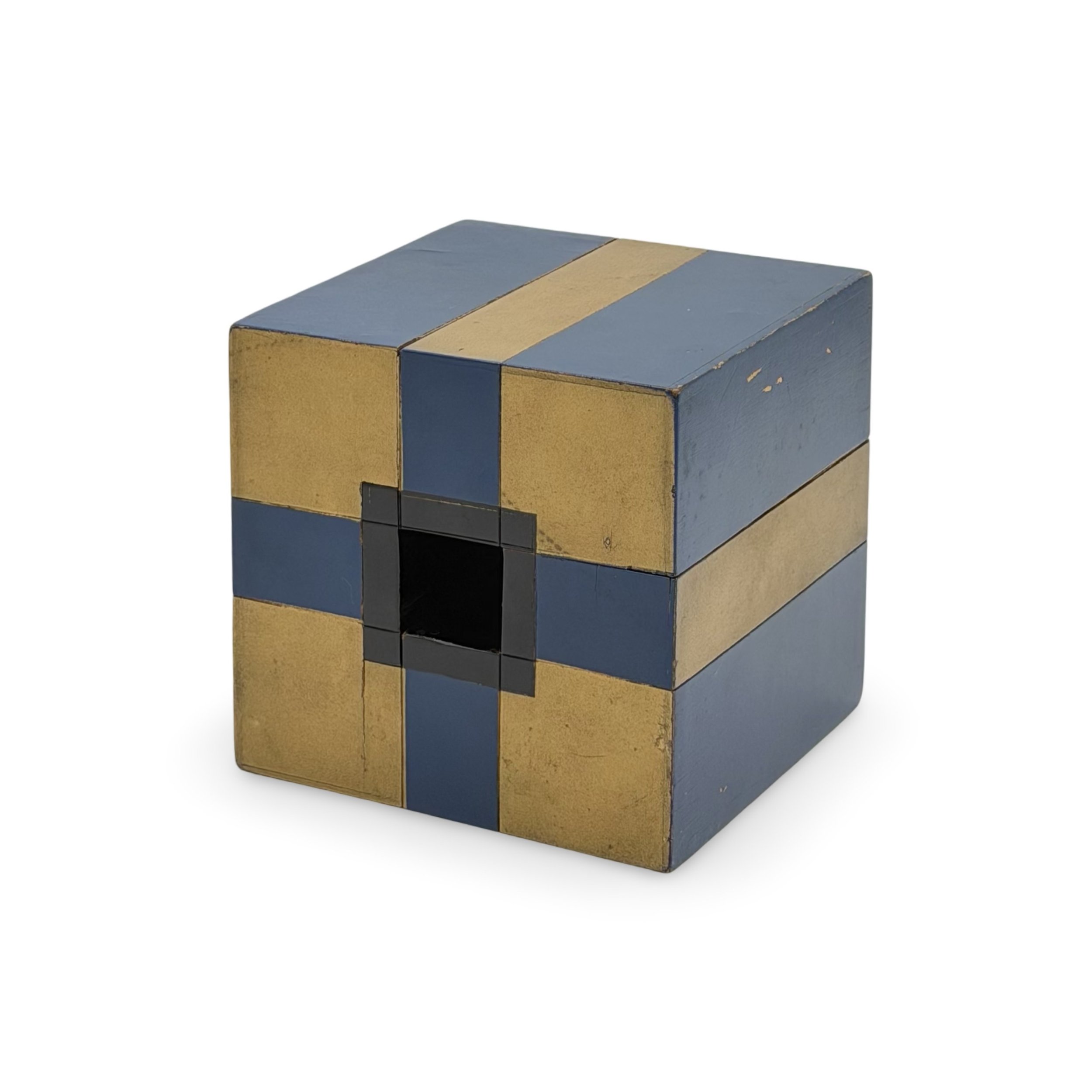
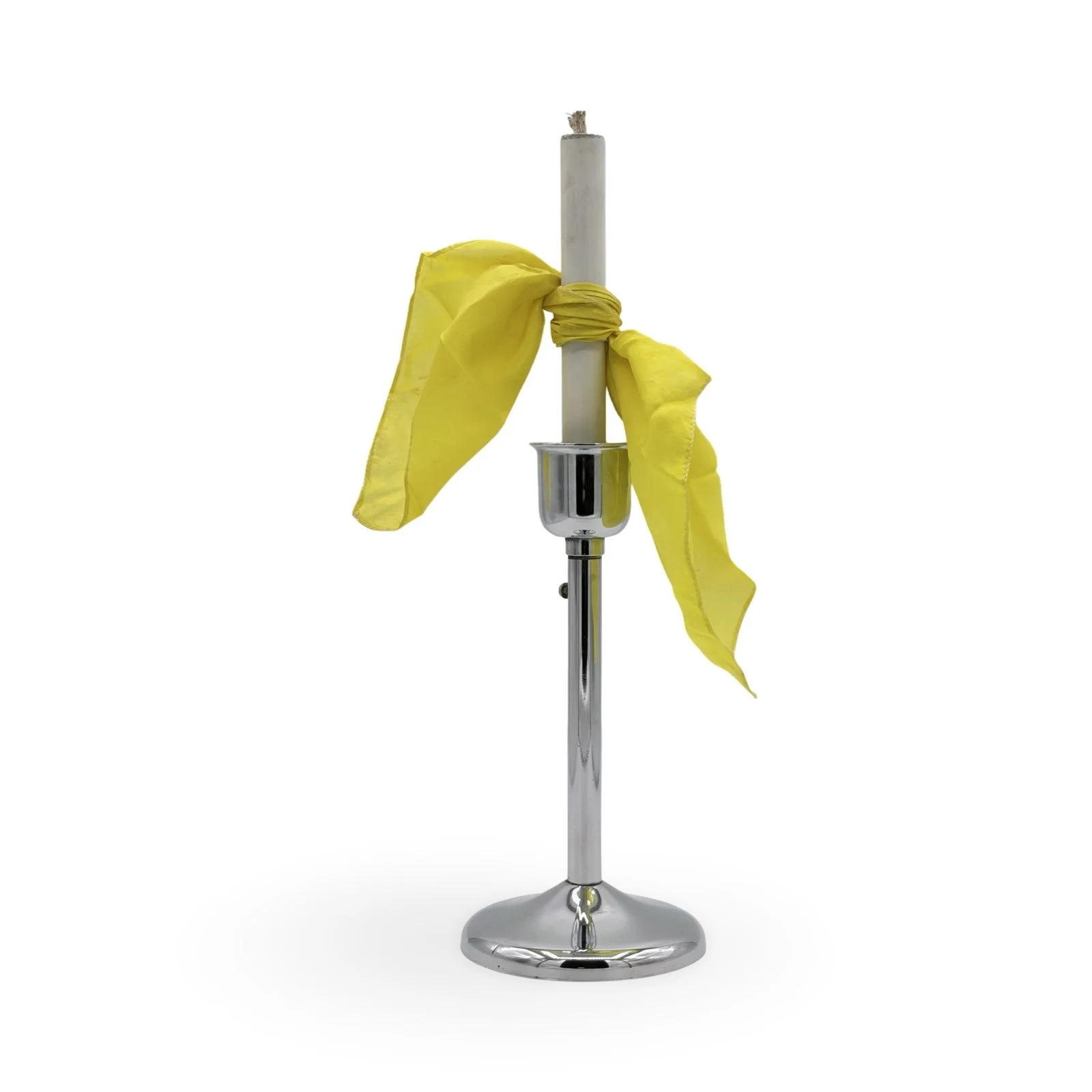
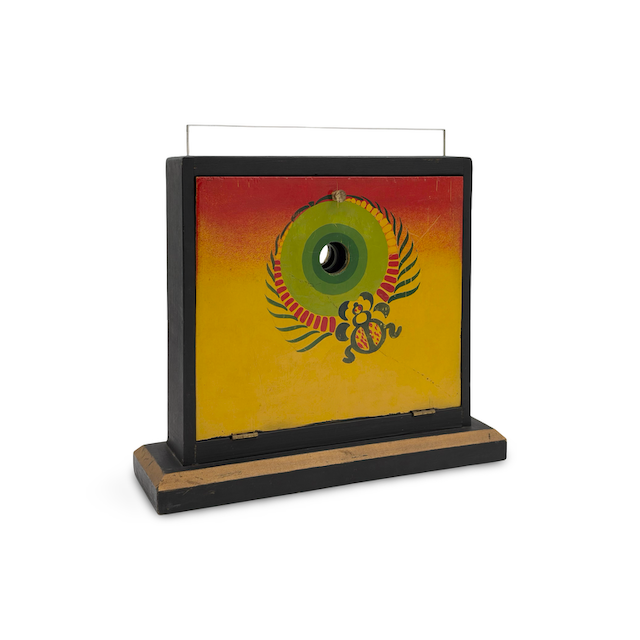
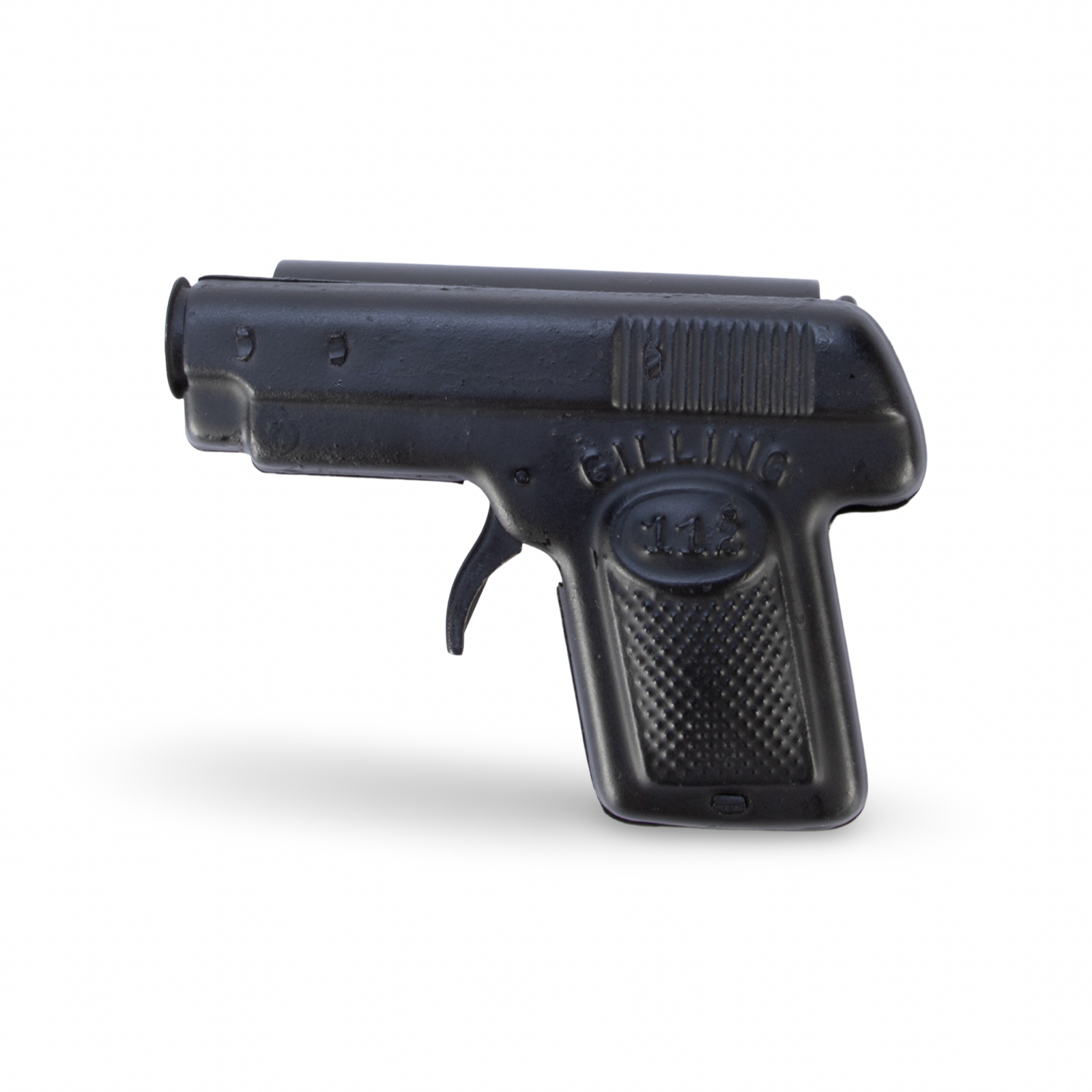
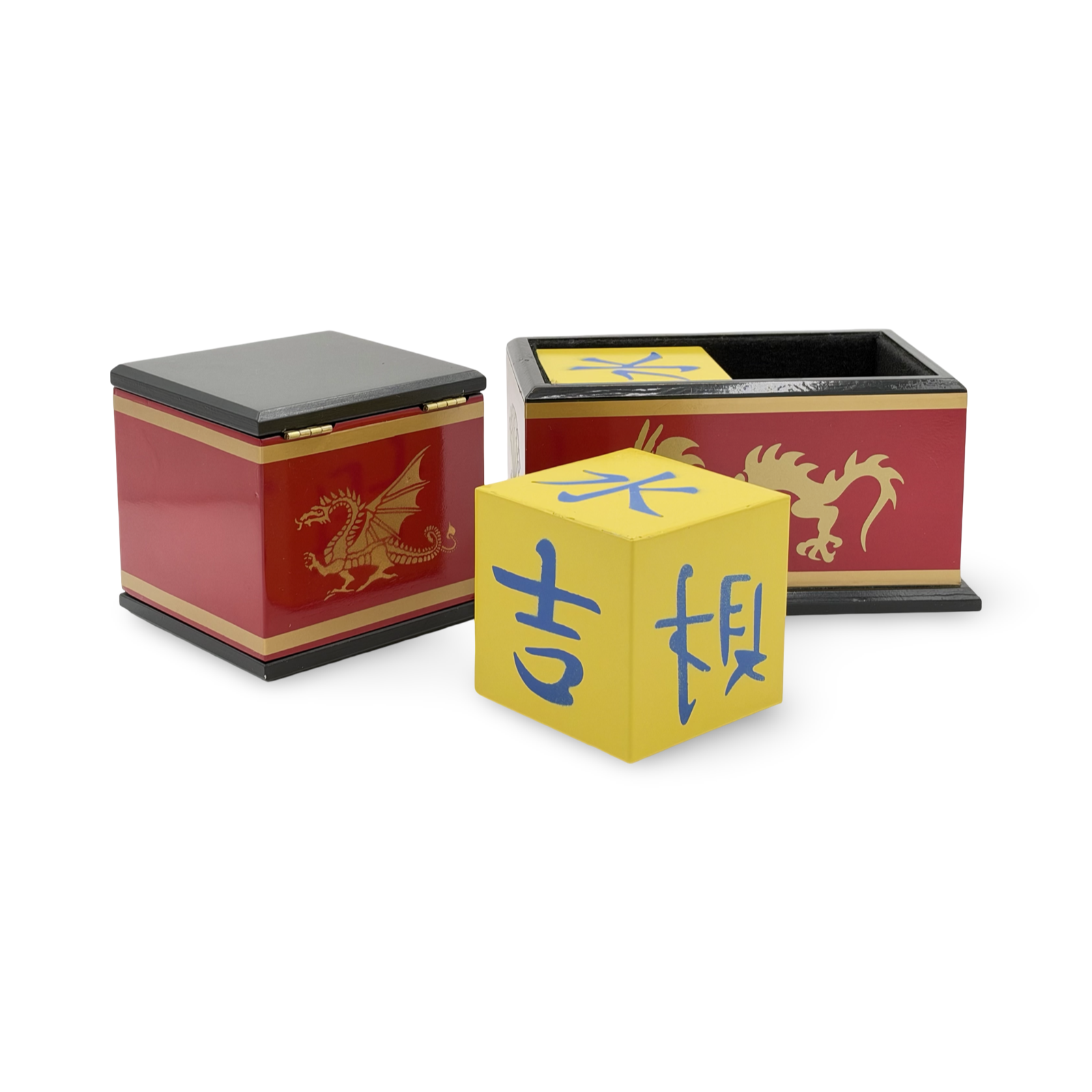
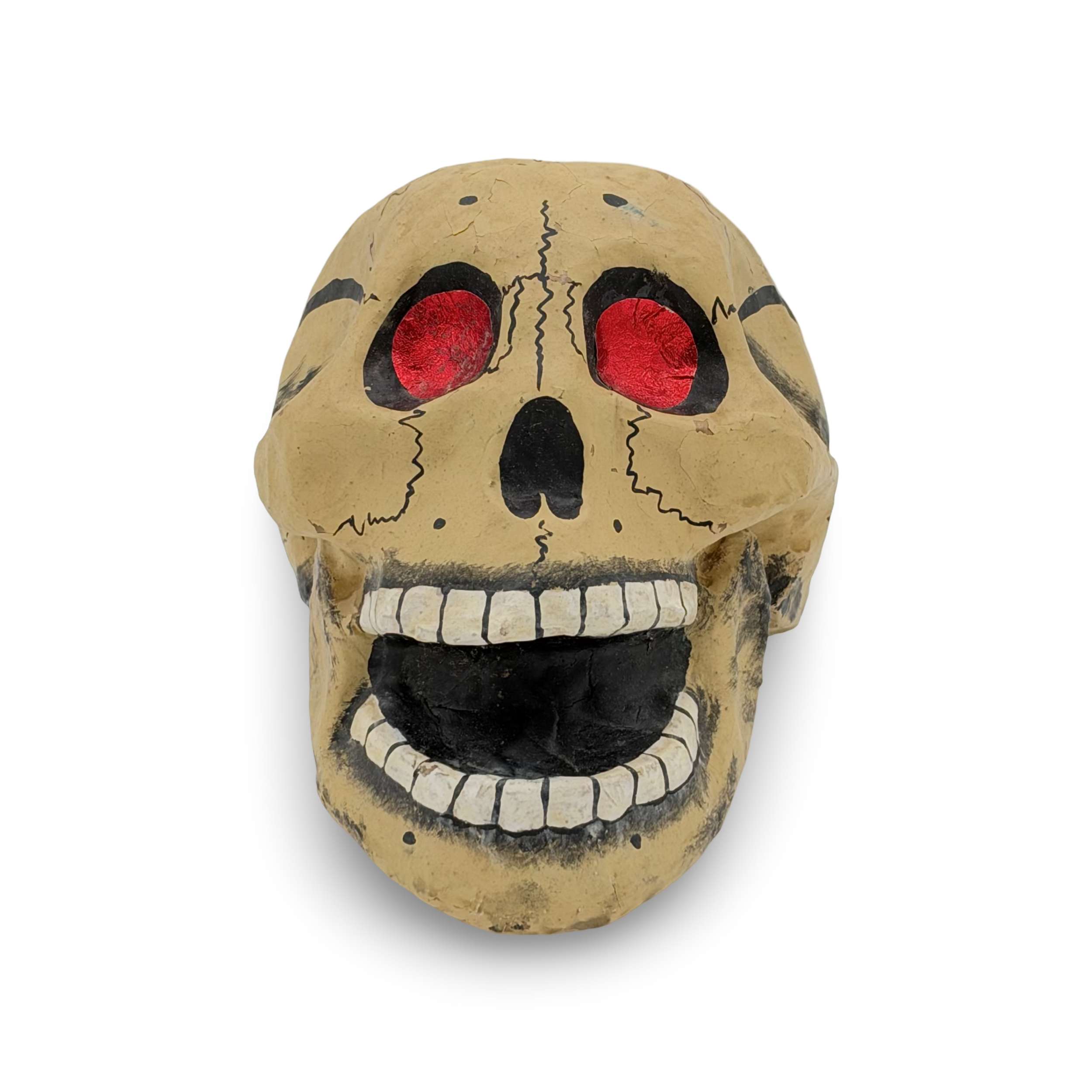
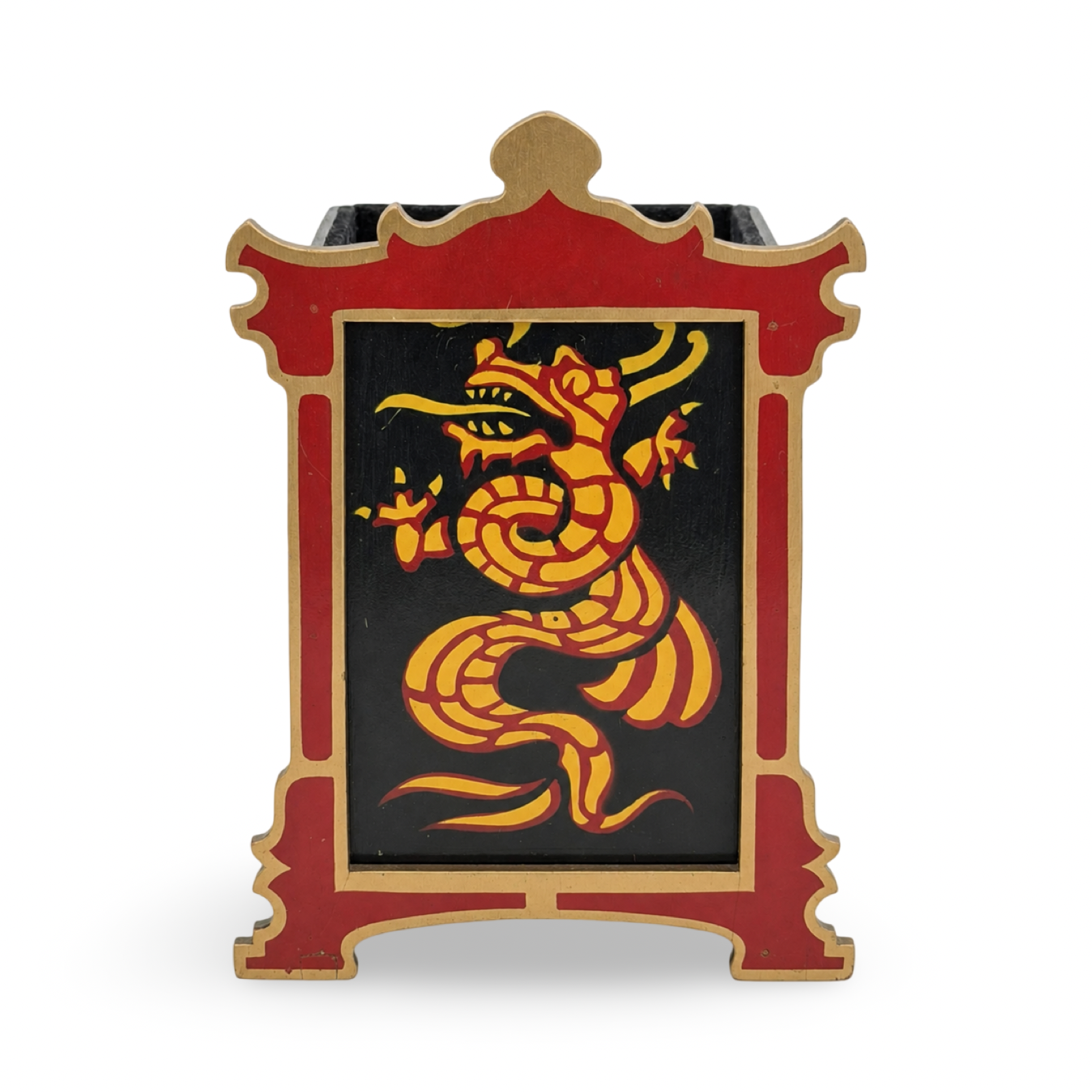
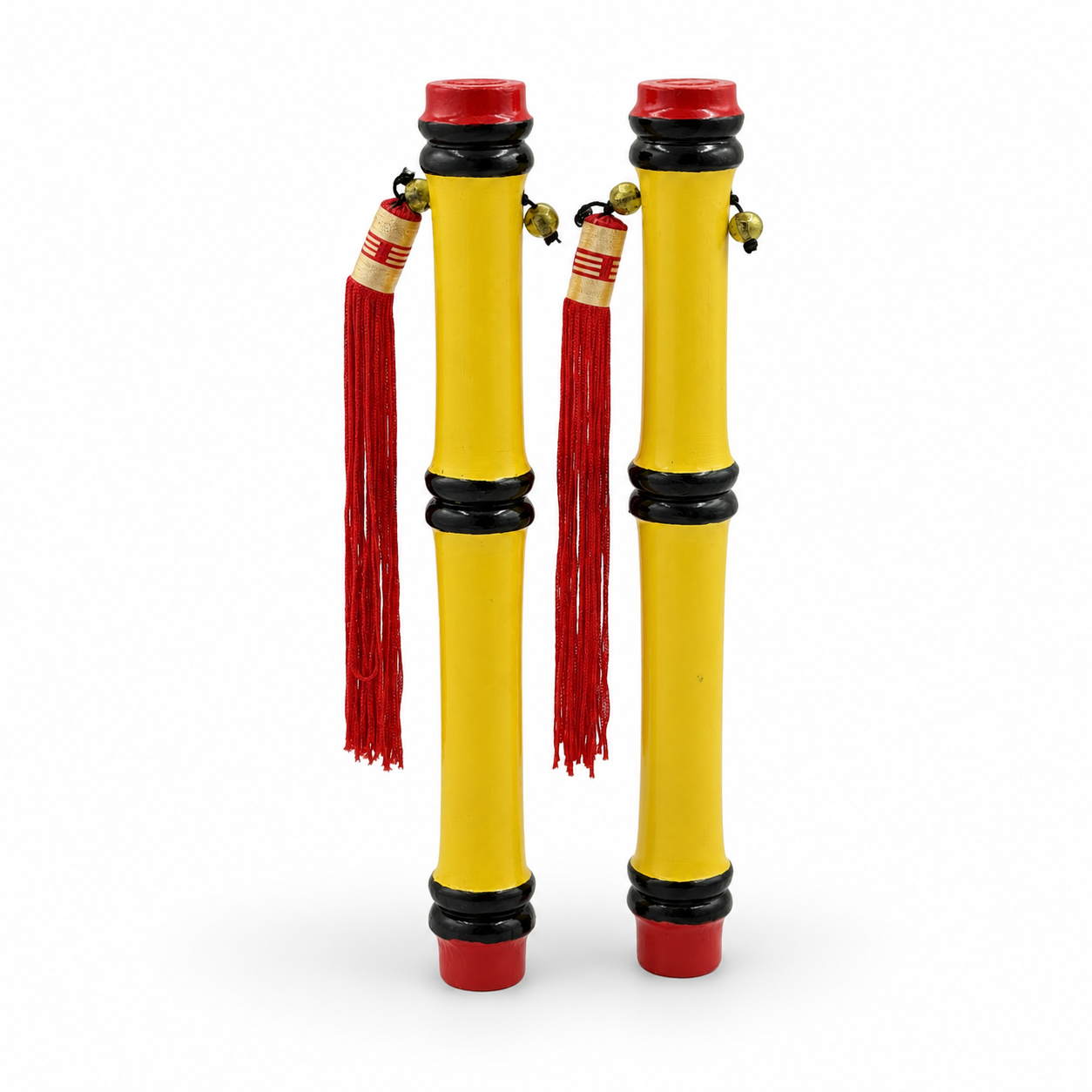
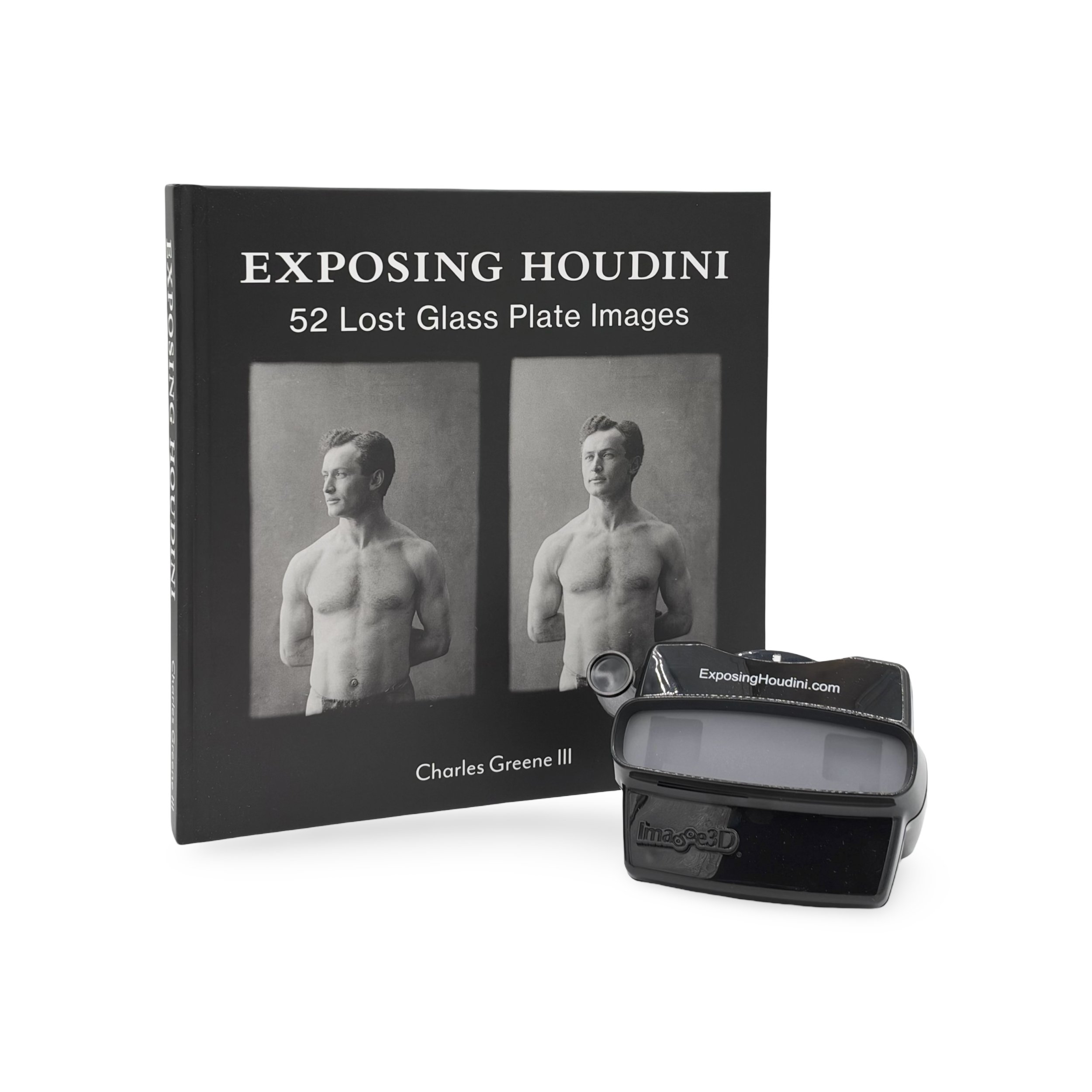
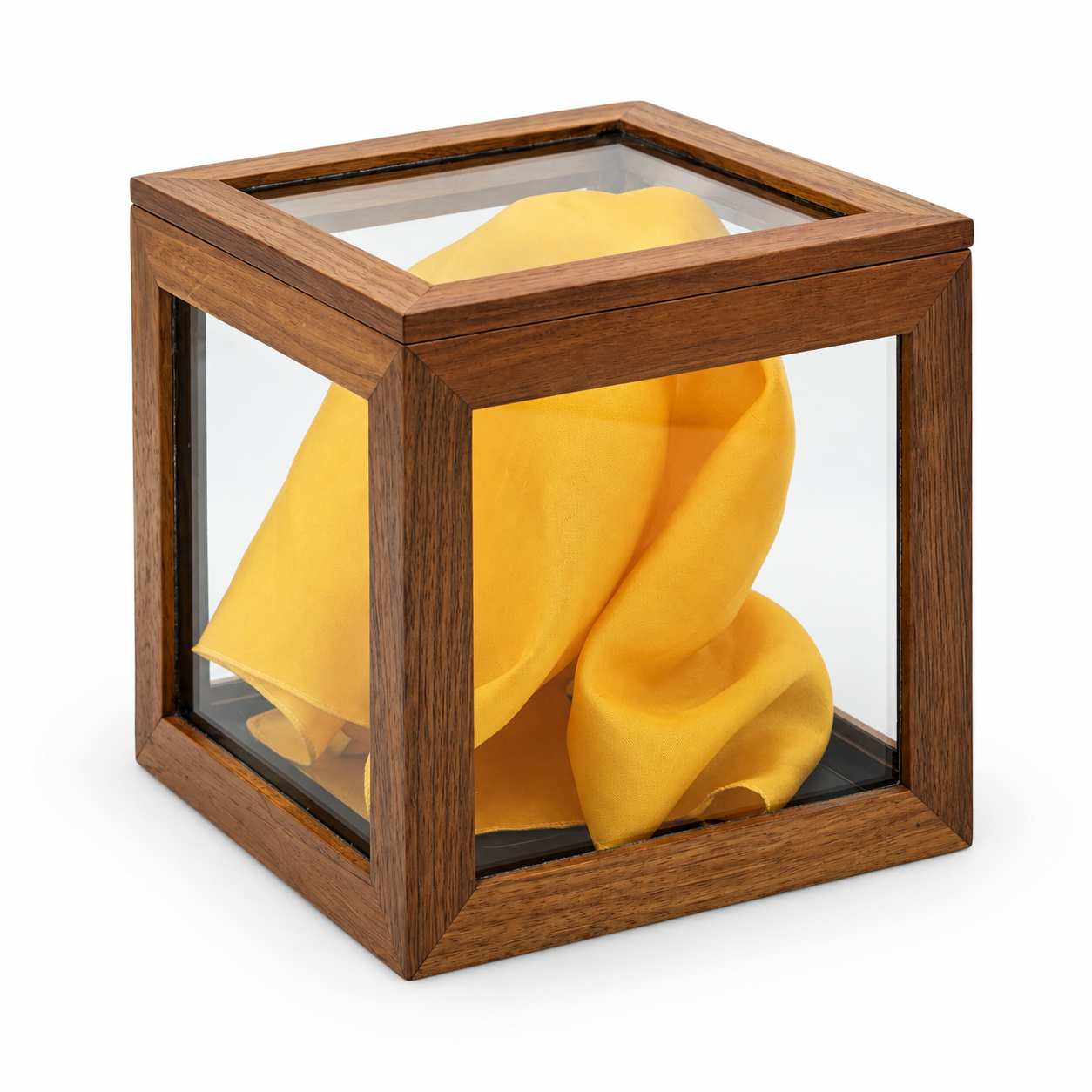
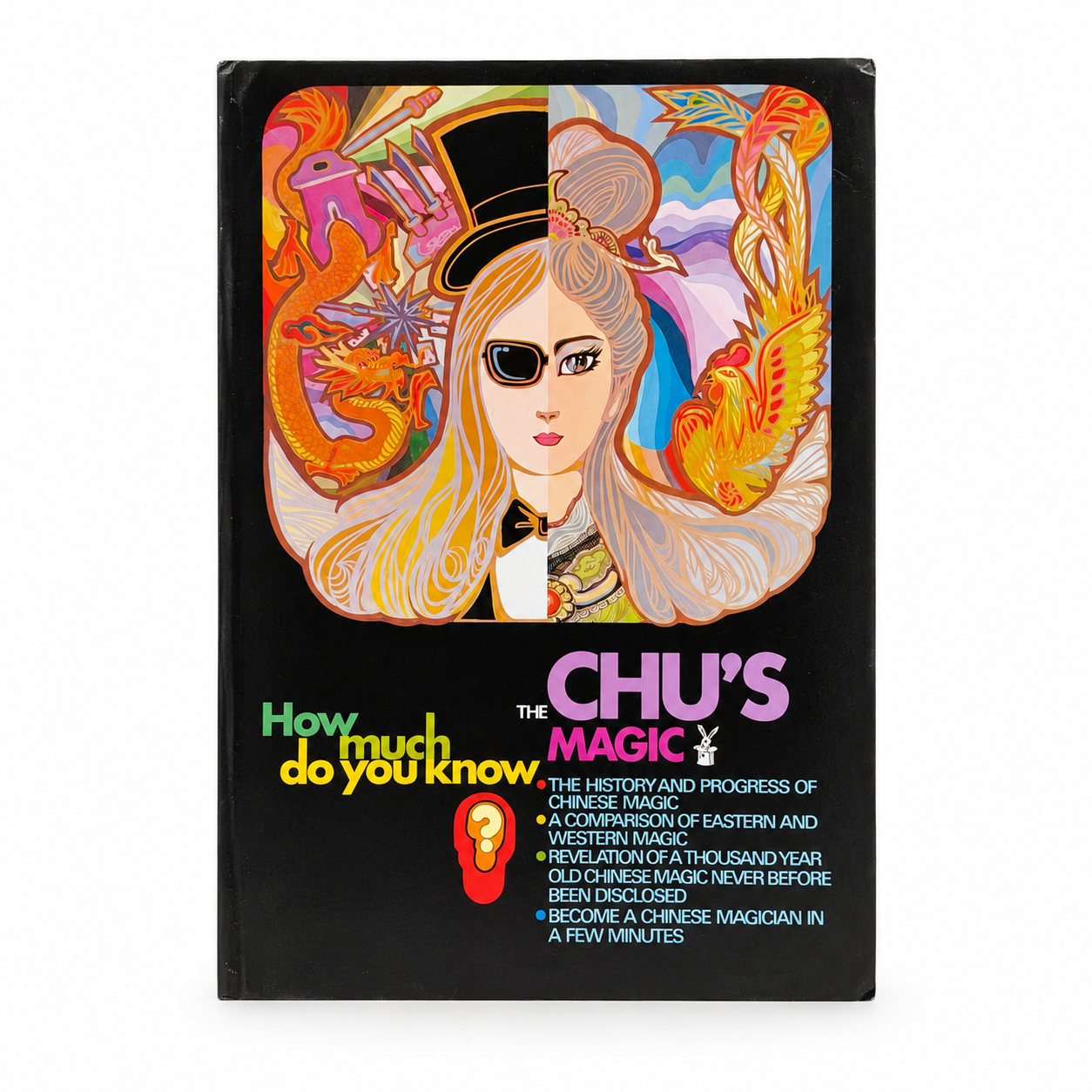
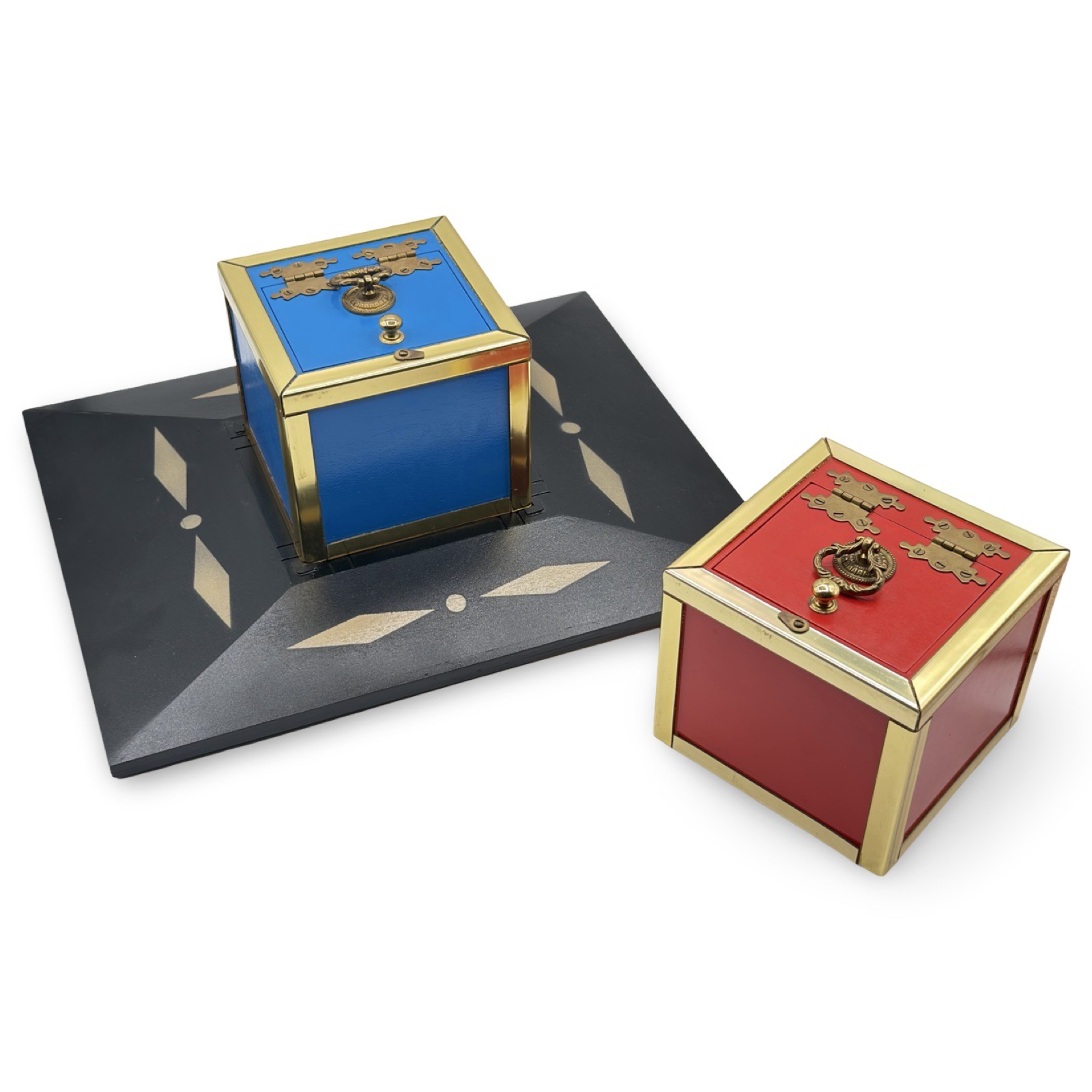
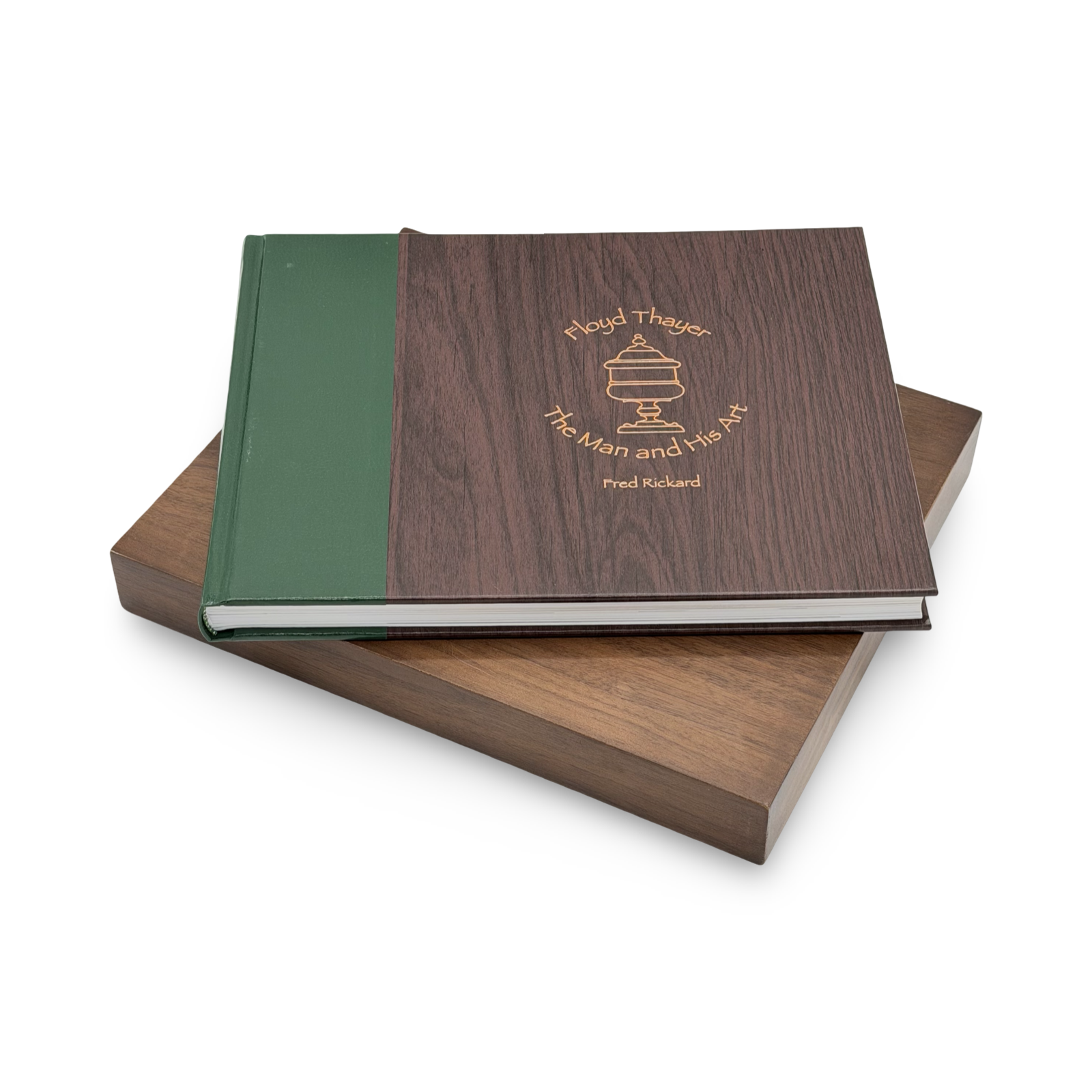
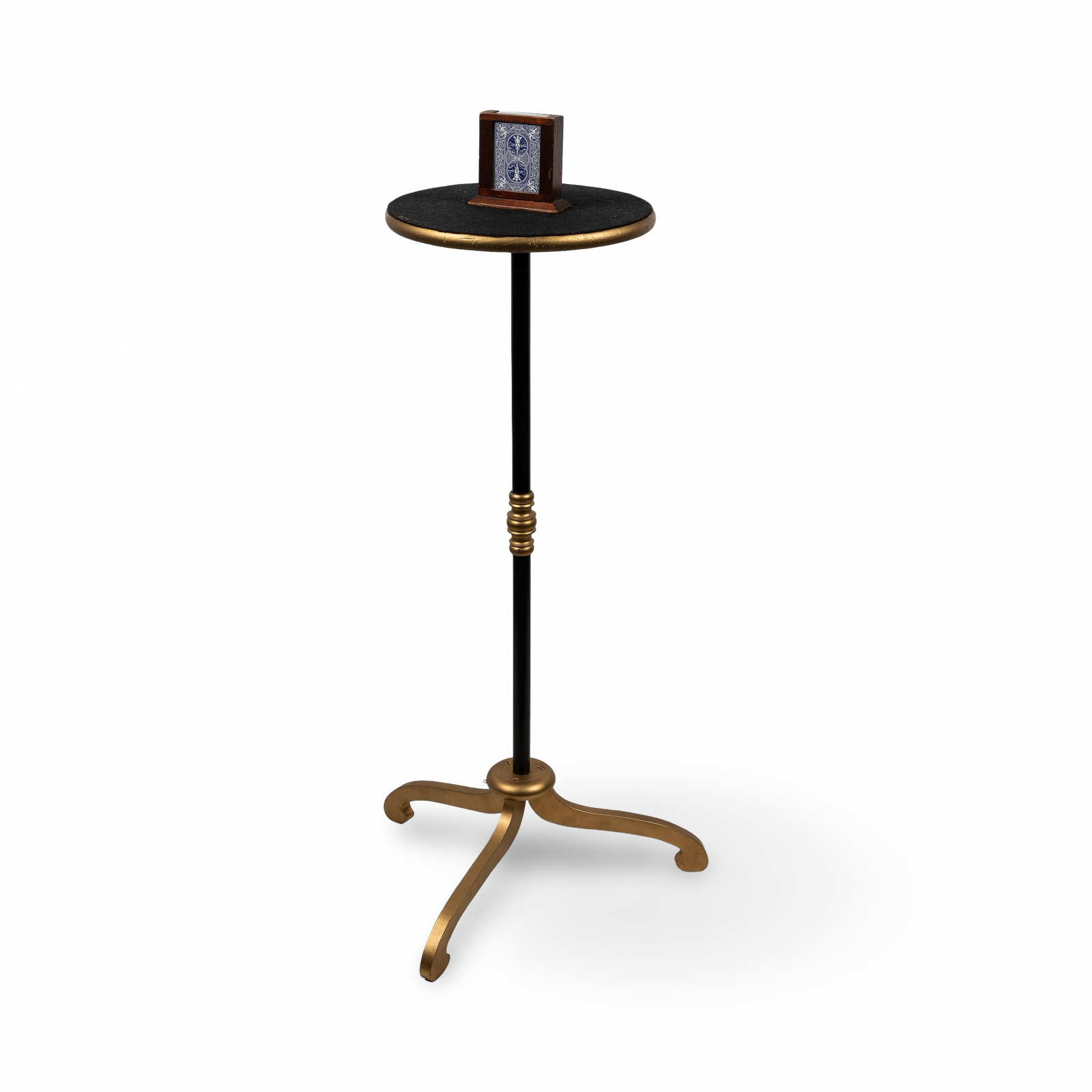
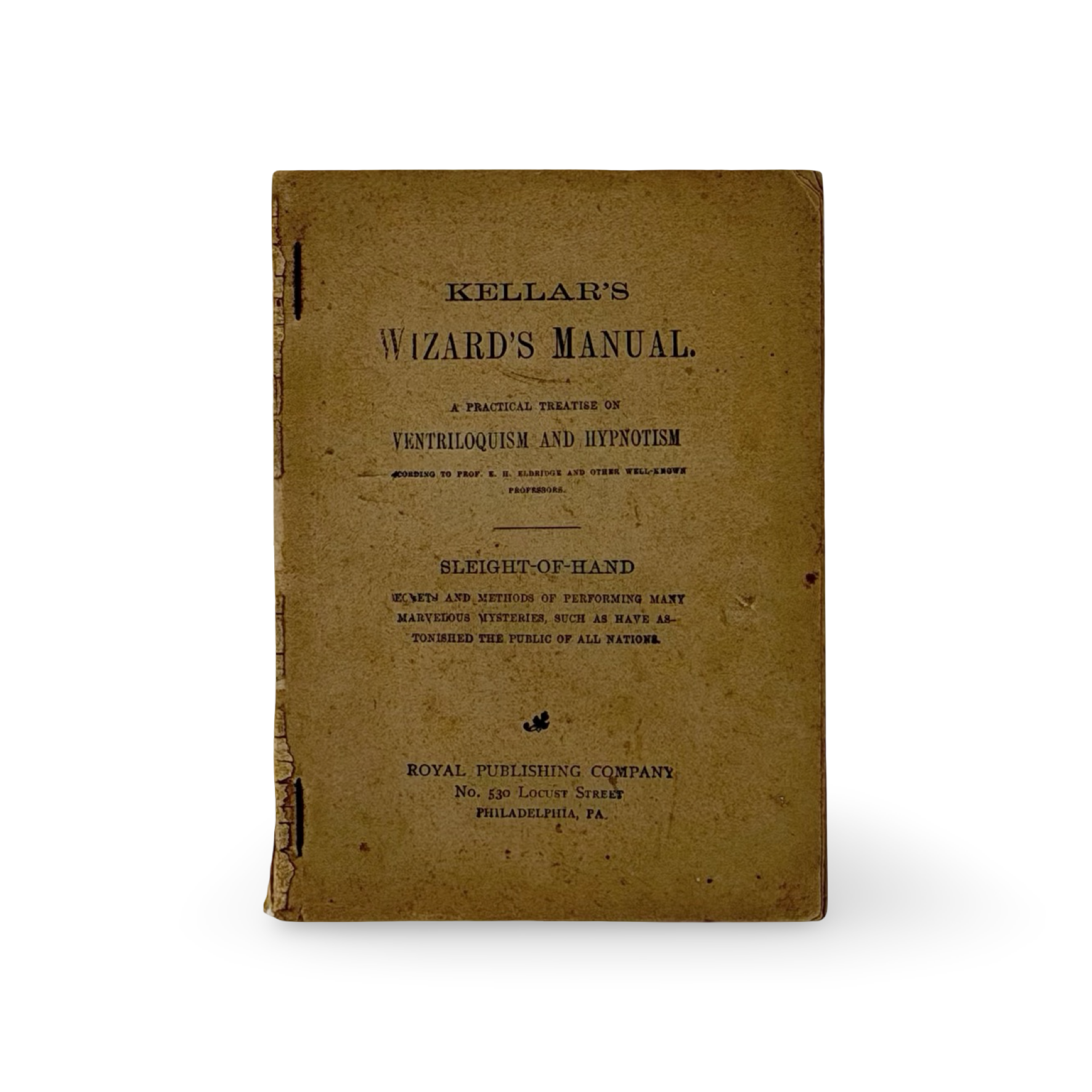
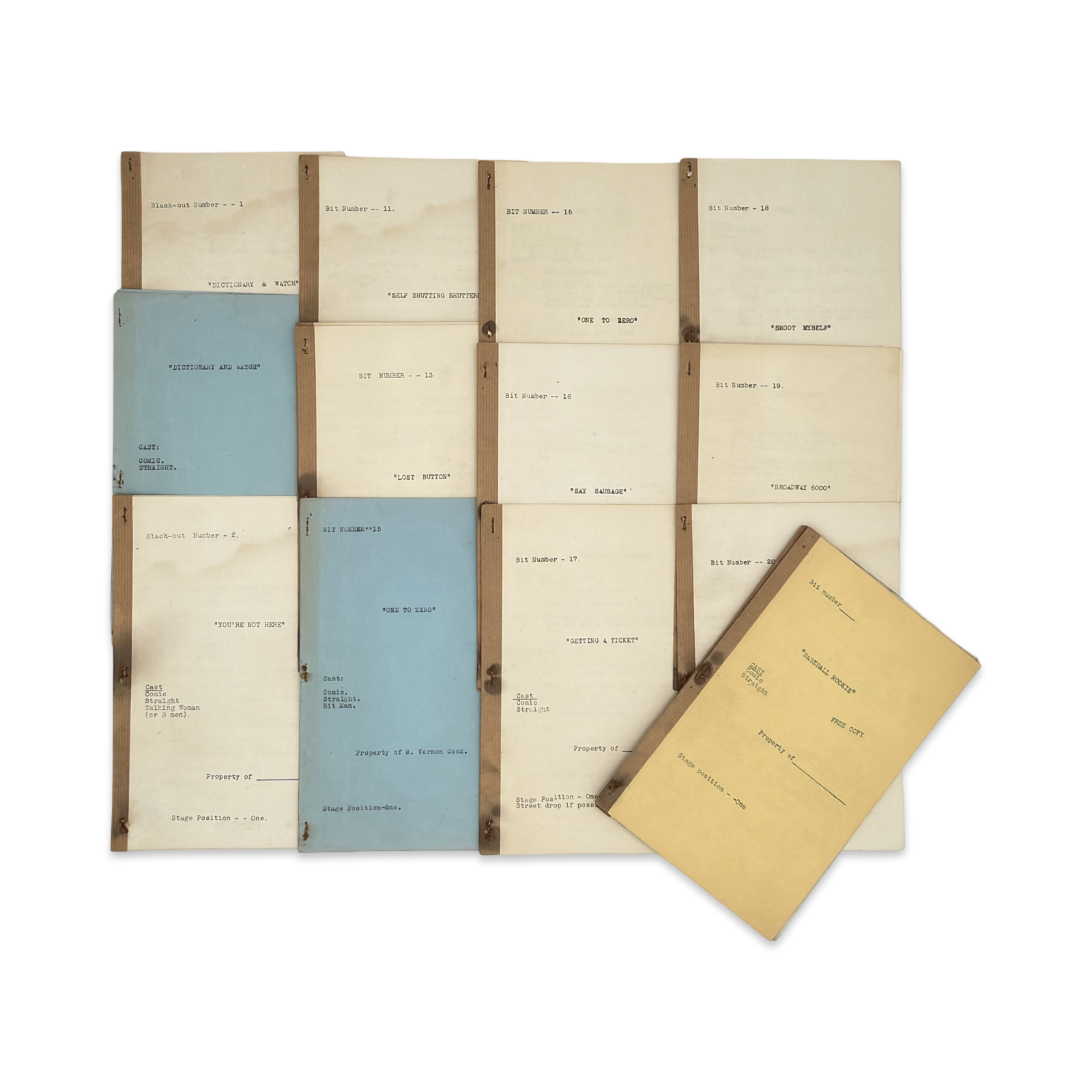
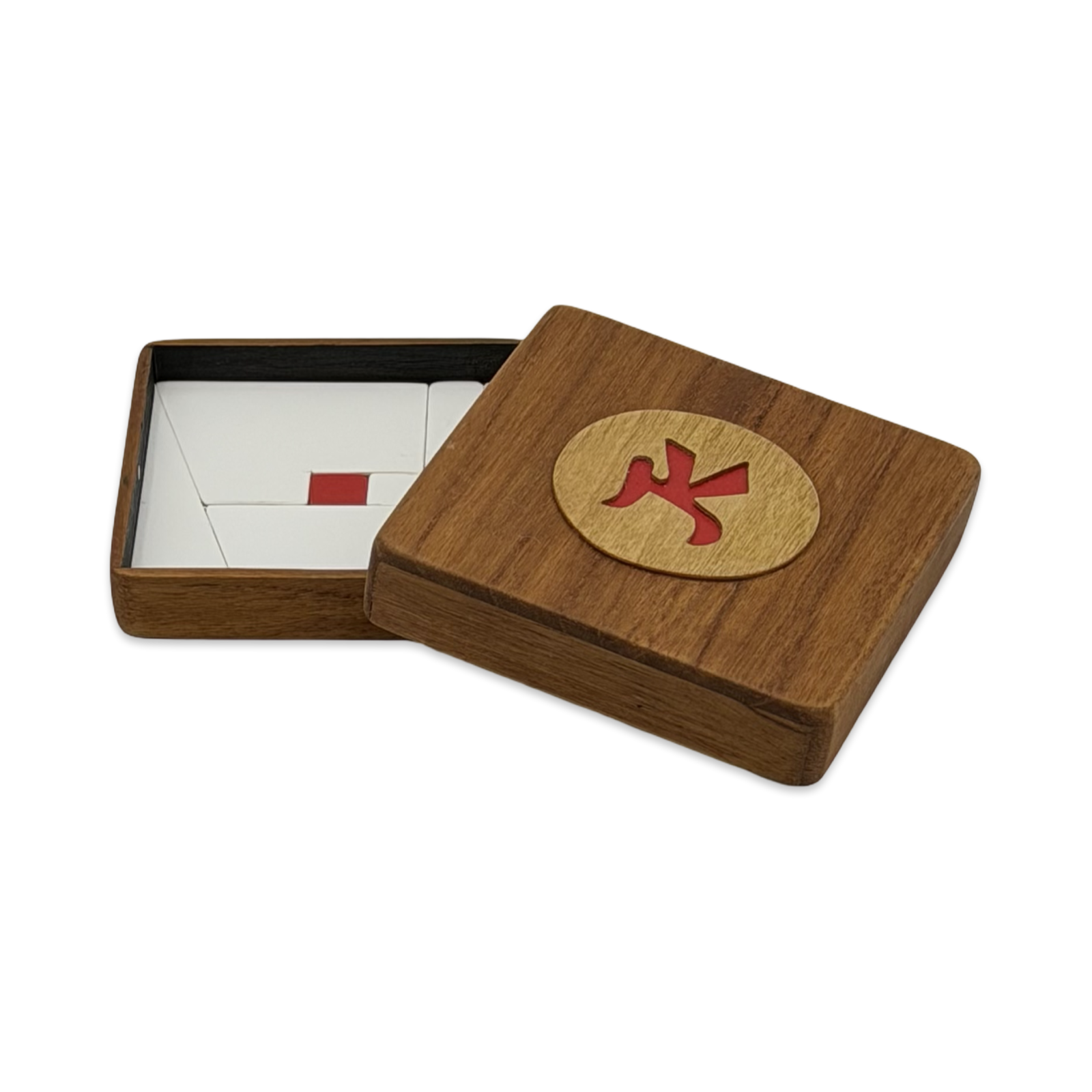
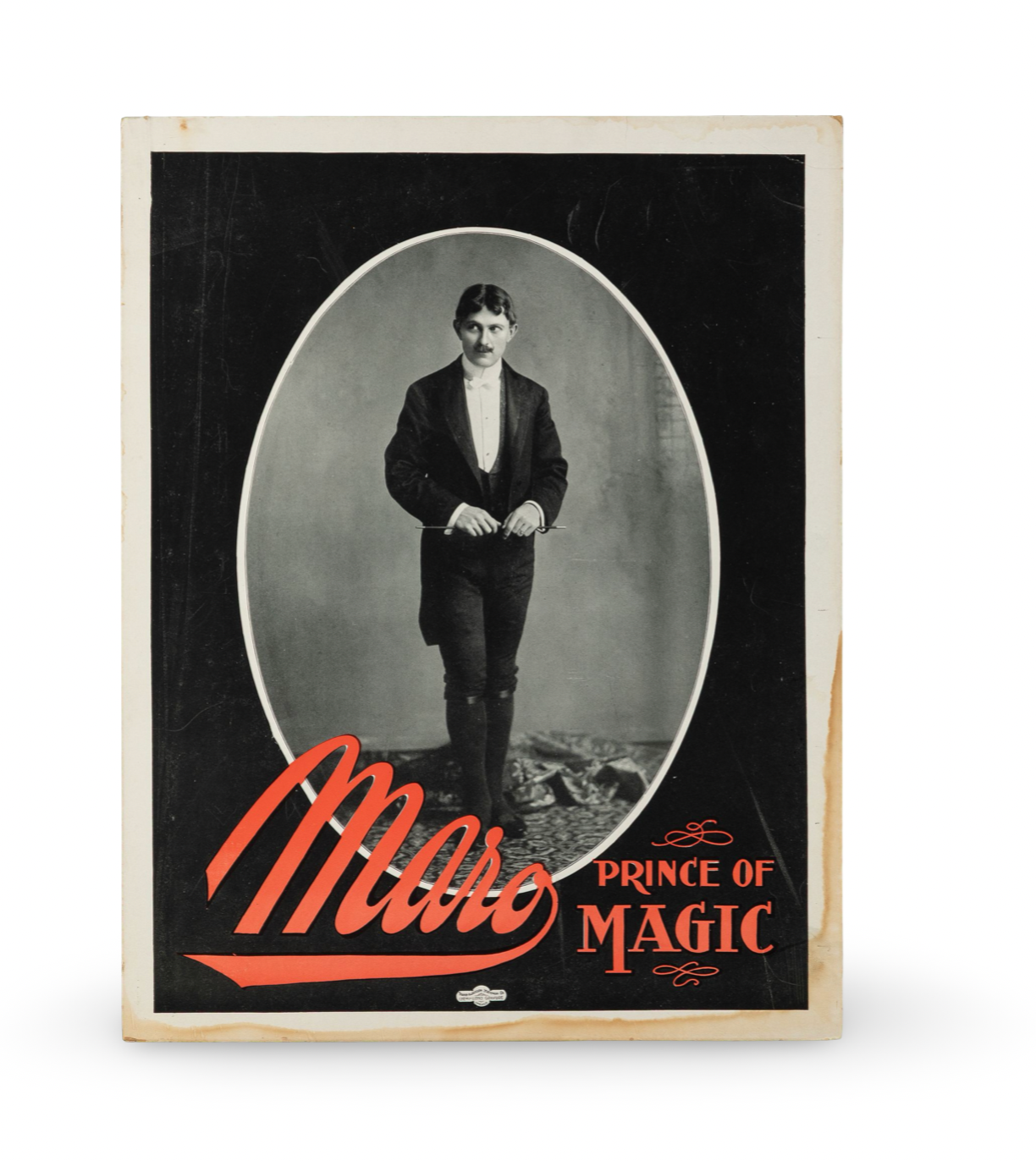
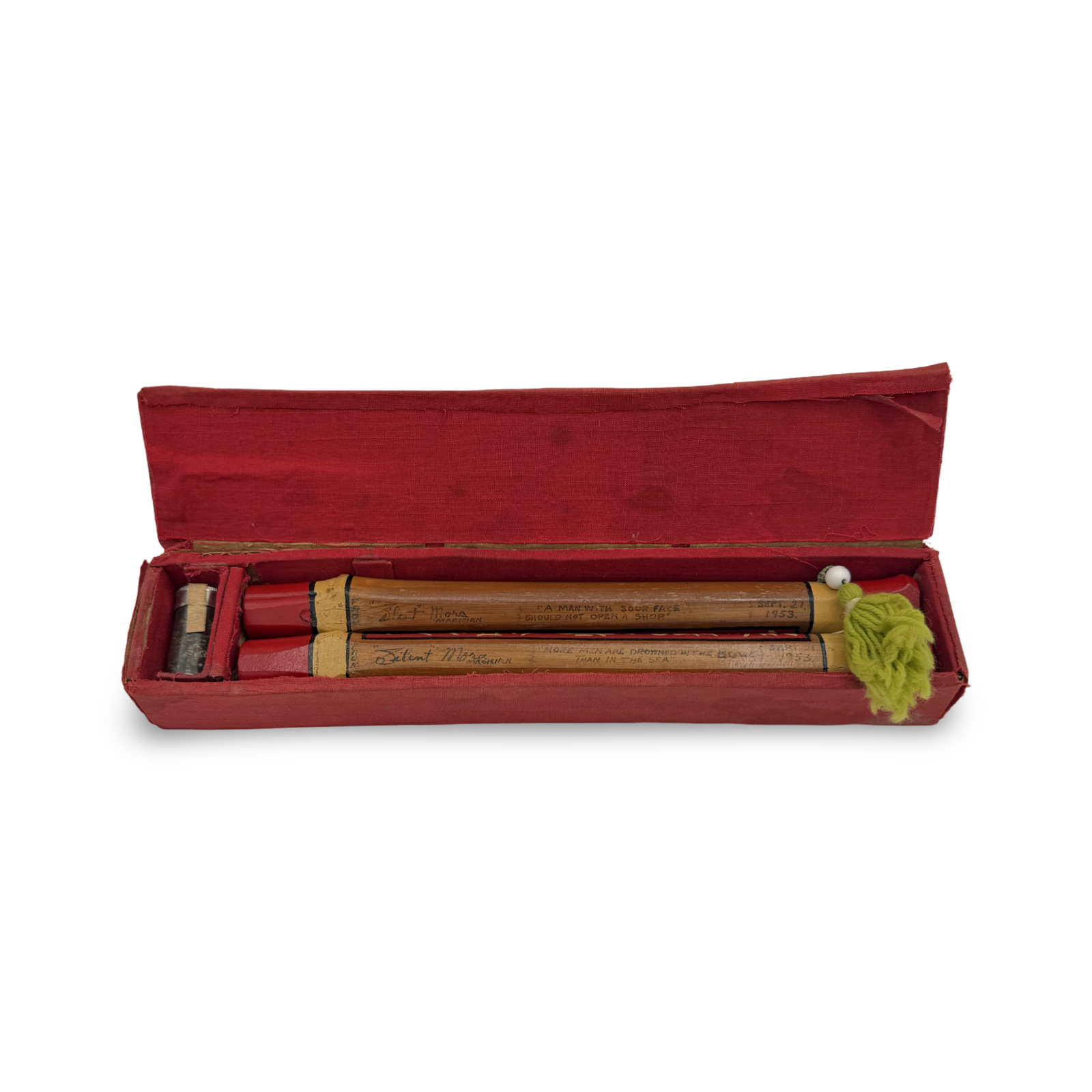

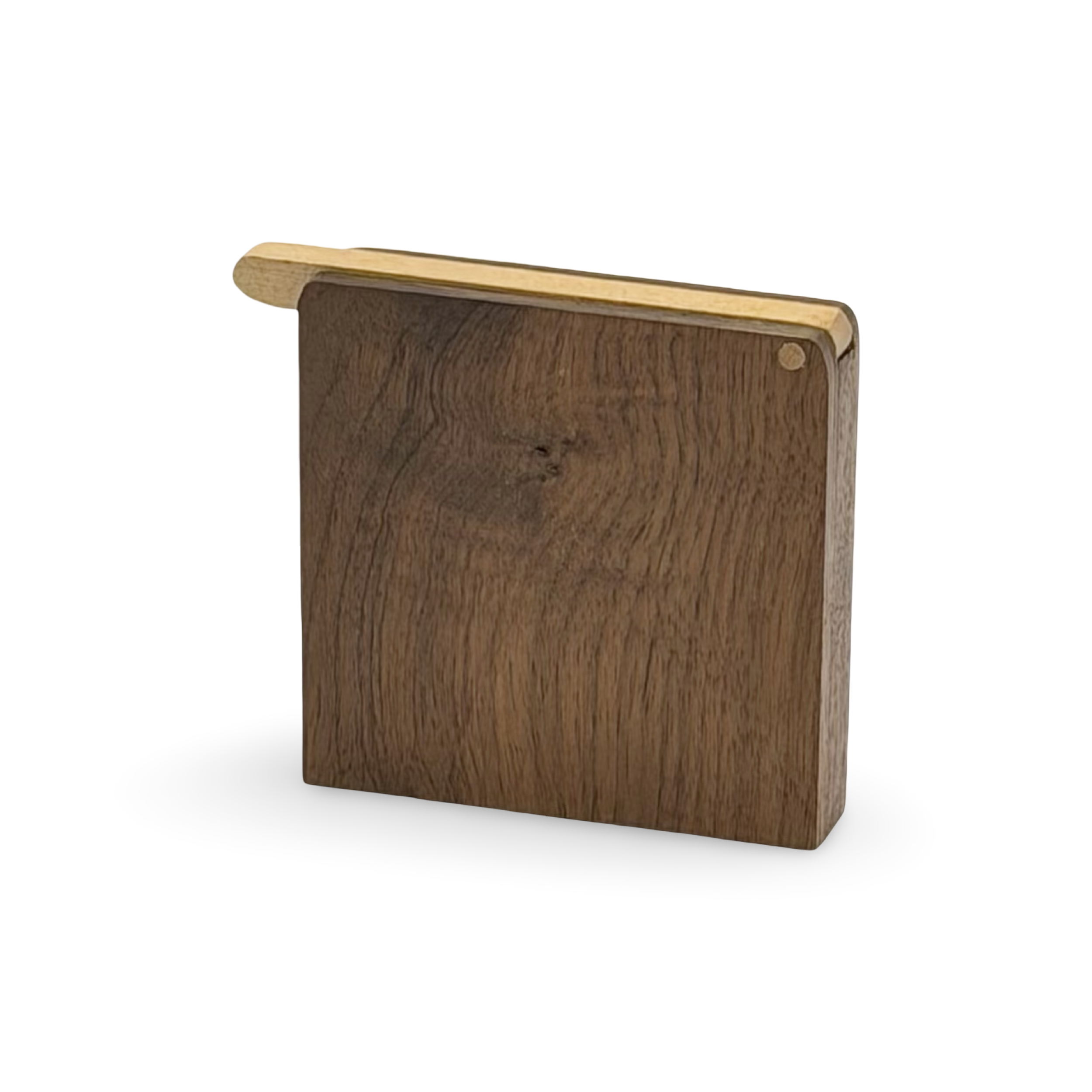
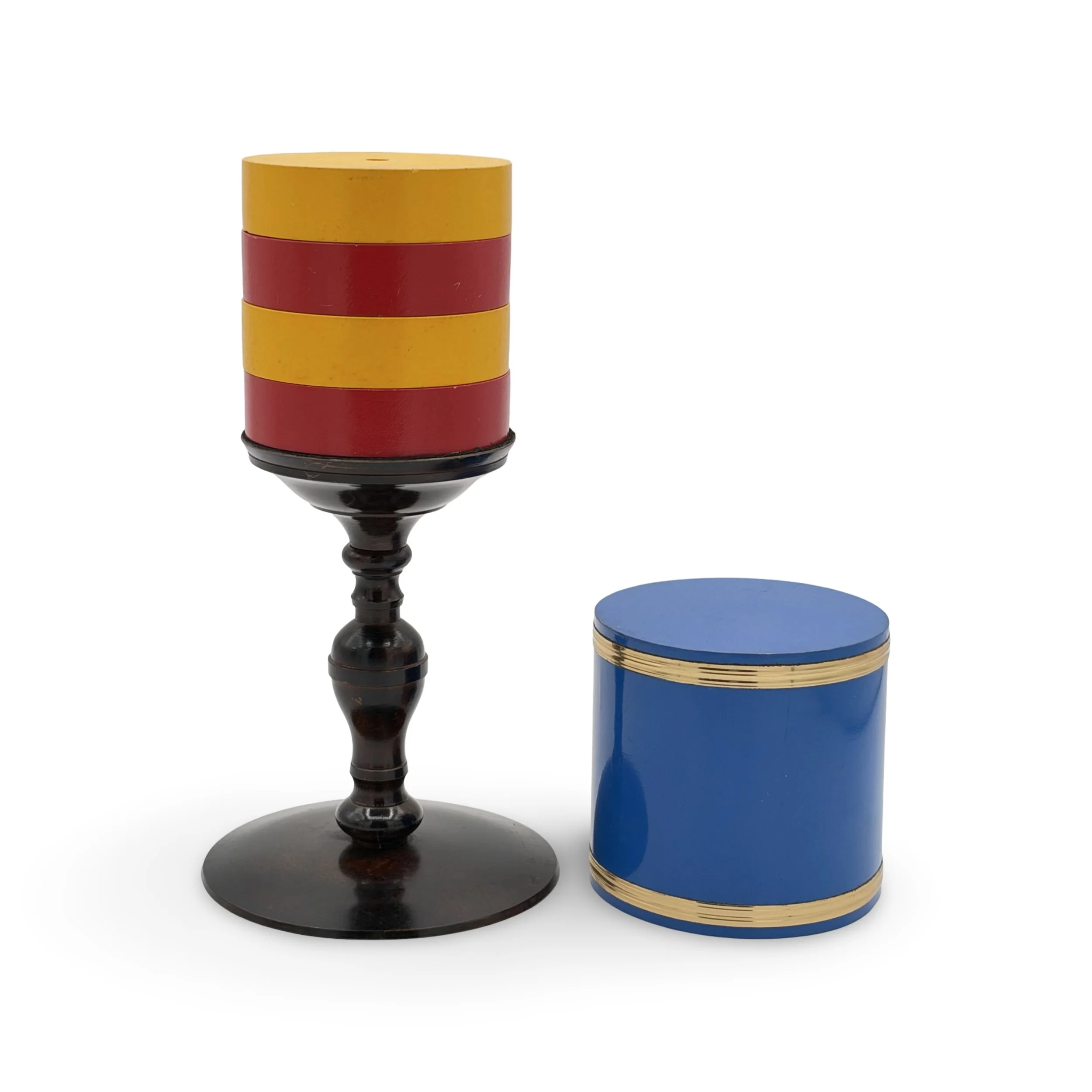
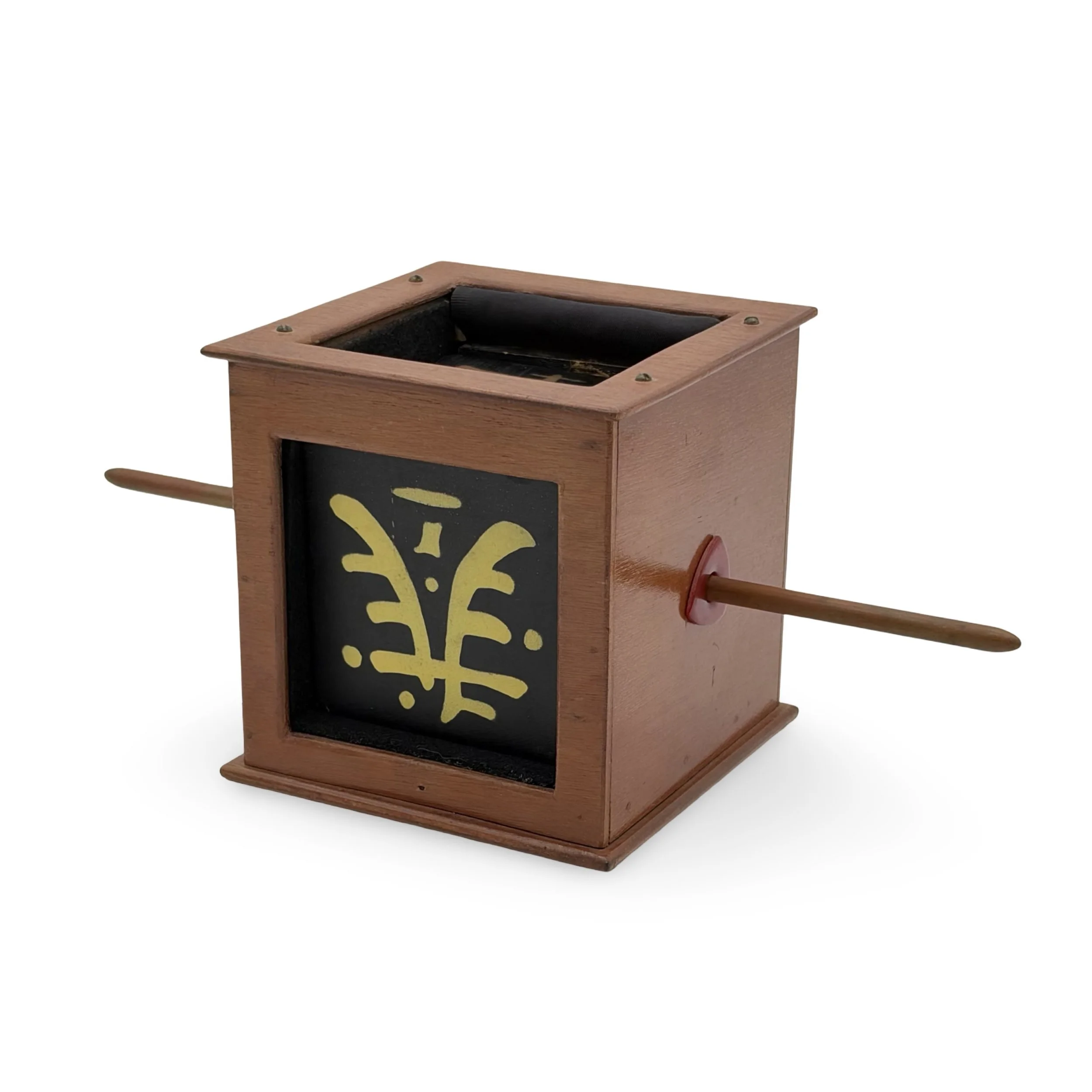
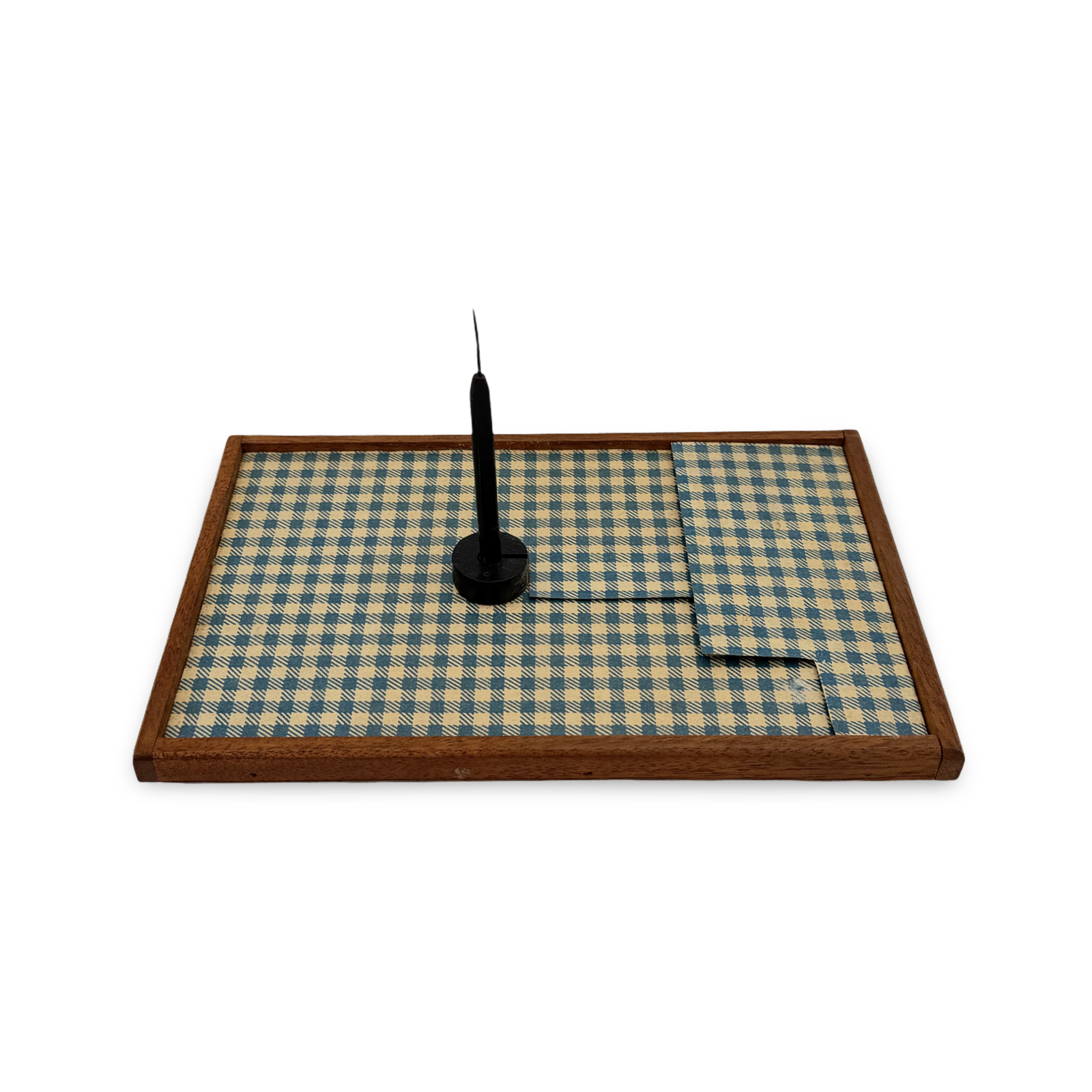
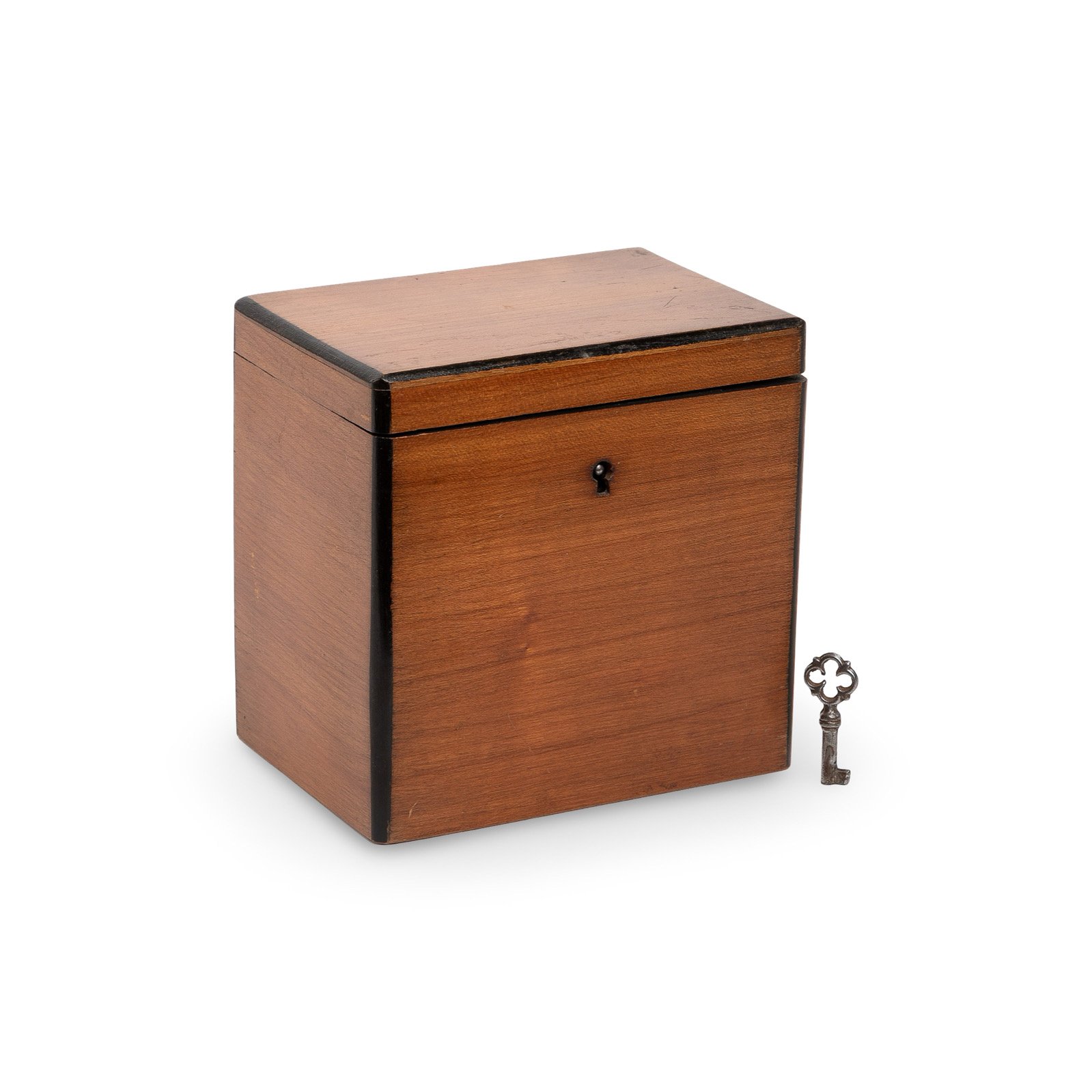
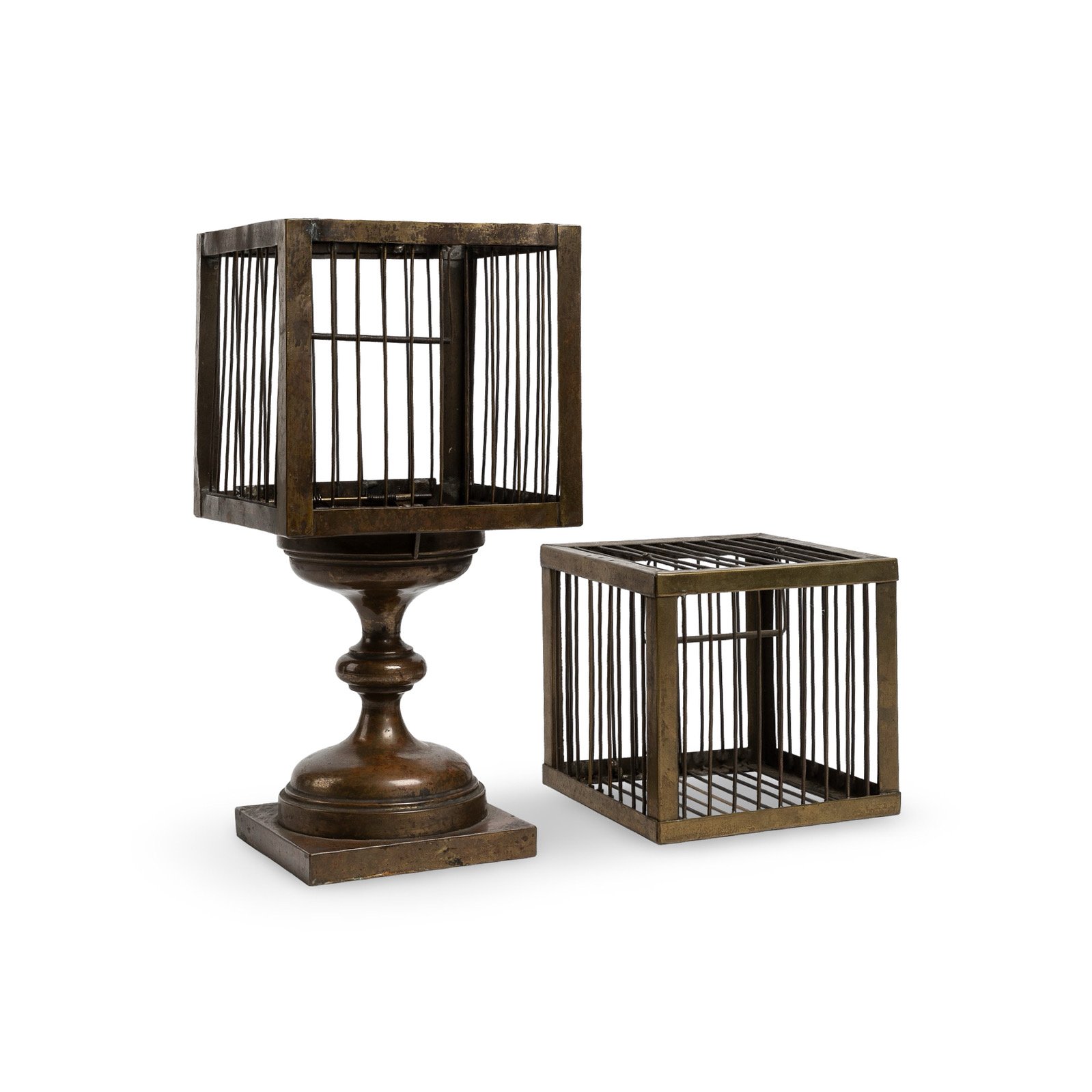
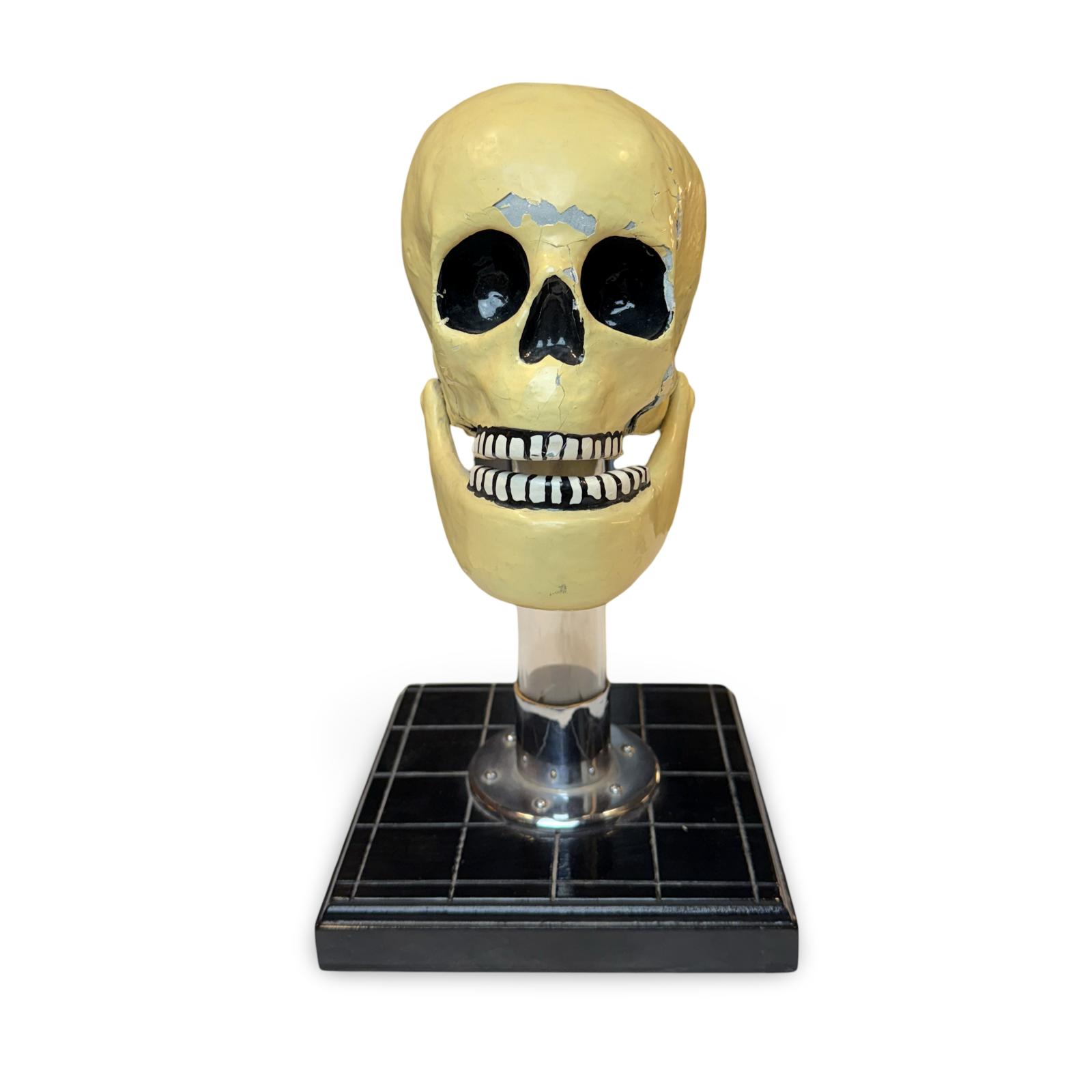
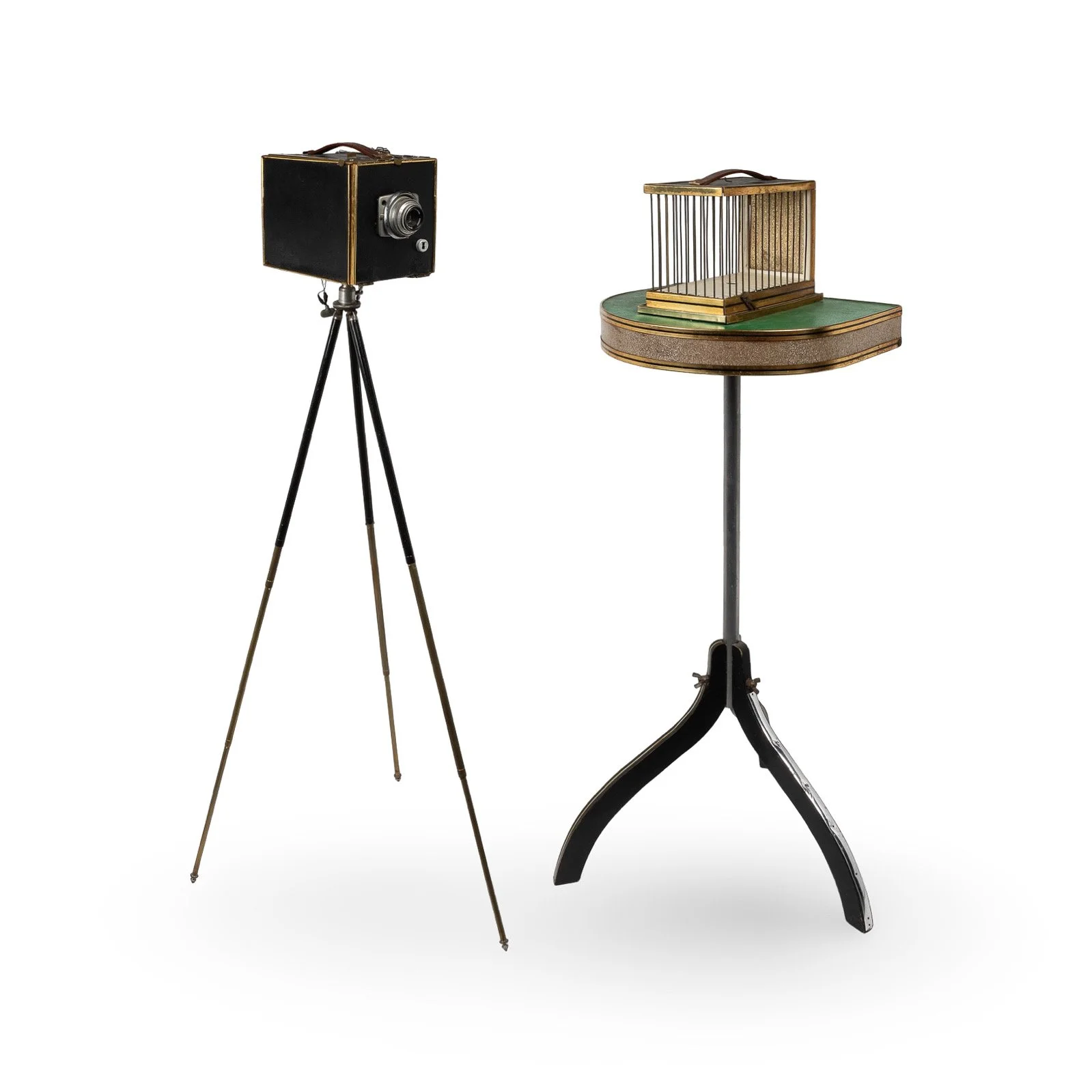

Escaping Vampire. Ben Wallace, Wallace Magic Shop, Culver City, California, ca. 1946.
Decorated wooden coffin with a removable vampire block and wooden stake. The block is placed inside the coffin, and the stake is passed through openings in its sides and the center of the block. Despite being impaled, the vampire escapes, leaving the coffin and stake intact. Finished in red crackle paint with gold accents. Advertised by Wallace in Genii magazine in 1946, with a notice cautioning buyers against imitations. Retains the original Wallace Magic Shop label. Includes a period printed advertisement. Minor wear consistent with age; very good condition.